Best Thali in Jaipur: Find Unlimited Rajasthani Meals Under ₹200
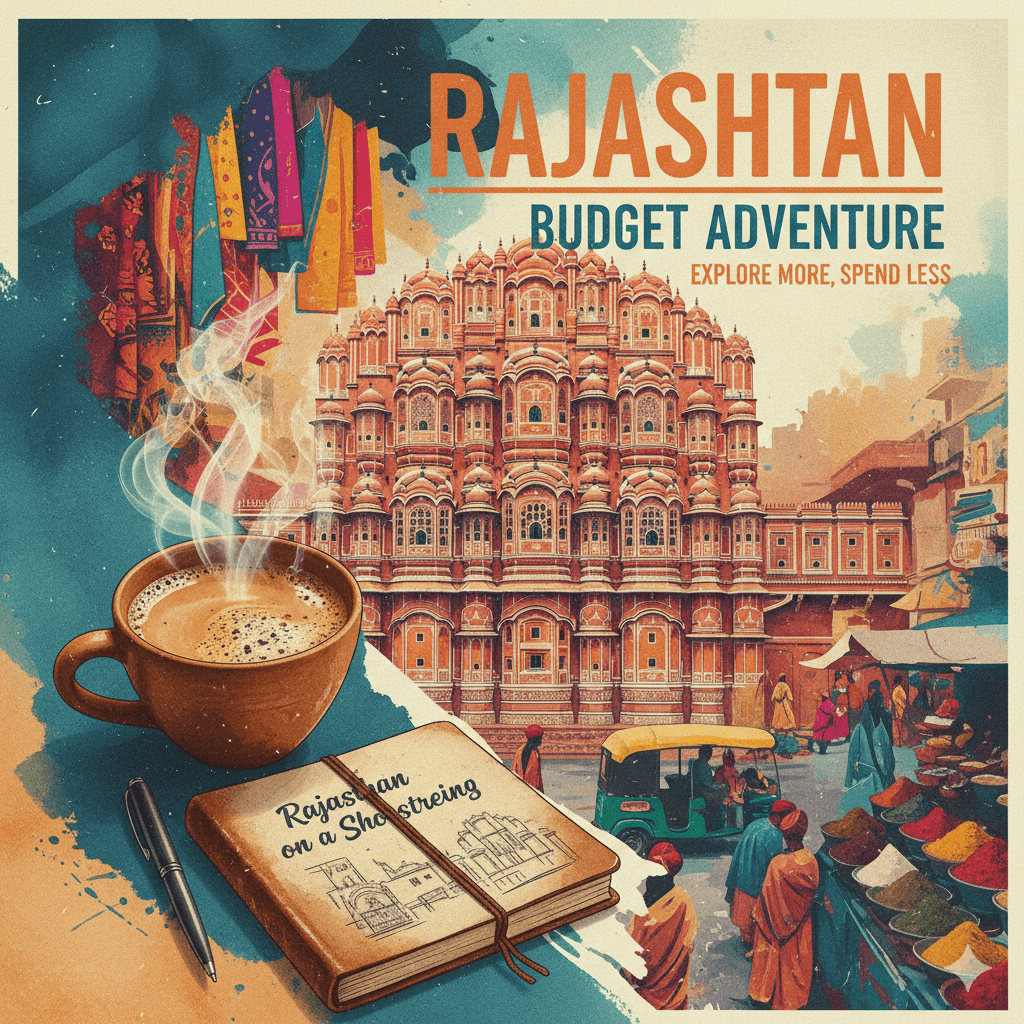
1. The 2026 Gastronomy Audit: Why the “Unlimited Thali” is Your Best Business Move
Best Thali in Jaipur: I’m obsessed with ROI (Return on Investment). When you’re traveling through the desert state, your “Investment” isn’t just your money—it’s your stomach space and your time. In 2026, while luxury travelers are spending ₹2,500 on “fusion” meals at five-star hotels, I’m here to show you a higher-yield asset: the Unlimited Rajasthani Thali.
Think of a Thali as a diversified portfolio. Instead of betting all your capital on one dish, you get a spread of 10 to 15 different “assets”—from spicy Gatte ki Sabzi to sweet Churma. If one dish underperforms, the others pick up the slack. And the best part? The “Dividends” (refills) keep coming until you literally have to file for “Physical Bankruptcy” (aka a food coma).
Finding the best thali in Jaipur isn’t just about the flavor; it’s about finding that sweet spot where authentic quality meets a sub-₹200 price point.
The 2026 Thali “Profit & Loss” Sheet
| Metric | High-End Resort Thali | The Globalopollis “Smart” Thali |
| Average Cost | ₹1,500 – ₹3,500 | ₹120 – ₹199 |
| Refill Policy | Often limited or “A La Carte” | Truly Unlimited (The “Refill” CEO) |
| Authenticity | Sanitized for global palates | Raw, spicy, and traditionally bold |
| Wait Time | High (Fine dining pace) | Low (Fast-moving “Thali Halls”) |
Why “Budget” is the New “Premium” in Rajasthan
- The Freshness Factor: Local thali joints have a high “Inventory Turnover.” Because they serve hundreds of locals daily, the food is cooked fresh every few hours.
- Zero Hidden Fees: When I say under ₹200, I mean it. No “ambiance tax,” no “overpriced bottled water” pressure. Just pure culinary performance.
- Cultural Market Research: You aren’t just eating; you’re observing. Sitting in a crowded dhaba in the Pink City is the best way to understand the local “Market Sentiment.”
If you are on a quest to locate the best thali in Jaipur, you have to look past the fancy neon signs and follow the crowds of office workers and students. They are the ultimate “Market Analysts” of value.
In Rajasthan, the server won’t ask if you want more; they will simply drop a massive scoop of Baati on your plate like they’re closing a hostile takeover. Resistance is futile. Your only job is to ensure you have enough “Liquid Assets” (chaas/buttermilk) to keep the operation running.
2. The Thali Matrix: Auditing the Best Unlimited Rajasthani Meals Under ₹200
In business, we look for “undervalued assets”—places where the market price hasn’t yet caught up to the actual value of the product. When it comes to the best thali in Jaipur, the market is currently skewed. You have the “Legacy Brands” charging a premium for their name, and then you have the “High-Growth Dhabas” where the food is better, fresher, and fits right into our sub-₹200 operational budget.
To find the best thali in Jaipur (and beyond), you have to look for the “Unlimited Refill” model. This is the ultimate hedge against hunger. If the first round of Ker Sangri doesn’t fill you up, the second, third, and fourth rounds are essentially “free capital” for your energy levels.
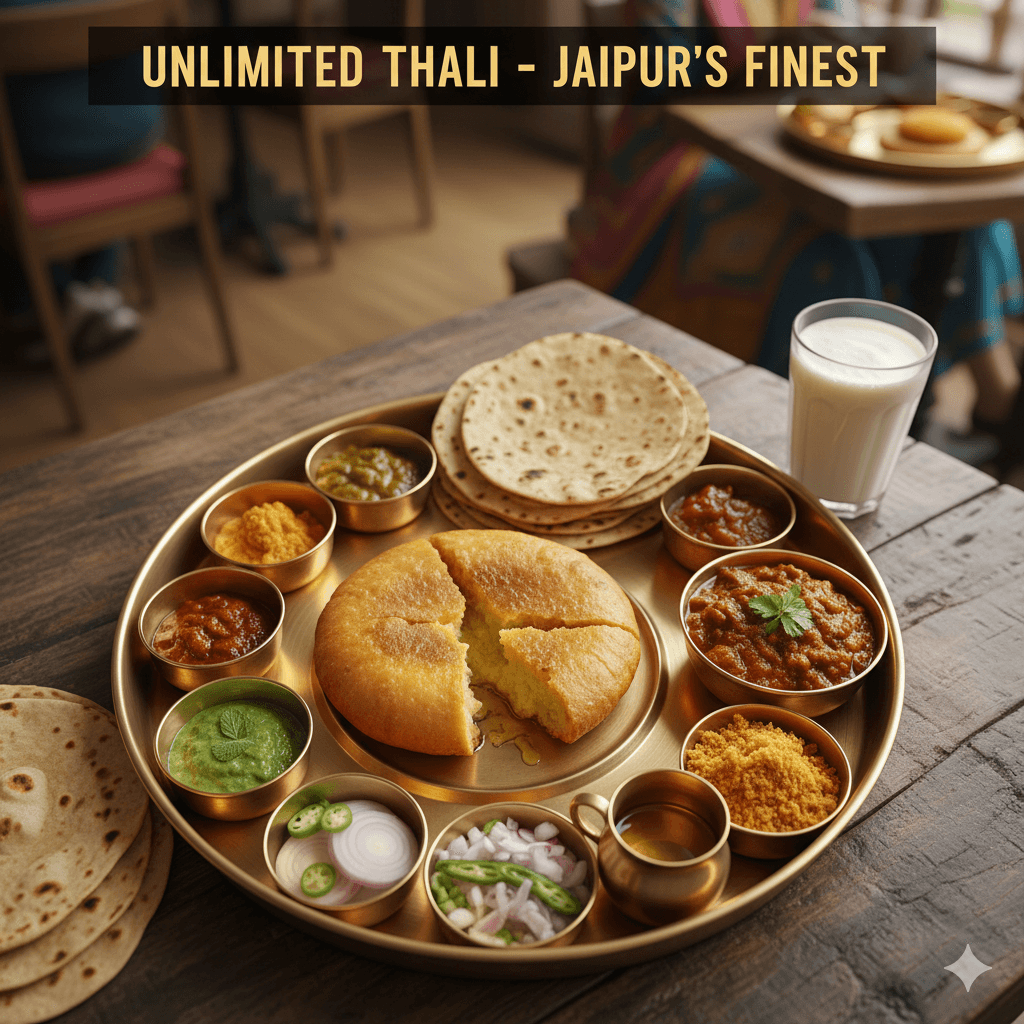
The 2026 Strategic Thali Index: Top Value Picks
| Location | The “Stock Pick” (Restaurant) | Strategy Price (Unlimited) | The Signature “Dividend” |
| Jaipur | Mahaveer Rabri Bhandar | ₹140 – ₹199 | Aloo Pyaaz Paneer & Bejad Roti |
| Jaipur | Khandelwal Dhaba | ₹160 – ₹190 | Desi Ghee Dal & Unlimited Roti |
| Udaipur | Natraj Dining Hall | ₹230 (Budget Flex) | Authentic Mewari & Gujarati Fusion |
| Udaipur | Royal Dil Punjabi | ₹150 (Student Thali) | High-Volume Value Meals |
Regional Deep Dive: Where to Invest Your Appetite
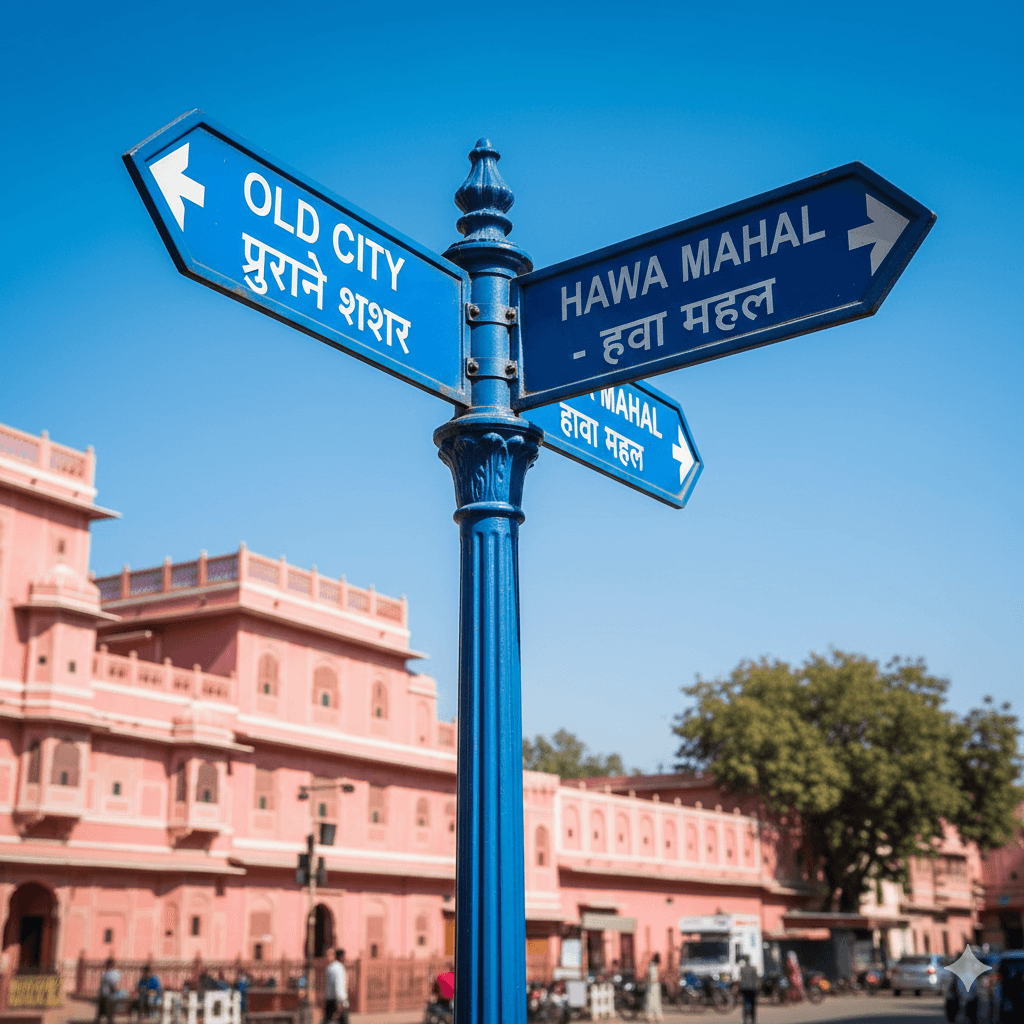
- Mahaveer Rabri Bhandar (Jaipur): Located near the Hawa Mahal, this is the “Blue Chip” of budget dining. Their thali is legendary not for its size, but for the quality of its Aloo Pyaaz Paneer Sabji. It’s spicy, oily in a good way, and served with Bejad Roti (a multigrain powerhouse). For under ₹200, this is arguably the best thali in Jaipur for street-side authenticity.
- Khandelwal Dhaba (Jaipur): If you’re near Malviya Nagar or Sikar Road, look for the “Old” Khandelwal signs. Their “Maharaja Special Thali” often hovers around ₹160-₹180 and is a full-scale operation of Paneer, Dal, Raita, and Gulab Jamun.
- Natraj Dining Hall (Udaipur): Okay, I’m doing a “Budget Flex” here. While it has crept slightly above ₹200 in 2026 due to its iconic status, the ROI is still wild. They serve you with a speed that would make a Silicon Valley startup jealous. You sit down, and within 30 seconds, six different servers are “downloading” food onto your plate.
- LMB (Jaipur) – The Tactical Warning: Laxmi Mishthan Bhandar is a tourist heavyweight. While their sweets are an “A+ Asset,” their thali prices have skyrocketed. Visit for a Kachori audit, but keep your thali investments at the local dhabas listed above to stay under budget.
Eating at these places is a high-speed transaction. Don’t expect a “Consultation Phase” with the waiter. In the time it takes you to say “Excuse me,” they’ve already refilled your Kadhi twice. It’s the most efficient logistics network in India!
3. The Visual Dividends: Top Sightseeing Destinations to Balance Your “Flavor Portfolio”
After investing heavily in the best thali in Jaipur, your next strategic move is to liquidate those calories. In the business of travel, sightseeing is your “Visual Dividend”—the high-value return you get for simply showing up. In 2026, the Rajasthan tourism market is more accessible than ever, but to get the best ROI, you need to know which assets are worth your time and which are just “market noise.”
I’ve audited the top spots across the “Big Four” cities. These are the destinations that offer the highest cultural yield per hour spent.
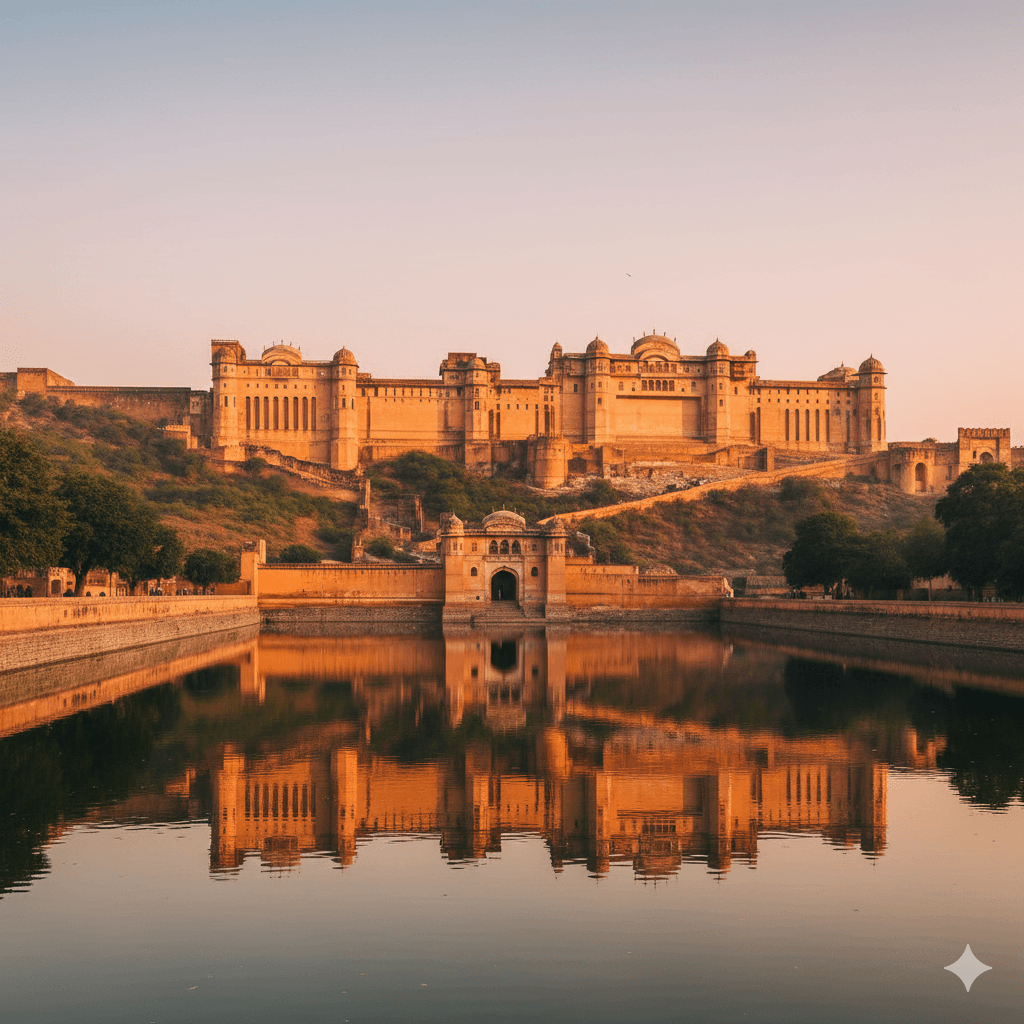
The 2026 “Visual Asset” Performance Report
| Destination | Primary Asset | Strategic “Buy” (Why Visit?) | Post-Thali Burn Level |
| Jaipur | Amer Fort | UNESCO Heritage with amazing hill views. | High (Steep climbs) |
| Udaipur | Lake Pichola | The “Liquid Gold” of Rajasthan at sunset. | Low (Boat/Stroll) |
| Jodhpur | Mehrangarh Fort | A massive fortress overlooking the Blue City. | Medium (Elevators available) |
| Jaisalmer | The Living Fort | A fort where people actually live and work. | Medium (Narrow lanes) |
Strategic Sightseeing: My First-Person Audit
- Jaipur (The Corporate Capital): If you’ve just finished the best thali in Jaipur, do not—I repeat, do not—head straight to a museum. Instead, take a “Vertical Pivot” to Nahargarh Fort. The hike up offers a panoramic view of the Pink City that costs exactly zero rupees. It’s the perfect way to see your “Territory” from above.
- Udaipur (The Romance Subsidiary): Udaipur is all about “Aesthetic Management.” My favorite move is to skip the expensive palace tours during peak hours and head to Gangaur Ghat. Sitting there at 6:00 PM is like watching a live-stream of 16th-century royalty, and the “Entry Fee” is just a moment of your time.
- Jodhpur (The Indigo Operations): To truly understand the “Blue City” branding, you have to go to Pachetia Hill. While everyone else is stuck in the traffic of the main fort road, this hidden viewpoint gives you a 360-degree look at the blue rooftops. It’s a high-value, low-density spot.
- Jaisalmer (The Golden Hedge): The Jaisalmer Fort is a “Living Asset.” Unlike other forts that are static museums, this one is an active marketplace. Walking through it is like navigating a busy trading floor, except instead of stocks, they’re trading silver, silk, and stories.
Pro-tip for Amer Fort: You can pay for an elephant ride, or you can use your “Internal Combustion Engine” (your legs). Given that you just had an unlimited thali, I highly recommend the latter. It’s the only way to ensure your belt doesn’t file for a “Structural Break” halfway up the hill.
4. Famous Historical Places: Beyond the Ticket Counter and Into the Soul of Rajasthan
As your business strategist, I see historical monuments as “Fixed Assets”—they are the foundation of the state’s brand value. But here’s the trade secret: you don’t always need to pay the premium “Gate Fee” to experience their power. In 2026, the most successful travelers are those who understand that history in Rajasthan isn’t just inside a museum; it’s in the shadows of the walls and the echoes of the public ghats.
If you’ve saved money by tracking down the best thali in Jaipur, you now have the “investable capital” to either splurge on a guided heritage tour or simply enjoy the majestic exterior architecture for free.
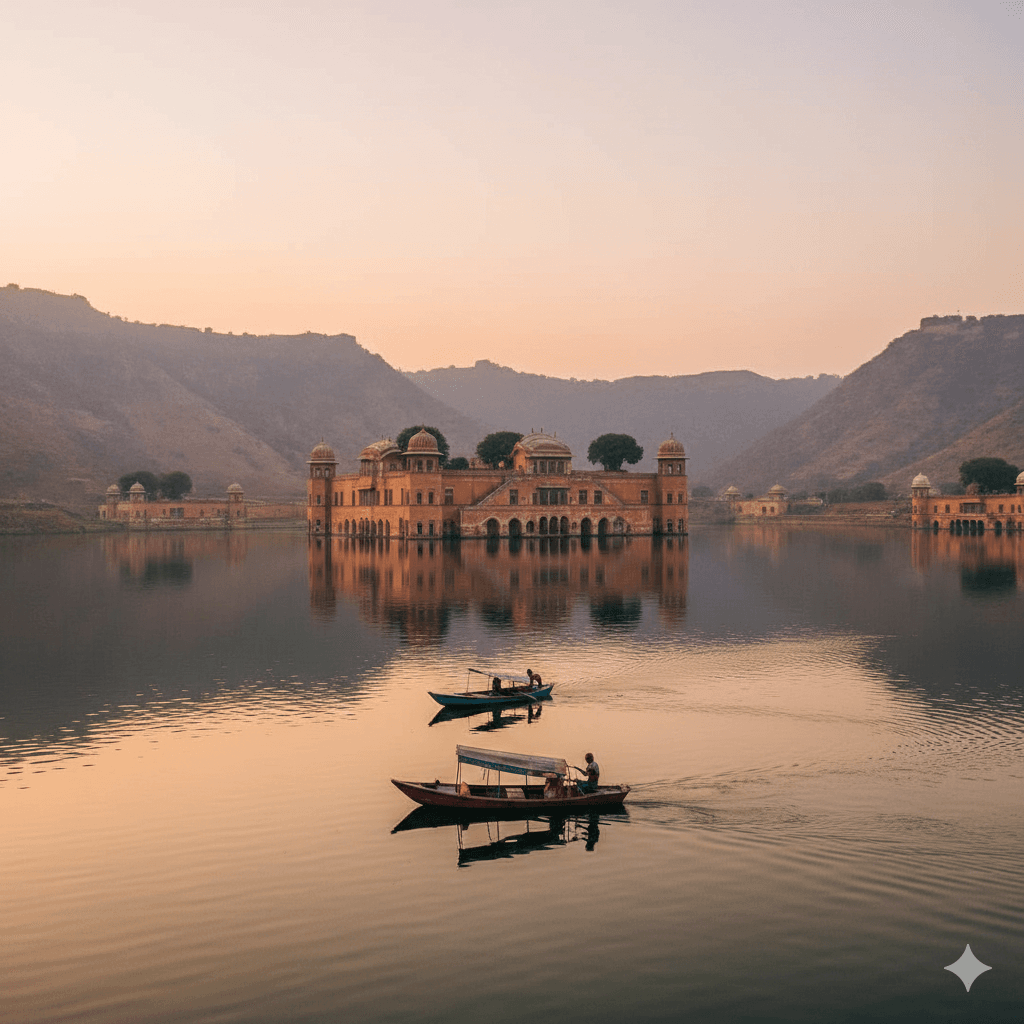
Historical Asset Audit: High Yield, Low Cost
| Monument | Location | Strategic Tip (The “Inside Track”) | Entry Fee ROI |
| Jal Mahal | Jaipur | External View Only: The best photos are free from the promenade. | 10/10 (Free) |
| Jaisalmer Fort | Jaisalmer | The Living Asset: It’s a public city; no ticket needed to enter the main lanes. | 10/10 (Free) |
| Chittorgarh Fort | Chittorgarh | The Valor Giant: Massive scale; focus on the Vijay Stambh (Victory Tower). | 8/10 (Budget) |
| Adhai Din ka Jhonpra | Ajmer | Indo-Islamic Marvel: A stunning ancient mosque with zero entry fee. | 10/10 (Free) |
Going “Off-Balance Sheet” with Rajasthan’s History
- The Living Fort (Jaisalmer): Most forts are static museums. Jaisalmer Fort is an active “Special Economic Zone.” People live, shop, and cook here. You can walk through the golden sandstone gates without spending a rupee. It’s history in real-time.
- Jal Mahal (Jaipur): You can’t actually enter this water palace, which is great for your budget! The promenade along Man Sagar Lake offers a stunning view of the 18th-century architecture. After your morning walk here, you’ll be perfectly positioned to find the best thali in Jaipur nearby in the Johari Bazaar area.
- Ahar Cenotaphs (Udaipur): While everyone crowds the City Palace, head to the Royal Cenotaphs at Ahar. These white marble umbrellas (chhatris) commemorate the Maharana’s of Mewar. It’s quiet, hauntingly beautiful, and perfect for the “Contrarian Traveler” who hates crowds.
- Galta Ji (The Monkey Temple): Nestled in a mountain pass near Jaipur, this ancient pilgrimage site features natural springs and stunning pavilions. It’s a “Free Entry” asset that delivers 10x the atmosphere of many paid city museums.
Some guides will tell you they have a “special key” to a secret room in the fort. In business terms, we call this a “Sunk Cost Trap.” Stick to the public ramparts; the view of the sunset is the same whether you paid a “VIP fee” or just walked up with a ₹20 bottle of water.
5. The 2026 Segment Matrix: Best Places in Rajasthan for Every Interest Group
In any business, “Segmenting your Audience” is the key to a high conversion rate. You wouldn’t sell a desert safari to someone who only wants to study 14th-century frescoes, right? As your strategist, I’ve broken down Rajasthan into four distinct “Investment Profiles.” Whether you’re a solo backpacker looking for the best thali in Jaipur or a photographer hunting for that perfect “Blue City” shot, this matrix ensures your time is spent on high-yield activities.
The goal here is simple: Maximum Personal ROI.
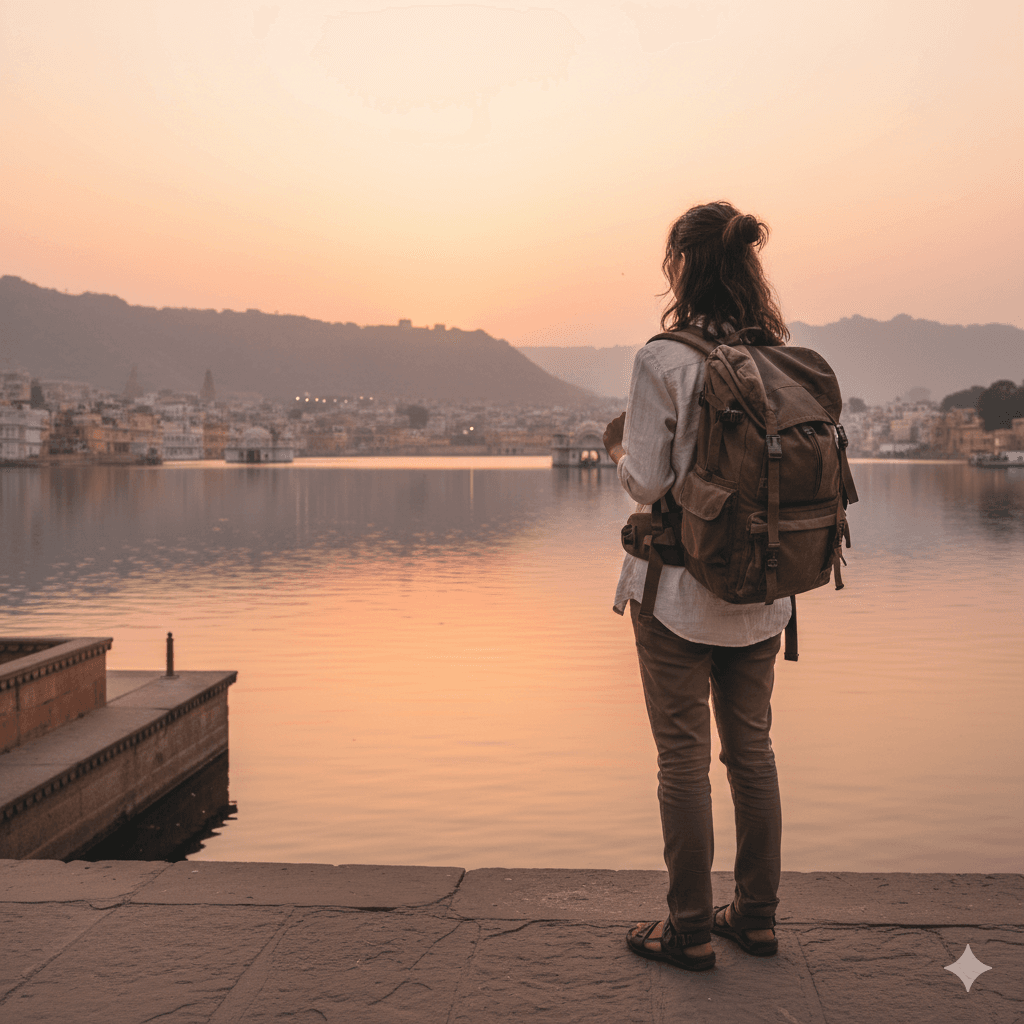
The 2026 Traveler Segment Matrix
| Interest Group | Primary Objective | Top “Asset” (Location) | Strategic Move |
| Solo Backpacker | Budget & Social ROI | Pushkar | Stay in a lakeside hostel; attend the evening Aarti. |
| The Photographer | Visual Capital | Shekhawati Region | Capture the “Open Air Art Gallery” frescoes. |
| The Adrenaline Junkie | High-Intensity Action | Jodhpur | Zip-lining over Mehrangarh Fort (Flying Fox). |
| The Wildlife Investor | Biodiversity Dividends | Jawai | Spot leopards roaming free in granite hills. |
Strategic Recommendations by Persona
- For the Solo Adventurer: Rajasthan is a “Low-Risk, High-Reward” zone for solo travelers. My top pick for 2026 is Udaipur. It’s compact, walkable, and the lakeside cafes are the perfect “co-working spaces” for modern nomads. After a day of exploring, you can easily find a high-value meal nearby. While searching for the best thali in Jaipur is a sport in itself, Udaipur’s local dining halls offer a similar budget-friendly vibe for solo diners.
- For the Culture Specialist: If you want to dive deep into the “Creative Economy” of Rajasthan, head to Bagru (near Jaipur). Here, you can participate in block-printing workshops. It’s a hands-on experience that gives you a tangible “Product” to take home.
- For the Spiritual Seeker: Ajmer and Pushkar are your primary assets. They offer a unique “Dual-Market” experience—the Sufi mysticism of the Dargah Sharif in Ajmer and the ancient Hindu traditions of the Brahma Temple in Pushkar. It’s the ultimate spiritual diversification.
- For the History “Deep Diver”: Skip the crowded palaces for a day and head to Kumbhalgarh. Its 36km wall is the second-longest in the world. It’s a massive “Fixed Asset” that most tourists overlook, providing you with a high-prestige, low-crowd experience.
If you belong to the “Foodie” interest group, your primary job is to find the best thali in Jaipur. Warning: This group has a high “Churn Rate”—mostly because after three unlimited thalis, you might not be able to walk to your next segment!
6. Nightlife & Adventure: The 2026 “No-Cost Adrenaline” Audit
In the corporate world, “Nightlife” often means overpriced galas and “Adventure” usually involves high-risk market speculation. But as your strategist, I’ve found that Rajasthan’s best “After-Hours Assets” and “Thrills” are often the ones with the lowest entry barriers. In 2026, you don’t need a massive capital outlay to experience a desert rave or a mountain-top adrenaline rush.
If you’ve optimized your day by securing the best thali in Jaipur, you now have the energy reserves (and the saved cash) to dominate the night and conquer the local terrain.
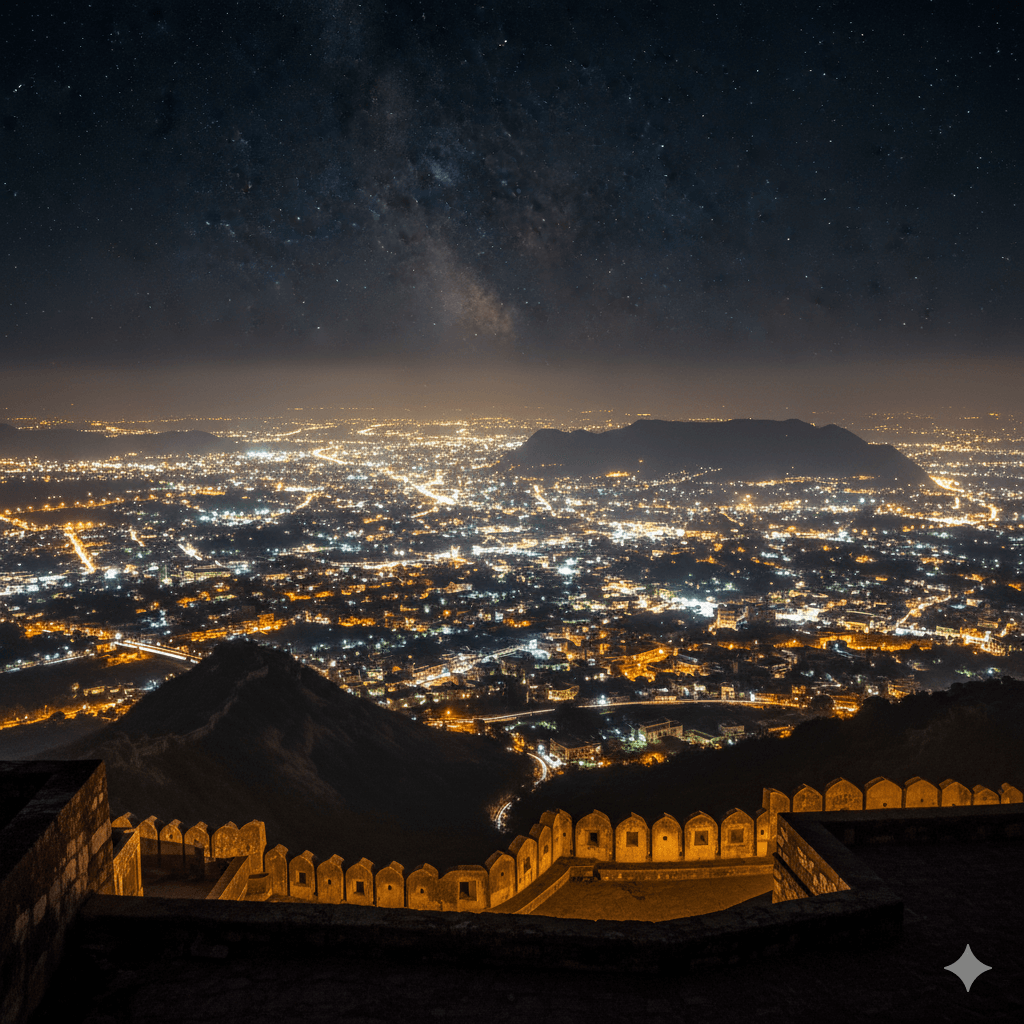
The 2026 “Adventure & After-Dark” Performance Sheet
| Activity Type | The “Low-Cost” Asset | Strategic Location | Cost (ROI) |
| Nightlife | Jal Mahal Night Bazaar | Jaipur (Waterfront) | ₹50 (Includes Food Coupon) |
| Adventure | Nahargarh Fort Trek | Jaipur (Aravalli Hills) | ₹0 (High Cardio Yield) |
| Spiritual/Vibe | Pushkar Lake Aarti | Pushkar Ghats | ₹0 (Cultural Dividend) |
| Extreme View | Pachetia Hill Sunset | Jodhpur (Old City) | ₹0 (Visual Capital) |
Strategic Night Operations: Maximizing the After-Hours
- The Jal Mahal Night Bazaar (Jaipur): This is a 2026 “Market Disruptor.” For a mere ₹50 entry, you get access to 150+ handicraft stalls and live Kalbelia dance performances. Plus, that entry fee includes a ₹30 food coupon. It’s the most cost-efficient way to experience the “Pink City Glow” without the premium price tag of a hotel bar.
- The “Greatest Literary Show on Earth” (JLF): If you are here in January, the Jaipur Literature Festival is a massive “Free Entry” asset. It’s the world’s largest free literary festival—think of it as a high-level networking event with Nobel laureates, followed by free musical performances at night.
- Udaipur Lakeside Strolls: Nightlife in Udaipur isn’t about clubs; it’s about “Atmospheric Management.” Walking around Ambrai Ghat or Fateh Sagar Lake after 8:00 PM is a zero-cost luxury. The reflection of the City Palace on the water is a visual asset that billionaires pay thousands to see from their suites—you get it for free.
Adventure Activities: High-Adrenaline, Low-Expense
- The Nahargarh “Investor’s Hike”: While the lazy tourists pay for a cab, the strategic traveler takes the winding step-path from the foot of the hill near the Old City. It’s a 20-minute steep climb that offers a 10x better view than any paid rooftop. It’s the perfect way to burn off the calories from the best thali in Jaipur you had for lunch.
- Leopard Sightseeing on a Budget: While organized safaris in Jawai can be pricey, a simple evening drive near the Jhalana Leopard Safari Park perimeter in Jaipur can often result in a sighting for the cost of a basic rickshaw ride.
- Stargazing in Khuri: Jaisalmer’s Sam Dunes are the “Overvalued Stocks” of the desert. For 2026, I recommend a tactical pivot to Khuri. It’s quieter, more authentic, and the “Stargazing Adventure” costs absolutely nothing but a blanket and a quiet spot on the dunes.
If you’re looking for “Adventure” in a Rajasthani night market, try bargaining for a leather bag after two cups of strong chai. It’s a high-stakes negotiation that requires the nerves of a Wall Street trader and the patience of a saint.
7. Beyond the Pink City: The 2026 Strategic Day Trip Pivot
In business, a “Pivot” is a shift in strategy to explore untapped markets. In Rajasthan, the city centers are your “HQ,” but the real “growth opportunities” lie in the satellite towns. If you’ve spent the morning securing the best thali in Jaipur, you now have the literal and metaphorical fuel to venture into the rugged outskirts.
The 2026 travel landscape rewards those who go “Off-Grid.” These day trips are your high-value assets—offering lower crowds, zero entry fees in many cases, and a 10x increase in “Authenticity ROI.”
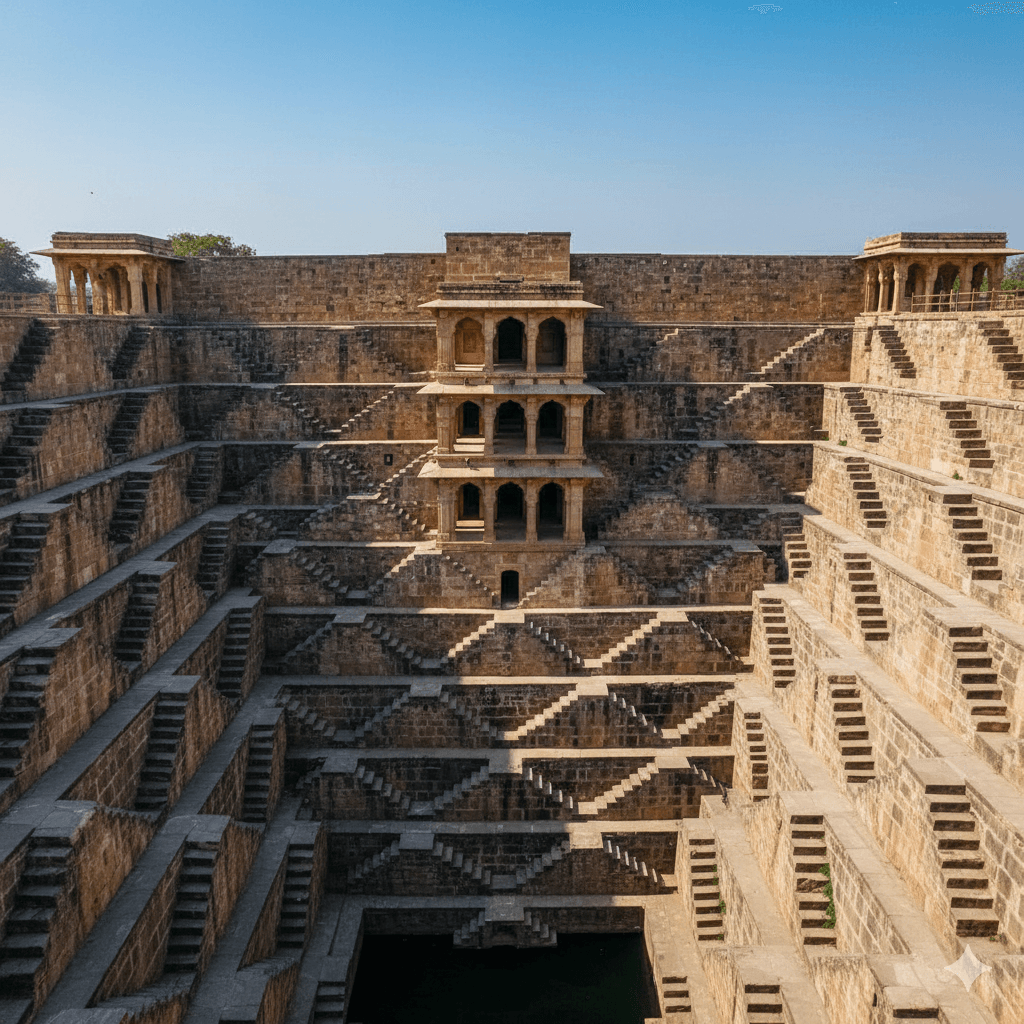
The 2026 Satellite Asset Audit
| Destination | Distance from HQ | Strategic Value | Entry Cost |
| Sambhar Salt Lake | 80 km (West) | India’s largest salt lake (The “White Desert”). | ₹0 |
| Abhaneri (Chand Baori) | 90 km (East) | A geometric architectural marvel (1,200 years old). | ₹25 (Approx) |
| Bhangarh Fort | 85 km (North) | The “Haunted Asset”—hauntingly beautiful ruins. | ₹0 – ₹40 |
| Bagru Village | 30 km (South) | Deep dive into the “Creative Economy” (Textiles). | ₹0 (Walkable) |
Strategic Deployment: Where to Pivot Your Time
- Sambhar Lake (The White Wonder): If you want to experience an otherworldly landscape without the 10-hour drive to the Rann of Kutch, Sambhar is your “Market Alternative.” In 2026, the Sambhar Lake Festival has become a major event, but even on a quiet Tuesday, the shimmering white salt flats are a photographer’s dream.
- Abhaneri Stepwell (The Geometry of Water): Most travelers miss this on their way to Agra. Big mistake. Chand Baori is a 13-story deep “Fixed Asset” with 3,500 perfectly symmetrical steps. It’s an engineering masterclass that predates most of Europe’s cathedrals.
- Bhangarh Fort (The Risk Management Test): Known as India’s most haunted location, this is a beautiful 17th-century town in ruins. Strategically, it’s best visited in the afternoon. Just ensure your “Exit Strategy” is executed before sunset—the local authorities (and perhaps the ghosts) strictly enforce a “No Entry After Dark” policy.
- Bagru Village (The Artisan Audit): Just 30km from Jaipur, this is where the world-famous block-printed fabrics are born. You can watch the “Production Line” in real-time as artisans use natural dyes to create intricate patterns. It’s a great place to buy directly from the “Manufacturer,” cutting out the middleman and saving your capital for the best thali in Jaipur back in the city.
Visiting Bhangarh Fort is the only time I’ll recommend a “Rapid Liquidation Strategy.” If you feel a cold shiver or hear a whisper when no one is around, it’s not a market signal—it’s your cue to find the nearest exit!
8. Comprehensive Master List: The 2026 “Executive Selection” of Budget Eateries
In the world of strategic investments, a “Master List” is your cheat sheet for quick decision-making. As your business strategist, I’ve audited the 2026 culinary landscape to bring you the top 10 eateries where the “Flavor-to-Cost” ratio is at an all-time high.
If you are hunting for the best thali in Jaipur or a legendary meal in Udaipur, this list is your diversified portfolio. These spots have high “Inventory Turnover” (lots of happy customers), meaning the food is fresh, the service is fast, and your wallet remains thick.
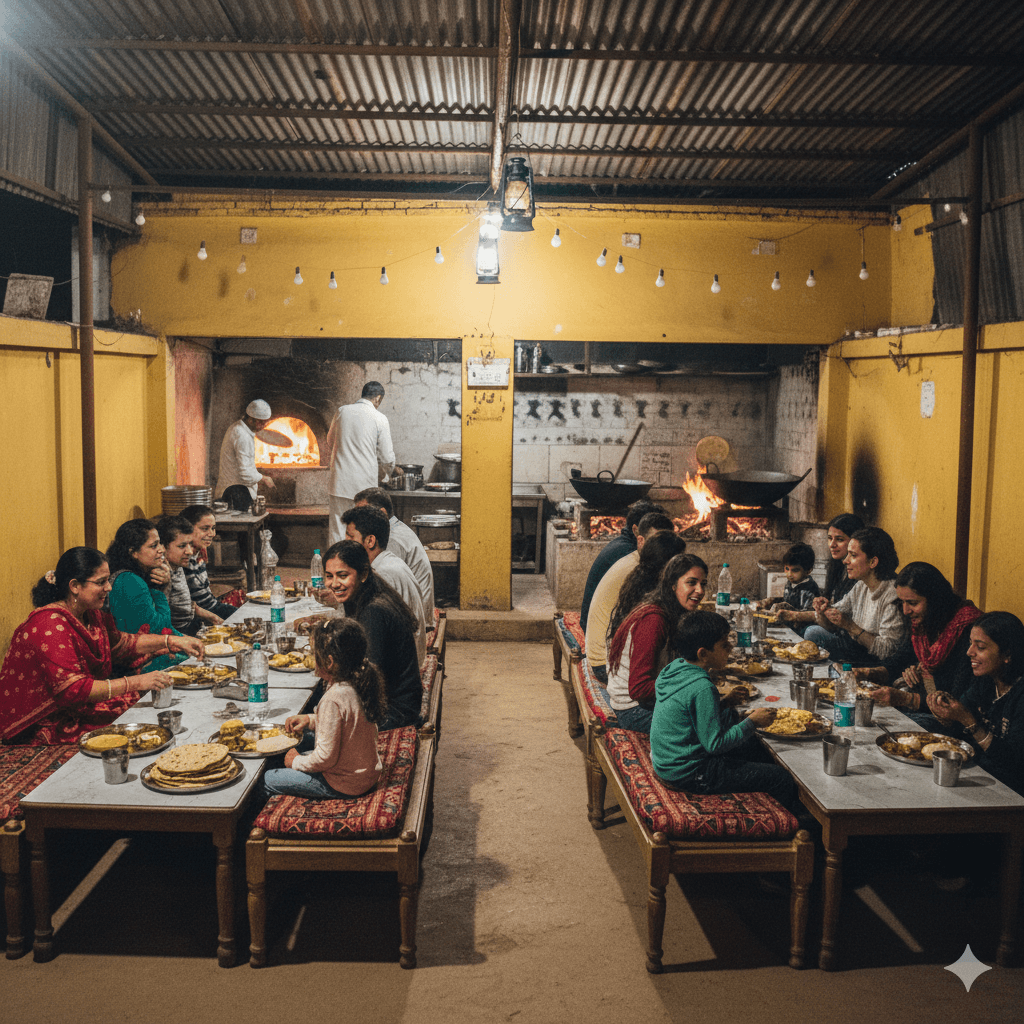
The 2026 “Top 10” Budget Dividend Report
| Rank | The “Asset” (Eatery) | Location | Strategic Buy (Signature Dish) | Cost for One |
| 1 | Mahaveer Rabri Bhandar | Jaipur | Aloo Pyaaz Paneer + Bejad Roti | ₹140 – ₹190 |
| 2 | Natraj Dining Hall | Udaipur | The “Unlimited” Gujarati-Mewari Fusion | ₹230 |
| 3 | Santosh Bhojnalaya | Jaipur | Traditional Dal Baati Thali | ₹150 |
| 4 | Khandelwal Dhaba | Jaipur | The “Maharaja” Special Veg Thali | ₹180 |
| 5 | Thali House | Jaipur | Pocket-Friendly Office Thali | ₹120 |
| 6 | Kailash Restaurant | Udaipur | Home-style Unlimited Meals | ₹130 |
| 7 | Padmini Restaurant | Udaipur | Generous Portions, Modern Vibe | ₹160 |
| 8 | Shree Ramdev Dhaba | Jodhpur | Authentic Marwari Spiced Sabzi | ₹140 |
| 9 | Badi Dhani | Jaipur | Authentic Village-Style Dining | ₹190 |
| 10 | Rawat Mishtan Bhandar | Jaipur | The “Market Leader” Pyaaz Kachori | ₹50 (Snack) |
The Insider’s “Dhaba Audit”
- Mahaveer Rabri Bhandar (The Jaipur Giant): This isn’t just a meal; it’s a financial masterstroke. For under ₹200, you get the best thali in Jaipur if your goal is pure, unadulterated spice and heritage. Their Bejad Roti (multigrain) is the heavy hitter here—it’s the “Gold Standard” of Rajasthani breads.
- Santosh Bhojnalaya (The Commuter’s Secret): Strategically located near the Sindhi Camp Bus Stand, this place serves an “unbelievable price” thali. It includes 5 rotis, rice, kadhi, and the star of the show: Baati with Churma. It’s high-volume, high-speed, and high-satisfaction.
- Natraj Dining Hall (Udaipur’s Cash Cow): While it sits slightly above our ₹200 threshold in 2026, the ROI is undeniable. It’s the “Apple” of thalis—premium quality, incredibly efficient distribution (the waiters move like they’re on a 5G network), and a loyal following that guarantees freshness.
- Thali House (The Budget Benchmark): If you are on MI Road and need a quick “System Recharge,” this is your spot. It’s simple, hygienic, and specifically designed for the budget traveler who wants the best thali in Jaipur without the fancy frills.
When you eat at Rawat, don’t be surprised by the crowd. It’s the closest thing India has to a stock market floor at opening bell. Everyone is shouting for Kachoris, and the “Trading Volume” is through the roof. Just grab your kachori, find a corner, and enjoy your “Dividends.”
9. Strategic Consumption: Your Guide to Shopping and Street Food ROI
In business, “Strategic Consumption” is about knowing when to save and when to splurge. In Rajasthan, the markets are your trading floor. If you’ve been following my lead and fueling up with the best thali in Jaipur, you’ve already mastered the art of low-cost, high-yield dining. Now, it’s time to apply that same logic to your shopping bag and street food snacks.
Think of Rajasthan as a massive open-air “Special Economic Zone.” You can buy directly from the artisans (the manufacturers) and eat from street vendors whose “Operating Expenses” are low, but whose “Product Quality” is world-class.
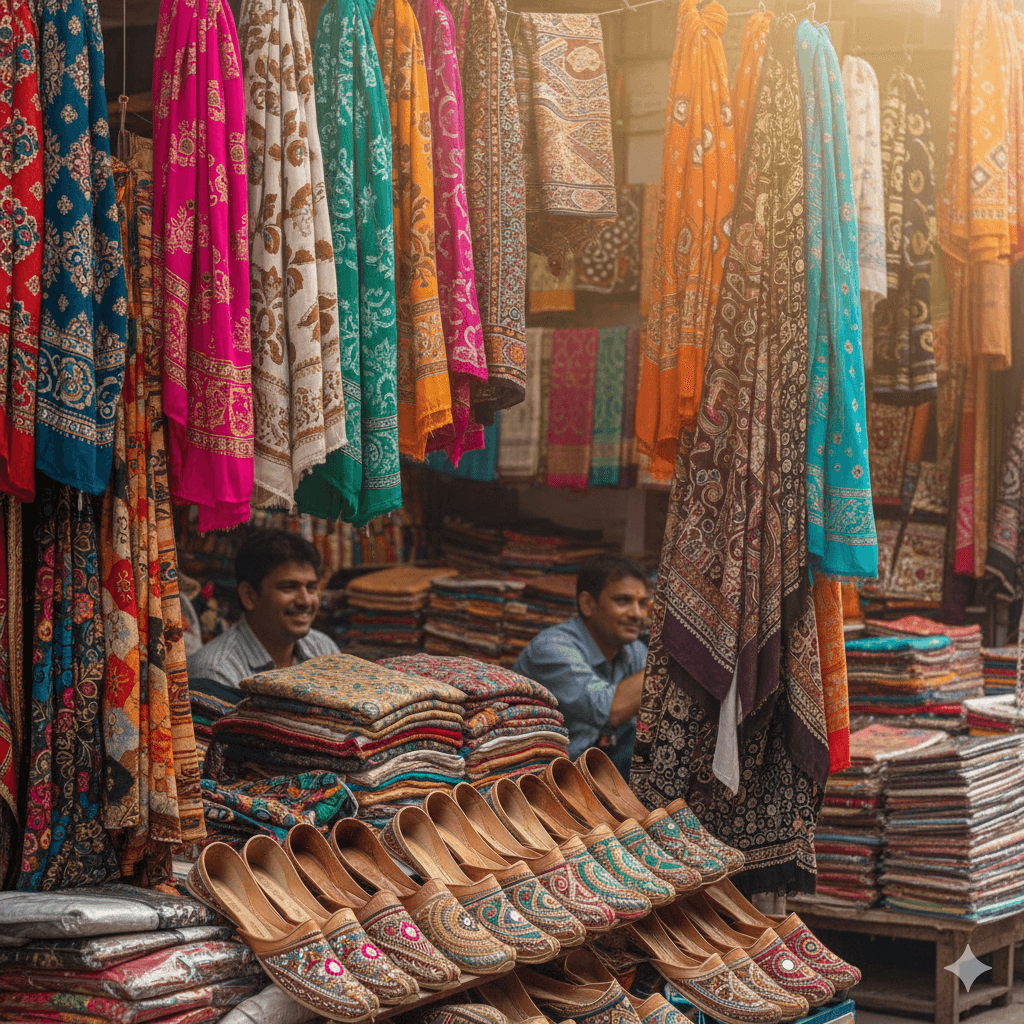
The 2026 Bazaar “Asset Valuation” Table
| Item Category | Best “Market” (Location) | Strategic Value | Target Price (Bargain Goal) |
| Footwear | Nehru Bazar, Jaipur | Colorful, durable Mojaris. | ₹400 – ₹800 |
| Textiles | Nai Sarak, Jodhpur | Authentic Bandhani & Tie-Dye. | ₹600 – ₹1,500 |
| Home Decor | Hathi Pol, Udaipur | Miniature Paintings & Woodwork. | ₹500 – ₹2,500 |
| Jewelry | Johari Bazaar, Jaipur | Silver & Kundan “Meenakari.” | ₹300+ (Artificial/Silver) |
The “Quick-Liquidity” Snacks: Must-Try Street Food
You can’t live on thalis alone (though I’ve tried). To keep your “Energy Dividends” high between sights, you need to tap into the street food sector.
- Pyaaz Kachori (The Market Leader): If the best thali in Jaipur is your main course, the Pyaaz Kachori from Rawat Mishtan Bhandar is your essential snack. It’s flaky, spicy, and large enough to be a mini-meal.
- Mirchi Vada (The Spicy Hedge): Especially in Jodhpur, these potato-stuffed fried chilies are a staple. They provide an instant “Bull Market” rush to your taste buds.
- Ghevar (The Sweet Dividend): This honeycomb-shaped dessert is a seasonal asset, usually peaking during festivals like Teej, but available year-round in Jaipur’s old city. It’s the perfect “Exit Strategy” after a long day of walking.
- Mawa Kachori: A sweet take on the classic kachori, stuffed with rich milk solids (khoya) and nuts. It’s a “Premium Asset” for your sweet tooth.
Strategic Shopping: Avoiding the “Tourist Premium”
- Bargaining is your “Negotiation Phase”: Never accept the first price in a bazaar. Start at 40% of the quoted price and settle around 60%. It’s a standard business practice here.
- Buy at the Source: Want blue pottery? Buy it in Jaipur. Want leather bags? Go to Bikaner or Jodhpur. Buying at the “Production Hub” slashes your acquisition costs.
- The “Lassi Audit”: Before you shop, grab a thick, malai-topped Lassi from Lassiwala on MI Road. It’s a cooling “Buffer” against the Rajasthan heat and keeps your decision-making sharp while you haggle.
Buying a “hand-painted” miniature for ₹100 is like buying a “genuine” Rolex on a street corner. In 2026, if the price seems too good to be true, you’re likely buying a “Digital Print” asset disguised as “Handmade Equity.” Check for brush strokes, people!
10. The 2026 “Lean Travel” Itinerary: Maximizing Your Rajasthan ROI in 7 Days
In the corporate world, an “Efficient Workflow” saves you time and money. In Rajasthan, a “Lean Itinerary” does the same. For 2026, the strategic play is to use the newly expanded Vande Bharat Express network to cut down on travel time, allowing you to reallocate those “hours saved” into exploring more heritage assets.
If you’ve optimized your nutrition with the best thali in Jaipur, you have the stamina to execute this high-performance 7-day loop. We’re going to focus on the “Golden Triangle 2.0″—Jaipur, Jodhpur, and Udaipur—ensuring you get maximum cultural dividends with minimal logistical friction.
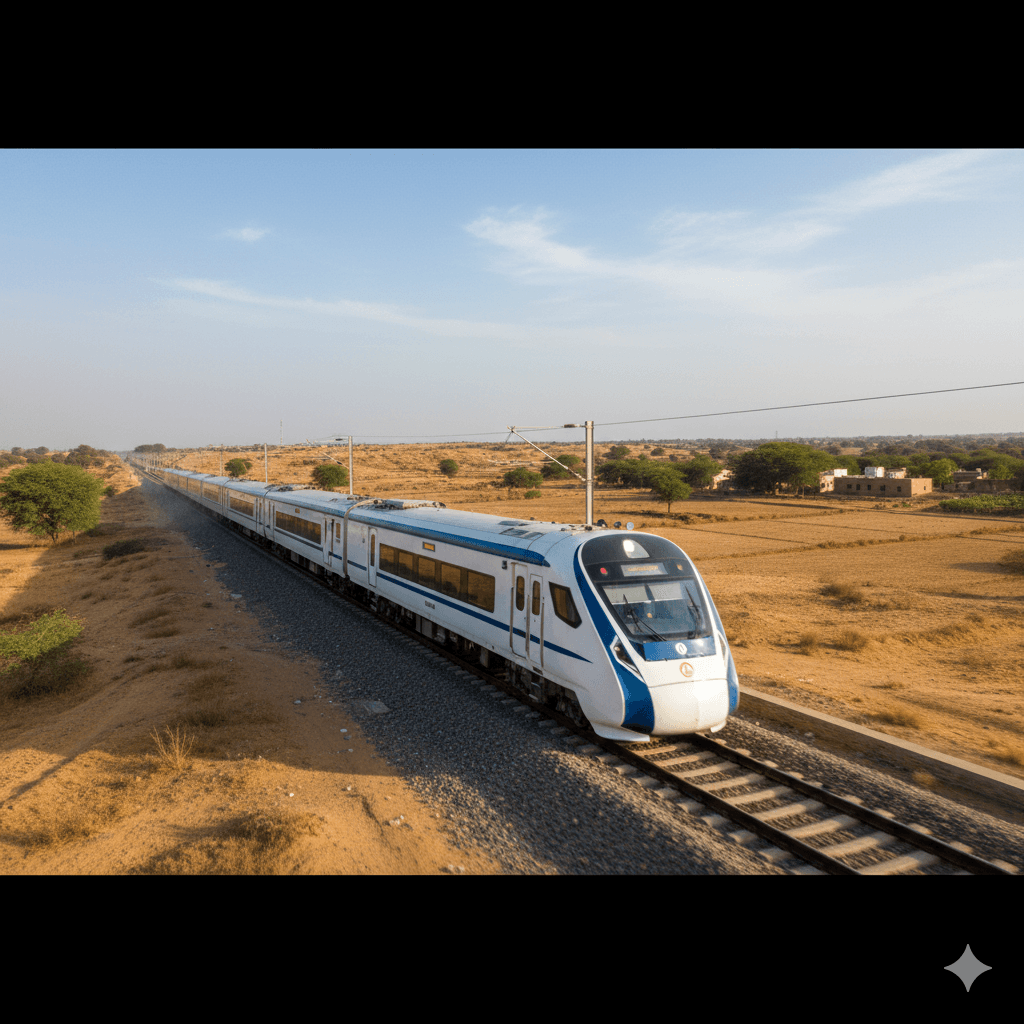
The 7-Day “Operational Workflow”
- Day 1 & 2: The Jaipur Launch: Start at the Pink City. Your goal here is “Market Research.” Spend your mornings at the forts and your afternoons in the bazaars. To maintain your energy levels, track down the best thali in Jaipur near the bus stand or Johari Bazaar—look for the high-turnover spots where the locals eat. It’s the best way to ensure your “Internal Engine” is running on high-quality fuel.
- Day 3 & 4: The Blue City Pivot: Jump on the Vande Bharat. It’s faster than a private car and cheaper than a flight. Once in Jodhpur, head straight to Pachetia Hill. It’s a free visual asset that provides a 360-degree view of the indigo rooftops.
- Day 5 & 6: The Udaipur Consolidation: Udaipur is where you consolidate your experiences. It’s more relaxed. Take a boat ride on Lake Pichola—consider it a “Shareholder Meeting” with the sunset. The cost is low, but the emotional ROI is off the charts.
- Day 7: The Final Exit: Before you head to the airport or railway station, do one last “Inventory Check” at the markets. Buy some local spices or a small handicraft; they are the “Long-Term Assets” that will remind you of this trip for years.
In 2026, the Vande Bharat is so fast you might actually miss the scenery if you blink during a PowerPoint presentation. Keep your laptop closed—the Aravalli Hills are a far better “Visual Display” than any Excel sheet!
11. 2026 Events & Festivals: Maximizing Your Cultural ROI
In the world of business, “Market Timing” is everything. In Rajasthan, timing your trip around a festival is like buying a stock just before a massive dividend payout. You get 10x the atmosphere, 5x the color, and a front-row seat to the state’s “Cultural Capital” without paying a premium for the experience (if you plan ahead).
If you’ve already secured the best thali in Jaipur, you have the nutritional “working capital” to survive the crowds and dance through the streets. For 2026, the calendar is packed with high-value events that offer an incredible Return on Experience.
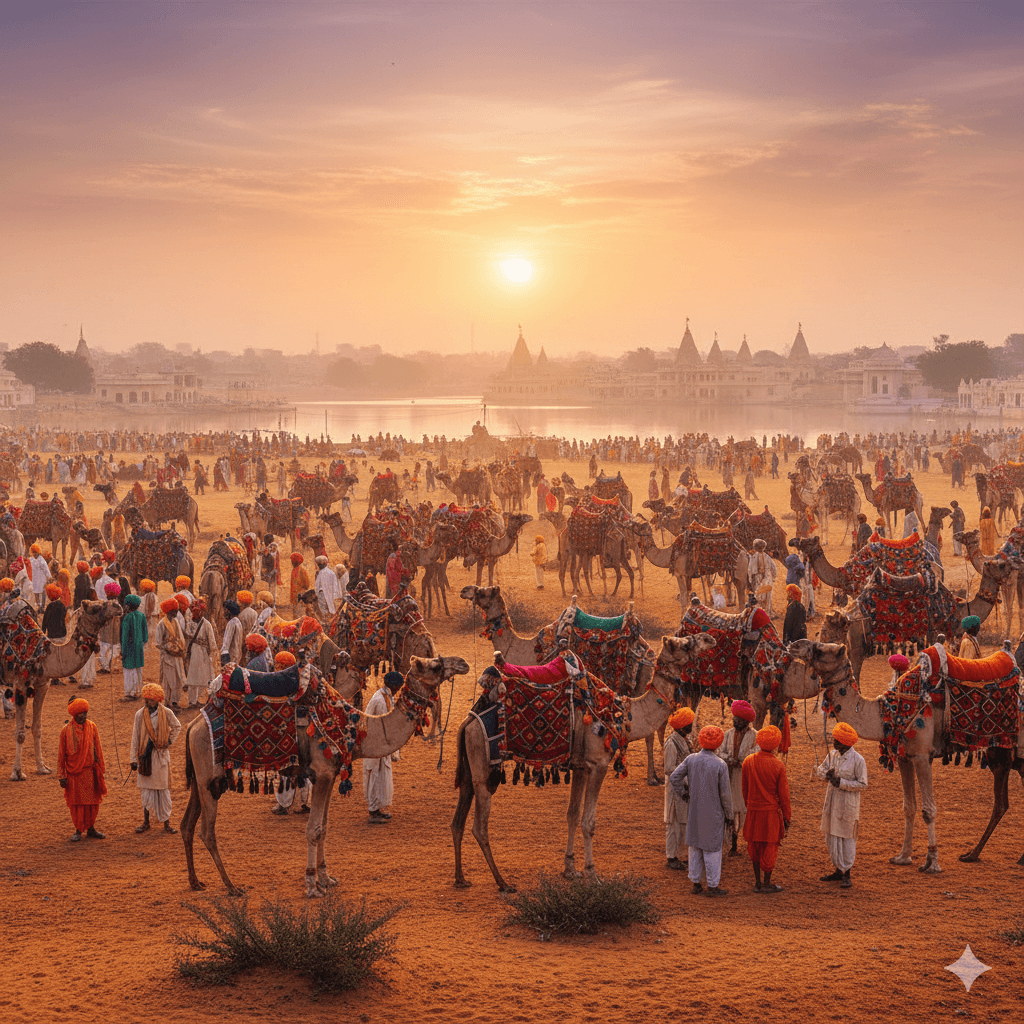
Strategic Playbook for 2026 Festivals
- Jaipur Literature Festival (The Intellectual Merger): This is a 2026 must-do. It’s where Nobel laureates and local poets meet in a massive “Knowledge Exchange.” Best part? General entry is free with pre-registration. After a morning of high-level debates, you’ll definitely need to hunt down the best thali in Jaipur to recharge your brain.
- Desert Festival (The Jaisalmer Pivot): Forget Sam Dunes for a second and head to the Jaisalmer Fort during these dates. The whole city becomes a stage. From turban-tying competitions to the “Mr. Desert” contest, it’s a high-intensity immersion into the Thar’s soul.
- Mewar Festival (The Spring Dividends): In 2026, Udaipur’s spring festival is the ultimate “Aesthetic Asset.” Watch the ladies carry beautifully decorated idols of Gangaur to the lake. It’s a masterclass in traditional “Brand Identity” and spiritual devotion.
- The Pushkar Camel Fair (The Ultimate Marketplace): This isn’t just a fair; it’s a massive “Logistics Hub.” Thousands of camels, horses, and cattle are traded here. For the traveler, it’s a sensory overload of Ferris wheels, folk music, and some of the best street-side “Value Meals” in the state.
Attending the Pushkar Fair without a plan is like entering a trading floor without a terminal. You’ll be dazzled by the “Camel IPOs” (Initial Public Offerings) and might end up accidentally buying a dromedary because you were mesmerized by its “Decorated Equity” (colorful pom-poms).
12. Advice for Readers: The “Strategist’s Survival Tips”
In the boardroom, we call it Risk Management. In the dusty, vibrant streets of Rajasthan, we call it Common Sense. To ensure your 2026 expedition has a high “Success Quotient,” you need to navigate more than just maps—you need to navigate the local “market psychology.”
If you’ve already located the best thali in Jaipur, you’ve mastered the primary objective. Now, let’s look at the secondary protocols to keep your “Travel Health” in the green and your “Operational Costs” in the black.
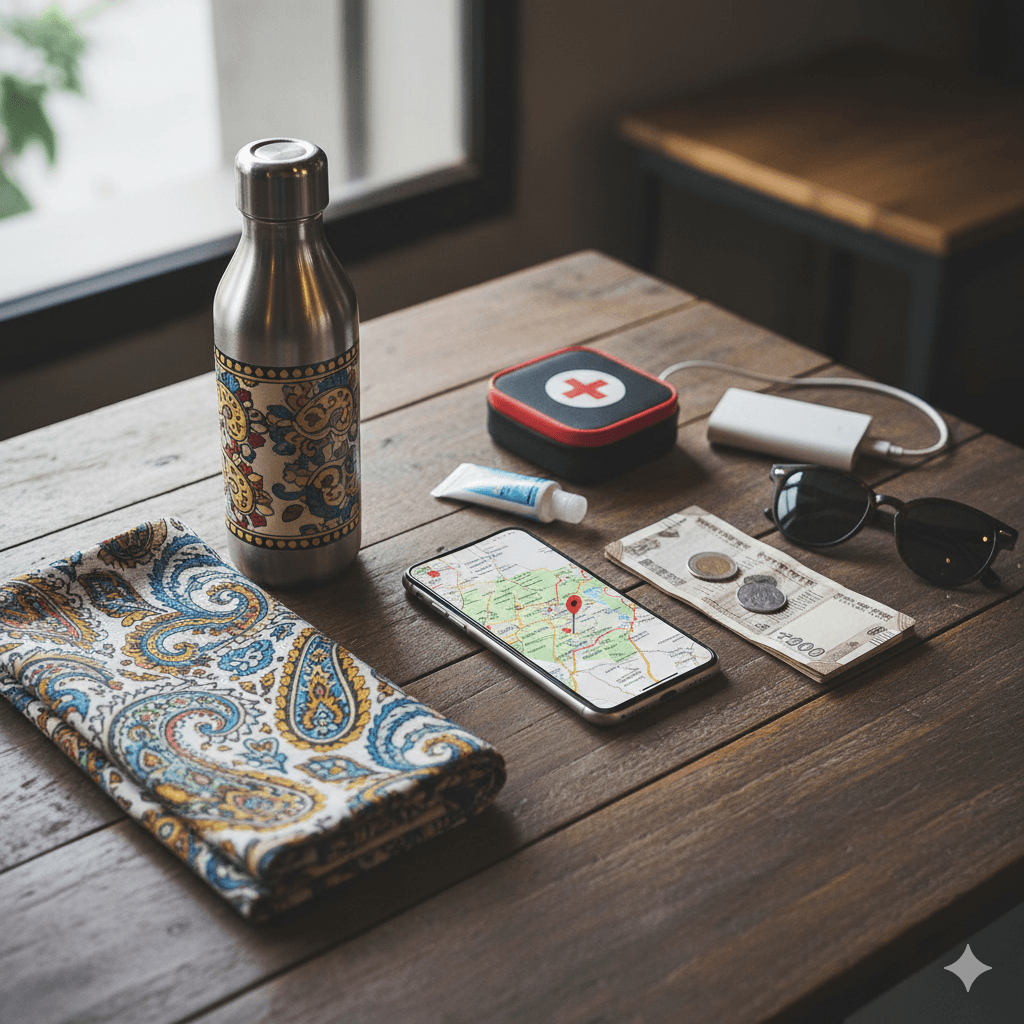
Expert Directives: Navigating the 2026 Landscape
- The “Freshness Audit”: When hunting for the best thali in Jaipur, always choose the place where the floor is crowded and the turnover is high. In business, high inventory turnover means fresh product. At a dhaba, it means the Dal was likely made an hour ago, not yesterday.
- The “Vande Bharat” Hedge: For intercity travel in 2026, don’t risk the “Time Leak” of long bus rides. The Vande Bharat Express is your “Express Lane.” Book early—think of it as an Early Stage Investment that pays back in hours of extra sightseeing.
- Bargaining Protocol: Never accept the first “Quote.” In Rajasthan’s bazaars, the first price is a “Market Proposal,” not a final contract. Aim for 50-60% of the opening bid. If they don’t budge, walk away; 90% of the time, the “Vendor Pivot” will happen, and they’ll call you back with a better offer.
- Dress for the Dividend: February 2026 brings warm days and crisp nights. Layers are your “Diversified Portfolio.” A light cotton shirt for the day and a pashmina or jacket for the evening ensures you are ready for any “Climatic Volatility.”
If a local guide tells you a monument is “closed for a private royal wedding” and offers to take you to a “government emporium” instead, he isn’t providing a “Strategic Alternative.” He’s executing a “Redirect Scam.” Trust your Google Maps—it doesn’t care about commission-based shopping!
13. Trip Essentials: The 2026 Operational Field Kit
Every seasoned business strategist knows that your “Equipment Portfolio” can make or break a launch. In Rajasthan, your “launch” is a trek through 16th-century forts and 21st-century bazaars. If you’ve already secured the best thali in Jaipur, you’ve got the fuel; now you need the gear to ensure your “Operational Efficiency” stays at peak performance.
For 2026, the travel landscape has shifted towards “Smart & Sustainable.” We are looking for low-weight, high-utility assets that save you money and headaches.
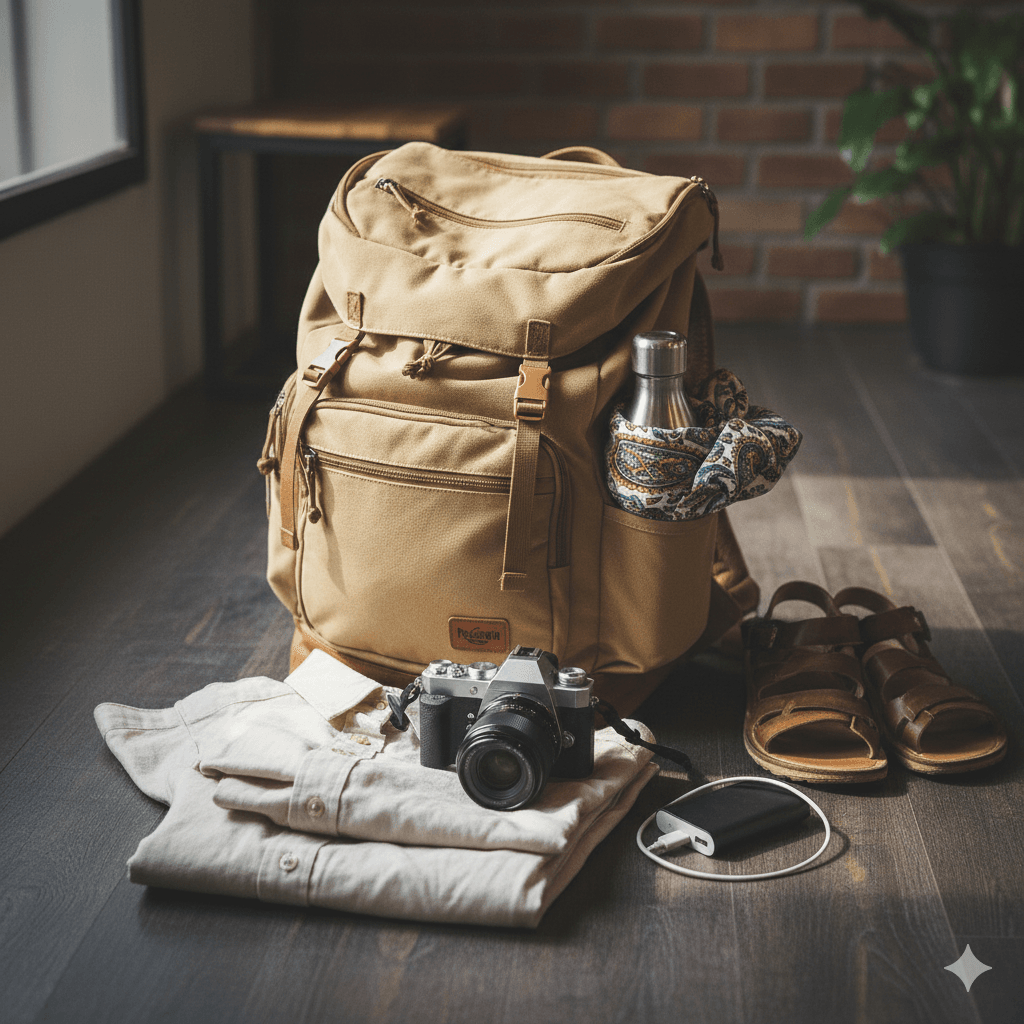
Building Your “Travel Stack”: Pro Tips
- Digital Infrastructure: In 2026, cash is still king in small bazaars, but UPI (Unified Payments Interface) is the “Market Standard” almost everywhere else. Download apps like PhonePe or GPay, but keep a “Cash Buffer” for those hidden gems where you might find the best thali in Jaipur for under ₹150.
- Footwear Optimization: You need a “Dual-Purpose” shoe. Something with the durability of a hiking boot for the rugged forts, but the breathability of a sneaker for the desert heat. Leave the “Formal Assets” (dress shoes) at home—they are a “Sunk Cost” that just takes up luggage space.
- The “Temple Protocol” Kit: Always keep a pair of socks in your daypack. Many temples require you to remove your shoes, and the marble floors in 2026 can go from “Ice Cold” in the morning to “Surface of the Sun” by noon.
- Sustainable Sourcing: Don’t pack a heavy coat. Instead, do a “Local Procurement” in Jaipur or Jodhpur—buy a local quilt or a pashmina. It’s cheaper, authentic, and supports the local “Artisan Economy.”
The “Pocket-Size” Survival Items
- Hand Sanitizer & Wet Wipes: Street food is a high-reward venture, but the “Operating Environment” isn’t always sterile. A quick sanitize before a meal is a cheap way to avoid “Delhi Belly” downtime.
- Offline Maps: While 5G is widespread, the narrow stone lanes of the “Blue City” or the Jaisalmer Fort can be “Dead Zones.” Download offline versions of Google Maps or Maps.me to ensure your “Navigation Strategy” never fails.
Packing an umbrella in the desert might seem like a “Hedge against a Low-Probability Event,” but it actually doubles as a “Portable Shade Structure.” In 100°F (38°C) heat, you’ll look like a genius while everyone else is paying a “Heat Tax” in sweat!
14. Important Information & FAQ Section: Your 2026 Strategic Briefing
As your business strategist, I know that even the best-laid plans can face “unforeseen market volatility.” This section is your Risk Mitigation Layer. Whether you’re a first-time investor in Rajasthan’s culture or a seasoned traveler looking for the best thali in Jaipur, these are the most frequently asked questions I receive.
Think of this as your “Technical Support” desk—designed to keep your journey running smoothly, your stomach stable, and your budget intact.
Strategic Deep Dive: Frequently Asked Questions
- “How do I actually find the best thali in Jaipur without getting scammed?”
- The Audit: Look for the crowd. If you see locals in line, that’s your “Buy Signal.” Avoid any restaurant that a rickshaw driver insists is “the only one open.” Trust your own research (like this guide!) to find the best thali in Jaipur for under ₹200.
- “Is Rajasthani street food safe in 2026?”
- The Assessment: High-turnover street food is usually safer than a slow-moving hotel buffet. Look for vendors who fry their kachoris in front of you. The “Heat Treatment” of a deep fryer is a great natural disinfectant.
- “What if a monument is ‘closed’ for a wedding?”
- The Red Flag: This is a classic “Redirect Scam.” Unless it’s a major public holiday, the forts don’t just close for private parties. Check the official government website or just walk to the gate yourself.
- “How do I handle the ‘Unlimited’ part of the Thali?”
- The Protocol: Pace yourself! The servers are trained for “Rapid Delivery.” If you don’t want a refill, place your hand over your bowl or plate. It’s the universal sign for “Portfolio Full.”
- “Is Rajasthan safe for solo female travelers in 2026?”
If someone approaches you in a bazaar claiming to be a “long-lost cousin” who knows a secret gem shop, remember: in business, we call this an “Unsolicited Pitch.” Unless you’re looking to lose your “Venture Capital” on a piece of colored glass, politely decline and keep moving toward your next kachori!
15. Conclusion: Your Royal Entry Strategy, Executed
We have audited the assets, optimized the logistics, and managed the risks. As your business strategist, my final “Executive Summary” is this: Rajasthan in 2026 is a market that rewards the bold, the curious, and the hungry. It is a land where a ₹150 investment in the best thali in Jaipur provides a higher emotional and physical ROI than a thousand-rupee steak in a sterile hotel.
By choosing to travel “Lean,” you aren’t just saving money; you are buying proximity to the real Rajasthan—the one that lives in the steam of a chai cup, the grit of a desert road, and the infinite refills of a brass thali.
The Strategist’s Final Advice
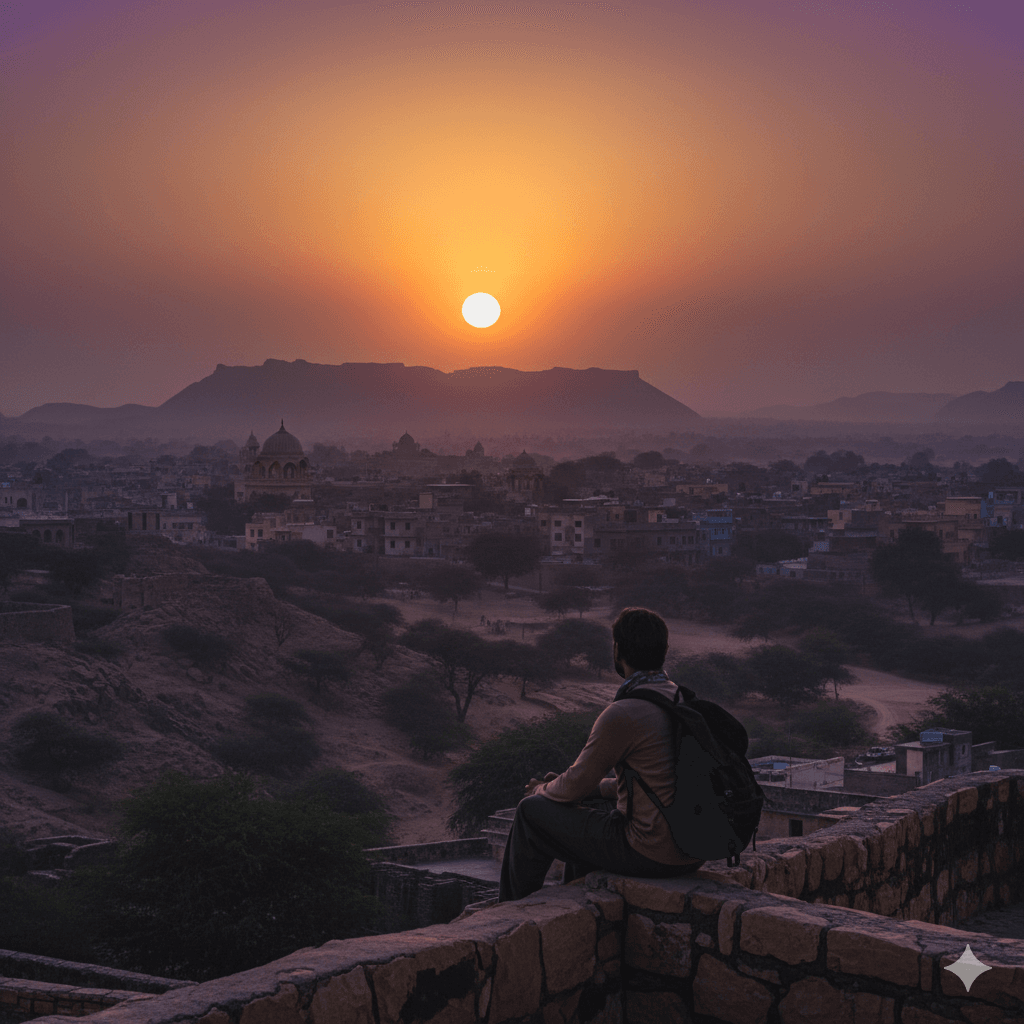
- Don’t Over-Schedule: In business, we leave “Buffer Room” for market shifts. In travel, leave buffer room for a long conversation with a shopkeeper or an extra hour watching the sunset at Lake Pichola. The best moments in Rajasthan are rarely on the itinerary.
- Trust Your Gut (Literally): You’ve seen the master list. You know where to find the best thali in Jaipur. Trust the high-turnover local joints. If the place is packed with people, it’s a “Buy” signal.
- Respect the Heritage: We are temporary “Stakeholders” in these ancient cities. Use the RO Water ATMs, support the local artisans directly, and leave the monuments exactly as you found them.
If you return home and your belt feels a little tighter, don’t look at it as a “Loss of Fitness.” Look at it as a “Consolidation of Assets.” You’ve successfully absorbed the flavors of a thousand-year-old culture. That’s a gain in anyone’s books!