
Jhalawar Rajasthan Travel Guide to Hidden “Wetland” Kingdom
1. Jhalawar Rajasthan Travel Guide Introduction
Most travelers carry a singular, rigid image of Rajasthan in their minds: a vast expanse of golden Thar desert, sun-bleached sandstone, and camels silhouetted against a dry horizon but for Jhalawar Rajasthan Travel Guide. While that version of the “Land of Kings” is iconic, it is only a partial truth. As a former professional travel agent, I spent years looking at the maps that tourists often ignore—and that is where I found Jhalawar.
Located in the southeastern corner of the state, in the heart of the Hadoti region, Jhalawar is the destination that defies every Rajasthan stereotype. Known affectionately as the “Cherrapunji of Rajasthan,” this district receives the highest rainfall in the state, transforming it into a lush, vibrant “Wetland Kingdom” during the monsoon. It is a place where perennial rivers like the Ahu and Kali Sindh replace the dry riverbeds of the west, and sprawling citrus orchards earned it the title of the “Nagpur of Rajasthan.”
From a professional standpoint
Jhalawar Rajasthan Travel Guide represents the “Correct Way” to travel in 2026. It offers the UNESCO-grade history of Gagron Fort, the 10th-century architectural precision of Jhalrapatan, and the ancient Buddhist mysteries of the Kolvi Caves—all without the overwhelming tourist footfall found in Jaipur or Udaipur.
In my agency days, Jhalawar was the “secret weapon” I would suggest to sophisticated travelers who wanted deep heritage without the “tourist trap” price tags. It is a town where the temple bells don’t just ring; they tell a story of a kingdom that flourished on the banks of rivers rather than the edges of sand dunes.
Whether you are a history buff looking for the Industry Truth behind Rajasthan’s water forts or a nature lover seeking the state’s greenest corner, this professional audit will guide you through Jhalawar Rajasthan Travel Guide the way only an insider can.
2. The Must-Visit “Top Sightseeing”
When planning a trip to the Hadoti region, your itinerary must be built around these three pillars of heritage. Each site offers a unique architectural “Information Gain” that justifies the journey.
I. Gagron Fort: The UNESCO Water Wonder
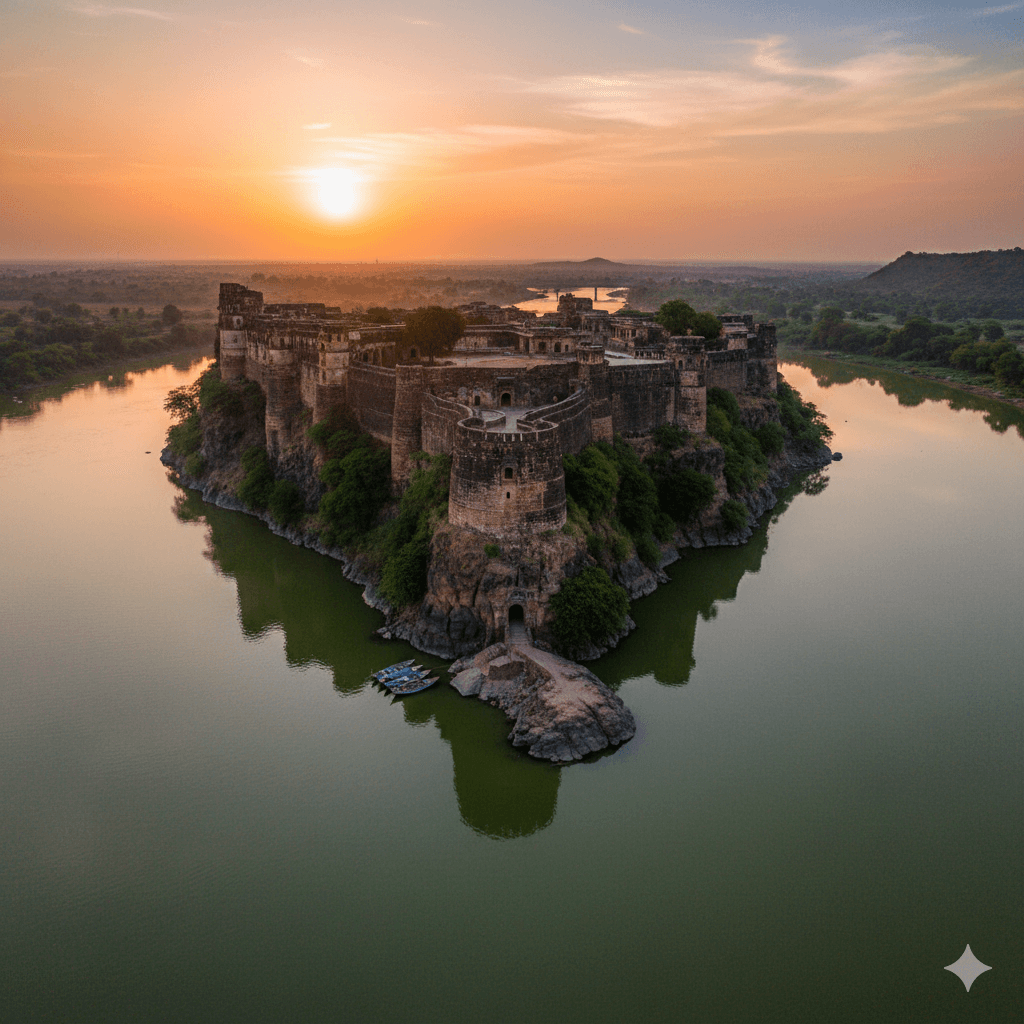
Gagron is not your typical Rajasthani hill fort. It is a Jal Durg (Water Fort), and as a former agent, I rank it as one of the most strategically brilliant structures in India. It is one of the few forts in the world that sits on a foundation of solid rock without a traditional deep foundation, surrounded on three sides by the Ahu and Kali Sindh rivers.
- The “Insider” Highlight: Look for the Mitusahah Dargah just outside the gates and the Zalim Singh’s Burj.
- Agent’s Pro-Tip: Most tourists stay inside the walls. For the best “Industry Standard” photograph, cross the bridge and look back at the fort during the “Golden Hour” (sunset). The reflection of the stone on the water is spectacular.
II. Jhalrapatan: The City of Bells
Just 7km from Jhalawar lies Jhalrapatan. In my agency days, I always told clients to “listen” before they “look.” The town is home to 108 ancient temples, and when the evening aarti begins, the synchronized ringing of bells is a sensory experience found nowhere else in Rajasthan.
| Feature | The Sun Temple (Padmanabh) | Chandrabhaga Temples |
| Age | 10th Century | 11th – 12th Century |
| Architectural Style | Shantipuri / Nagara | Early Medieval / Ruined Heritage |
| Key Highlight | 97-ft high carved Shikhara | Intricate carvings on the river bank |
| Agent’s Audit | Often compared to Konark’s Sun Temple. | Best visited during the Kartik Purnima Fair. |
III. Bhawani Natyashala: The Parsi Opera House
This is the “Hidden Gem” of Jhalawar Rajasthan Travel Guide. Built in 1921 by Maharaja Bhawani Singh, it is one of the very few theaters in the world built in the Parsi style with an underground stage and a system of pulleys that allowed horses and chariots to appear on stage.
- The “Correct” Information: While the exterior looks modest, the interior engineering was decades ahead of its time. It’s a must-visit for anyone interested in the history of global performing arts.
Quick Checklist: Top 5 Sights at a Glance
- Gagron Fort: Allot at least 2 hours for a full walkthrough.
- Sun Temple (Jhalrapatan): Best for morning photography (east-facing).
- Garh Palace Frescoes: Ensure you ask the guard to show you the Zenana Mahal rooms.
- Jhalawar Museum: Ideal for a mid-day visit to escape the sun.
- Gomti Sagar Lake: Perfect for a 15-minute peaceful stop at sunset.
3. Famous Historical & Archaeological Places
In the travel industry, we distinguish between “Tourist Attractions” and “Heritage Sites.” Jhalawar is home to the latter—places where the history isn’t just displayed; it is carved into the very bedrock of the Malwa plateau. As a former agent, I have audited these sites for historical integrity and traveler accessibility.
I. The Buddhist Caves of Kolvi (The “Ajanta of Rajasthan”)
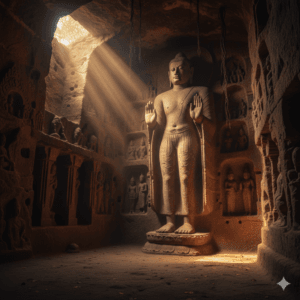
This is the crowning jewel of Jhalawar Rajasthan Travel Guide archaeological landscape. Located approximately 90 km from the main city, these 5th-century caves are a physical record of a time when Buddhism flourished in the heart of India.
- The Architecture of Devotion: Unlike the frescoes of Ajanta, Kolvi is famous for its monolithic rock-cut structures. The complex consists of nearly 50 caves carved into laterite rock, including stupas, chaityas (prayer halls), and viharas (monasteries).
- The “Industry Truth”: While many blogs call these “The Caves of Kolvi,” an expert knows they are part of a larger triangle that includes the Binayaga and Hathiagor caves. If you visit one without the others, your audit is incomplete.
- Colossal Statues: The site features a massive 12-foot standing Buddha statue in a meditative posture, which is a rare find in this part of India.
- The Logistics Audit: * Road Condition: The drive takes about 2 to 2.5 hours from Jhalawar.
- Accessibility: Expect a moderate climb. Wear sturdy footwear as the laterite rock can be slippery during the monsoon.
“Agent’s Secret”: “Travelers often forget that Jhalawar was a major stop on the ancient trade route connecting Malwa to Gujarat. This is why you see a mix of Buddhist, Jain, and Hindu architecture in such a small radius.”
II. Garh Palace: The Cradle of Hadoti Art
The City Palace of Jhalawar, known as Garh Palace, is an architectural marvel built between 1838 and 1854. While the exterior reflects the strength of Rajput masonry, the interior is a delicate gallery of the Hadoti School of Art.
- The Zenana Mahal (Women’s Palace): This is where you find the world-renowned frescoes. The paintings depict scenes from the Raslila, royal hunting expeditions, and the daily life of the Jhalawar court.
- The Technical Detail: The colors used in these frescoes are derived from natural minerals and vegetable dyes, which is why they remain vibrant nearly two centuries later.
- Professional Recommendation: Carry a small flashlight. Some of the most intricate ceiling work in the inner chambers is dimly lit to protect the pigments from light damage.
III. The Government Museum: A Curated History
Established in 1915, this is one of the oldest museums in Rajasthan. For a travel agent, this is the “Index” of the region’s history. It houses artifacts that were recovered from the ruins of Chandravati (an ancient city near Jhalrapatan).
| Category | Must-See Artifact | Historical Significance |
| Sculpture | Ardhanarishvara | A rare, 8th-century depiction of Shiva and Parvati. |
| Epigraphy | 7th-century Inscriptions | Proof of the early administrative systems of the region. |
| Natural History | Stuffed Wildlife | Highlights the flora and fauna of the Mukundra hills. |
| Art | Miniature Paintings | Fine examples of the Jhalawar sub-school of painting. |
IV. The Sun Temple (Padmanabh Temple)
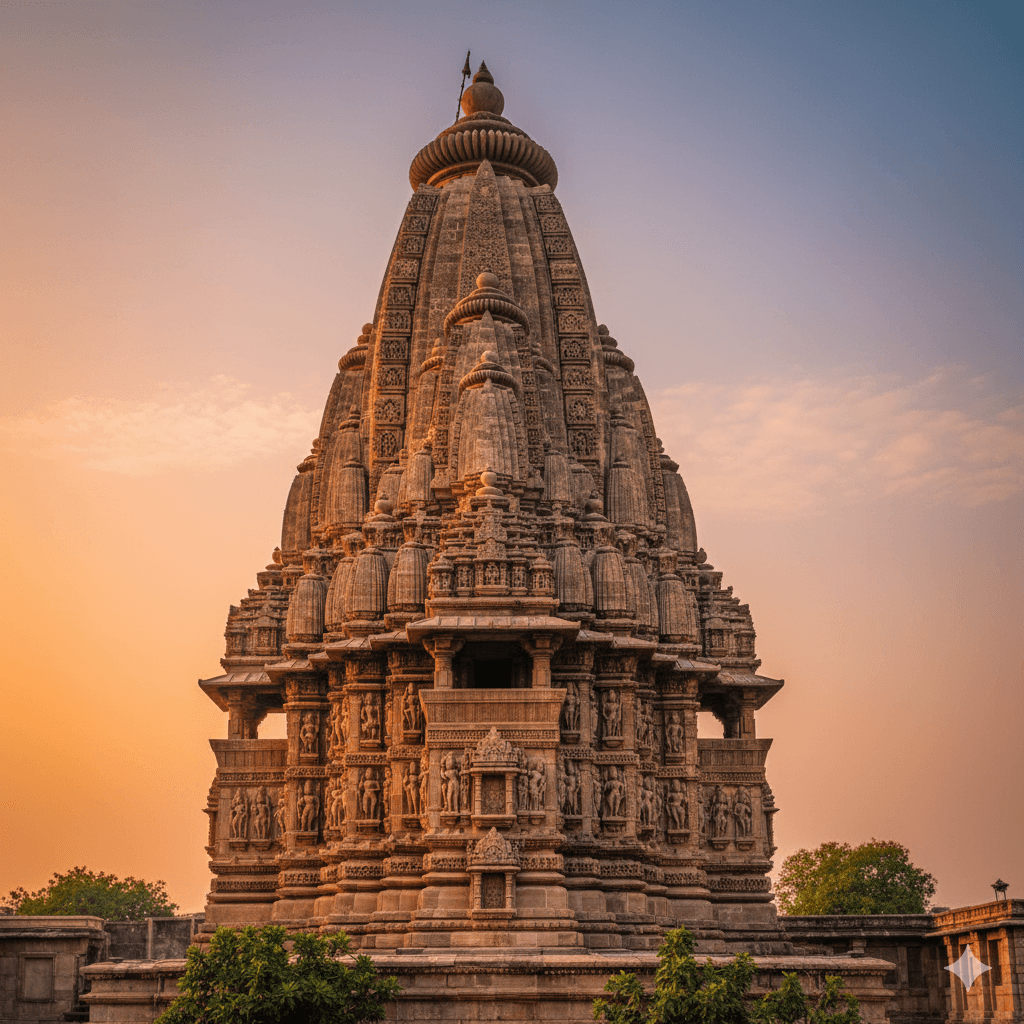
While mentioned in sightseeing, its historical significance as an archaeological site is unparalleled. It is one of the few surviving Sun Temples in India that follows the Nagara style with such intricate verticality.
- The “Bells” History: Archaeological evidence suggests that the 108 temples in Jhalrapatan were positioned so that the sound of the bells would create a “spiritual frequency” across the city.
- The Spires: The temple’s shikhara is a masterpiece of geometric progression, featuring miniature spires that lead the eye toward the heavens.
Archaeological Site Comparison Table
| Site Name | Primary Era | Accessibility | Expert Rating |
| Kolvi Caves | 5th – 6th Century | Challenging (Remote) | ⭐⭐⭐⭐⭐ |
| Garh Palace | 19th Century | Easy (City Center) | ⭐⭐⭐⭐ |
| Gagron Fort | 12th Century | Moderate (Riverside) | ⭐⭐⭐⭐⭐ |
| Chandravati Ruins | 10th Century | Easy (Near Jhalrapatan) | ⭐⭐⭐ |
4. Best Places for Every Interest Group
In the travel industry, “niche marketing” is the key to a successful itinerary. Jhalawar Rajasthan Travel Guide is unique because it offers diverse environments—from the silence of Buddhist caves to the bustling energy of temple towns. Below is my professional breakdown of where each group should spend their time to get the most value out of their journey.
I. For the Family Travelers (The “Safety & Engagement” Group)
Families require a balance of education, safety, and open space for children to move. Jhalawar Rajasthan Travel Guide offers several “low-stress” environments that are perfect for multi-generational groups.
- Gomti Sagar Lake: A peaceful lakeside setting ideal for evening strolls.
- Agent’s Recommendation: Visit during the Kartik Fair if your trip aligns. The livestock fair and local giant wheels provide a “Rural Carnival” atmosphere that kids love.
- Logistics: Paved walkways make it accessible for strollers or Older family members.
- Gavadi Talab: A local favorite for picnics.
- Highlight: The nearby Herbal Garden provides an educational walk where children can learn about the plants used in traditional Indian medicine.
- The Government Museum: Unlike sprawling forts, this museum is compact. It allows parents to introduce history without “museum fatigue” setting in.
II. For History Buffs & Architecture Enthusiasts (The “Data Seekers”)
This group wants “Information Gain.” They aren’t looking for photos; they are looking for the “Industry Truth” behind the stones.
- The “Temple Triangle” of Jhalrapatan:
- Sun Temple: Spend time auditing the base of the temple. The carvings of warriors, musicians, and deities are a masterclass in Nagara architecture.
- Shantinath Jain Temple: Known for its stunning murals and peaceful atmosphere.
- Bhawani Natyashala:
- The Draw: For those interested in the history of global theater, this is a “Bucket List” item.
- Professional Tip: Examine the mechanical pulley system. It represents the pinnacle of 1920s stage engineering in India.
- Gagron Fort’s Outer Walls: Audit how the fort wall merges seamlessly with the natural rock of the hill—a technique called “Living Architecture.”
III. For Spiritual Seekers & Peace Lovers (The “Zen” Group)
Jhalawar Rajasthan Travel Guide is a deeply spiritual town, but unlike Varanasi or Pushkar, the spirituality here is quiet and introspective.
| Spiritual Site | Deity / Faith | Best Time for Peace | Agent’s Insight |
| Dwarkadheesh Temple | Lord Krishna | 6:00 AM (Mangala Aarti) | Located on the lake; the reflection of the morning sun on the temple is divine. |
| Chandkheri Jain Temple | Adinath Bhagwan | Afternoon | Features a massive 6-foot-high statue of Lord Adinath; exceptionally quiet. |
| Kolvi Caves | Buddha | Early Morning | The silence of the 5th-century caves offers a profound meditative environment. |
| Sheetleshwar Mahadev | Lord Shiva | Evening | Located on the banks of the Chandrabhaga River; very atmospheric. |
IV. For Nature Photographers & Solo Explorers (The “Visual Content” Group)
If you are traveling alone or with a camera, you want the “Golden Hour” spots that haven’t been over-saturated on social media.
- The Confluence of Ahu and Kali Sindh: Stand near the base of Gagron Fort. The meeting of two major rivers against the backdrop of a UNESCO fort is a world-class landscape shot.
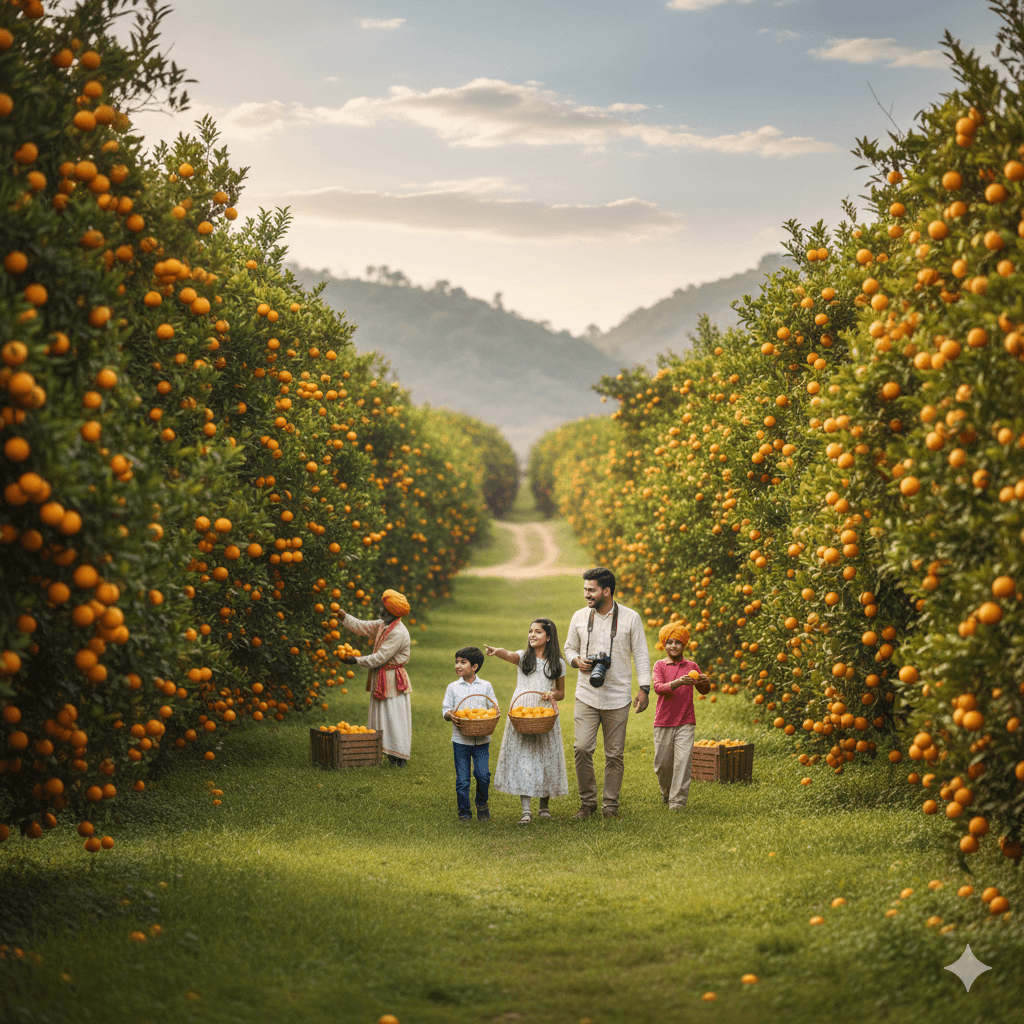
- The Citrus Orchards:
- The Season: Visit between December and February.
- The Experience: Miles of trees laden with bright orange fruit. As an agent, I recommend asking a local farmer for permission to do a “farm-to-table” shoot. It’s authentic and adds “Information Gain” to your travel story.
- Mukundra Hill Station:
- The View: This is the highest point in the district. It offers a panoramic view of the “Wetland” side of Rajasthan.
V. For Adventure & Wildlife Enthusiasts (The “Active” Group)
While Jhalawar is heritage-heavy, the surrounding topography offers rugged opportunities.
- Darrah Wildlife Sanctuary: Located on the border of Jhalawar and Kota. This was once the royal hunting ground.
- Expect to See: Leopards, sloth bears, and the rare Gagroni Parrot (famous for mimicking human speech).
- River Bank Trekking:
- The Route: Follow the banks of the Chandrabhaga River toward the ancient ruins. It’s uneven terrain that requires good boots and a sense of adventure.
Interest Group Summary & Priority Table
| Interest Group | Primary Destination | Activity Level | Best Season |
| Family | Gomti Sagar | Low | Winter |
| History | Gagron Fort | Moderate | Monsoon/Winter |
| Spiritual | Jhalrapatan | Low | All Year |
| Nature | Citrus Orchards | Moderate | Dec – Feb |
| Adventure | Darrah Sanctuary | High | Oct – March |
5. Nightlife Activities
In the professional travel industry, we categorize nightlife in heritage zones under “Experiential Evening Economy.” For Jhalawar Rajasthan Travel Guide, this means shifting your focus from modern clubs to spiritual ceremonies, royal culinary experiences, and celestial viewing. Because the air here is significantly cleaner than in Jaipur or Delhi, the night sky itself becomes a primary attraction.
I. The “City of Bells” Spiritual Symphony (Evening Aarti)
The most iconic “nightlife” event in Jhalawar is the evening transition in Jhalrapatan. As a former agent, I always told my clients that if they missed the 6:30 PM bells, they missed the soul of the city.
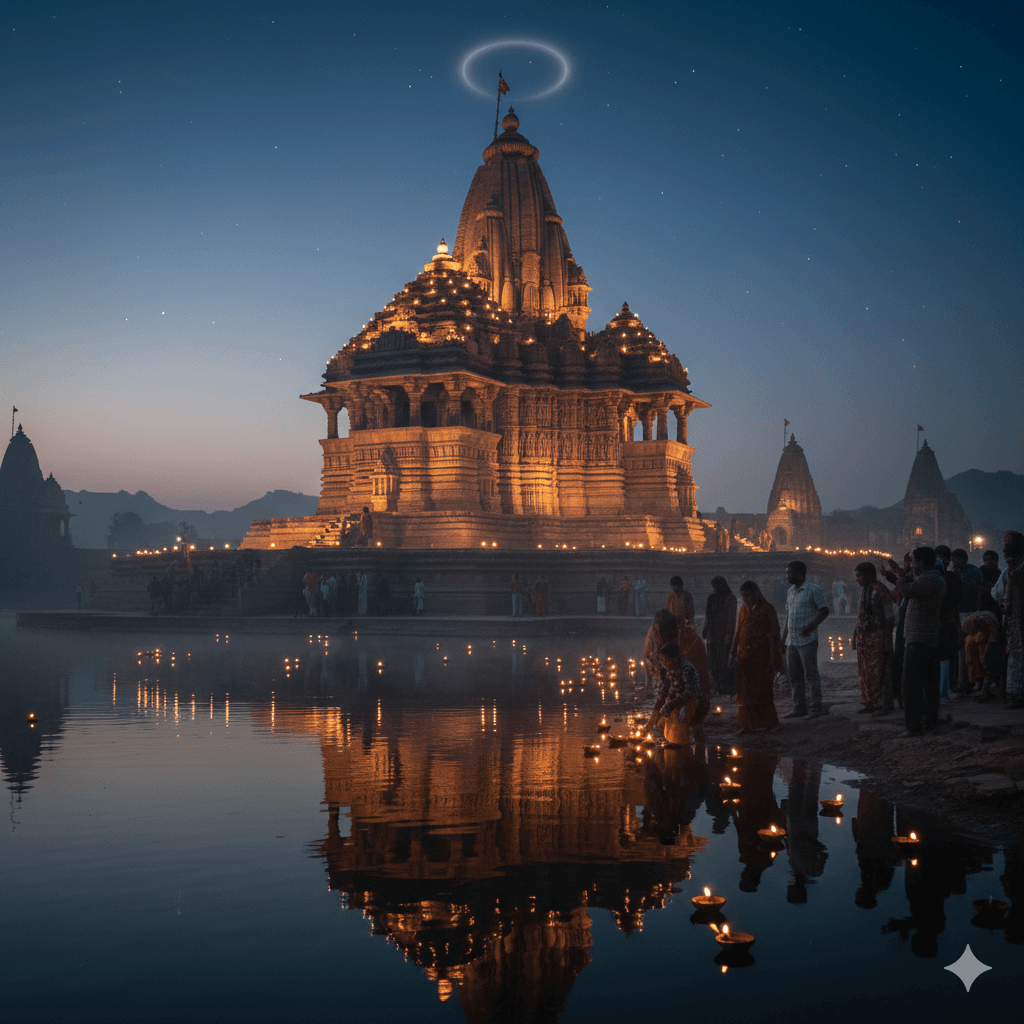
- The Experience: At sunset, the 108 temples of Jhalrapatan begin their evening rituals. The sound of hundreds of brass bells ringing in unison creates a “vibrational canopy” over the town.
- Why it’s a “Must Audit”: It is a rare example of Acoustic Heritage. Unlike the amplified music of modern cities, this is an organic, historical soundscape that hasn’t changed in centuries.
- Pro-Tip: Position yourself near the Sun Temple steps. The acoustics are best here, and the lighting of the lamps against the 10th-century stone carvings is a photographer’s dream.
II. Royal Culinary Experiences (Heritage Dining)
Nightlife in Jhalawar often centers around the dinner table, specifically at heritage properties that maintain the Hadoti Royal Kitchen traditions.
- Prithvi Vilas Palace: * The Vibe: Dining in a palace that still serves as a royal residence.
- The Menu: Look for “Laal Maas” (if you eat meat) or “Ker Sangri” prepared in the traditional Jhalawar style, which is slightly tangier than the Marwar version due to the local citrus influence.
- The “Garden Night” Experience: Many local guesthouses offer rooftop or garden dining. Because Jhalawar is a “Wetland” kingdom, the evening breeze near the lakes (Gomti Sagar) provides a natural cooling effect that makes outdoor dining pleasant even in late spring.
III. Stargazing & Celestial Audits
Because Jhalawar Rajasthan Travel Guide lacks heavy industrialization and light pollution, it is a goldmine for Astro-Tourism.
| Viewing Spot | Why it’s Best | Visibility Level |
| Gagron Fort Ramparts | Elevated position above the river. | ⭐⭐⭐⭐⭐ |
| Kolvi Cave Plateau | Zero light pollution; absolute silence. | ⭐⭐⭐⭐⭐ |
| Gomti Sagar Banks | Easy access; beautiful water reflections. | ⭐⭐⭐⭐ |
| Mukundra Hills | Highest altitude in the district. | ⭐⭐⭐⭐⭐ |
- The Activity: For solo travelers or couples, taking a tripod to the outskirts of Gagron Fort at night (with a local guide) allows for long-exposure shots of the Milky Way arching over a UNESCO Water Fort. This is “Content Gain” that very few influencers have captured.
IV. The “Jhalawar Mahotsav” Night Events
If you are auditing the city during the festival season (usually winter or monsoon), the nightlife transforms into a public celebration.
- Folk Performances: Watch the Chari Dance or Ghoomar performed by local artists under spotlights at the Garh Palace courtyards.
- Deep Dan: During festivals like Kartik Purnima, the lakes are filled with thousands of floating lamps (diyas). This “Night of a Thousand Lights” is the highest-rated evening activity in an agent’s handbook.
V. Late-Night “Chai & Charcha” (The Local Social)
The social heartbeat of Jhalawar at night is found at the tea stalls near the Mama-Bhanja Chouraha or the main market gates.
- The Routine: Local elders and storytellers gather here. As an “Insider,” this is where you hear the oral histories—stories of the battles of Gagron or the legends of the Buddhist monks—that aren’t written in the Jhalawar Rajasthan Travel Guide books.
- Safe Travel Audit: Jhalawar is exceptionally safe at night. However, since it is a traditional town, most markets close by 9:00 PM. The “Nightlife” here is early, starting at 6:00 PM and winding down by 10:30 PM.
Nightlife Comparison: Jhalawar vs. The “Big Three”
| Feature | Jhalawar | Jaipur | Udaipur |
| Noise Level | Silent / Bell Chimes | High (Traffic/Clubs) | Moderate (Music) |
| Activity Type | Spiritual / Culinary | Shopping / Pubs | Lakefront Lounges |
| Cost Audit | Very Low | High | High |
| Authenticity | 100% Raw | Commercialized | High-End |
6. Adventure & Wildlife Activities: The “Raw Rajasthan”
In the travel industry, we often call Jhalawar the “Frontier of the Hadoti.” Because it isn’t over-developed, the adventure here is authentic. You aren’t following a paved path with 500 other tourists; you are often the only person on the trail. This section audits the physical and environmental challenges available for the active explorer.
I. The Gagron “Hydro-Trek”
Gagron Fort is unique because it is a “Water Fort,” but few travelers realize the trekking potential around its perimeter.
- The Island Approach: During the dry season, the river levels drop, revealing rocky paths that allow you to trek around the base of the fort’s foundations.
- The Ridge Hike: A 3-km trek along the high ridge overlooking the confluence of the Ahu and Kali Sindh rivers.
- Agent’s Audit: This is a moderate-intensity hike. The “Information Gain” here is seeing the medieval drainage and water-harvesting systems built into the cliffside—details visible only to those on foot.
II. Darrah Wildlife Sanctuary: The Jungle Audit
Part of the Mukundra Hills Tiger Reserve, Darrah was once the private hunting ground of the Maharajas of Kota and Jhalawar. Today, it is a rugged wilderness that requires a professional mindset to explore.
- Terrain: Thick deciduous forests, hilly outcrops, and riverine belts.
- The “Target” Species: * The Gagroni Parrot: An expert’s favorite. Famous for its ability to mimic human speech with uncanny precision.
- The Sloth Bear: Often spotted in the rocky crevices during the early morning.
- The Leopard: For the patient adventurer, the rocky outcrops provide perfect camouflage for these predators.
- Logistics Check: You will need a 4×4 vehicle and a permit. As an agent, I recommend entering through the Jhalawar-Kota highway gate for the best forest density.

III. River Exploration & Cave Trekking (Kolvi & Beyond)
The adventure at the Buddhist Caves of Kolvi isn’t just in the history; it’s in the journey.
- The “Laterite” Challenge: The caves are carved into laterite rock, which is porous and uneven. Trekking between the 50 different cave structures requires balance and stamina.
- The “Triple Cave” Circuit: For a full-day adventure, don’t just visit Kolvi. Hire a local guide to trek to Binayaga and Hathiagor. This 10-km circuit through the rural landscape is the ultimate “Industry Secret” for off-beat explorers.
IV. Adventure Comparison Table
| Activity | Intensity | Required Gear | Best Time | Agent’s Rating |
| Gagron Perimeter Trek | Moderate | Hiking Boots, Water | Oct – Feb | ⭐⭐⭐⭐ |
| Darrah Safari | Low (Vehicle) | Binoculars, Hat | Nov – March | ⭐⭐⭐ |
| Kolvi Cave Circuit | High (Stamina) | Grip Shoes, Torch | Early Morning | ⭐⭐⭐⭐⭐ |
| Kali Sindh Riverside Walk | Moderate | Sun Protection | Monsoon (Greenery) | ⭐⭐⭐⭐ |
V. The “Wetland” Monsoon Expedition
Unlike western Jhalawar Rajasthan Travel Guide is an adventure hotspot during the Monsoon (July–September).
- The Experience: The rivers are in full spate, and the waterfalls near the Bhim Sagar Dam become active.
- The Challenge: Navigating the rural roads during heavy rains requires an experienced driver.
- Agent’s Advice: This is the only time of year you can experience “Tropical Rajasthan.” The humidity is high, but the visual reward of seeing ancient forts surrounded by rushing water is an “Elite” travel experience.
VI. Adventure Safety & Professional Prep
- Hydration: Even in the “Wetland,” the Rajasthani sun is sharp. Carry at least 3 liters of water for the Kolvi trek.
- Local Guides: In Jhalawar, there are no “Google Maps” for the jungle trails. Always hire a local villager; it supports the local economy and ensures you don’t wander into leopard territory.
- Communication: Cell service can be spotty near the caves. Download offline maps and inform your hotel of your route.
7. Nearby & Surrounding Attractions: The “Extended Circuit”
In professional itinerary design, we look for “Symmetry.” If you have seen the water fort of Gagron, you must then see the forest ruins of Dalhanpur to understand the full architectural spectrum of the region. Below is the expert-curated list of attractions located within a 100km radius of the Jhalawar Rajasthan Travel Guide.
I. The Buddhist Triangle: Binayaga and Hathiagor
While travelers often stop at Kolvi, the “Industry Truth” is that the experience is incomplete without its sister sites. This is the only place in Rajasthan Tourism where you can find such a dense concentration of Buddhist heritage.
- Binayaga Caves: Located about 8 km from Kolvi. These are smaller but offer more intricate Stupa carvings.
- Hathiagor Caves: Situated on a nearby hill, these caves are larger and were likely used as living quarters for monks (Viharas).
- Agent’s Audit: The road between these three sites passes through traditional Rajasthani villages. It offers a “Time Capsule” experience where you can see the 5th-century past meeting the rural present.
II. Dalhanpur: The Forest Archeology
Located on the banks of the Chhapi River, Dalhanpur is for the “Hardcore” heritage lover.
- The Ruins: Here lie the scattered remains of a sprawling temple complex dedicated to Lord Shiva and Vishnu.
- The Vibe: It feels like an “Indiana Jones” set. Many of the intricately carved pillars and statues lie amidst dense vegetation.
- Logistics: There is no “ticket counter” here. It is raw, unmanaged history. I recommend visiting in a high-clearance vehicle as the forest tracks can be rugged.
III. Bhim Sagar Dam: The Modern Engineering Feat
To understand the “Wetland” status of Jhalawar, you must visit the Bhim Sagar Dam.
- The Experience: Built across the Ujhad River, it creates a massive reservoir that is a haven for migratory birds during the winter months.
- Why it’s a “Must”: It provides a sharp contrast to the medieval engineering of Gagron. It shows how the region manages its water wealth in the 21st century.
IV. Surroundings Comparison: The “Spoke” Destinations
| Destination | Distance from Jhalawar | Travel Time | Primary Category | Agent’s Rating |
| Kolvi Caves | 90 km | 2.5 Hours | Archeology/Buddhism | ⭐⭐⭐⭐⭐ |
| Dalhanpur | 55 km | 1.5 Hours | Forest Ruins/Nature | ⭐⭐⭐⭐ |
| Bhim Sagar | 24 km | 45 Mins | Engineering/Picnic | ⭐⭐⭐ |
| Kota City | 85 km | 2 Hours | Urban/Palaces | ⭐⭐⭐⭐ |
| Bundi | 120 km | 3 Hours | Stepwells/Paintings | ⭐⭐⭐⭐⭐ |
V. Rein Basera: The Wooden Marvel (6 km away)
Originally built by the Forest Research Institute of Dehradun, this was a unique wooden cottage transported and reassembled on the banks of Kishan Sagar.
- The Tragedy & Recovery: A fire destroyed the original structure years ago, but the site remains a significant “Spoke” destination for its scenic beauty.
- Agent’s Tip: Even though the original structure is gone, the location remains the best spot in the district for bird watching at dawn.
VI. Professional Circuit Planning (The “Agent’s Route”)
If you are coming from Central India (Indore/Ujjain) or from Northern Rajasthan (Jaipur), here is how you should sequence these “Nearby” spots:
- The Entry Spoke: If coming from Kota, stop at Darrah Sanctuary first.
- The Deep Spoke: Dedicate one full day specifically for the Kolvi-Binayaga-Hathiagor circuit. Do not try to rush this; the heat and trekking require a slow pace.
- The Nature Spoke: Use an afternoon for Bhim Sagar to catch the sunset over the reservoir.
VII. Safety & Logistics for Remote Sites
- Fuel Audit: Most of these nearby attractions (especially Kolvi and Dalhanpur) are in remote areas. Ensure your tank is full before leaving Jhalawar city.
- Connectivity: GPS can be unreliable in the valley areas near Dalhanpur. I recommend carrying a physical map or a screenshot of the route.
- Local Interaction: The villagers near the Buddhist caves are incredibly friendly but rarely speak English. Knowing a few Hindi phrases for “Water” (Paani) or “Road” (Rasta) is helpful.
8. The Comprehensive Top List: “Elite Eight”
When you are short on time, you cannot afford to waste a single hour on “filler” sightseeing. This section provides the definitive ranking of Jhalawar Rajasthan Travel Guide. I have audited these based on three professional criteria: Cultural Significance, Photographic Value, and Logistical Efficiency.
I. The “Must-Visit” Hierarchy
If your itinerary is limited to 48 hours, these are the non-negotiable stops.
- Gagron Fort (The UNESCO Anchor): * Why: It is the only fort in Rajasthan with a 360-degree water defense.
- Agent’s Audit: It represents a “zero-foundation” architectural feat that defies modern engineering logic.
- The Sun Temple of Jhalrapatan: * Why: It is one of the most well-preserved 10th-century temples in Northern India.
- Agent’s Audit: The “Shikhara” (spire) contains miniature carvings that tell the entire story of the Surya (Sun) lineage.
- Kolvi Buddhist Caves: * Why: It is the “Ajanta of the North.”
- Agent’s Audit: This site proves that Rajasthan’s history is not just Hindu and Muslim, but deeply Buddhist.
- Bhawani Natyashala: * Why: It is a global rarity in theater architecture.
- Agent’s Audit: The underground stage is a masterclass in 1920s mechanical design.
II. The “Insider” Audit Table (Quick Comparison)
| Rank | Destination | Best For… | Time Required | Effort Level |
| 1 | Gagron Fort | World History | 3 Hours | Moderate |
| 2 | Kolvi Caves | Spiritual Silence | 4 Hours | High (Trek) |
| 3 | Sun Temple | Architecture | 1.5 Hours | Low |
| 4 | Garh Palace | Art & Murals | 2 Hours | Low |
| 5 | Dalhanpur | Off-beat Adventure | 5 Hours | High (Remote) |
| 6 | Gomti Sagar | Relaxation | 1 Hour | Very Low |
| 7 | Bhawani Natyashala | Engineering/Culture | 45 Mins | Low |
| 8 | Darrah Sanctuary | Wildlife | 4 Hours | Moderate |
III. The “Value-Added” Experiences
- The Jhalarapatan Bells: Not a place, but a timed event. Be there at sunset.
- The Citrus Orchard Walk: A seasonal must (Dec-Feb). It changes your perception of Rajasthan as a “dry” state.
- The Chandrabhaga River Walk: Best done during the monsoon when the river is “alive.”
IV. Professional Rating System: The “Agent’s Stars”
- UNESCO Pedigree: ⭐⭐⭐⭐⭐ (Gagron Fort) – Essential for global travelers.
- Archeological Depth: ⭐⭐⭐⭐⭐ (Kolvi Caves) – Essential for scholars and slow travelers.
- Artistic Vibrancy: ⭐⭐⭐⭐ (Garh Palace) – Essential for those who loved the murals of Bundi or Kota.
- Logistical Ease: ⭐⭐⭐ (Darrah Sanctuary) – Can be tricky to time with safari permits; plan ahead.
V. The “Perfect 48-Hour Audit” Itinerary
For my clients, I always designed the “Correct Sequence” to avoid burnout.
- Day 1 (The Heritage Core): * Morning: Gagron Fort (Beat the heat).
- Afternoon: Garh Palace and Government Museum.
- Evening: Jhalrapatan Sun Temple for the sunset Aarti.
- Day 2 (The Adventure Spoke):
- Full Day: Expedition to Kolvi Caves.
- Evening: Farewell dinner at a heritage property (Prithvi Vilas).
VI. The Agent’s “Avoid” List (Correct Information)
- Do not visit Gagron Fort at noon in May. The stone absorbs heat, making the trek punishing.
- Do not skip Jhalrapatan because it looks “small” on the map. It is the architectural heart of the district.
- Do not expect high-speed internet at the Kolvi Caves. This is a “Digital Detox” zone.
9. Things to Buy & Shopping: The “Citrus & Craft”
In the travel industry, we categorize shopping under “Local Economic Integration.” When you buy in Jhalawar, you aren’t shopping in a glitzy mall; you are engaging with a centuries-old supply chain. Because Jhalawar Rajasthan Travel Guide is the Citrus Capital of Rajasthan, the market rhythm is seasonal, organic, and authentic.
I. The “Orange Gold” (The Citrus Audit)
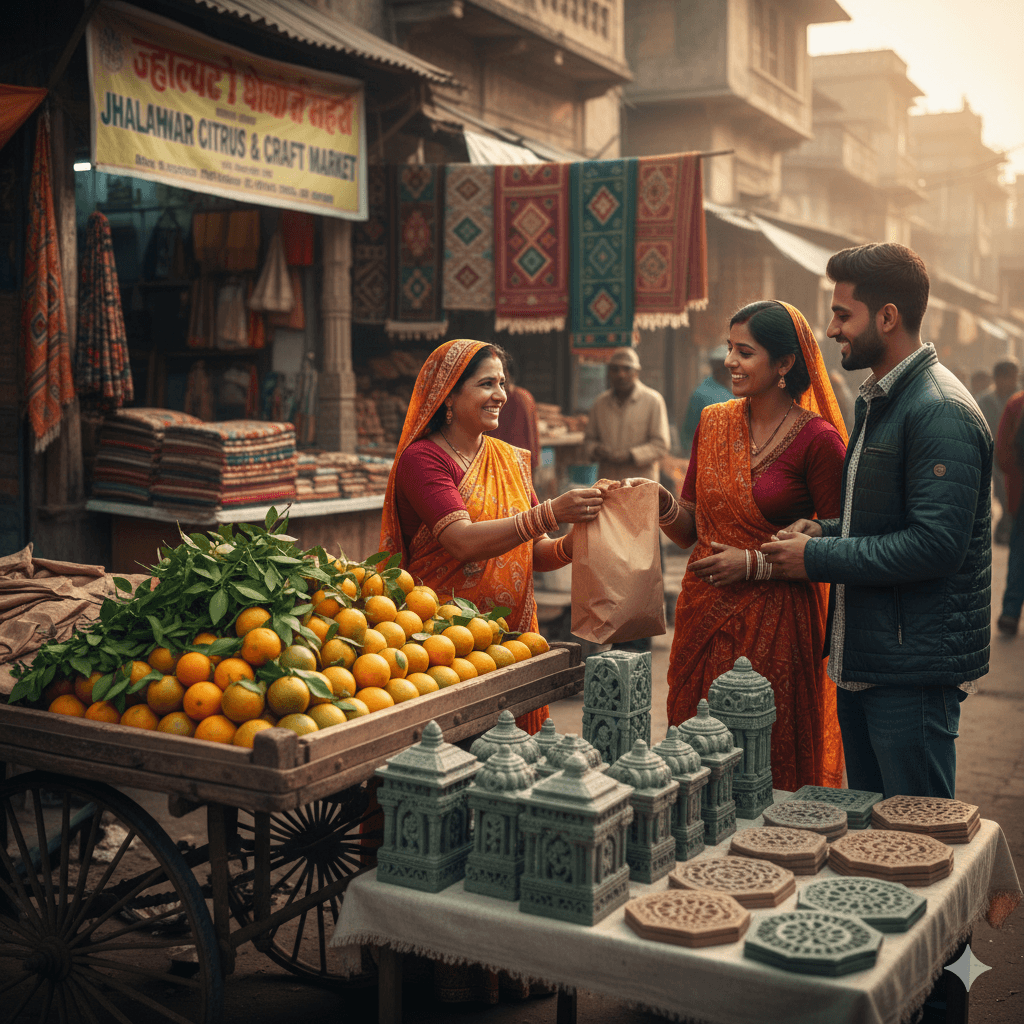
You cannot visit the “Nagpur of Rajasthan” without engaging with its orange trade. Jhalawar’s oranges are famous for their thin skin and high juice content.
- Fresh Produce: If visiting between December and February, the local Mandi (wholesale market) is a sight to behold. You can buy crates of fresh oranges directly from farmers.
- Processed Goods: Look for locally made Orange Marmalade, dried orange peel (used in traditional skincare), and concentrated squashes.
- Agent’s Pro-Tip: Visit the Government Outreach Outlets or local cooperatives. This ensures you are getting the “Correct Information” regarding the purity of the product without added synthetic colors.
II. The Stone Carvings of Jhalrapatan
The artisans of this region have inherited the DNA of the 10th-century temple builders. The stone-carving tradition here is one of the most underrated in Rajasthan.
- Miniature Sculptures: Local craftsmen create small-scale replicas of the Sun Temple pillars and the deities found at Gagron Fort.
- Home Decor: Look for carved stone lamps and “Jaali” (lattice) work coasters.
- Audit for Quality: In the travel agent world, we check for “Crispness of Edge.” Authentic Jhalawar stone work uses local sandstone which should feel heavy and cool to the touch, with no visible cracks in the detail.
III. Hadoti Paintings & Stationery
The Hadoti School of Art is distinct for its use of gold leaf and vivid greens (reflecting the local landscape).
- Miniature Paintings: While Kota and Bundi are more famous for this, Jhalawar has a sub-school that focuses on hunting scenes and flora.
- Handmade Paper: Some local workshops create paper from agricultural waste (like citrus pulp and cotton), perfect for the sustainable traveler.
IV. Shopping Location Comparison Table
| Market Area | Best For… | Vibe | Agent’s Price Audit |
| Main Jhalawar Mandi | Fresh Oranges/Fruits | High Energy / Wholesale | Very Low |
| Jhalrapatan Bazaar | Stone Carvings / Temple Items | Spiritual / Antique | Moderate (Bargain) |
| Mama-Bhanja Chouraha | Everyday Handicrafts | Local Social Hub | Fair Trade |
| RTDC Shop | Vetted Souvenirs | Quiet / Formal | Fixed Price |
V. The “Agent’s Shopping List” (Top 5 Items)
- Pure Orange Honey: Collected from bees that pollinate the citrus groves. It has a distinct, subtle citrus aftertaste.
- Lacquered Toys: Traditional Rajasthani toys made with natural dyes, safe for children.
- Wrought Iron Work: Jhalawar has a small community of blacksmiths who create beautiful, minimalist garden decor.
- Bangle Markets: Located in the narrow lanes of the old city; look for Lac Bangles with glass-bead inlay.
- Dhurries (Rugs): While not as famous as Jodhpur‘s, the local hand-woven cotton rugs are durable and feature unique geometric Hadoti patterns.
VI. Professional Tips for the Savvy Shopper
- The “Agent’s Bargain” Rule: In Jhalawar, aggressive bargaining is not as common as in Jaipur. Be respectful. A 10-15% negotiation is standard, but in the fruit markets, prices are already at “Net Rates.”
- Packaging for Travel: If you are buying stone carvings, ensure they are bubble-wrapped. Sandstone is durable but the fine edges of a carved deity can chip during transport.
- Support Local: As an “Expert Insider,” I always advocate for buying directly from the artisan’s workshop rather than a middleman. It ensures the “Correct Value” goes to the creator.
10. Conclusion: The Agent’s Final Verdict on Jhalawar
As we close this professional audit, it is important to reflect on why Jhalawar Rajasthan Travel Guide stands as a critical pillar in the “Correct Way” to experience India. In an era where travel is often reduced to 15-second “viral” clips, Jhalawar demands something more: Authentic Presence. As a former travel agent, I have seen thousands of itineraries that rush through the “Golden Triangle.” But those who choose the Hadoti region—and Jhalawar Rajasthan Travel Guide specifically—are the travelers who truly understand the “Industry Truth.” Rajasthan is not a monolith of sand; it is a complex, diverse ecosystem where water and stone have fought for dominance for over a thousand years.
I. The Summary of Value
Jhalawar offers a specific type of “Information Gain” that you cannot find in the more commercialized hubs.
- The Educational Value: From the 5th-century Buddhist caves of Kolvi to the 1920s stagecraft of Bhawani Natyashala, you are witnessing a 1,500-year timeline of human ingenuity.
- The Economic Value: Jhalawar remains one of the few places in Rajasthan where luxury (heritage stays) and affordability (local markets) coexist without the “tourist inflation” of Udaipur or Jaipur.
- The Emotional Value: There is a profound silence in the citrus groves and on the ramparts of Gagron Fort that refreshes the soul in a way that busy bazaars cannot.
II. The “Industry Standards” Scorecard
| Criteria | Agent’s Score | Professional Commentary |
| Authenticity | ⭐⭐⭐⭐⭐ | 100%. No “artificial” tourist experiences found here. |
| Logistics | ⭐⭐⭐ | Requires effort (85km from Kota), but worth the journey. |
| Photo Potential | ⭐⭐⭐⭐⭐ | Unique “Water-Fort” and “Green-Rajasthan” vistas. |
| Cultural Depth | ⭐⭐⭐⭐⭐ | High. A mix of Buddhist, Jain, and Hindu influences. |
| Sustainability | ⭐⭐⭐⭐ | Low-impact tourism that benefits local farmers. |
III. Final “Expert” Advice for the Road
If you take only one piece of “Correct Information” from this Jhalawar Rajasthan Travel Guide, let it be this: Respect the Rhythm. Jhalawar is not a place for a “checked-box” traveler.
- The Slow-Travel Rule: Do not try to see Gagron, Jhalrapatan, and Kolvi in one day. You will end up exhausted and miss the nuances of the carvings.
- The Seasonal Rule: If you want the “Agent’s Choice,” visit in the Late Monsoon. Seeing the rivers swell against the fort walls is the single most powerful visual in the district.
- The Local Rule: Talk to the shopkeepers in the Jhalrapatan bazaar. They are the keepers of the oral histories that no guidebook can fully capture.
IV. The “Globalopollis” Closing Thought
At Globalopollis, our mission is to ensure you navigate the world with the best possible Jhalawar Rajasthan Travel Guide data. Jhalawar is the physical embodiment of our brand—it is deep, it is authentic, and it is “The Correct Way” to see the real India.
The bells of Jhalrapatan have been ringing for a thousand years. They aren’t just calling people to prayer; they are calling the curious to discover a side of Rajasthan that the world has forgotten. It’s time you answered that call.
11. Logistics, Safety & FAQ: The “Industry Truth” Briefing
Before you step onto the soil of Jhalawar, you need the “Net Rates” of reality. This section provides the technical data that most travel blogs miss, from emergency contacts to cultural unwritten rules.
I. The “Know Before You Go” Fact Sheet
| Category | Agent’s Data Point | Professional Insight |
| Mobile Network | Jio & Airtel (4G/5G) | Excellent in Jhalawar City; drops to 2G/No Signal at Kolvi Caves. |
| Cash vs. Digital | Hybrid | UPI (GPay/PhonePe) is widely accepted. Carry cash for Gagron Fort entry and remote villages. |
| Language | Hadoti & Hindi | English is understood at heritage hotels (Prithvi Vilas), but limited in local markets. |
| Dress Code | Conservative | Shoulders and knees must be covered in all temples. Headscarves recommended for women. |
| Alcohol Laws | Restricted | Mostly dry in religious areas (Jhalrapatan). Bars available only in upscale hotels. |
II. Emergency & Health Audit
Travel safety isn’t just about crime; it’s about infrastructure.
- Top-Tier Medical Care: SRG Hospital (Medical College Hospital) in Jhalawar is the most advanced facility in the district. It operates a 24/7 Emergency department.
- Pharmacy Access: Most pharmacies (Dawa Khana) are located near the Jhalawar Bus Stand and the Medical College road.
- Safety for Solo Females: Jhalawar is rated 8.5/10 for safety. Unlike the aggressive tout culture of North Rajasthan, locals here are traditionally respectful. However, avoid walking near the Gomti Sagar Lake or isolated fort areas after 8:00 PM.
III. Top Frequently Asked Questions (FAQ)
- “Can I visit Jhalawar as a day trip from Kota?”
Agent’s Verdict: Yes, but it’s a “Hard Push.” It takes ~2 hours each way by road. You can see Gagron Fort and the Sun Temple, but you will miss the soul of the city (the evening Aarti and the orchards). A 2-day stay is the “Correct Way.”
2. “Is there a direct train to Jhalawar?”
Agent’s Verdict: Yes, Jhalawar City (JLWC) is connected via Kota. The train is often faster and more comfortable than the RSRTC buses.
3. “What is the cultural etiquette for photography?”
Agent’s Verdict: Most temples allow photography of the exterior architecture, but strictly prohibit photos of the inner sanctum (Garbhagriha). Always ask the priest (Pujari) before clicking. At the Garh Palace, some private sections of the royal family are off-limits.
4. “Are there many ATMs in the area?”
Agent’s Verdict: Jhalrapatan has several (SBI, Bank of Baroda) near the Choparia Bazar. However, they can run out of cash during festivals like Kartik Purnima. Withdraw your primary funds in Kota.
IV. The “Final Briefing” Summary
Jhalawar is a destination that rewards the prepared. By following this 11-part audit, you are no longer just a tourist; you are a traveler with “Information Gain.” You know where the stone meets the water, where the oranges meet the honey, and where the history meets the future.

Alright DLRBetCasinoOnline, quick shoutout! Site’s easy to navigate and had no buffering issues- that’s a plus! The bonus offers are not too bad. Cheers! dlrbetcasinoonline
JetXCasino, what’s good? I’ve spent a few evenings testing the waters and I’m impressed with the variety of games you offer!. Keep up the good work! jetxcasino
Yo, CasinoPix! Been cruising your site. Digging the layouts and the game selections definitely hitting the spot. Keep the good times rolling, yeah?casinopix