Phalodi Rajasthan Travel Guide: The Ultimate 2026 Itinerary
1. Introduction: My Arrival in the “Salt City”
If you had told me a few years ago that I’d be voluntarily standing in the middle of a landscape that looks like a giant spilled a container of table salt over the desert, I might have checked your forehead for a fever. But here I am, and let me tell you—this Phalodi Rajasthan travel guide is about to change everything you thought you knew about the “typical” desert experience.
Arriving in Phalodi feels less like entering a modern district and more like stepping into a vintage postcard that’s been slightly bleached by the sun. Known globally as the “Salt City,” Phalodi greeted me with a shimmering, white-hot horizon that makes the local red sandstone havelis pop like rubies in a snowstorm.
My “Salt City” First Impressions:
- The Heat is Real: They don’t call it one of the hottest places in India for nothing. Even in the cooler months, the sun has a certain… personality.
- The Architecture: It’s a “Jharokha” heaven. Every corner of the old town boasts stone carvings so intricate they make my 3D-printer look lazy.
- The Vibe: It’s quiet. Unlike the hustle of Jodhpur, Phalodi moves at the pace of a camel—steady, dignified, and totally unbothered by your “tight schedule.”
To give you a quick “cheat sheet” before we dive into the deep end of this Phalodi Rajasthan travel guide, here is the “vibe check” for your arrival:
The Phalodi Arrival Cheat Sheet (2026)
| Feature | My Rating | Why? |
| Crowd Level | 1/10 | You’ll likely be the only “tourist” in sight. Bliss. |
| Photo Ops | 10/10 | The contrast of white salt pans and red sandstone is a literal “filter” in real life. |
| Humidty | -5/10 | Your hair will look great; your skin will scream for moisturizer. |
| Authenticity | 10/10 | No “tourist traps” here—just raw Marwari culture and salt-of-the-earth people. |
I’ll admit, when I first saw the salt pans (or “Rins”), I half-expected to see Elsa from Frozen wandering around. But instead of ice, it’s pure, sparkling sodium, harvested by families who have been doing this for generations. It’s gritty, it’s beautiful, and it’s the perfect starting point for our journey.
2. Trip Essentials: Planning Like a Pro
Before you go charging into the dunes like a desert warrior, let’s get your logistics sorted. Planning a trip using this Phalodi Rajasthan travel guide isn’t rocket science, but if you don’t respect the desert, the desert will definitely “respectfully” ruin your vacation. Trust me, I’ve learned the hard way that “winging it” in 50°C heat is a bold choice—and by bold, I mean questionable.
Here is everything I wish I’d known before I set foot in the Salt City.
When to Go (The “Goldilocks” Window)
Phalodi holds the record for one of the highest temperatures ever recorded in India (a casual 51°C). Unless you want to know what a paratha feels like inside an oven, avoid May and June.
- October to March (The Winner): This is the sweet spot. The weather is gorgeous, and more importantly, the Demoiselle Cranes are in town.
- July to September: Humid and erratic. You might get a desert rain, which is beautiful, but the salt pans can get a bit messy.
Getting There: My “How-To”
Getting to Phalodi is surprisingly easy, provided you don’t mind a bit of a road trip.
| Mode of Transport | Details | My Personal Take |
| By Road | 135 km from Jodhpur (approx. 3 hours) | The best way. The roads are smooth and the desert scenery is hypnotic. |
| By Train | Phalodi Junction (PLJ) | Great for budget travelers. It’s well-connected to Delhi, Jodhpur, and Jaisalmer. |
| By Air | Jodhpur Airport (JDH) | Fly into Jodhpur, then hire a cab. It’s the most seamless transition. |
My “Don’t-Leave-Home-Without-It” List
Packing for this part of the world is an art form. You need to look like a traveler, but feel like you’re wearing pajamas.
- Sunscreen (SPF 50+): The salt reflects the sun, meaning you’re getting hit from above and below. You will be a human rotisserie chicken without it.
- Polarized Sunglasses: Necessary for the glare of the white salt pans.
- Modest Clothing: Phalodi is traditional. I always pack light linens that cover the shoulders and knees—breathable and respectful.
- A Power Bank: 5G has arrived in Phalodi (hooray!), but searching for signals in the “Rins” drains your battery faster than a desert camel drinks water.
Why You Need This Phalodi Rajasthan Travel Guide
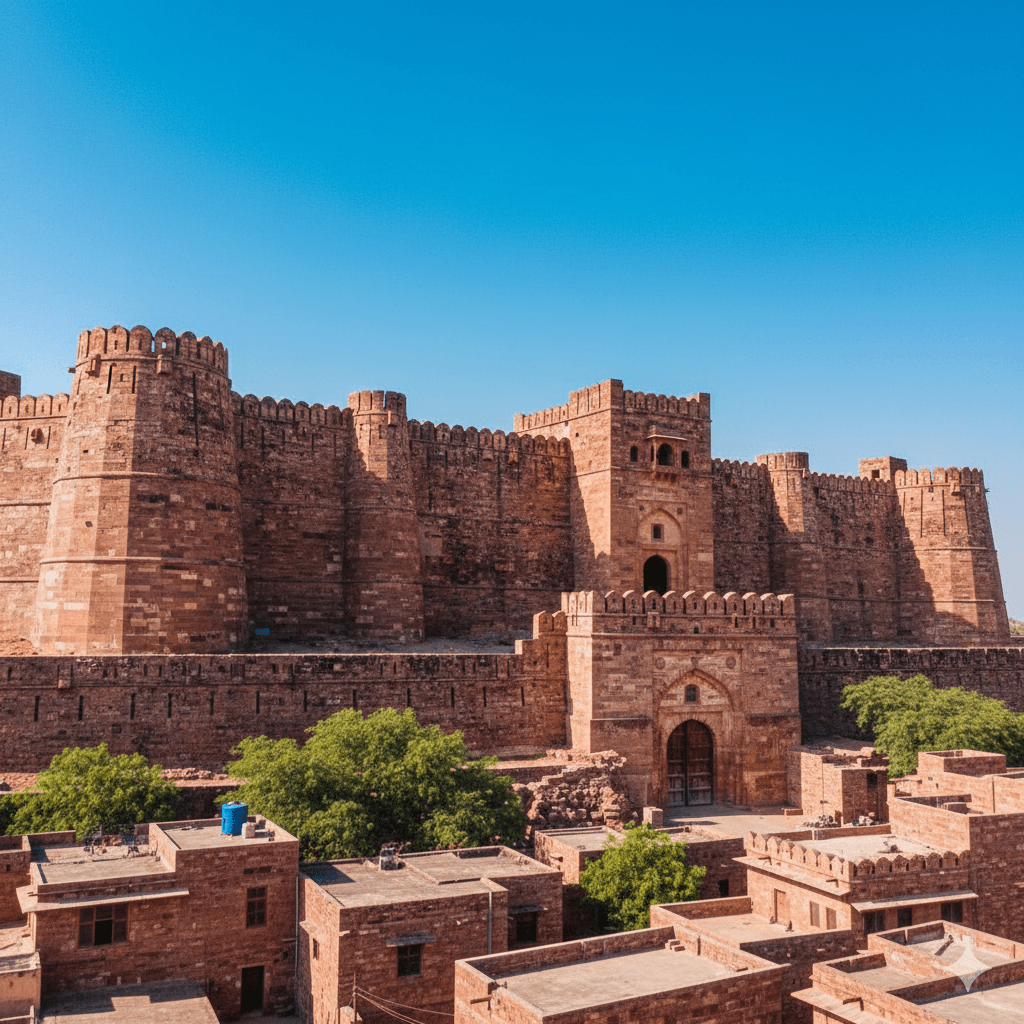
Since Phalodi was officially declared its own district recently, the infrastructure is catching up fast. In 2026, you’ll find better signage and more boutique stays than ever before. However, the soul of the town remains delightfully “old school,” which is why having a plan is essential.
Pro Tip: Download your Google Maps for offline use. While the town has great tech, the salt pans can be a bit of a “digital Bermuda Triangle.”
3. Historical Marvels: Walking Through Time
If these walls could talk, they’d probably tell me to stand up straight and stop taking so many selfies. But seriously, walking through the old lanes of this town is like being an extra in a big-budget period drama. As I highlight in this Phalodi Rajasthan travel guide, the history here isn’t just in books; it’s carved into every single slab of red sandstone you see.
The town was founded back in the 15th century, and it has this gritty, “frontier town” energy that I absolutely adore. It wasn’t just a place to live; it was a strategic trade hub where merchants made fortunes in salt and silk.
The “Big Three” Historical Stops
Here are the spots that made me stop, stare, and nearly trip over my own feet:
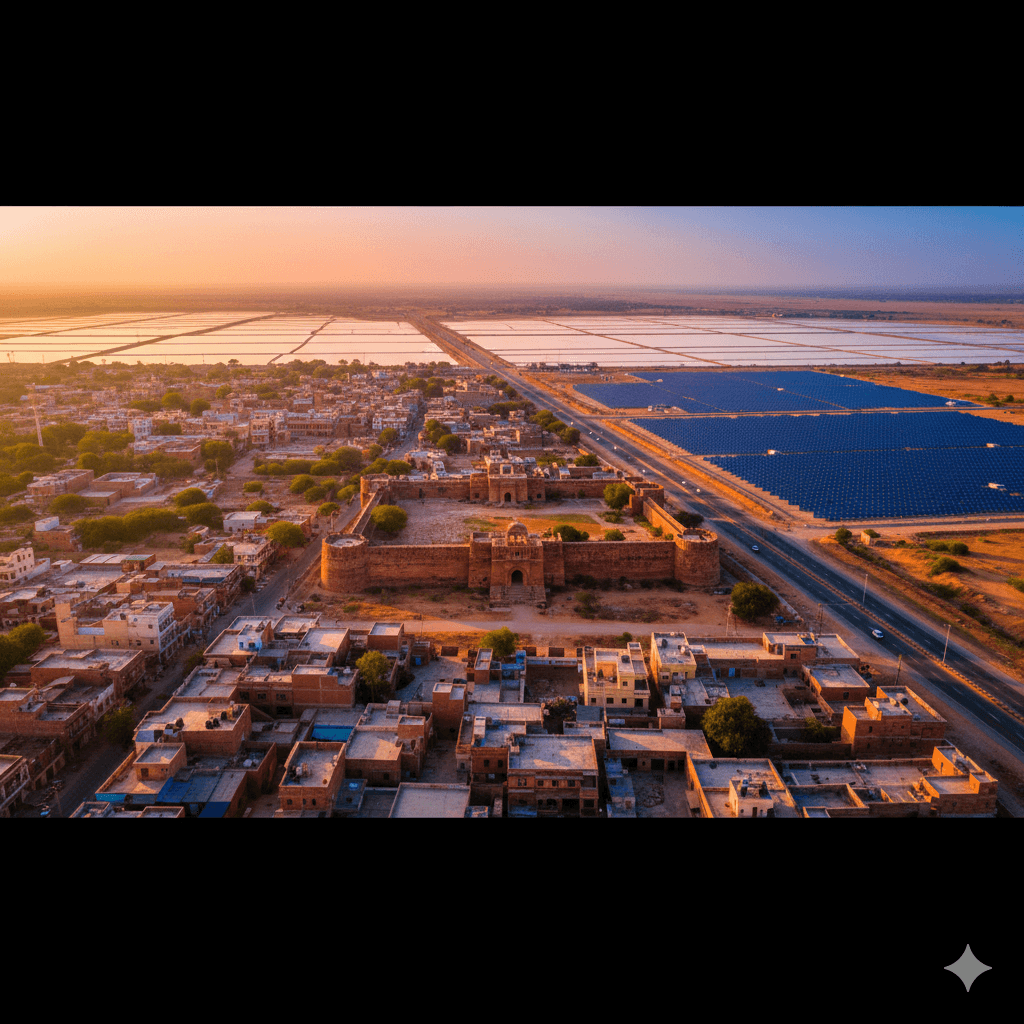
- Phalodi Fort (1488): This isn’t your typical “polished” tourist fort. It’s raw, sturdy, and looks like it could still withstand a siege today. The view from the top gives you a 360-degree look at the desert, and if you squint, you can almost see the ancient caravans approaching.
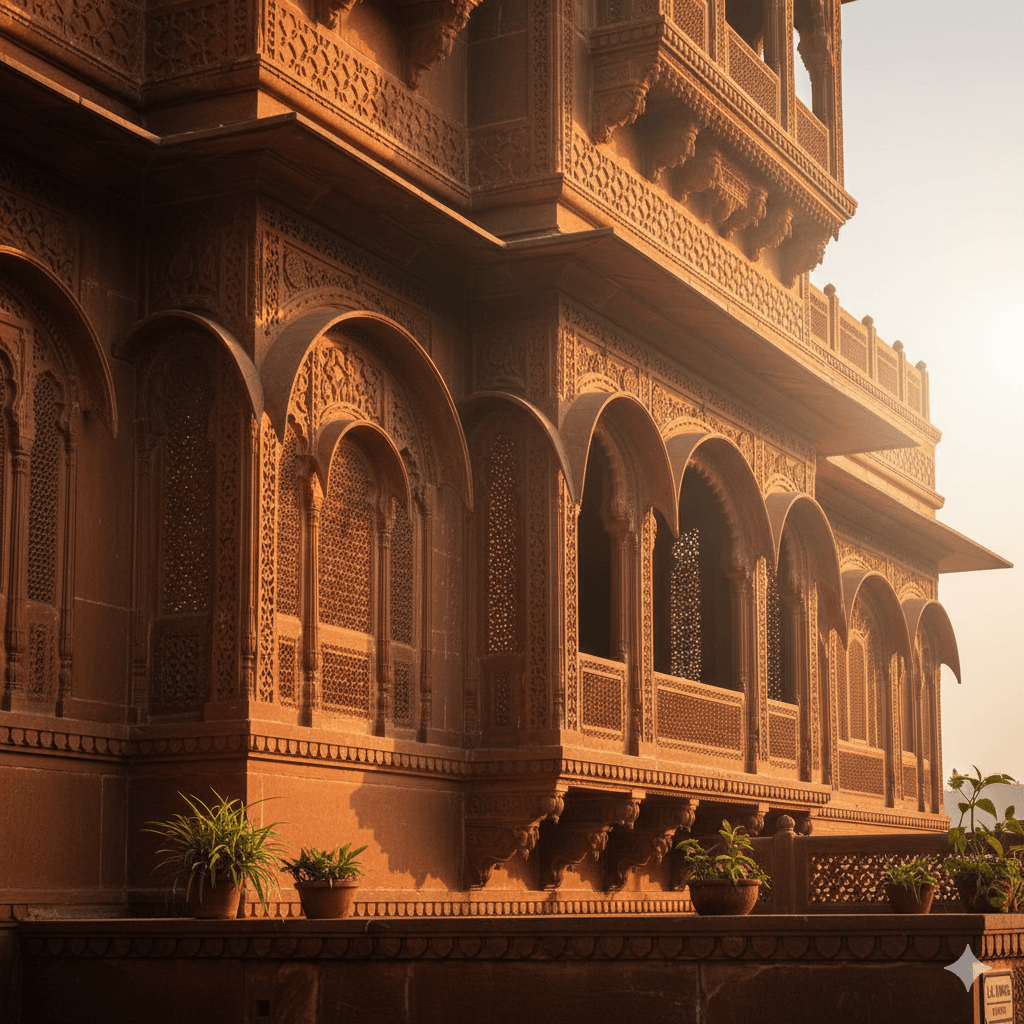
- Lal Niwas: This is the “Grand Dame” of Phalodi havelis. Built in 1750, it’s a red sandstone masterpiece. I spent a good twenty minutes just staring at a balcony (Jharokha) wondering how someone carved stone to look like delicate lace without the help of a laser.
- Parsnath Jain Temple (1847): This temple is a bit of a local “flex.” It was built entirely of stone—no iron girders or modern supports. It also features some incredible Belgian glasswork that feels wonderfully out of place in the middle of the Thar.
History at a Glance: My Favorites
To help you prioritize your “time travel” itinerary, I’ve broken down the must-sees:
| Landmark | Age | Why I loved it | “Cool Factor” |
| Phalodi Fort | ~530+ Years | The rugged, unpolished desert vibes. | 8/10 |
| Lal Niwas | ~270+ Years | The most “Instagrammable” stone carvings in Marwar. | 10/10 |
| Kalyan Rai Ji Temple | ~800+ Years | It’s the oldest in town; you can feel the ancient energy. | 9/10 |
The “Satta Bazaar” Legacy
Now, you can’t talk about Phalodi’s history without mentioning its… creative side. This town is the spiritual home of the “Satta Bazaar” (the betting market). Historically, the locals would bet on everything—from when the first rain would fall to the price of salt.
While it’s much quieter now in 2026, walking through the market area where these legendary deals were made is a trip. It’s a reminder that this Phalodi Rajasthan travel guide isn’t just about old buildings; it’s about a culture of risk-takers and entrepreneurs who built a thriving city out of literal salt and sand.
My Advice: Hire a local guide for an hour. The “hidden” inscriptions they pointed out to me on the walls of the small shrines told stories of local heroes that I never would have found on Google!
4. Things to Do & Top Sightseeing
Alright, let’s get into the “doing” part. If you think a visit here is just staring at salty ground and old rocks, prepare to be pleasantly corrected. This Phalodi Rajasthan travel guide is about to show you that the “Salt City” has some surprisingly high-energy highlights—and one of them involves a literal bird invasion (the good kind).
Here are the experiences that made me realize Phalodi is the coolest place in the Thar that nobody is talking about yet.
1. The Khichan Bird Sanctuary: The “Cranes” are Calling
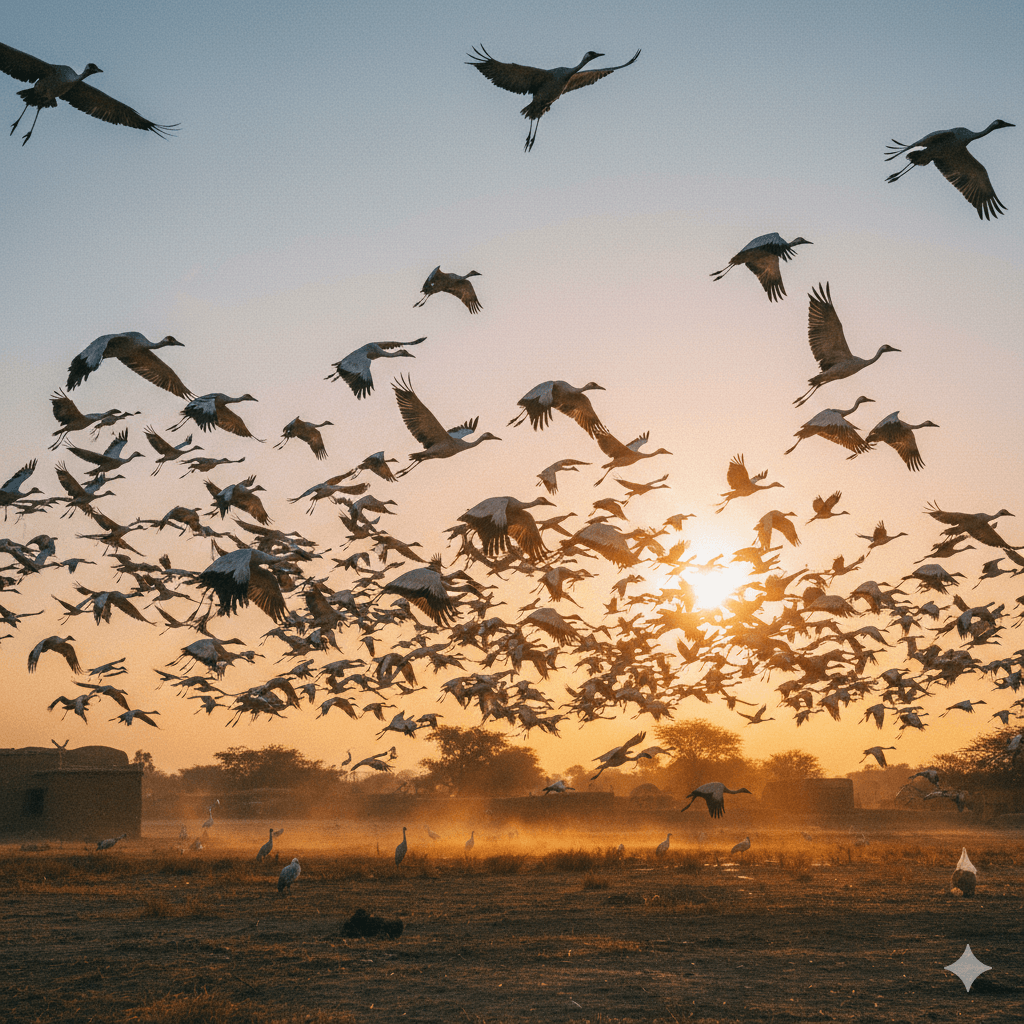
If you do only one thing, make it this. Just a 15-minute drive from Phalodi is the village of Khichan. Every winter, thousands of Demoiselle Cranes (locally called Kurjans) fly all the way from Mongolia and Eurasia to hang out here.
- The Experience: Seeing 20,000 birds land at once for breakfast is like being in a NatGeo documentary, but with more dust and better snacks.
- The Timing: You have to be there at dawn. I know, I know—waking up at 6:00 AM on vacation feels like a crime, but the sight of a “bird cyclone” is worth the lost sleep.
- The “Pro” Move: Bring a decent camera or binoculars. Your iPhone zoom will just give you “blurry grey blobs,” and these birds deserve better.
2. The Salt Pan “Rin” Tour: Sparkling Sodium
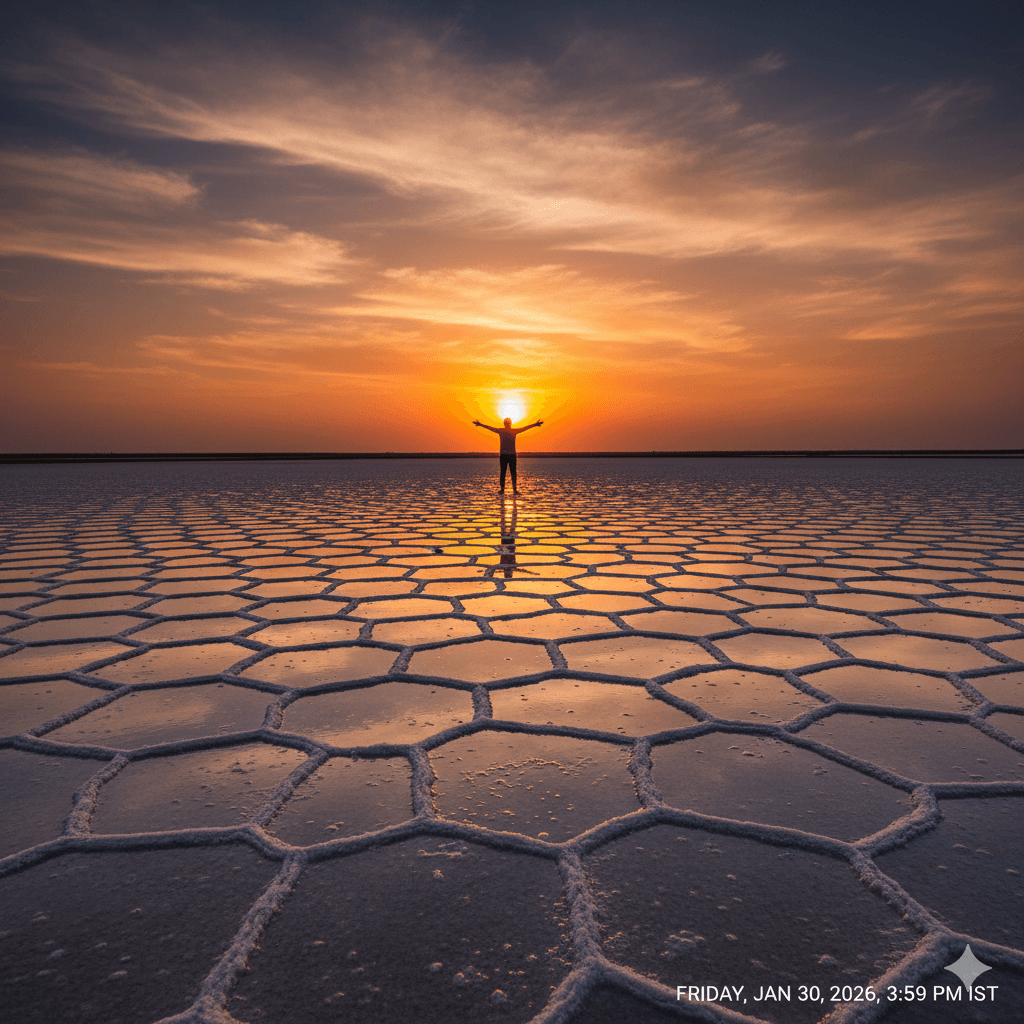
You can’t visit the Salt City and skip the salt, right? Walking onto the Phalodi Rin is a surreal experience. It’s so white it looks like a snowfield, except it’s 30 degrees Celsius and your boots crunch in a very satisfying, salty way.
- What you see: Vast stretches of white pans where local workers harvest salt using traditional methods.
- The Photo Op: Go at sunset. The sky turns purple, the salt stays white, and you look like you’re on another planet.
My “Top Picks” Activity Table
To make your planning easier, here’s how I’d rank the local must-dos:
| Activity | Effort Level | “Wow” Factor | Best Time |
| Khichan Bird Watching | 7/10 (Early start!) | 10/10 | 6:30 AM – 8:00 AM |
| Salt Pan Sunset Walk | 3/10 | 9/10 | 5:30 PM |
| Heritage Haveli Walk | 5/10 | 8/10 | Late Afternoon |
| Satta Bazaar Exploration | 4/10 | 7/10 | Mid-Morning |
3. Satta Bazaar & Old City Wanderings
Walking through the narrow lanes of the old city is where you find the real Phalodi. This is the birthplace of India’s legendary betting culture. While you can’t exactly place a bet on the weather anymore, the energy of the market is still infectious.
- What to look for: Look up! The red sandstone balconies (Jharokhas) are some of the finest in Rajasthan.
- The Vibe: It’s a bustling, honest-to-goodness Marwari market. No one is trying to sell you “authentic” plastic magnets; they’re busy selling spices, salt, and vibrant textiles.
I’ll be honest in this Phalodi Rajasthan travel guide: Phalodi isn’t about checking boxes on a tourist map. It’s about the feeling of being somewhere real. Whether you’re watching a crane fly over a 500-year-old fort or tasting salt right from the source, it’s the kind of place that reminds you why you started traveling in the first place.
5. Best Places for Every Interest Group
One of the things I love most about Phalodi is that it doesn’t try to be everything to everyone—and yet, somehow, it is. Whether you’re a history nerd, a bird-obsessed photographer, or someone just looking for a spiritual reset, this town has a specific corner with your name on it.
After wandering these salty streets, I’ve broken down exactly where you should head based on what makes your heart beat faster. In this Phalodi Rajasthan travel guide, there are no wrong answers, only different vibes.
📸 The “Aesthetic” Hunter (Photographers)
If your camera lens is basically an extension of your arm, Phalodi is your playground.
- The Salt Pans at Sunset: The white “Rin” acts like a giant natural reflector. It’s basically God’s own lighting studio.
- The Havelis of the Old City: Look for the contrast between the dusty blue doors and the deep red sandstone. It’s a color palette that screams “National Geographic.”
🕊️ The Nature Enthusiast (Wildlife Lovers)
- Khichan Bird Sanctuary: This is the undisputed heavyweight champion. Watching the Demoiselle Cranes is a bucket-list experience.
- The Buffer Dunes: Just on the outskirts, you can spot Chinkaras (Indian Gazelles) if you’re quiet enough (and if you stop talking about your favorite Netflix show for five minutes).
🙏 The Soul Searcher (Spiritual Seekers)
Phalodi has a peaceful, sacred energy that isn’t as “commercial” as the bigger temple towns.
- Latiyal Mata Temple: The local patron deity. The atmosphere during evening Aarti is electric but intimate.
- Kalyan Rai Ji Temple: One of the oldest temples in the region. It feels like the stone itself is breathing history.
The “Who Goes Where” Quick Guide
To make your life easier, I’ve mapped out the best spots by interest:
| Interest Group | My Top “Must-Visit” | Best Time | Why You’ll Love It |
| History Buffs | Phalodi Fort | Morning | Raw, un-restored 15th-century grit. |
| Instagrammers | Lal Niwas Haveli | Golden Hour | Ornate carvings that look like stone lace. |
| Wildlife Folks | Khichan Sanctuary | Sunrise | 20,000 birds having a breakfast party. |
| Spiritual Travelers | Latiyal Mata Temple | Evening | A genuine, local religious experience. |
🎒 The Offbeat Adventurer
If you’re like me and you enjoy going places where people ask, “Wait, why are you going there?”, then the Satta Bazaar is your spot. It’s not a “tourist destination” in the traditional sense, but walking through the old market and seeing the legacy of the legendary Marwari traders is as authentic as it gets.
Honestly, the best part of following this Phalodi Rajasthan travel guide is that you won’t be fighting crowds of people with selfie sticks. You’ll just be sharing the view with a few locals, a lot of salt, and a couple thousand cranes.
6. Adventure & Nightlife (The 2026 Update)
If your idea of “nightlife” involves thumping bass and overpriced cocktails, Phalodi is going to be a very quiet reality check. But if you think “nightlife” should involve a billion stars and the distant howl of a desert fox, then welcome to paradise. In this Phalodi Rajasthan travel guide, we’re redefining adventure for the 2026 traveler who wants soul over noise.
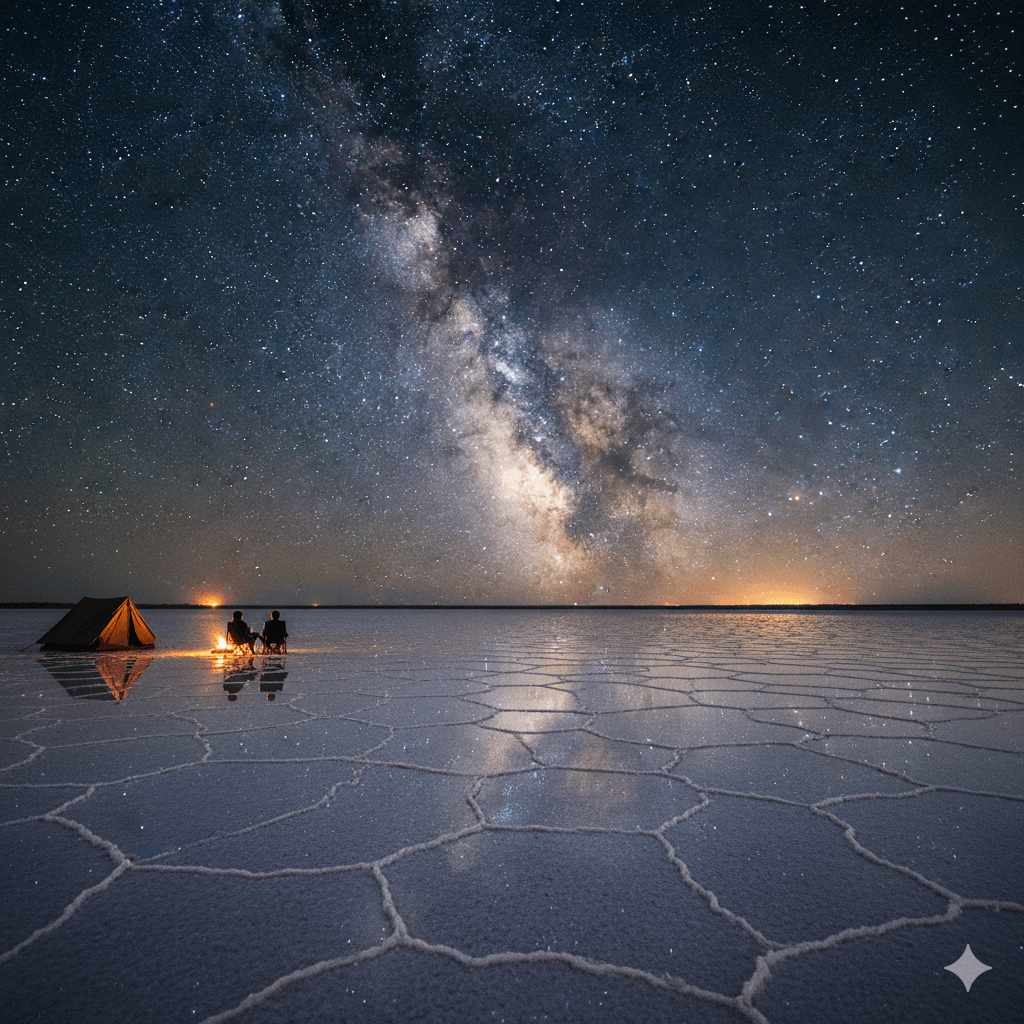
The “Wild” Side: Desert Adventures
Adventure in Phalodi is all about the “Rin” (the salt pans) and the surrounding Thar buffer zones. It’s not about bungee jumping; it’s about the grit of the desert.
- Jeep Safaris into the Bap Dunes: Forget the crowded dunes of Jaisalmer. I took a 4×4 out toward the Bap region, and we didn’t see another soul for three hours. It’s pure, undulating sand and adrenaline.
- Camel Trekking (The Slow Way): For a more “nomadic” vibe, I hopped on a camel for a sunset trek. It’s the original off-roading experience, and my lower back only regretted it for about twenty minutes.
- The Salt Pan “Crunch”: Hiking across the salt pans at dawn or dusk is an adventure in itself. The terrain is surreal—it’s like walking on a giant, sun-baked cracker.
2026 Nightlife: Stars, Salt, and Silence
By 9:00 PM, the town of Phalodi is mostly tucked in. However, the “New District” status in 2026 has brought in a few boutique camps that offer what I call “Deep Desert Chill.”
| Activity | What to Expect | My Humorous Take |
| Stargazing | Zero light pollution. You can see the Milky Way with your naked eye. | You’ll feel so small you’ll forget all about your work emails. |
| Campfire Folk Music | Local Manganiyar singers performing by the fire. | It’s like Spotify, but with more soul and zero “premium” subscription fees. |
| Night Jeep Safari | Spotting nocturnal wildlife like desert cats and owls. | Seeing glowing eyes in the dark is 10% scary, 90% cool. |
My “Nightlife” Recommendations
- The “Bar” Scene: Phalodi is quite traditional. If you’re looking for a drink, your best bet is the bar at Zone Palace by The Park or Lal Niwas. They offer a sophisticated, quiet atmosphere where you can sip a G&T and pretend you’re a 19th-century explorer.
- Midnight Munchies: There aren’t many late-night cafes, but the tea stalls near the Phalodi Junction are often buzzing until late. There’s something magical about drinking hot Chai in the cool desert night air while the trains rumble past.
The 2026 Adventure Checklist
Following this Phalodi Rajasthan travel guide means being prepared for the elements. In 2026, we’ve seen some record-breaking temps, so nighttime is actually the best time for adventure.
- Bring a Headlamp: If you’re out at a desert camp, the “path to the bathroom” can be a bit of a mystery without one.
- Thermal Layers: The desert is a drama queen—it goes from 40°C in the day to 10°C at night. Pack a jacket or you’ll be shivering like a chihuahua.
- Silence is Golden: The best “nightlife” activity here is simply sitting on a dune and listening. The silence of the Thar is so loud it’s almost musical.
7. Nearby & Surrounding Attractions
One of the best things about Phalodi is its “Middle Child” syndrome—it’s perfectly sandwiched between some of the most legendary spots in Rajasthan. If you use this Phalodi Rajasthan travel guide as your base camp, you can explore the nuclear history of India, sacred pilgrimage sites, and desert dunes all within a 90-minute drive.
I spent a few days day-tripping from Phalodi, and honestly, the roads are so straight and surreal that I felt like I was in a Rajasthani remake of Mad Max: Fury Road (minus the fire-breathing guitars).
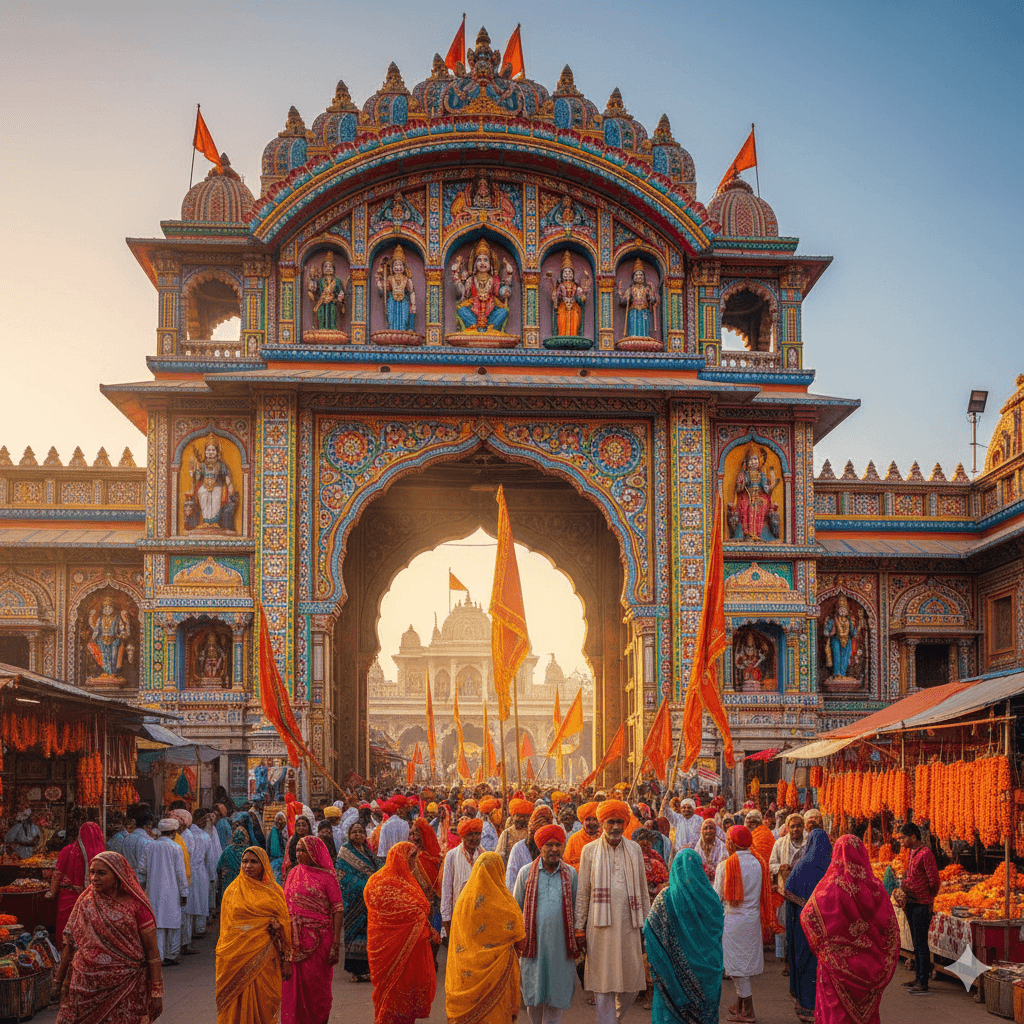
The “Day Trip” Hall of Fame
Here are the spots that are worth the extra fuel:
- Ramdevra (12 km): Just a stone’s throw away! This is the resting place of Baba Ramdev Ji, a 14th-century saint. The energy here is intense and beautiful. Even if you aren’t religious, the sight of thousands of pilgrims carrying colorful flags is something you won’t forget.
- Pokhran (90 km): Yes, that Pokhran. It’s famous for India’s nuclear tests, but it’s also home to the stunning Fort Pokhran. I found the museum inside the fort to be a fascinating mix of royal weaponry and 20th-century history.
- Osian (85 km): Often called the “Khajuraho of Rajasthan.” The 8th-century Sun Temple here is so detailed it makes my high school art projects look like finger painting.
Surrounding Attractions At-A-Glance
To help you decide which direction to point your Jeep, here is my quick comparison:
| Destination | Distance | Vibe Check | My “Don’t Miss” Tip |
| Ramdevra | 12 km | Spiritual & Vibrant | Try the local sweets near the temple entrance. |
| Pokhran | 90 km | Historical & Intense | The library inside the Fort is a hidden gem. |
| Osian | 85 km | Architectural & Sandy | Sunset camel ride at the Osian dunes. |
| Bap | 30 km | Raw & Industrial | Seeing the massive salt storage heaps (White Mountains). |
Why These Spots Matter
Including these nearby gems in your Phalodi Rajasthan travel guide itinerary turns a quick stop into a full-blown desert expedition.
- The “Nuclear” Factor: Standing in Pokhran makes you realize how the desert has been the stage for India’s biggest moments—from medieval battles to modern science.
- The Pilgrimage Path: Driving toward Ramdevra, you’ll see “Padyatris” (foot-travelers) walking hundreds of kilometers. It’s a humbling reminder that while we travel for “the ‘gram,” many people here travel for the soul.
My Humorous Warning: Be careful with the “shortcuts” your GPS suggests between Phalodi and Bap. I once ended up in a field of very confused goats because I thought I knew better than the local signage. Stick to the main NH11 whenever possible!
8. Things to Buy: The Shopper’s List
If your suitcase isn’t already groaning under the weight of your gear, let me help you fix that. Shopping in Phalodi isn’t about high-end malls or air-conditioned boutiques; it’s about navigating narrow lanes where the shopkeepers have been selling the same high-quality goods since your grandfather was in diapers.
In this Phalodi Rajasthan travel guide, I’m skipping the generic “I ❤️ Rajasthan” t-shirts and going straight for the stuff that actually has a story.
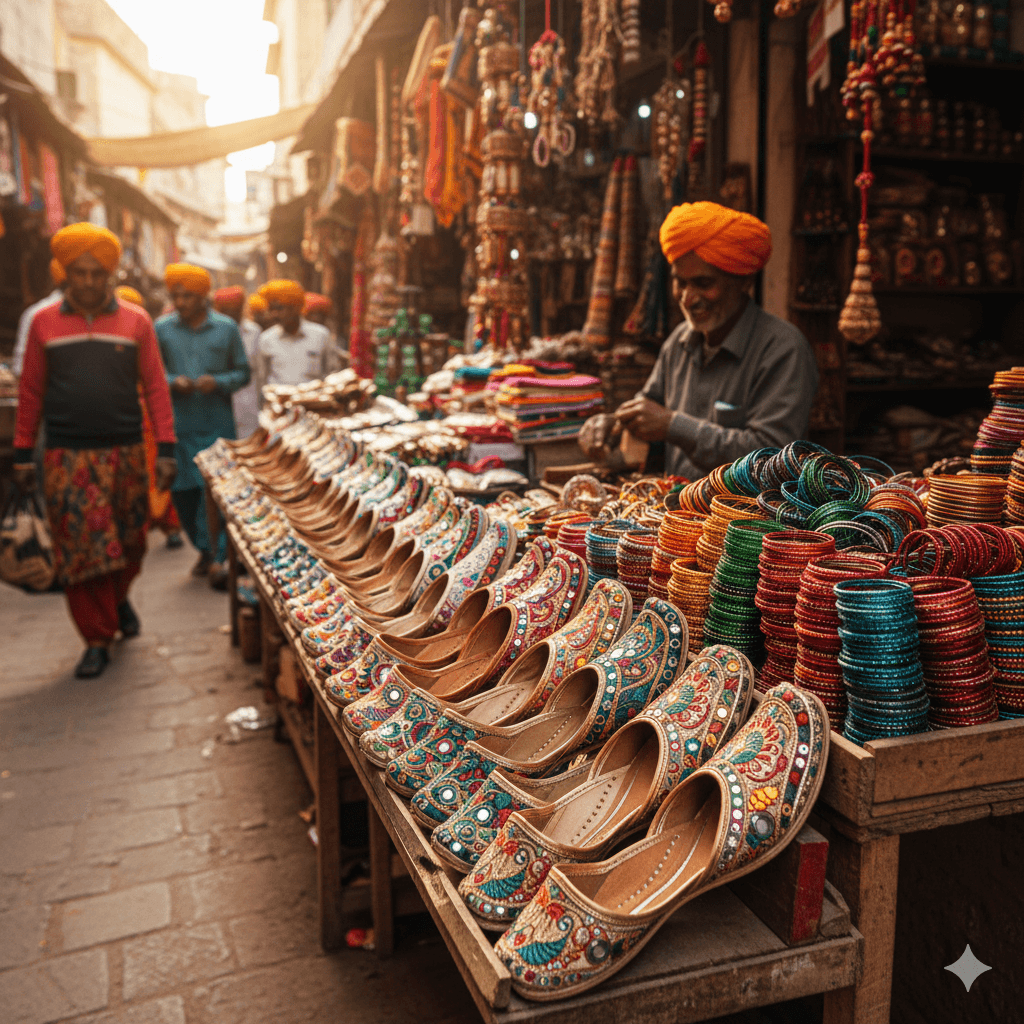
The “Phalodi Essentials” Shopping Guide
Here are the three things that I personally couldn’t resist (and neither should you):
- Phalodi Jootis: These aren’t your flimsy, “wear-once-and-toss” shoes. The leatherwork here is famous for being incredibly durable and heavily embroidered. I bought a pair, and they make me feel like I could walk across the Thar—or at least look very stylish at a dinner party.
- Handmade Bangles: Look for the local lacquer and glass work. The colors are so bright they practically glow in the dark.
- Salt Souvenirs: It’s the Salt City, after all! While you can’t exactly gift wrap a 10kg block of industrial salt, you can find beautifully carved salt lamps and small decorative items that act as a great conversation starter for your coffee table.
My “Haul” Comparison Table
To help you budget your space and cash, here’s my breakdown of the local market finds:
| Item | Price Range (2026) | Portability | The “Cool” Factor |
| Embroidered Jootis | ₹800 – ₹2,500 | High (Wear them home!) | 10/10 |
| Lacquer Bangles | ₹200 – ₹600 | Medium (Fragile!) | 8/10 |
| Bandhani Fabrics | ₹1,500+ | High (Folds small) | 9/10 |
| Antique Brassware | ₹1,000+ | Low (Heavy!) | 7/10 |
Where I Shopped: The “Katla” Experience
The main market area, known locally as the Katla, is where the magic happens.
- The Negotiation: In Phalodi, bargaining is a conversation, not a war. A smile and a “Thoda kam karo” (lower it a bit) goes a long way.
- The Bandhani Find: I stumbled upon a small shop tucked behind a spice stall that had the most exquisite tie-dye (Bandhani) silks. In this Phalodi Rajasthan travel guide, I highly recommend digging deeper than the first row of shops—the real treasures are always hiding in the back.
My Humorous Warning: If you buy a salt lamp, please do not try to “taste” it to check if it’s authentic. I did it so you don’t have to. Spoiler alert: it’s salty. Very salty.
9. Things to Eat: The Phalodi Plate
If you’re on a diet, I suggest you look away now—or better yet, just give up for the weekend. The food in Phalodi is unapologetically Marwari, which means it’s rich, spicy, and usually glistening with enough Ghee to make a cardiologist sweat. But hey, you’re walking through salt pans and climbing forts; you’ve earned those calories!
In this Phalodi Rajasthan travel guide, I’m taking you beyond the standard butter chicken and into the heart of desert soul food.
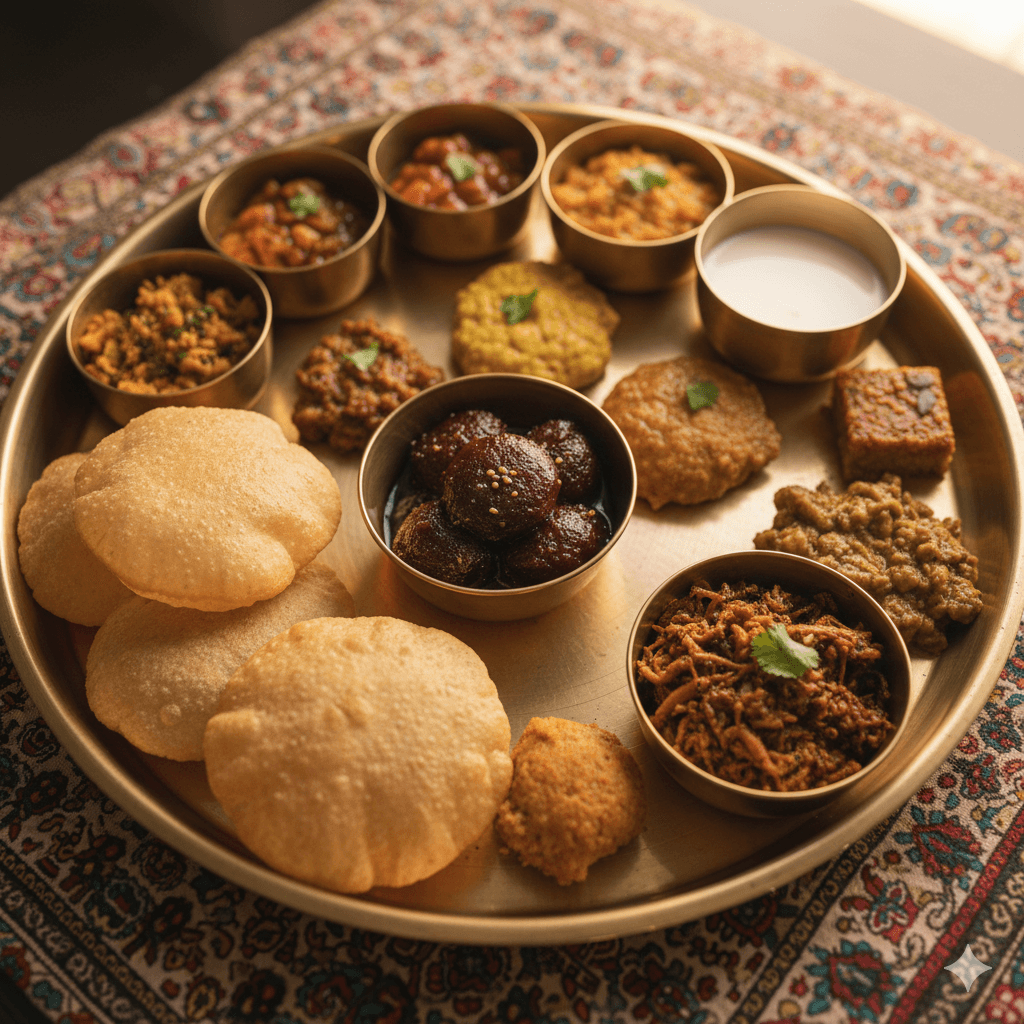
The “Must-Taste” List
Here are the dishes that nearly made me move to Phalodi permanently:
- Phalodi’s Legendary Gulab Halwa: If Phalodi had a king, this would be its crown. Unlike the pink stuff you see elsewhere, this is a dark, caramelized, mawa-based heaven. It’s sticky, nutty, and highly addictive. I told myself I’d only have one bite; three bowls later, I was questioning my life choices.
- Mithi Kachori: Imagine a crispy, deep-fried pastry filled with a sweet, syrupy center. It’s the breakfast of champions (or people who really, really like sugar).
- Ker Sangri: This is the quintessential desert dish. It’s made from dried berries and beans that grow in the Thar. It’s tangy, spicy, and tastes like the desert itself—in a good way!
My “Phalodi Foodie” Report Card
To help you navigate the local eateries, here’s my personal grading system:
| Dish | Spice Level | “Food Coma” Risk | Where to Find It |
| Gulab Halwa | 0/10 | High | Saraswati Misthan Bhandar |
| Ker Sangri | 8/10 | Medium | Marudhara Restaurant |
| Mithi Kachori | 0/10 | Extreme | Main Market Halwai Stalls |
| Mirchi Bada | 11/10 | Low | Street Vendors near the Station |
The Street Food Safari
Wandering the markets, I realized that the best food in Phalodi isn’t found in fancy hotels; it’s found on street corners where the steam is rising from giant iron kadhais (woks).
- The Tea Culture: You haven’t lived until you’ve had a glass of “Masala Chai” from a local stall while discussing the price of salt with a stranger. It’s 10% tea and 90% conversation.
- The Mirchi Bada: A warning for the brave—these are large green chilies stuffed with potato, dipped in batter, and fried. My tongue felt like it was hosting a small fireworks display, but I couldn’t stop eating it.
This Phalodi Rajasthan travel guide wouldn’t be complete without mentioning that Phalodi is quite traditional. Most of the food is vegetarian, but it’s so flavorful you won’t even notice the absence of meat.
My Humorous Advice: Always carry a pack of antacids. Not because the food is bad (it’s incredible), but because your stomach might not be prepared for the sheer bravery of Marwari spices.
10. Travel Itinerary: The 48-Hour Pulse
So, you’ve got two days in the Salt City? Honestly, 48 hours is the “Goldilocks” amount of time—it’s just enough to see the big hitters without feeling like you’re rushing through a desert marathon. Follow this Phalodi Rajasthan travel guide itinerary, and I promise you’ll leave feeling like a local (and maybe slightly saltier).
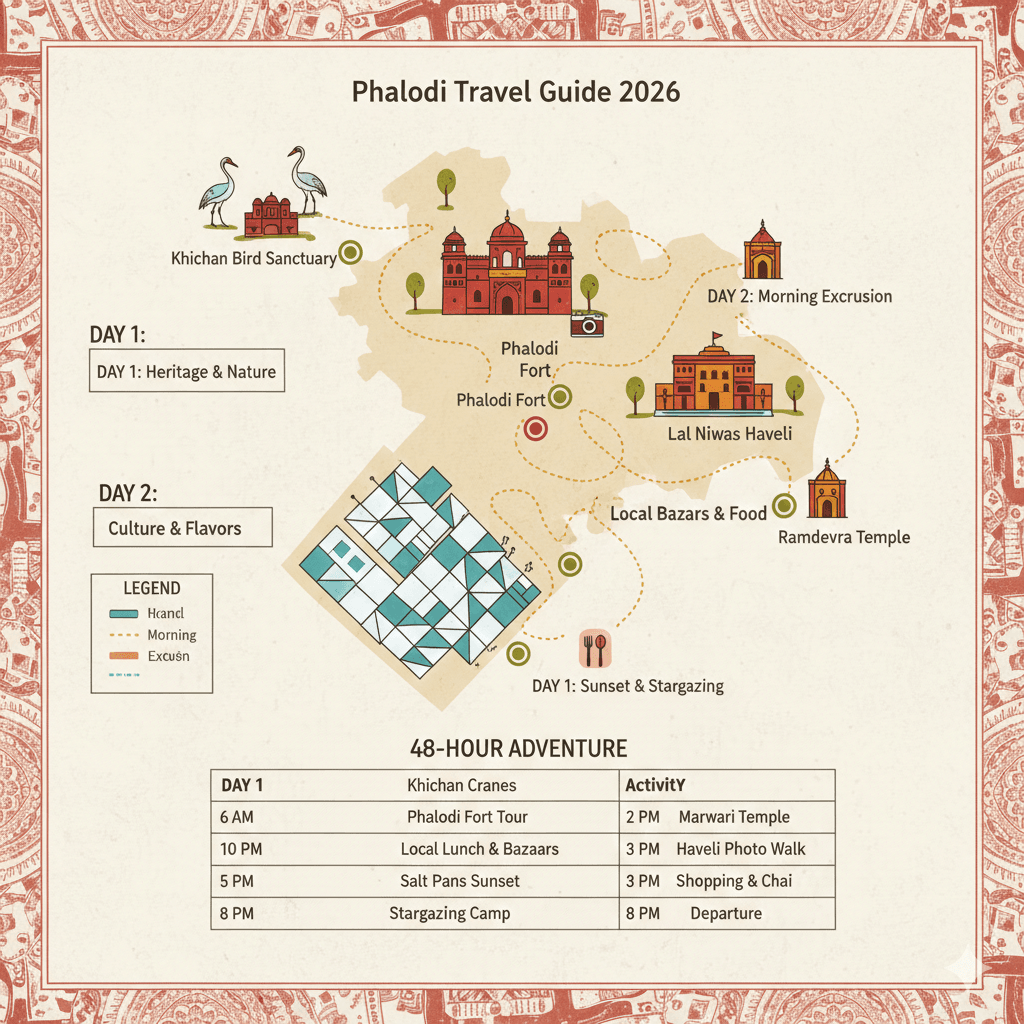
Day 1: The Heritage & Salt Immersion
- 09:00 AM – The Grand Entry: Check into a heritage stay like Lal Niwas. Take ten minutes to just stare at the carvings. It’s better than caffeine.
- 11:00 AM – Fort & Faith: Head to the Phalodi Fort. It’s raw, it’s real, and it’s free! Afterward, walk across the street to the Kalyan Rai Ji Temple to see the 12th-century inscriptions.
- 01:30 PM – The Marwari Feast: Lunch at a local dhaba. Order the Ker Sangri. If your forehead isn’t sweating from the spice, you aren’t doing it right.
- 04:00 PM – The “White Out”: Grab a rickshaw to the Phalodi Rin (Salt Pans).
- 06:00 PM – Sunset Magic: Watch the sun go down over the salt pans. It looks like a pink fireball falling into a sea of sugar.
Day 2: Birds, Beliefs, and Beyond
- 06:30 AM – The “Bird Cyclone”: Drag yourself out of bed and head to Khichan. Watching thousands of cranes fly in for breakfast is a spiritual experience, even for the non-religious.
- 10:00 AM – Temple Hopping: Visit the Parsnath Jain Temple. The glasswork inside is so shiny you might need your sunglasses indoors.
- 12:30 PM – Quick Bit & Shop: Head to the Katla market. Buy your jootis and grab some Gulab Halwa for the road.
- 02:30 PM – The Outskirt Dash: Take a short drive to Ramdevra (12km away). The vibrant energy of the pilgrims is the perfect way to wrap up your trip.
- 06:00 PM – Departure: Head back to Jodhpur or Jaisalmer with a camera full of photos and a heart full of salt.
The “Pulse” Itinerary Breakdown
| Time Block | Activity | Vibe |
| Day 1 Morning | History & Architecture | “Wow, people built this?” |
| Day 1 Evening | Salt Pan Sunset | “Am I on another planet?” |
| Day 2 Morning | Khichan Bird Watching | “Birds are cooler than people.” |
| Day 2 Afternoon | Shopping & Ramdevra | “I need more space in my suitcase.” |
Why This Itinerary Works
This Phalodi Rajasthan travel guide plan is designed to maximize “Golden Hour” lighting for your photos while giving you plenty of “Chai breaks” to soak in the local culture.
My Humorous Pro-Tip: On Day 2, when you’re at Khichan, don’t try to feed the birds your leftover kachori. They are very posh travelers and they only stick to their specific grain diet. Respect the hustle!
11. Beyond the Salt: Offbeat Secrets & Responsible Travel
If you’ve followed this Phalodi Rajasthan travel guide this far, you’re clearly not looking for the typical tourist trap. You want the secrets. You want the places where the GPS gets confused and the stories get deep. Here are two “extra-credit” stops that will make your trip unforgettable.
1. The Guardians of Nature: A Visit to the Bishnoi Villages
Just on the outskirts of the Phalodi district, you’ll find the Bishnoi community. These folks are the world’s first true environmentalists.
- The Vibe: They’ve been protecting trees and wildlife for centuries—long before “sustainability” was a buzzword.
- The Experience: You can often arrange a visit to see their traditional round huts (Dhani), watch local potters at work, and if you’re lucky, spot the Blackbuck antelope grazing right in their backyards. They treat these animals like family, and it’s a beautiful thing to witness.
2. Bap Village: The “Other” Salt Hub
If you want a salt pan experience that is even more rugged than Phalodi’s, take a 30km drive to Bap.
- The “White Mountains”: Bap has massive storage heaps of salt that look like snow-capped mountains.
- The Stay: Look for Barsingha Villa. It’s a stunning heritage stay that feels like a private oasis. It’s the kind of place where you can sit in a courtyard and hear nothing but the wind.
Offbeat Comparison: Which “Secret” is for You?
| Feature | The Bishnoi Experience | Bap Village Exploration |
| Primary Goal | Cultural & Wildlife Connection | Photography & Deep Silence |
| Best Asset | Seeing Blackbucks & traditional pottery | The “White Mountain” salt heaps |
| Traveler Type | The “Conscious Traveler” | The “Solitude Seeker” |
| Humor Rating | 5/10 (Serious respect for nature!) | 8/10 (Trying to explain “it’s salt, not snow” to your friends) |
3. Sustainable Salt: How to Give Back
When using this Phalodi Rajasthan travel guide, remember that the salt industry is backbreaking work.
- Buy Local: Instead of buying factory-made souvenirs, look for salt-related crafts made by local artisans.
- Pack In, Pack Out: The desert ecosystem is fragile. Don’t leave your plastic water bottles in the pans—the salt might preserve them forever, and that’s not the legacy we want!
My Humorous Note: If you visit the Bishnoi, remember: don’t even think about plucking a leaf from a tree. They take “hug a tree” quite literally, and you’ll find yourself in a very polite but very firm lecture about the sanctity of nature.
12. The 2026 Insider’s Scoop: New Routes & Local Legends
Phalodi is no longer just a “stopover” on the way to Jaisalmer. Thanks to the massive infrastructure boom of 2025-2026, getting here is half the fun. Plus, if you dig a little deeper than the salt pans, you’ll find stories of folk heroes that make Game of Thrones look like a bedtime story.
In this Phalodi Rajasthan travel guide, I want to make sure you’re using the best roads and seeing the most meaningful shrines.

1. The Bharat Mala Highway: Your Desert Expressway
The recently completed sections of the Bharat Mala Highway near Matoda have changed the game.
- The Drive: It’s a world-class tarmac that cuts through the desert. If you’re driving from Jodhpur or Bikaner, you’ll shave nearly an hour off your trip.
- The View: You’ll pass massive solar farms (Phalodi is a green energy hub now!) and stretches of dunes that were previously inaccessible.
2. The Legend of Pabuji (Kolu Village)
Just 27 km from Phalodi lies Kolu, the birthplace of Pabuji, a legendary folk deity.
- The Panorama: There’s a beautiful new “Panorama” museum built by the Heritage Authority. It’s an immersive way to learn about the “Protector of Camels.”
- The Vibe: The Pabuji Ki Phad (traditional scroll painting and singing) is often performed here. It’s haunting, beautiful, and 100% authentic.
2026 Infrastructure & Tech Update
| Feature | 2026 Status | Why It Matters for You |
| Bharat Mala Highway | Fully Operational | Faster, safer access from Jodhpur/Bikaner. |
| Solar Power Hubs | Expanding | Surreal “blue mirror” landscapes for photography. |
| Vande Bharat Exp. | Nearby Connectivity | Faster rail links to Jodhpur & Delhi Cantt. |
| 5G Coverage | Town-wide | Perfect for digital nomads working from heritage cafes. |
3. The “Betting” Heritage: More than just Money
We mentioned the Satta Bazaar earlier, but did you know it started with weather betting? Historically, merchants would bet on the shape of clouds to predict rain and salt prices.
- The Living Museum: Ask a local elder near the Main Circle about the “Rain Gauges” of the old days. It’s a fascinating look at how business and nature were once tied together.
By including these modern updates in your Phalodi Rajasthan travel guide, you aren’t just visiting an old town—you’re witnessing a historic hub transforming into a future-ready destination.
13. Events & Festivals (2026 Calendar)
If you think the desert is quiet, you’ve clearly never been here during a festival. When Phalodi decides to party, it doesn’t do it with half-measures. It’s a whirlwind of neon turbans, folk music that vibrates in your chest, and enough sweets to keep a dentist in business for a decade.
In this Phalodi Rajasthan travel guide, I’ve mapped out the 2026 calendar so you don’t accidentally show up the day after the best party in the Thar.

The Big 2026 Highlights
- The Kurja Festival (January – February 2026): This is a local favorite in Khichan. It’s a celebration of the Demoiselle Cranes. Expect local school kids performing dances and folk singers praising the birds’ long journey from Siberia. It’s wholesome, it’s loud, and it’s beautiful.
- Holi in the Haveli Lanes (March 2026): Forget the “organized” Holi events in big cities. Holi in Phalodi is a riot of organic colors in the narrow sandstone alleys. I saw a camel decorated with pink powder once—he looked fabulous.
- Latiyal Mata Mela (October 2026): During Navratri, the town’s patron deity is celebrated with a massive fair. It’s the best time to see traditional Rajasthani wrestling and local crafts.
2026 Phalodi Festival Cheat Sheet
| Festival | Dates (Approx.) | What Happens? | My “Insider” Tip |
| Kurja Bird Festival | Jan 15 – Feb 10 | Bird conservation talks & folk music. | Bring a telephoto lens; the “action” is in the air! |
| Maha Shivratri | February 15 | All-night chanting at Kalyan Rai Ji Temple. | Great for “Soul Searchers.” |
| Rajasthan Day | March 30 | Cultural parades and local food stalls. | The best day to try “Ghoomar” dancing (or just watch). |
| Navratri Mela | Oct 10 – Oct 19 | Massive local fair and night markets. | Buy your antiques here; the variety is amazing. |
Why You Should Plan Around These Dates
Planning your trip using this Phalodi Rajasthan travel guide means you get to see the town “in technicolor.”
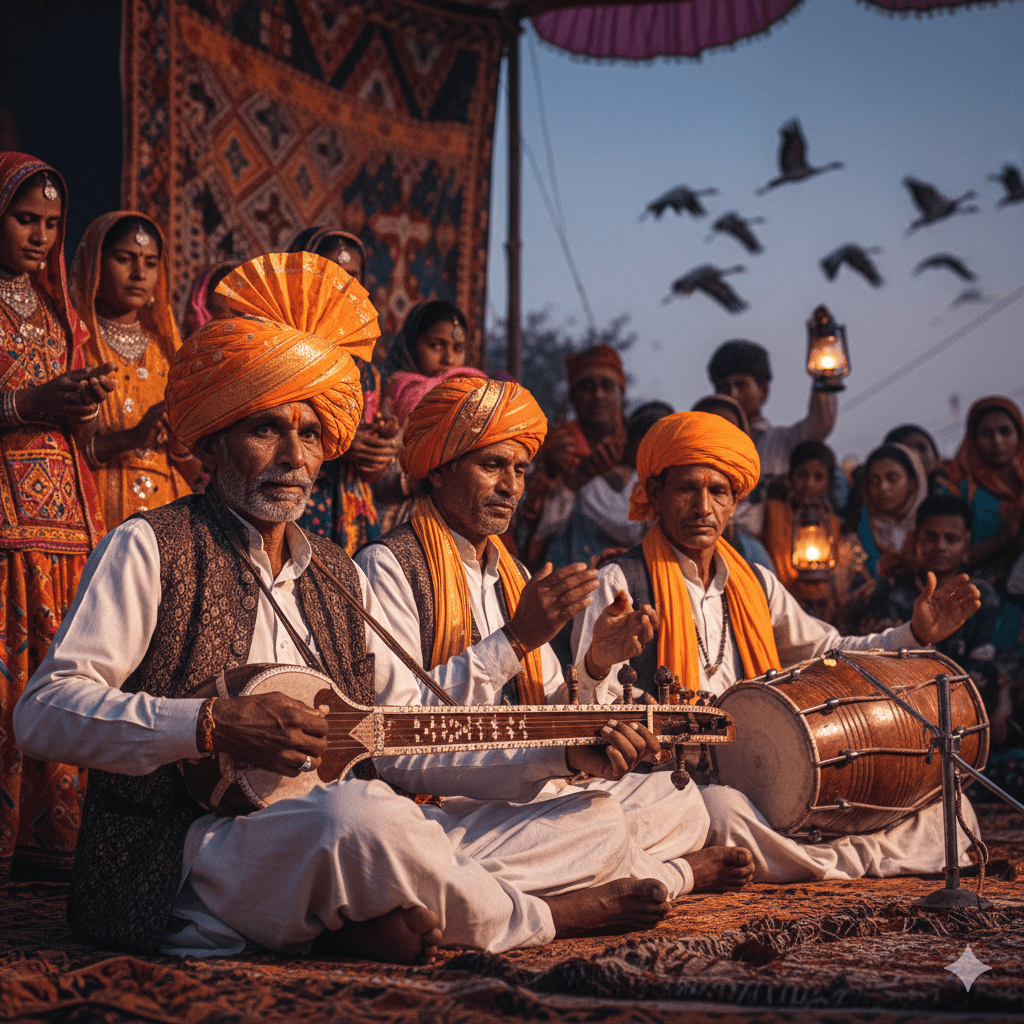
- The Music: During festivals, you’ll hear the Kamayacha (a string instrument) being played in the streets. It’s the hauntingly beautiful soundtrack of the Thar.
- The Food: Festivals mean special batches of Gulab Halwa and fried savories that aren’t usually available.
My Humorous Warning: If you visit during Holi, do not wear your favorite white linen shirt unless you want it to become a permanent piece of tie-dye “art.” Also, “Bhang” lassi is a real thing here—drink responsibly, or you might find yourself trying to have a serious conversation with a goat.
14. Advice & Travel Tips (The “Don’t Be a Tourist” Guide)
Look, I’ve made enough travel mistakes to fill a book—from wearing flip-flops on a desert hike to forgetting that “mildly spicy” in Rajasthan actually translates to “lava.” To make sure your trip is smoother than a freshly polished sandstone haveli, I’ve put together this list of hard-earned wisdom.
Consider this section of my Phalodi Rajasthan travel guide your personal cheat code for the Salt City.

1. The “Modesty & Manners” Rule
Phalodi is a traditional town. Unlike the backpacker hubs of Pushkar or Jaisalmer, people here are a bit more conservative.
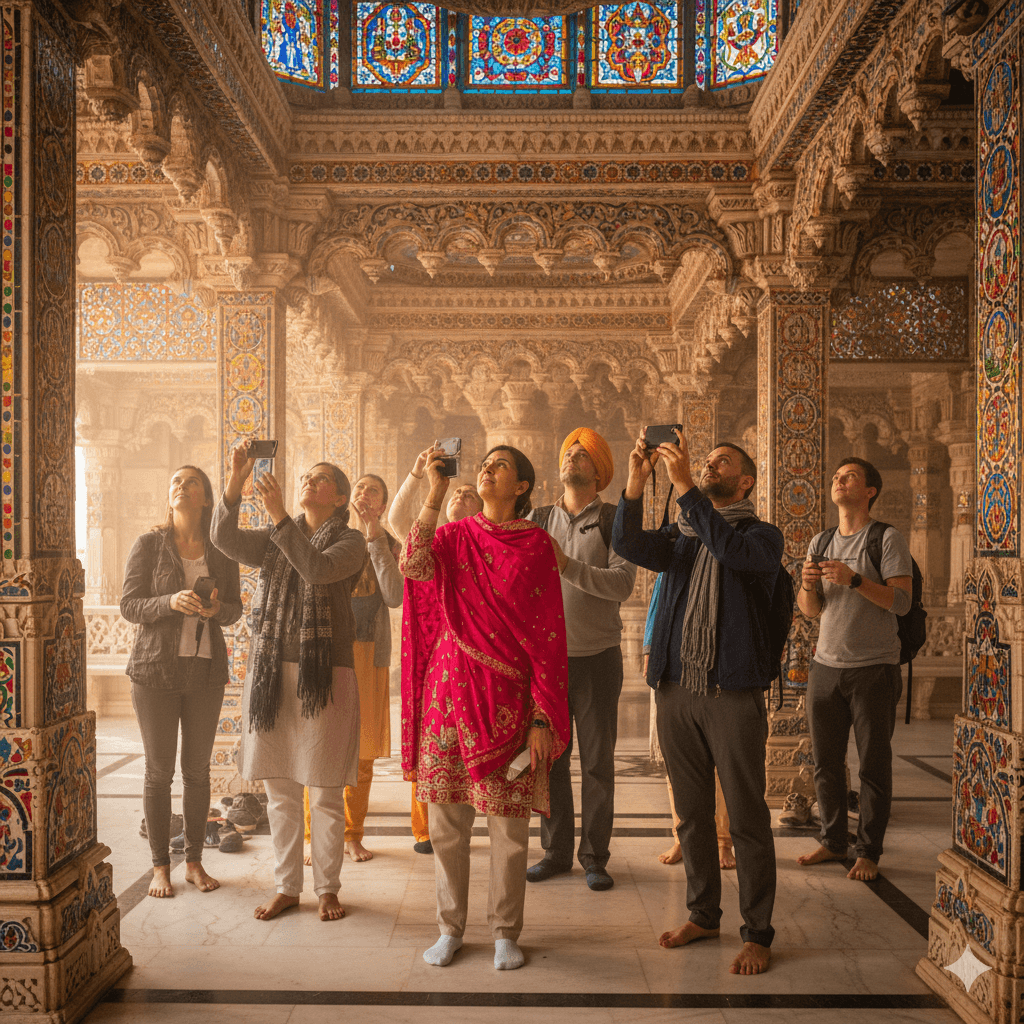
- Dress Code: I always recommend covering your shoulders and knees, especially near temples.
- Footwear: You’ll be taking your shoes off a lot at temples. Wear something easy to slip on and off—unless you enjoy wrestling with complicated laces while a line of people waits behind you.
2. Respecting the “Kurjan” (Cranes)
When you’re at Khichan, remember: you are in their dining room.
- Keep your distance: Don’t run toward the birds for a “close-up.” It scares them, and the locals (who protect these birds like family) won’t be happy.
- Silence is key: I noticed the birds are super sensitive to loud noises. Whisper like you’re in a library.
My “Traveler’s Survival” Cheat Sheet
To keep your sanity intact, here is my quick-reference guide for the desert:
| The Problem | The Solution | My Personal Tip |
| The Glare | Polarized Sunglasses | The white salt pans are blindingly bright. Don’t go “naked-eyed.” |
| Dehydration | Electrolytes / ORS | Water isn’t enough when you’re sweating in 35°C+. |
| Low Signal | Offline Maps | Download the Phalodi area on Google Maps before you arrive. |
| Dust | A Scarf / Cotton Dupatta | Great for covering your face during a sudden wind gust. |
3. Cash is Still King (Mostly)
While 5G and UPI (digital payments) are everywhere in India in 2026, the smaller street vendors in Phalodi might still prefer cold, hard cash.
- Strategy: Keep a stash of ₹100 and ₹500 notes.
- ATM Alert: There are ATMs in the main market, but they occasionally run out of cash or don’t like international cards. Better to withdraw your “fun money” in Jodhpur before you head out.
4. Bargaining: The Art of the Smile
In this Phalodi Rajasthan travel guide, I have to emphasize: bargaining is not a battle; it’s a social dance.
- The Method: Ask the price, counter with 60%, and settle somewhere in the middle.
- The Vibe: If you’re friendly and share a joke, you’ll get a much better price than if you’re aggressive.
My Humorous Pro-Tip: If a local offers you “Masala Chai” while you’re shopping, say yes! It’s the universal sign of hospitality. Just be prepared that “one cup” might turn into a two-hour conversation about your family history and why you aren’t married yet (or why you don’t have kids).
15. Important Information & FAQ
You’ve got the itinerary, you know what to eat, and you’ve hopefully cleared some space in your suitcase for salt lamps. But before you head out, there are always those “wait, what about…?” questions that pop up at 2:00 AM while you’re packing.
In this final section of our Phalodi Rajasthan travel guide, I’m rapid-firing the most important logistics to keep you safe, connected, and savvy in 2026.

The “Safety & Logistics” Directory
If you find yourself in a pinch (or just need a doctor because you ignored my warning about the Mirchi Bada), keep these numbers and spots handy:
| Category | Contact / Location | My Note |
| Emergency (All-in-One) | 112 | The national emergency number in India. |
| Medical Help | Krishna Multispeciality Hospital | One of the most reliable spots for travelers. |
| Police | Phalodi Police Station | Located near the Fort; very helpful to tourists. |
| Tourist Helpline | 1363 | Multilingual support for all things travel-related. |
Frequently Asked Questions (FAQ)
Q: Is Phalodi safe for solo female travelers in 2026? A: Absolutely. I found the locals to be incredibly respectful. However, Phalodi is a “sleepy” town compared to Jaipur. My advice? Avoid wandering deep into the salt pans alone after dark, and stick to the well-lit market areas in the evenings.
Q: Can I use my credit card everywhere? A: Short answer: No. Long answer: Phalodi Rajasthan travel guide alert! While hotels like Lal Niwas and Zone Palace take cards and UPI, the small shops in the Katla market are strictly cash or UPI (digital wallet). Carry a few ₹500 notes for emergencies.
Q: Do I need a permit to visit the Salt Pans? A: Generally, no. Most of the “Rins” are open, but if you want to go deep into an active harvesting area, it’s polite to ask the local supervisor. They usually just smile and point you toward the best photo spot.
Q: What’s the mobile connectivity like in the desert? A: 5G has officially hit the town center! But once you get out into the salt pans or toward the Bap dunes, your signal will drop faster than a hot potato. Download your maps for offline use—don’t let a “Searching for Signal” screen be your only desert view.
The “Insider” Final Tips:
- Water Wisdom: Stick to bottled or filtered water. The local water is high in minerals (surprise, surprise, it’s the Salt City!), and your stomach might not appreciate the “authentic” mineral boost.
- Tipping: 10% is standard in restaurants. For guides or drivers who go above and beyond, a little extra is always appreciated and goes a long way.
- Charging: Most heritage hotels have the standard Indian 3-pin plugs. If you’re coming from the US or UK, bring a universal adapter.
My Final Humorous Thought: If you get lost, just look for the cranes. They always know where the water is, and where there’s water, there’s usually a tea stall with someone willing to give you directions.
14. Conclusion: Is Phalodi Calling Your Name?
If you’ve made it this far in my Phalodi Rajasthan travel guide, you’re probably one of two people: either you’re already halfway through packing your bags, or you’re still trying to wrap your head around the idea of a “Salt City” that is actually a sanctuary for thousands of Mongolian birds.
Phalodi isn’t just another pin on a map of Rajasthan. It’s a place that asks you to slow down, breathe in the salty air, and appreciate the grit of the desert. Whether you’re standing in the middle of a white “Rin” at sunset or sharing a cup of chai in the shadow of a 500-year-old fort, this town leaves a mark on you that’s as permanent as a desert sun-tan.
Quick “Vibe Check” Summary
| If You Love… | You’ll Find It At… |
| Wildlife Spectacles | Khichan Bird Sanctuary |
| Instagrammable Voids | The Salt Pans at Bap & Phalodi |
| Deep History | Kolu Pabuji & Phalodi Fort |
| Carbohydrate Heavens | The Gulab Halwa Stalls |
Let’s Make Your Trip Happen!
I don’t want you to just read about the salt—I want you to taste it (okay, maybe not literally, remember my warning about the lamps!).
Following this Phalodi Rajasthan travel guide is just the start. The real magic happens when you get there and find your own “secret spot” that I haven’t even discovered yet.
📣 Your Next Steps (Pick One!)
- Got Questions? Drop a comment below! Whether it’s about the best 2026 train routes or which haveli has the best Wi-Fi, I’m here to help.
- Share the Salt: If you found this guide helpful, send it to that one friend who is always looking for “somewhere no one else has been yet.”
Wait! Before you go… Have you ever been to a place that felt like a secret? Let me know in the comments. I’m always looking for my next offbeat destination!
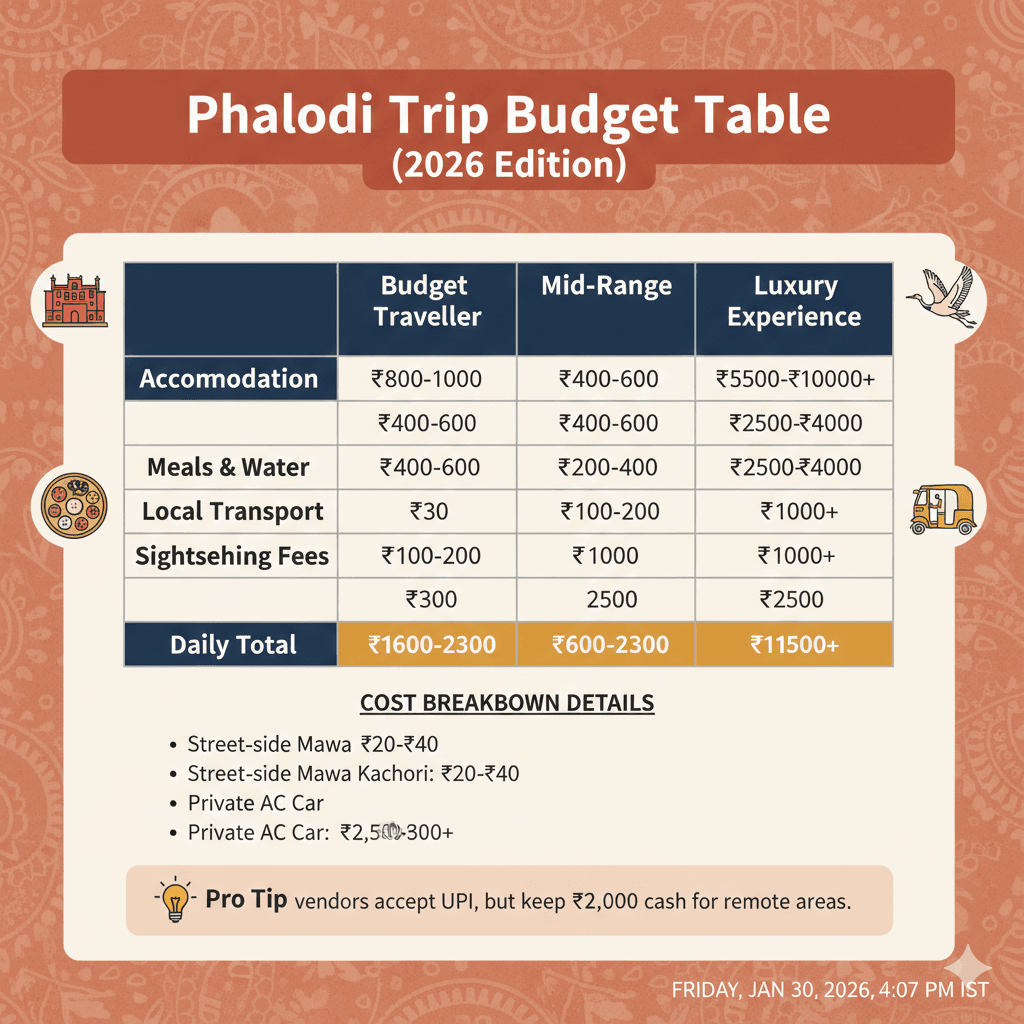
15. Phalodi Trip Budget Table (2026)
| Expense Category | Budget Traveller (Hostels/Guesthouses) | Mid-Range (Boutique Hotels) | Luxury Experience (Havelis/Resorts) |
| Accommodation | ₹800 – ₹1,200 | ₹1,800 – ₹3,500 | ₹5,500 – ₹10,000+ |
| Meals & Water | ₹400 – ₹600 | ₹1,000 – ₹1,800 | ₹2,500 – ₹4,000 |
| Local Transport | ₹300 (Shared Autos) | ₹800 (Private Auto) | ₹2,500 (Private AC Car) |
| Sightseeing Fees | ₹100 – ₹200 | ₹300 – ₹500 | ₹1,000+ (Guided Tours) |
| Daily Total | ₹1,600 – ₹2,300 | ₹3,900 – ₹6,600 | ₹11,500+ |
Cost Breakdown Details
1. Stay
- Budget: Simple guesthouses like Hotel Anand or Chetanya Palace offer basic rooms for ~₹1,000.
- Luxury: Staying at a restored heritage property like Zone Palace by the Park (Lal Niwas) can cost anywhere from ₹4,500 to ₹12,000 depending on the suite and season.
2. Food
- Local Treats: A street-side Mawa Kachori or Samosa costs around ₹20–₹40.
- Dining: A traditional Marwari Thali at a local dhaba is roughly ₹200–₹300, while a fine-dining experience at a Haveli restaurant will be ₹800+.
3. Transport
- Rickshaws: A short trip within the town is usually ₹30–₹50. For a full-day trip to Khichan and the Salt Pans, expect to pay a private auto driver ₹600–₹900.
- Private Cabs: Hiring an AC sedan for a day trip (including Ramdevra) starts around ₹2,500–₹3,500.
4. Sightseeing
- Khichan Bird Sanctuary: No entry fee, but many visitors choose to donate to the bird-feeding society.
- Phalodi Fort & Temples: Most have no or very nominal entry fees (₹20–₹50), but local guides appreciate a tip of ₹200–₹500 for a detailed walking tour.
Pro Tip: In 2026, most local vendors in Phalodi accept UPI (PhonePe/GPay), but keep at least ₹2,000 in cash for remote areas like the Salt Pans where network signals can be spotty.
Would you like me to create a “Shopping Price Guide” for items like Jootis and local textiles?Here is a budget breakdown to help you plan your Phalodi trip for 2026. These estimates are per person, based on a 48-hour (2-day) stay.
Phalodi Trip Budget Table (2026)
| Expense Category | Budget Traveller (Hostels/Guesthouses) | Mid-Range (Boutique Hotels) | Luxury Experience (Havelis/Resorts) |
| Accommodation | ₹800 – ₹1,200 | ₹1,800 – ₹3,500 | ₹5,500 – ₹10,000+ |
| Meals & Water | ₹400 – ₹600 | ₹1,000 – ₹1,800 | ₹2,500 – ₹4,000 |
| Local Transport | ₹300 (Shared Autos) | ₹800 (Private Auto) | ₹2,500 (Private AC Car) |
| Sightseeing Fees | ₹100 – ₹200 | ₹300 – ₹500 | ₹1,000+ (Guided Tours) |
| Daily Total | ₹1,600 – ₹2,300 | ₹3,900 – ₹6,600 | ₹11,500+ |
Cost Breakdown Details
1. Stay
- Budget: Simple guesthouses like Hotel Anand or Chetanya Palace offer basic rooms for ~₹1,000.
- Luxury: Staying at a restored heritage property like Zone Palace by the Park (Lal Niwas) can cost anywhere from ₹4,500 to ₹12,000 depending on the suite and season.
2. Food
- Local Treats: A street-side Mawa Kachori or Samosa costs around ₹20–₹40.
- Dining: A traditional Marwari Thali at a local dhaba is roughly ₹200–₹300, while a fine-dining experience at a Haveli restaurant will be ₹800+.
3. Transport
- Rickshaws: A short trip within the town is usually ₹30–₹50. For a full-day trip to Khichan and the Salt Pans, expect to pay a private auto driver ₹600–₹900.
- Private Cabs: Hiring an AC sedan for a day trip (including Ramdevra) starts around ₹2,500–₹3,500.
4. Sightseeing
- Khichan Bird Sanctuary: No entry fee, but many visitors choose to donate to the bird-feeding society.
- Phalodi Fort & Temples: Most have no or very nominal entry fees (₹20–₹50), but local guides appreciate a tip of ₹200–₹500 for a detailed walking tour.
Pro Tip: In 2026, most local vendors in Phalodi accept UPI (PhonePe/GPay), but keep at least ₹2,000 in cash for remote areas like the Salt Pans where network signals can be spotty.
16. The “How to Get There” Section (Vital for SEO)
Travelers need to know the actual mechanics of reaching Phalodi.
- By Air: Mention that the nearest airport is Jodhpur (JDH), about 140 km away. Recommend booking a pre-paid taxi from the airport or taking the train.
- By Rail: Phalodi has its own station (PLC). Mention the direct trains from Delhi (Mandore Express) or Jaisalmer.
- By Road: It’s a smooth drive on NH11. Mention it’s a perfect “halfway stop” for those driving between Jodhpur and Jaisalmer.
Best Time to Visit (Seasonal Nuances)
Don’t just say “Winter.” Give them the specifics:
- The “Crane Window” (Sept – March): This is the only time to see the Demoiselle Cranes in Khichan.
- The Heat Warning: Mention that May and June can see temperatures hitting 50°C (122°F), making outdoor sightseeing nearly impossible.
A “Cultural Etiquette” Checklist
Since your guide features many religious sites, a quick “Dos and Don’ts” list adds high value:
- Footwear: Remind them to remove shoes before entering any temple or traditional Haveli living area.
- Photography: Note that while the outside of Jain Temples is fine, some inner sanctums forbid photography (always ask the priest first).
- Modesty: Carry a light scarf (as shown in your flat-lay image) to cover shoulders when entering the Ramdevra Temple.
Niche Local Recommendations
To make it feel like an “Insider’s Scoop,” name-drop a few legendary local spots:
- The Mawa Kachori: Specifically mention that Phalodi is famous for its Sodhani Sweets or similar local vendors.
- The Solar Hub: Mention that Phalodi is one of India’s largest solar energy hubs—seeing the “Sea of Blue” solar panels at sunset is a modern marvel alongside the ancient salt pans.
Interactive “Checklist” for Readers
End the article with a “Ready to Go?” checklist to encourage engagement:
- Booked a stay at a heritage Haveli?
- Packed earth-toned clothes for birdwatching?
- Set an alarm for the 6:00 AM bird feeding in Khichan?
- Downloaded offline maps for the salt pan area?