Rajasthan Off-Season Travel: Save You 60% on Luxury Stays
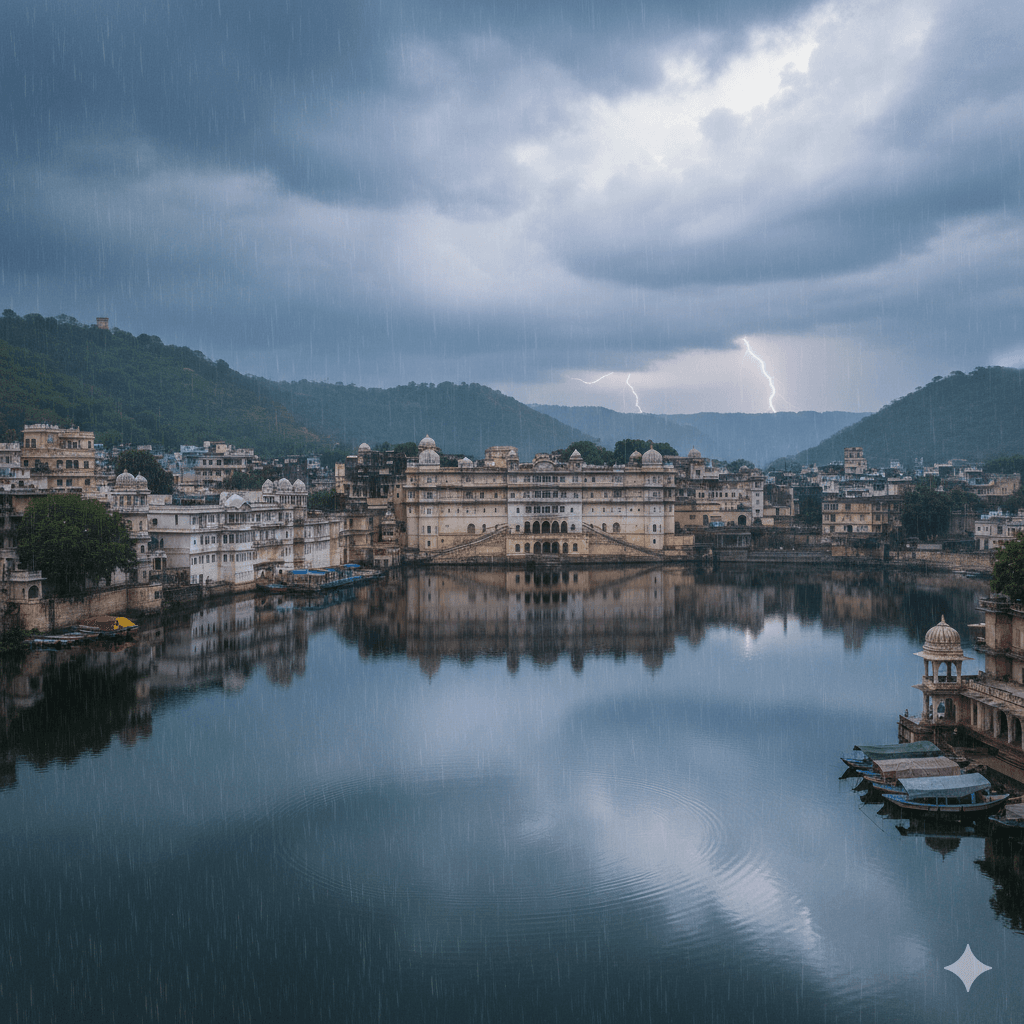
1. Monsoon Arbitrage: Your High-Value Strategy for Rajasthan Off-Season Travel
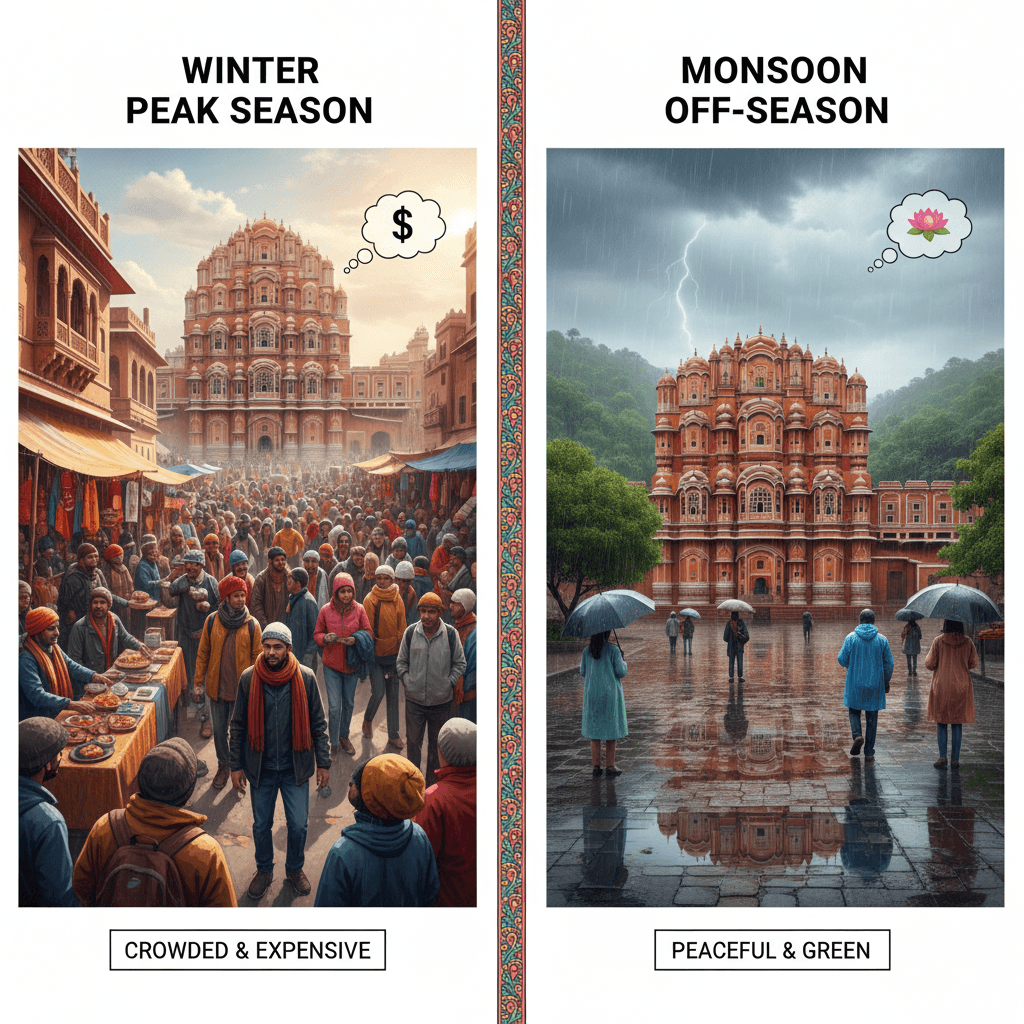
In the world of strategic investments, we look for “arbitrage”—the opportunity to buy an asset at a lower price in one market than another. In 2026, Rajasthan off-season travel in July is exactly that. While the “Winter Bulls” pay a premium for crowded forts and sold-out hotels in December, the smart traveler enters the market in July to liquidate stress at a 60% discount.
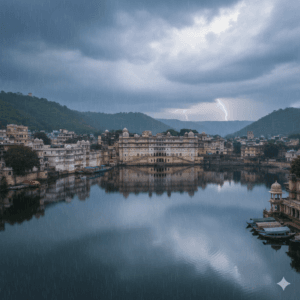
The “Market Sentiment” often suggests that the desert is too hot in July. However, my recent audit shows that the monsoon transforms the parched Aravallis into a lush, green “Growth Portfolio.” You get the same royal heritage, the same five-star service, but with fewer “Competitors” (tourists) and significantly lower “Operating Costs” (room rates).
The July “Luxury Liquidity” Audit: Peak vs. Off-Season
| Luxury Asset (Hotel Type) | Peak Season Rate (Dec) | July Off-Season Rate | Strategic ROI (Savings) |
| Palatial Heritage Suite | ₹85,000 / night | ₹34,000 / night | 60% Savings |
| Boutique Haveli | ₹12,000 / night | ₹5,500 / night | 54% Savings |
| Luxury Glamping Resort | ₹25,000 / night | ₹11,000 / night | 56% Savings |
Why July is Your Strategic “Market Entry” Point
- The Greening of the Aravallis: In 2026, the monsoon has been particularly kind. The hills surrounding Udaipur and Jaipur have turned a vivid emerald, offering views that even the most expensive winter tours can’t buy.
- Monument Monopoly: Imagine having the Amber Fort or the City Palace almost entirely to yourself. This “Private Equity” experience allows for unobstructed photography and a deeper connection with the history, without the “Market Noise” of thousands of tourists.
- The “Cooling” Effect: Forget the $45°C$ summer heat. July brings the temperature down to a manageable $25°C – 33°C$. While the humidity is a “Variable Expense,” the frequent cool breezes make outdoor exploration surprisingly pleasant.
- Monsoon Exclusive Programming: Many luxury hotels launch “Monsoon Packages” in 2026, including complimentary high-tea sessions with Pakoras and Ghevar, spa credits, and guided nature walks that are exclusive to Rajasthan off-season travel.
Booking a palace in December is like buying Bitcoin at its all-time high—everyone’s doing it, and it’s overpriced. Booking in July? That’s like finding a blue-chip stock at a fireside sale. You get the same gold-plated faucets, but you aren’t paying for the “Prestige Tax” of the winter crowd!
2. Why July? The Strategic Weather & Cost Audit
In any high-level business negotiation, you don’t just look at the price; you look at the conditions. Many travelers avoid Rajasthan off-season travel because they fear the monsoon will wash out their “Sightseeing Portfolio.”
Let’s perform a reality check: Rajasthan is an arid state. When it rains in July, it’s usually a cinematic 1-hour burst that cools the air, followed by dramatic skies that make your Instagram look like a high-budget film. As your strategist, I’ve crunched the numbers and the climate data for 2026 to show you why July is the “Sweet Spot” for value seekers.
The 2026 Monsoon Performance Sheet
| City | Avg. High Temp (°C) | Rain Days (July) | The “Weather ROI” |
| Jaipur | 33°C | 10–13 Days | Lush green forts & misty mornings. |
| Udaipur | 31°C | 12–15 Days | Lakes at full capacity; very romantic. |
| Jodhpur | 34°C | 6–8 Days | Blue City pops against grey clouds. |
| Jaisalmer | 36°C | 3–5 Days | Minimum rain; easiest for desert treks. |
| Mount Abu | 24°C | 20+ Days | Full hill-station vibes; misty & cool. |
The Cost Audit: Liquidating the “Peak-Season Premium”
- Luxury Stays for Mid-Range Budgets: In 2026, the “Price Correction” is real. I’ve seen 5-star heritage palaces in Udaipur that retail for ₹45,000 in December dropping to ₹18,000 in July. That’s a 60% discount on your primary accommodation asset.
- The Upgrade Strategy: During Rajasthan off-season travel, hotels often run at 30% occupancy. This is your “Leverage.” A polite request at check-in often results in a free upgrade to a suite because the inventory is sitting idle anyway.
- Negotiable Ground Transport: Unlike the fixed rates of winter, private taxi operators are more willing to “close the deal” at lower margins. You can often book a full-day city tour for 30% less than the standard peak-rate.
- Airfare Arbitrage: Flights into Jaipur or Udaipur from hubs like Delhi or Mumbai often drop by ₹2,000–₹4,000 in July compared to the October festival rush.
Risk Management: The Humidity Variable
Yes, July has “High Humidity.” You will sweat. But look on the bright side: it’s nature’s way of giving you a free facial while you hike up to Amer Fort. Just carry a pocket fan and call it “forced metabolic wellness!”
3. Top Things to Do: Embracing the “Emerald” Rajasthan
If your business brain thinks Rajasthan is just “sand and sun,” your 2026 monsoon audit is about to reveal a major “Product Pivot.” When July hits, the state performs a complete rebrand. The dusty brown landscape is liquidated and replaced with a high-yield “Emerald Portfolio.”
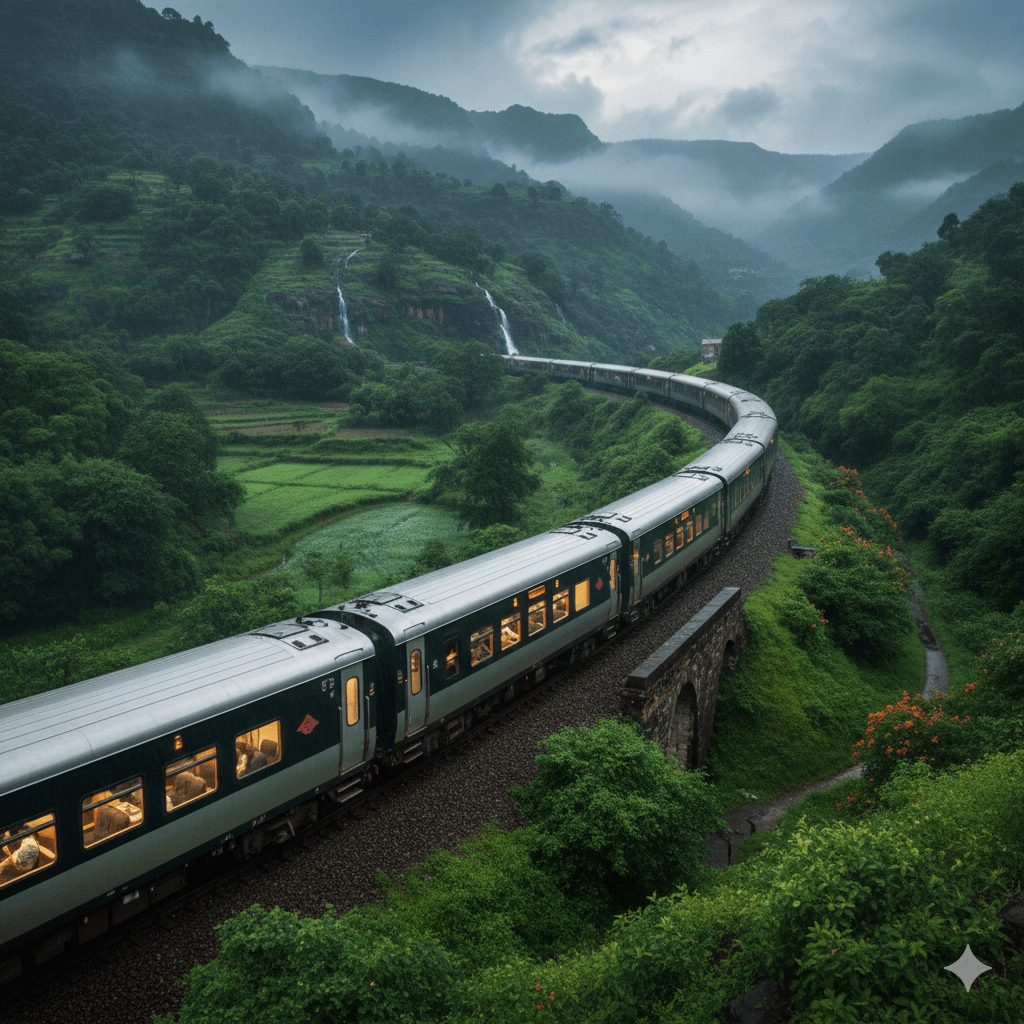
For the strategic traveler, Rajasthan off-season travel doesn’t mean sitting indoors waiting for the rain to stop. It means engaging in high-alpha activities that are physically impossible (or at least very sweaty) during the blistering summer or crowded winter. Here’s how to maximize your “Experiential ROI” this July.
The 2026 Monsoon Activity Matrix
| Activity | Strategic Location | Why in July? | Effort Level |
| Monsoon Peak Trekking | Badi Ma & Jharishankar (Udaipur) | Lush green trails & mist-covered summits. | Moderate |
| Full-Capacity Boating | Lake Pichola & Fatehsagar | Lakes are at 100% “Liquidity.” | Low |
| Fort Cloud-Chasing | Nahargarh (Jaipur) | Spectacular “Above the Clouds” views. | Low |
| Water Palace Dining | Jal Mahal (Jaipur) | Cool breezes & shimmering water reflections. | Low |
| Wildlife Spotting | Ranthambore (Buffer Zones) | Dense green foliage & active watering holes. | Medium |
Strategic Directives for July Adventures
- The Aravalli Ascent: Trekking in Rajasthan during the winter is nice, but in July, it’s like walking through a Scottish Highland—if Scotland had better spices. The Badi Ma trek near Udaipur offers a 360-degree view of the “City of Lakes” drowning in green. It’s the ultimate “Mental Capital” reset.
- The “Liquid Asset” Boat Ride: In May, boat rides can be a gamble if the water levels are low. In July, the lakes are booming. A sunset cruise on Lake Pichola during Rajasthan off-season travel feels like a royal procession, especially when the mist rolls off the Sajjangarh (Monsoon Palace) above you.
- The Zipline Breeze: Flying over the battlements of Mehrangarh Fort in Jodhpur is 10x better in July. The cool monsoon air acts as a natural “Operating System” cooling, making the adrenaline rush far more comfortable than in the 40°C heat.
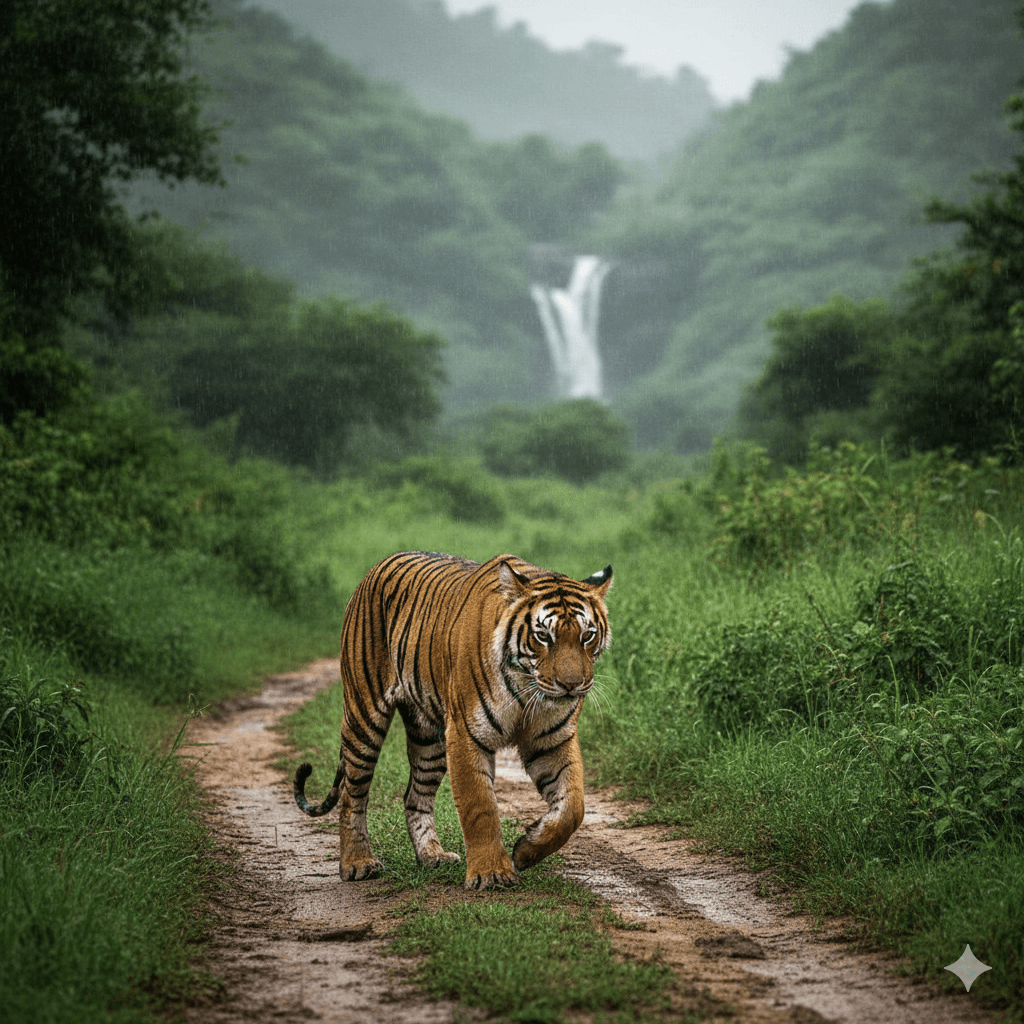
- Buffer Zone Safaris: While the core zones of Ranthambore may close, the Buffer Zones (6-10) remain open in 2026. The flora is at its peak, and spotting a tiger through the emerald green undergrowth is a high-contrast visual you won’t get in the dry season.
Expert Tip: The “Teej” Pivot
If you are in Jaipur in July, prioritize the Teej Festival (July 10-11, 2026). It’s the state’s official “Monsoon Launch Party.” Seeing the royal procession of Goddess Parvati through the rain-washed streets is a high-value cultural asset that most winter travelers miss entirely.
Trekking the Aravallis in July is the only time you’ll see a peacock looking more smug than a CEO who just hit their quarterly targets. They love the rain, and their “Dance ROI” is significantly higher this month. Just watch your step—wet marble is as slippery as a vague contract clause!
4. Forts & Fables: Rajasthan’s Historical Icons Reimagined in the Rain
In the corporate world, we call this “Brand Refreshing.” When the monsoon hits, the legendary forts of Rajasthan undergo a stunning visual pivot. The dry, stoic sandstone that stood defiantly against the summer sun suddenly softens, taking on a deep, honey-colored glow.
Choosing Rajasthan off-season travel in July doesn’t just save you money; it gives you a “Vantage Premium.” The misty battlements and rain-fed moats create an atmosphere that feels less like a tourist site and more like a scene from a period drama. As your strategist, I’ve audited the top historical assets that reach their “Peak Performance” during the monsoon.
Monsoon Historical Asset Performance Matrix
| Monument | Location | Monsoon “Feature” | Strategy Tip |
| Monsoon Palace | Udaipur | Perched above the clouds. | Visit at 4:30 PM for the mist. |
| Amer Fort | Jaipur | Mirror reflection in Maota Lake. | High-contrast photography. |
| Taragarh Fort | Bundi | Overgrown “Jungle Book” vibes. | Wear shoes with good “Traction.” |
| Chittorgarh Fort | Chittorgarh | Water bodies at 100% liquidity. | Hire a local guide for the lore. |
| Kumbhalgarh | Near Udaipur | The “Great Wall” in the clouds. | Best for “Foggy Drone” shots. |
The Strategic Audit of Top Historical Sites
- The Sajjangarh “Market Watch”: Built specifically as a monsoon retreat and astronomical center, the Monsoon Palace in Udaipur is the ultimate July destination. Its primary “Business Goal” was to track monsoon clouds. Standing at 3,100 feet, you literally watch the rain roll across the Aravallis toward the city below. It’s the highest “Visual ROI” you can get in the state.
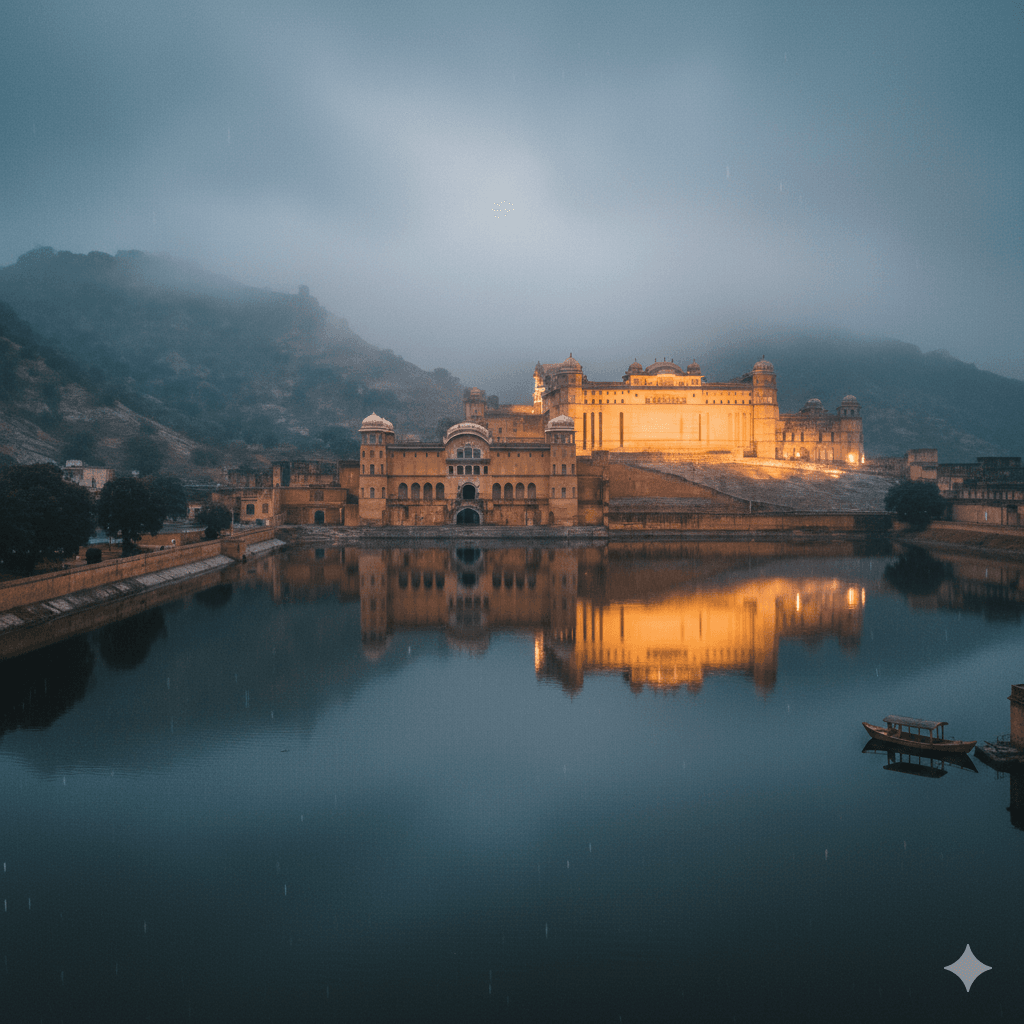
- The Amer Fort Reflection: While everyone visits Amer Fort, few see it when Maota Lake is brimming. In July, the fort’s reflection in the water is perfect. For Rajasthan off-season travel, I recommend walking the cobblestone paths—the rain cleans the stone, revealing intricate colors in the marble that are often hidden by summer dust.
- The Bundi “Hidden Equity”: If you want a truly “Offbeat Asset,” head to Bundi. Its Taragarh Fort and ancient Baoris (stepwells) fill with rainwater, turning these stone labyrinths into shimmering pools. It’s a masterclass in ancient water management that looks its best when the “System” is actually in use.
- Chittorgarh’s Liquid Reserves: Chittorgarh Fort is home to 84 water bodies. In the winter, many are dry; in July, they are full. The sight of the Vijay Stambh (Tower of Victory) standing beside a surging reservoir is a powerful testament to the fort’s historical “Sustainability Model.”
Expert Directive: The “Rainy Rampart” Safety Protocol
Historical stone becomes slippery when wet. This is a “Physical Risk” you must manage. Avoid the sheer edges of the fort walls during a downpour. Stick to the paved paths and ensure your footwear has “High-Grip Specs.”
Visiting a fort in the rain makes you feel like a King/Queen defending their castle. Just remember: unlike the 16th-century royals, you have a “Retreat Clause”—it’s called a luxury hotel with a hot shower and a masala chai waiting for you!
5. Tailored Luxury: The Best Places in Rajasthan for Every Interest Group
In the corporate world, “Segmenting your Audience” is the key to a successful product launch. When planning your Rajasthan off-season travel, you shouldn’t just pick a city at random. You need to align your destination with your “Personal Travel Goals.”
The beauty of July 2026 is that every city in Rajasthan offers a different “Flavor” of monsoon magic. Whether you are a solo traveler looking for “Deep Thinking” time or a couple seeking a “Romantic Hedge” against the usual city chaos, there is a specific Rajasthani asset waiting for you.
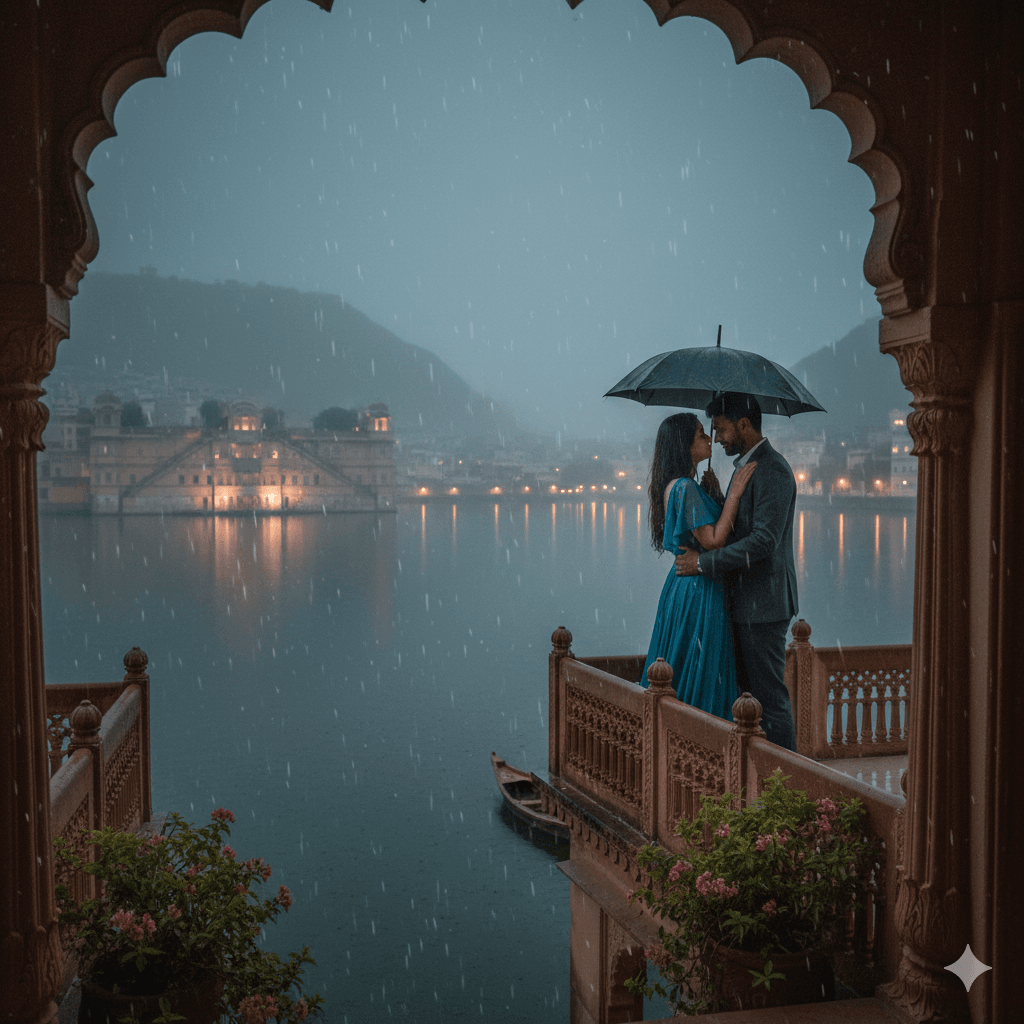
2026 Interest-Based Destination Audit
| Interest Group | Best Destination | Why July 2026? | Vibe Strategy |
| Couples | Udaipur | Lake Pichola at 100% capacity; misty hills. | “Romantic Resilience” |
| Photographers | Jodhpur | Blue houses pop against dark, moody monsoon skies. | “High-Contrast Visuals” |
| Adventure Seekers | Mount Abu | Trekking through misty, rain-washed jungles. | “Elevated Adrenaline” |
| Solo Travelers | Pushkar | Quiet cafes, rain-drenched ghats, and no crowds. | “Introspective Growth” |
| Family Groups | Jaipur | Teej festival parades and massive luxury villa deals. | “Legacy Building” |
Strategic Insights for Each Segment
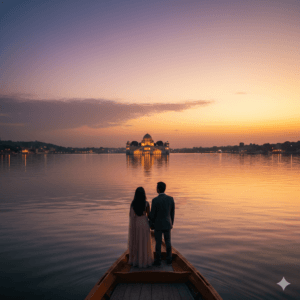
- For the Romantics (Udaipur): July is when Udaipur truly earns its “Venice of the East” moniker. As part of your Rajasthan off-season travel strategy, book a lake-facing heritage suite. Watching the rain dance on Lake Pichola while sipping ginger tea is a “High-Value Moment” that beats any winter sunset.
- For the Visual Storytellers (Jodhpur): Most people shoot Jodhpur in the harsh winter sun, which blows out the blue. In July, the overcast sky acts as a giant “Softbox.” The blue of the Old City becomes electric against the wet, dark cobblestones. This is the ultimate “Content Asset” acquisition period.
- For the Hill-Station Lovers (Mount Abu): While most of Rajasthan is a desert, Mount Abu is your “Diversification Play.” In July, it becomes a misty wonderland. Walking around Nakki Lake in a light drizzle feels like being in a hill station in the Western Ghats, but with much better architecture and spicy Rajasthani street food.
- For the Zen-Seekers (Pushkar): Pushkar in the winter is a “High-Volatility” market—loud, crowded, and expensive. In July, the town goes “Quiet.” You can sit on the ghats for hours without being approached by a single vendor. It’s the perfect place to “Reboot” your mental operating system.
- For the History Buffs (Bundi): Bundi is the “Undervalued Stock” of Rajasthan. In the rain, its ancient stepwells (Baoris) fill up, turning the town into a watery labyrinth. It’s authentic, unpolished, and 50% cheaper than its bigger neighbors during the monsoon.
If you’re traveling as a couple and your partner says they want “atmosphere,” take them to Udaipur in July. If they say they want “adventure,” take them to Mount Abu. If they say “I don’t know, you decide,” just book a luxury palace with a 60% discount—that’s a decision no one can argue with!
6. Neon Forts & Rain-Washed Beats: Rajasthan’s Nightlife Reimagined
In a 24/7 global economy, the most successful enterprises are those that maximize their “Night Shift.” When you choose Rajasthan off-season travel in July, the evening isn’t just a time to sleep; it’s when the state’s “Visual Equity” truly peaks.
In winter, Rajasthan’s nightlife can feel like a crowded trade fair. In July 2026, the crowds thin out, the air cools significantly, and the illuminated monuments reflect off rain-slicked streets like a scene from a cyberpunk royal epic. Whether you’re looking for a “High-Energy” bar crawl or a “Soulful” cultural sit-down, the monsoon night market is open for business.
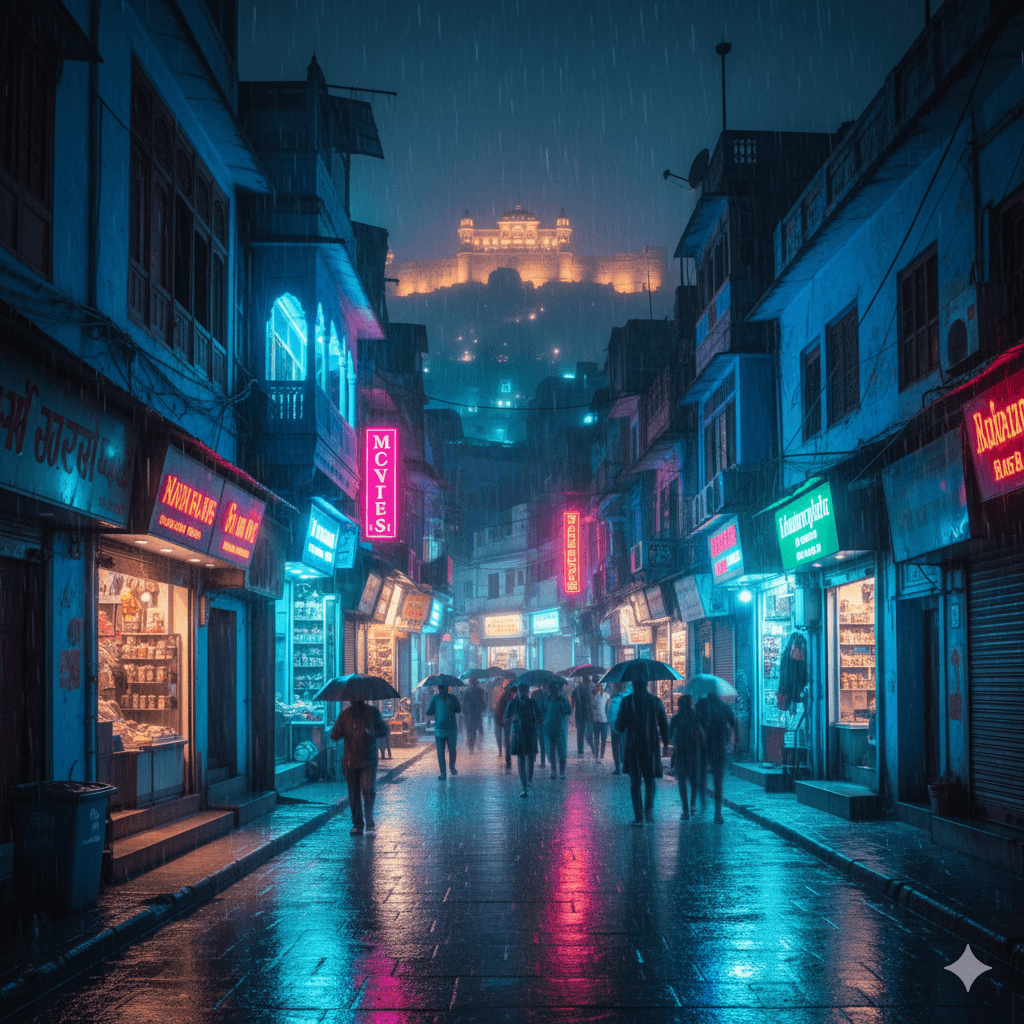
2026 Monsoon Night-Ops Matrix
| Activity | Best Strategic Hub | Operating Hours | The “Vibe” ROI |
| Glow-in-the-Dark Fort View | Nahargarh (Jaipur) | Up to 10:00 PM | Panoramic city lights & cool wind. |
| Heritage Bar Hopping | Bar Palladio (Jaipur) | 6:00 PM – 11:30 PM | “Royal Blue” interiors & monsoon cocktails. |
| Floating Palace View | Jal Mahal (Jaipur) | 24/7 (Viewing Deck) | Shimmering lights on 100% full lake. |
| Cultural Folk Dance | Bagore Ki Haveli (Udaipur) | 7:00 PM – 8:00 PM | Authentic “Intangible Heritage” assets. |
| Lakeside Night Walk | Ambrai Ghat (Udaipur) | Best at 8:00 PM | Romantic reflections & misty air. |
Strategic Directives for After-Dark Exploration
- The Rooftop Arbitrage: In July, the best rooftop bars in Jaipur and Udaipur (like Upre or Jaipur Adda) aren’t just restaurants; they are your “Observation Decks.” During Rajasthan off-season travel, you don’t need to book a week in advance to get a front-row seat for the rain-drenched view of the City Palace or the Hawa Mahal glowing in neon pink.
- The “Son-et-Lumière” (Sound & Light) Hedge: The Sound and Light show at Amer Fort is a must-watch in 2026. In July, the cool drizzle adds a layer of “Atmospheric Immersion” that the dry winter nights lack. Strategist’s Tip: If it’s a heavy downpour, the show might be paused—always check the “Daily Weather Report” before buying your ticket.
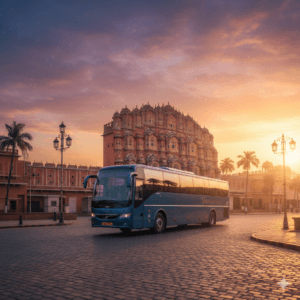
- Tuk-Tuk Neon Tours: Hire a local driver for a “Neon Night Circuit” through Jaipur’s walled city. The pink walls take on a deeper, richer hue under the yellow streetlamps and the rain. It’s a low-cost, high-impact way to see the Albert Hall Museum and Birla Temple shining like white marble jewels.
- The Cultural Sit-Down: If the rain gets too heavy, pivot to Bagore Ki Haveli in Udaipur. This 18th-century mansion hosts a world-class folk dance and puppet show every evening. It’s an indoor “Hedge” against the rain that offers massive cultural dividends.
Monsoon Mixology: What to Order
Skip the standard mojito. In July, ask for a “Kesariya Martini” or a local craft gin infused with Udaipur rose petals. These “Seasonal Specials” are designed to be enjoyed while the rain pitter-pattors on the heritage stone.
Watching the Jal Mahal from the shore at night is the only time you’ll see a palace “floating” without any expensive special effects. It’s the ultimate “Zero-Budget” luxury experience—though I still recommend spending some of those July savings on a hot cup of kulhad chai to keep your “Internal Temperature” stable!
7. Monsoon Adrenaline: The High-Yield Thrills of Rajasthan Off-Season Travel
In the corporate world, “High Risk” usually precedes “High Reward.” But in Rajasthan during July 2026, the risk is minimal, and the reward is purely kinetic. Many travelers mistakenly think Rajasthan off-season travel means swapping adventure for indoor museums. On the contrary, the monsoon is the only time the “Environmental Conditions” allow for high-intensity adventure without the threat of heatstroke.
Whether you’re flying over rain-washed battlements or trekking through an emerald jungle that looks more like the Amazon than the Thar, July is the best time to diversify your “Activity Portfolio.”
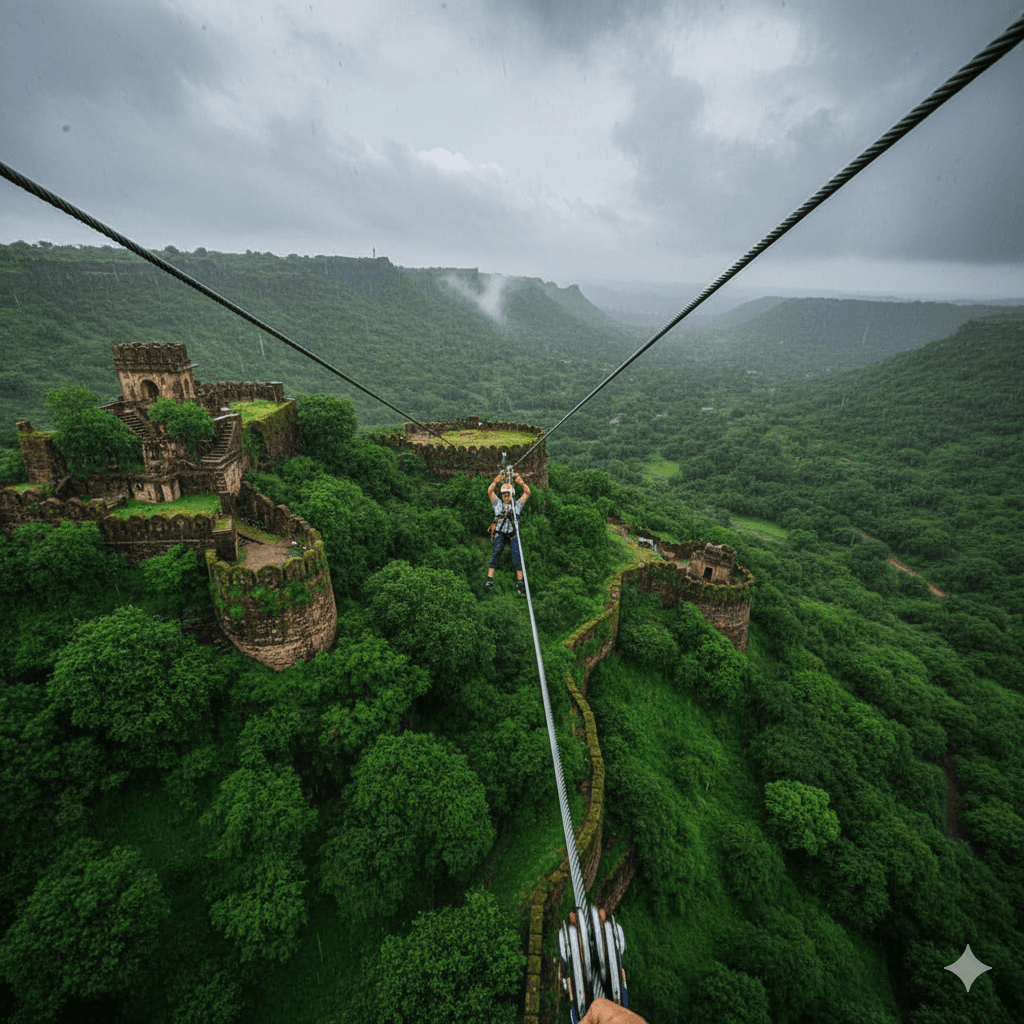
2026 Monsoon Adventure Audit
| Activity | Strategic Hub | Why in July? | Risk/Reward Ratio |
| Ziplining (Flying Fox) | Jodhpur / Neemrana | Cool monsoon breeze; faster “cable speed” due to moisture. | Low Risk / High Thrill |
| Monsoon Trekking | Jaipur (Nahargarh) | Dust-free air; 100% “Green Saturation.” | Low Risk / High View |
| Lake Speedboating | Udaipur (Fateh Sagar) | Lakes are at “Peak Liquidity” (full capacity). | Medium Risk / High Adrenaline |
| Buffer Zone Safari | Ranthambore | Active watering holes; lush foliage for stalking predators. | Medium Risk / High Visuals |
| Mountain Cycling | Mount Abu | Refreshing mist & cool temperatures ($24°C$). | Moderate Effort / High Reward |
Tactical Adventure Directives
- The Zipline Acceleration: Ziplining over the Neemrana Fort-Palace or Mehrangarh Fort in July is a superior experience. In 2026, operators report that the humid air and slight dampness on the cables can actually increase your speed, making the 1.5-hour tour feel even more exhilarating. Plus, the view of the green Aravallis beneath your feet is a “Visual Asset” you can’t get in the dry season.
- The “Green” Trekking Loop: Forget the scorched earth of May. During Rajasthan off-season travel, trails like the Nahargarh Fort Trek or the Sajjangarh-Monsoon Palace Trek turn into lush corridors. My strategist’s tip? Start at 6:30 AM to catch the “Cloud Inversion” where the mist settles into the valleys below you.
- Liquid Speed (Speedboating): In winter, the lakes are calm. In July, they are alive. Head to Fateh Sagar Lake in Udaipur for a motorboat or speedboat ride. The wind coming off the water during a light drizzle is the ultimate natural “Cooling System.”
- The Safari Pivot: While the “Core Zones” of major Tiger Reserves often close for the monsoon, the Buffer Zones (6 to 10) in Ranthambore stay open in 2026. The tigers often move to these higher, drier grounds, and the vibrant green backdrop makes for “Portfolio-Grade” wildlife photography.
Technical Specs & Safety Gear
- Footwear: Your standard sneakers won’t cut it on wet marble or muddy trails. Invest in Grip-Focused trail runners to avoid a “Market Slip.”
- Apparel: Avoid cotton—it holds water and gets heavy. Use Quick-Dry synthetics that allow you to pivot from a rainy trek to a luxury dinner without looking like a “Drowned Asset.”
Trekking in July is the only time you can legitimately tell your friends you “hit the gym” while actually just walking uphill to look at a pretty view. If anyone asks about the sweat, just tell them it’s “Monsoon Dew”—it sounds much more high-end!
8. The Hadoti Belt: Exploring Rajasthan’s “Grand Canyon” and Hidden Waterfalls
If the “Big Three” (Jaipur, Jodhpur, Udaipur) are the Blue Chip stocks of your itinerary, the Hadoti Belt (comprising Kota, Bundi, Jhalawar, and Baran) is the high-growth “Undervalued Asset.” In the corporate world, this is where you find the most significant “Competitive Advantage.”
During Rajasthan off-season travel, while everyone else is fighting for a selfie spot in Udaipur, the Hadoti region transforms into a lush, jungle-clad wonderland. It is the only part of the state where you’ll find roaring waterfalls and deep river canyons that rival the world’s most famous landscapes—all while enjoying 2026’s best off-season rates.
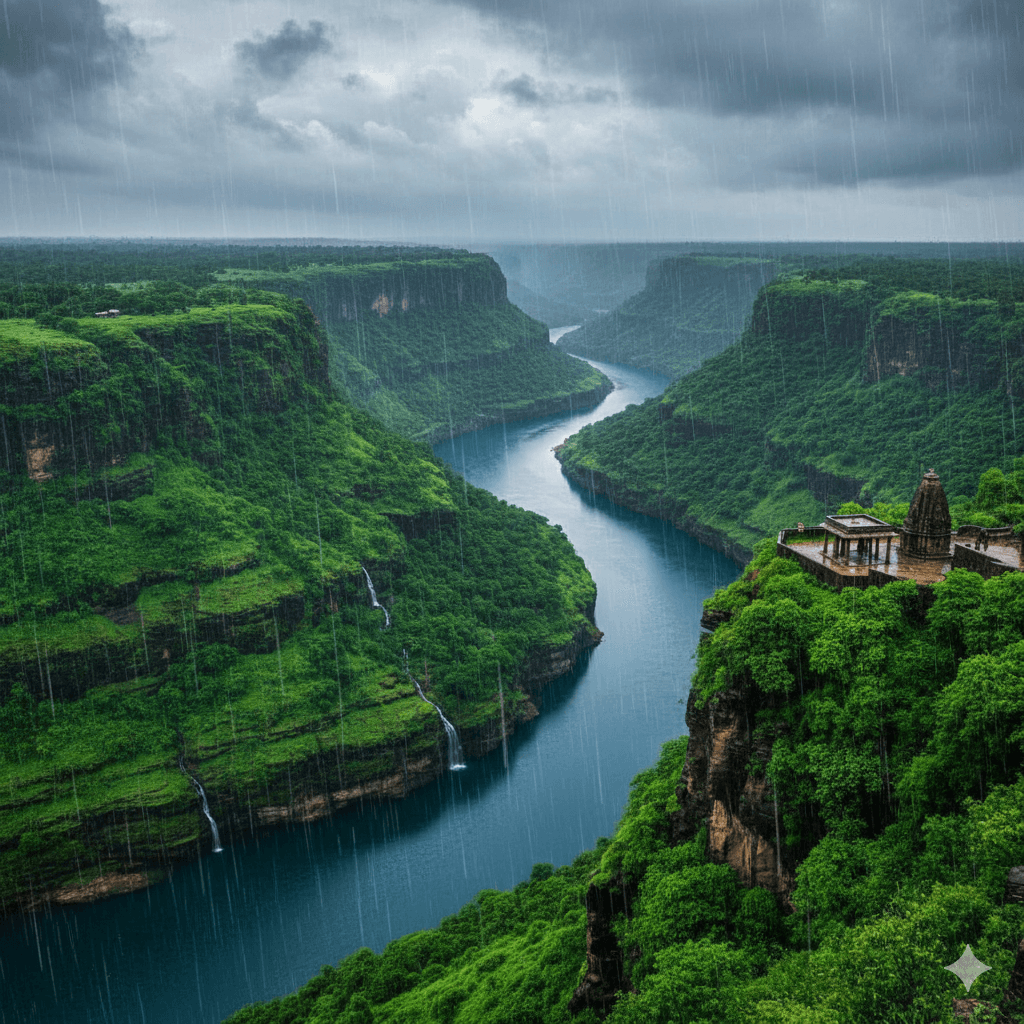
Hadoti Monsoon Asset Performance: The “Big Four” Hubs
| Strategic Hub | Key Monsoon Asset | ROI (Why Visit Now?) | Access Points |
| Bundi | Bhimlat Waterfall | 60-meter drop; highest in the state. | 35 km from Kota |
| Kota | Garadia Mahadev | Panoramic “Grand Canyon” of the Chambal. | NH-76 (Kota-Chittor) |
| Jhalawar | Gagron Fort | UNESCO Water Fort; surrounded by rivers. | 2 hours from Kota |
| Baran | Shergarh Fort | Ancient ruins on the banks of Parwan River. | 1-hour drive from Baran |
Hadoti Operational Insights: The “Secret” List
- The Garadia Mahadev Arbitrage: Often called the “Grand Canyon of India,” this spot offers a horseshoe bend of the Chambal River. In July, the river is at its deepest blue, and the surrounding cliffs turn electric green. For Rajasthan off-season travel, this is your “High-Yield” photo spot—no crowds, just pure, silent majesty.
- The Bhimlat Waterfall Surge: Most people think Rajasthan doesn’t have waterfalls. Bhimlat proves them wrong. Legend says Bheem (from the Mahabharata) created this 60-meter drop by crashing his foot into the ground. In July 2026, the roar of this fall is so loud you can’t hear your own thoughts—perfect for a “Mental Reset.”
- Gagron Fort (UNESCO Water Asset): Unlike desert forts, Gagron is built on a foundation surrounded by water on three sides (Ahu and Kali Sindh rivers). During the monsoon, the rivers swell, making the fort look like it’s floating. It is a masterclass in “Strategic Positioning.”
- The Bundi “Stepwell” Flood: Bundi is the “City of Stepwells.” While they are beautiful year-round, seeing Raniji ki Baoli or Dhabhai Kund with fresh rainwater reflecting the intricate carvings is like seeing a “Restored Vintage Asset” in its original glory.
Technical Notes for the Hadoti Circuit
The Hadoti region is more “rugged” than the central plains. In 2026, the roads are excellent, but rural paths to waterfalls like Gaipernath can be slippery.
Visiting the Hadoti region in July is the only time you can look at a waterfall in Rajasthan and not think it’s a mirage caused by heatstroke. Just remember: when the locals say the waterfall is “nearby,” they mean “it’s a 45-minute trek through a jungle that might have a very confused leopard.” Dress accordingly!
9. The “Liquid Gold” List: Top 5 Monsoon Bases for Rajasthan Off-Season Travel
In the world of high-stakes business, knowing when to enter a market is just as important as knowing where. For Rajasthan off-season travel in July 2026, I’ve performed a comprehensive “Location Audit.” We aren’t just looking for pretty views; we are looking for the best “Visual Dividends” and the deepest “Cost Reductions.”
While the desert might be the state’s primary brand, July is when the “Lakes and Hills” segment of the portfolio sees a 100% surge in performance. Here is your definitive ranking of the top 5 bases to park your travel capital this monsoon.
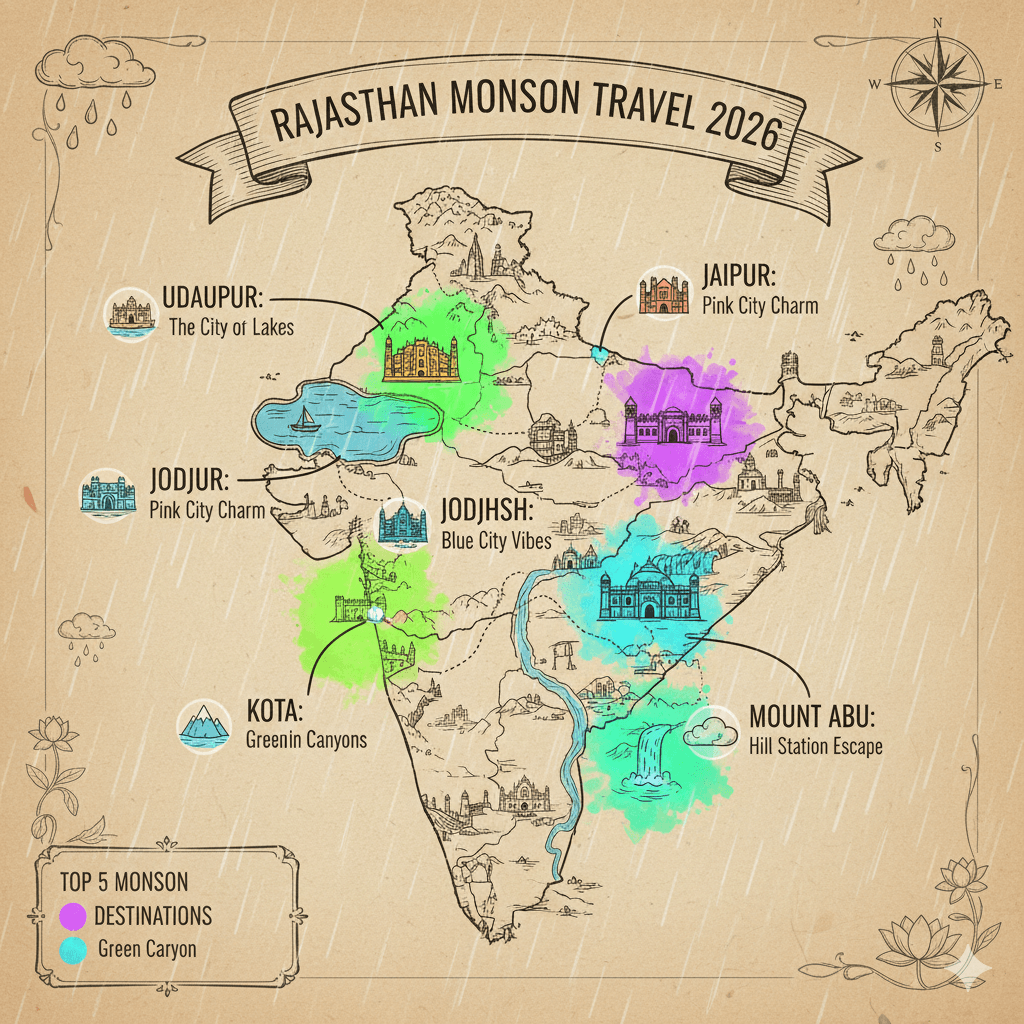
2026 Monsoon Base Efficiency Matrix
| Rank | Strategic Base | Primary “July Benefit” | Estimated Savings (vs. Dec) | Recommended “Luxury Asset” |
| 1 | Udaipur | Lakes at 100% “Liquidity.” | 60% – 65% | Taj Lake Palace or Udaivilas |
| 2 | Mount Abu | High-Altitude “Cooling System.” | 40% – 50% | Cama Rajputana Club Resort |
| 3 | Bundi | Hidden Waterfall “Dividend.” | 50% – 55% | Brij Bhushanjee Haveli |
| 4 | Jaipur | Teej Festival “Cultural Equity.” | 55% – 60% | Rambagh Palace or ITC Rajputana |
| 5 | Jawai | Leopards in “Emerald” Granite. | 30% – 45% | Sujan Jawai (Luxury Tents) |
The Strategic Deep-Dive: Why These Bases?
- 1. Udaipur (The Growth Leader): Udaipur is the undisputed “CEO” of Rajasthan off-season travel. In July 2026, Lake Pichola and Fateh Sagar don’t just have water—they have attitude. The surrounding Aravallis turn a shade of green so bright it looks like a saturation filter has been applied to real life. It’s the best time to book a palace stay for the price of a standard business hotel in London.
- 2. Mount Abu (The Diversification Play): If the humidity of the plains is a “Liability,” Mount Abu is your “Hedge.” At 1,220 meters, it is the only hill station in the state. In July, it is wrapped in mist, making it feel more like a foggy morning in San Francisco than a town in the Thar Desert.
- 3. Bundi (The Value Stock): Bundi is often overlooked, which makes it a high-value “Niche Asset.” Its narrow lanes and blue houses are cleaned by the rain, and the Bhimlat Waterfall nearby becomes a roaring powerhouse. It’s the most authentic “Heritage ROI” you can find.
- 4. Jaipur (The High-Volume Hub): As the capital, Jaipur offers the best “Infrastructure Stability.” The Teej Festival in July provides a massive “Cultural Dividend” with royal processions that are world-class. Plus, the luxury hotels here offer some of the most aggressive “Off-Season Pricing” in the country.
- 5. Jawai (The Fascinating Acquisition): Known for its “Human-Leopard Coexistence,” Jawai’s granite hills become lush in July. The leopards are often spotted sunning themselves on the wet rocks after a shower. It’s a high-contrast wildlife experience that differentiates your 2026 travel portfolio from the standard “Tiger Safari” crowd.
Choosing between Udaipur and Mount Abu in July is like choosing between a high-dividend stock and a high-growth startup. One gives you steady, romantic vibes (Udaipur), and the other gives you a misty, adventurous breakout (Mount Abu). My advice? Diversify and do both—your “Mental Balance Sheet” will thank you!
10. Shopping: The Monsoon Bazaar Strategy
In any successful business operation, “Procurement” is where you lock in your profit. When it comes to Rajasthan off-season travel, the shopping malls are fine, but the real “Alpha” is found in the rain-washed alleyways of the traditional bazaars.
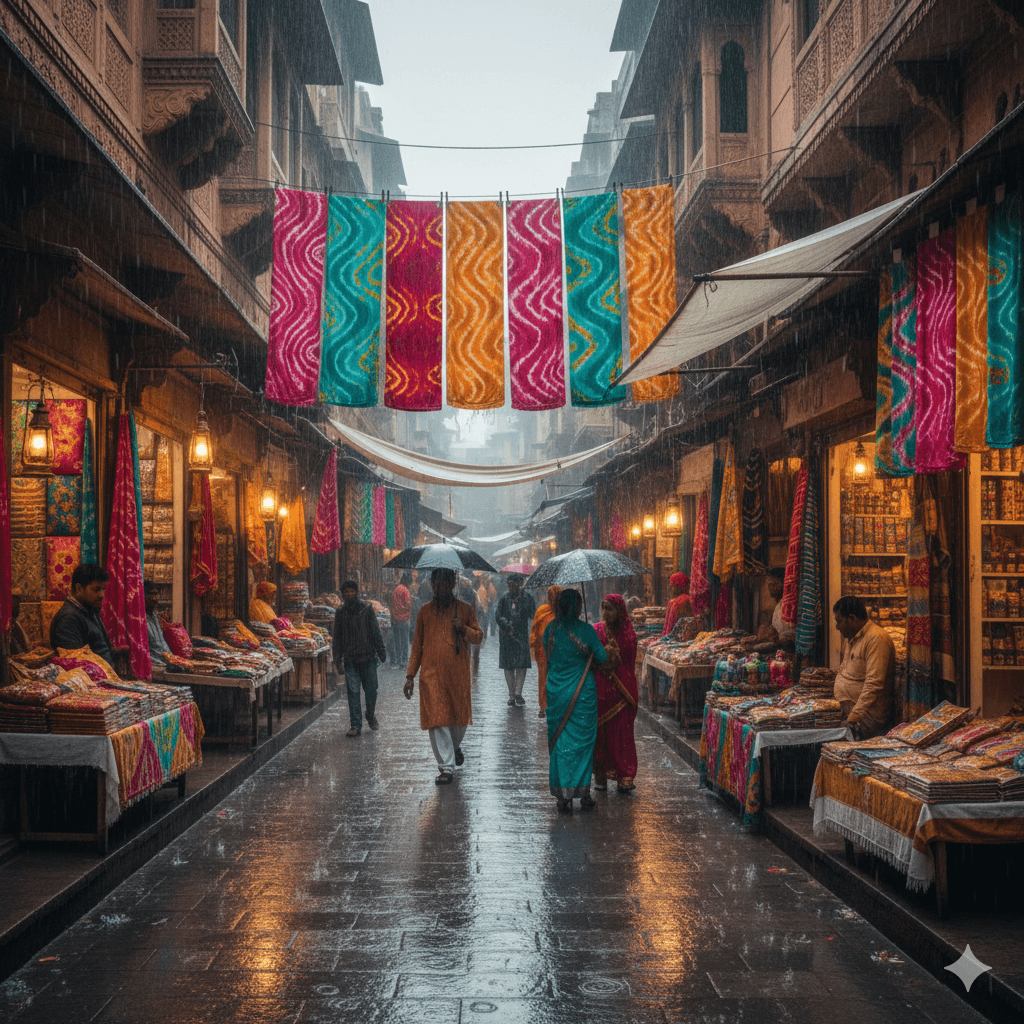
In July 2026, the markets aren’t just less crowded; they are strategically “Soft.” With fewer international buyers in the pits, shopkeepers have more time to discuss the provenance of a miniature painting or the thread count of a hand-block printed quilt. Plus, the monsoon brings out a specific seasonal product line—the Leheriya—that you won’t find at its peak any other time of year.
Monsoon Market Asset Audit: July 2026 Specialties
| Product Category | Strategic Location | Why in July? | Procurement Tip |
| Leheriya Textiles | Jaipur (Bapu Bazaar) | Traditional monsoon “Wave” pattern; 100% in vogue for Teej. | Buy silk-georgette for high durability. |
| Lac Bangles | Jaipur (Tripolia Bazaar) | Seasonal designs for the Teej festival. | Watch the artisan “melt” the lac live. |
| Waterproof Juttis | Jodhpur (Nai Sarak) | Thicker sole variants for the damp streets. | Look for “double-stitched” leather. |
| Miniature Paintings | Udaipur (Hathi Pol) | Artists are less rushed; higher negotiation leverage. | Check for “Natural Stone” pigments. |
| Silver Jewelry | Pushkar (Main Bazaar) | Low footfall means better silver-weight pricing. | Always check for the “925” hallmark. |
Tactical Directives for the Savvy Shopper
- The Leheriya Arbitrage: July is the month of Teej, and the unofficial uniform is Leheriya—a tie-dye technique that creates diagonal “wave” patterns. During Rajasthan off-season travel, you aren’t just buying a scarf; you’re buying the seasonal “Market Trend.” In Jaipur’s Johari Bazaar, you can find these in vibrant greens and blues that mimic the monsoon sky.
- The “First Sale” Advantage: Bazaars in July are quiet. If you are the first customer of the day (the Bohari), vendors are often willing to lower their “Asking Price” just to start the day with a lucky transaction. Aim to hit the markets by 11:00 AM.
- Bargaining with “Monsoon Logic”: Since it’s the off-season, you have the “Liquidity Advantage.” Start your offer at 50% of the quoted price. If they don’t budge, mention that the “rain is coming” and you’d like to wrap up the deal—this subtle time-pressure often yields a 10-15% further “Rainy Day Discount.”
- The Custom-Fit Pivot: Want a bespoke Nehru jacket or a tailored cotton suit? In the winter, tailors have a 1-week backlog. In July, I’ve had high-quality linen pieces turned around in 24 hours. This “Operational Speed” is a massive luxury for the short-term traveler.
Expert Logistics Tip: The “Waterproof Packaging” Clause
When buying delicate items like paintings or silk, always ask for “Rain-Ready Packaging.” Most reputable vendors in 2026 will double-wrap your assets in plastic before the paper bag. If they don’t, consider it a “Red Flag” on their service quality.
Shopping in a Rajasthan bazaar during a July drizzle is the only time you can haggle for 20 minutes and then use the shop’s awning as a free umbrella while you wait for your Uber. It’s basically a “Co-working Space” with better textiles and free Masala Chai!
11. The Monsoon Palate: Strategic Dining & Seasonal Assets
In the world of business, we often talk about “Seasonal Demand.” In Rajasthan, July is the month when the culinary market undergoes a major “Product Launch.” The arrival of the monsoon doesn’t just change the view; it triggers a state-wide craving for specific “High-Calorie Assets” designed to balance the humidity and celebrate the rain.
If you are pursuing Rajasthan off-season travel in July 2026, you are perfectly positioned to taste delicacies that simply vanish from the shelves by September. From the “Honeycomb Alpha” of seasonal sweets to the “Spicy Hedge” of street fritters, here is your culinary audit.
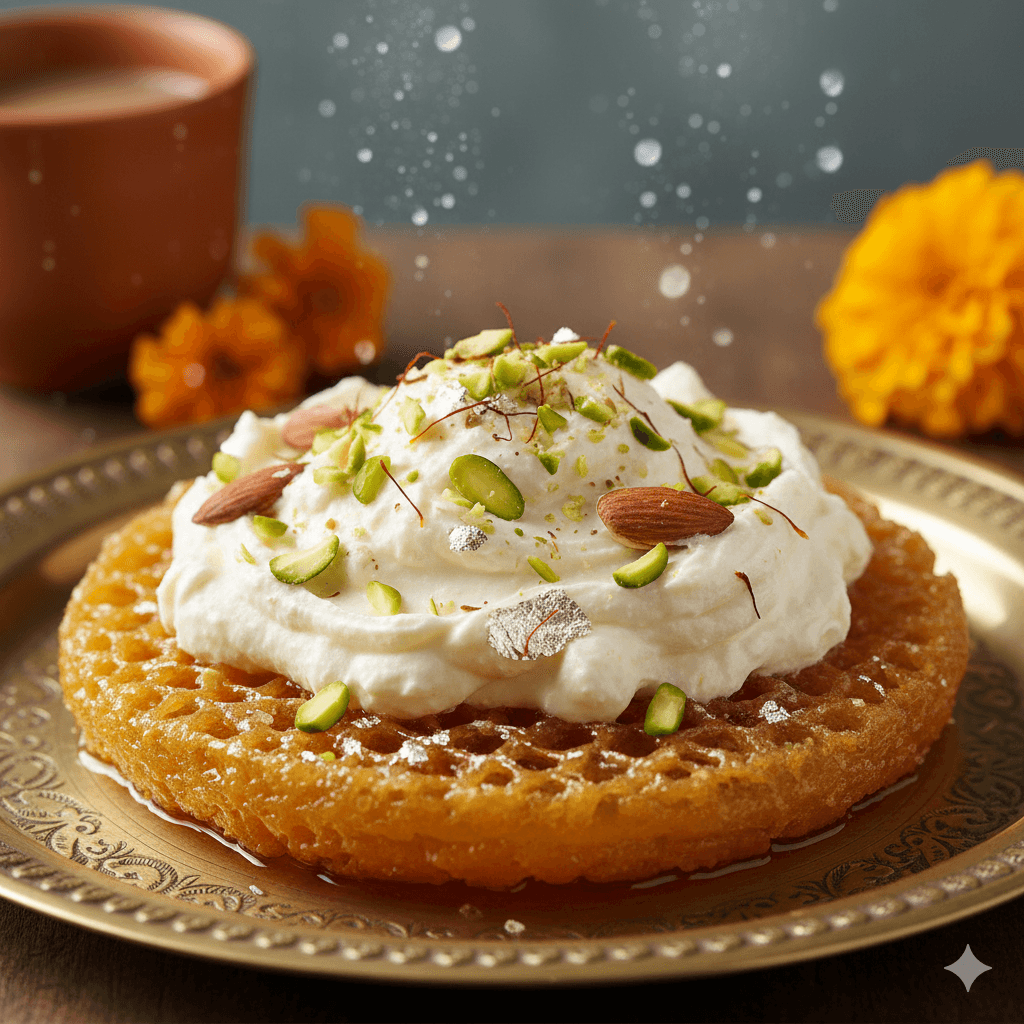
2026 Monsoon Culinary Performance Table
| Dish / Snack | Strategic Value | Why Eat This in July? | Recommended Hub |
| Ghevar | The “Monsoon King” | Requires humidity for its iconic lacy texture. | Jaipur (LMB or Rawat) |
| Mirchi Bada | The “Adrenaline Snack” | Fiery green chillies to counter the damp air. | Jodhpur (Janata Sweets) |
| Dal Baati Churma | The “Core Portfolio” | High-energy meal for rainy-day sightseeing. | Udaipur (Traditional Thalis) |
| Laal Maas | The “Spicy Asset” | Smoked mutton curry to keep the metabolism high. | Jaipur / Jodhpur |
| Malpua with Rabri | The “Sweet Diversification” | Fried pancakes that are a Teej festival staple. | Pushkar / Ajmer |
Strategic Directives for the Foodie Traveler
- The Ghevar Arbitrage: You cannot talk about July in Rajasthan without mentioning Ghevar. This disc-shaped, honeycomb sweet is technically difficult to make in dry weather; it needs the monsoon humidity to achieve its signature “Lacy Structure.” In 2026, don’t just settle for plain; go for the Malai Ghevar (topped with clotted cream) for a maximum “Taste ROI.”
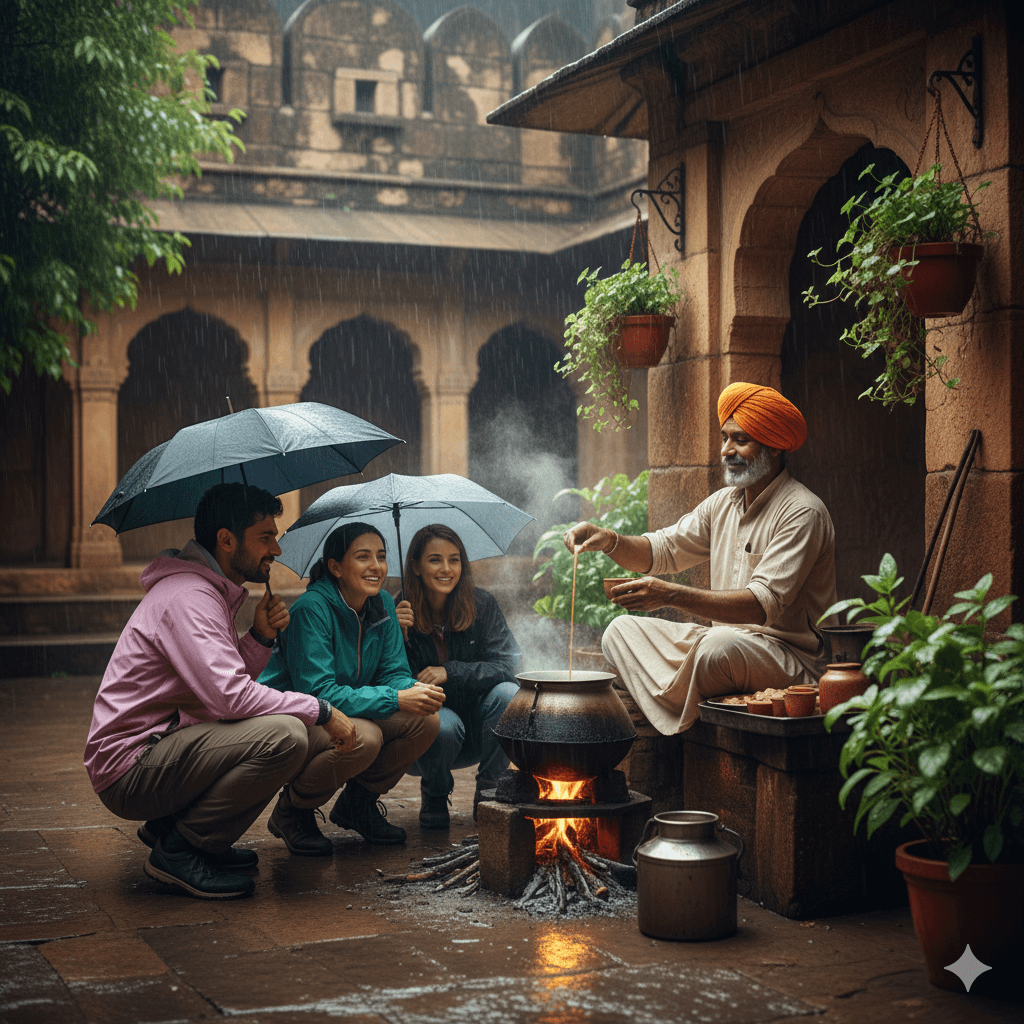
- The “Spicy Hedge” (Mirchi Bada): When the clouds turn grey, head to the nearest street vendor in Jodhpur. The Mirchi Bada—a large, potato-stuffed green chilli deep-fried in gram flour—is the state’s official “Rainy Day Protocol.” Pair it with a steaming Kulhad Chai for a low-cost, high-impact sensory reset.
- Teej Festival Specials: July 10-11, 2026, marks the Teej festival. During this time, look for Malpua (sweet pancakes soaked in syrup). These are often served with cold Rabri, creating a “Temperature Hedge” that is absolutely addictive.
- The “Thali” Consolidation: If you’re overwhelmed by choices, order a full Rajasthani Thali. During the off-season, heritage restaurants are less crowded, meaning your thali will likely feature fresher, “Small-Batch” preparations of Ker Sangri (desert beans) and Gatte ki Sabzi.
Operational Tip: The “Street Food Safety” Clause
While street food is a high-growth asset, the monsoon carries “Health Risks.” In 2026, stick to vendors with high “Customer Volume” (local crowds) and ensure your snacks are fried fresh in front of you. Avoid pre-cut fruits or unsealed water during Rajasthan off-season travel to keep your “Internal Systems” running smoothly.
Eating a spicy Mirchi Bada in the rain is the only time it’s socially acceptable to have tears in your eyes and a smile on your face at the same time. People will think you’re moved by the beauty of the monsoon, but we both know it’s just the Jodhpuri chillies performing a hostile takeover of your taste buds!
12. The 7-Day “Monsoon Magic” 2026: Your Strategic Deployment Plan
In business, a strategy is only as good as its execution. For Rajasthan off-season travel in July 2026, you need a “High-Efficiency Route” that balances scenic “Alpha” with weather-resistant logistics. We’ve designed this 7-day sprint to capitalize on the greenest landscapes and the deepest price corrections in the market.
This itinerary focuses on the “Golden Triangle of the Monsoon”—Jaipur, Jodhpur, and Udaipur—ensuring you hit the most liquid assets (lakes) and the highest vantage points (forts) while the clouds are performing their best work.
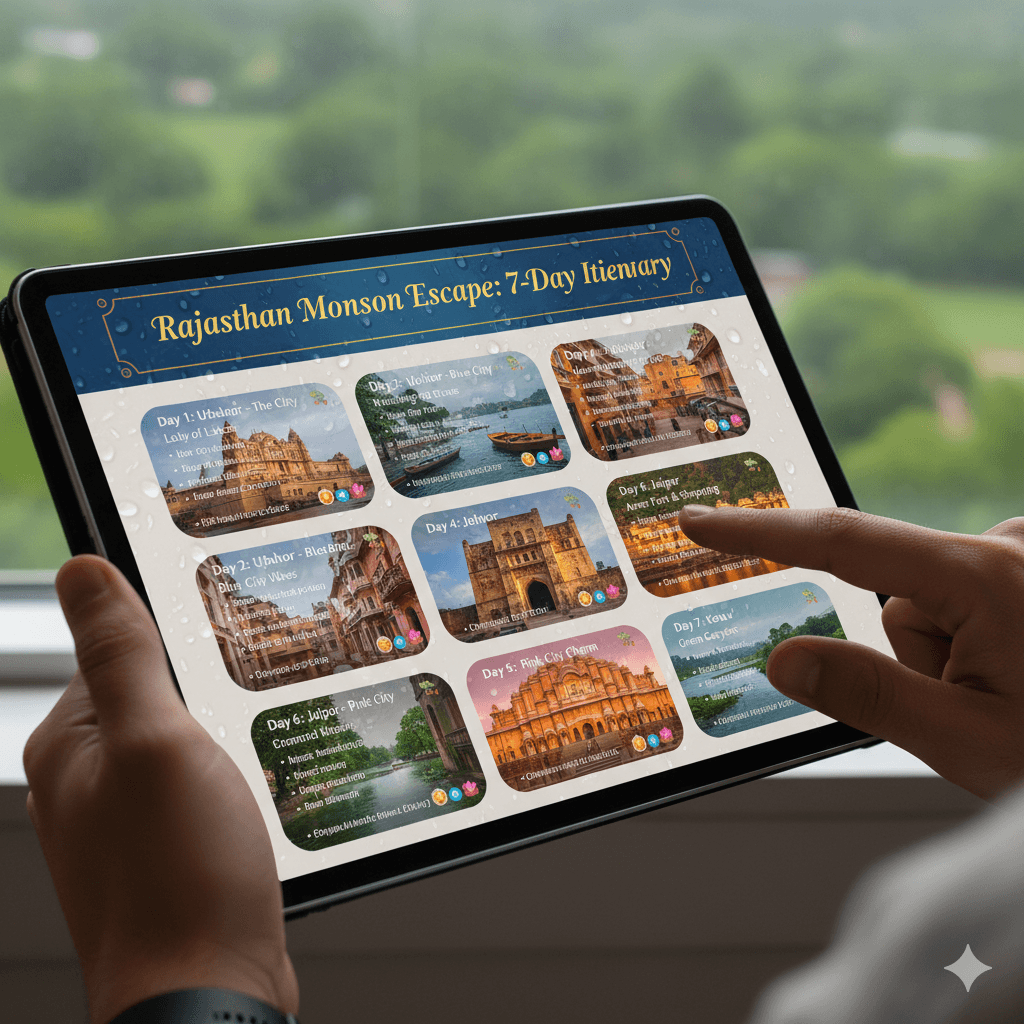
2026 Monsoon Operational Schedule
| Day | Business Objective | Primary Location | Strategic Highlight |
| Day 1 | Market Entry | Jaipur | Arrival & Pink City Sunset at Nahargarh. |
| Day 2 | Heritage Audit | Jaipur | Amer Fort & Teej Festival Bazaars. |
| Day 3 | Regional Pivot | Jodhpur | Blue City photography & Ziplining. |
| Day 4 | High-Altitude Asset | Jodhpur | Mehrangarh Fort & Mandore Gardens. |
| Day 5 | Liquid Acquisition | Udaipur | The “Lakeside” Shift & City Palace. |
| Day 6 | Vantage Premium | Udaipur | Monsoon Palace & Lake Pichola Boating. |
| Day 7 | Final Liquidation | Udaipur | Shilpgram Artisans & Departure. |
Day-by-Day Tactical Briefing
- Days 1 & 2: The Jaipur “Growth” Phase:Start in the capital. In July 2026, the Amer Fort looks like it’s floating above the Maota Lake. If your dates align with July 27–28, 2026, you’ll catch the Teej Festival processions—a massive cultural dividend. Spend your evening at Nahargarh Fort to watch the city lights flicker through the rain-washed air.
- Days 3 & 4: The Jodhpur “Blue-Chip” Pivot:Take a train or short flight to the Blue City. Under the moody July skies, the indigo houses of Jodhpur become “High-Contrast Assets.” Ziplining over the fort battlements is a 2026 must-do; the cool air makes it a premium “Adrenaline ROI” compared to the scorching winter.
- Days 5 & 6: The Udaipur “Liquid Gold” Close:This is where your Rajasthan off-season travel pays the highest dividends. By Day 5, the lakes will be at 100% capacity. Your primary goal is the Sajjangarh (Monsoon Palace)—built specifically for this season. Watching a thunderstorm roll over the Aravallis from the palace terrace is the “Closing Deal” of a lifetime.
- Day 7: The Final Exit:Before flying out of Udaipur, visit Shilpgram, the rural arts and crafts complex. In the rain, the mud huts and folk performances feel incredibly raw and authentic. Grab your final “Procurement” items (miniature paintings) and head to the airport.
Risk Mitigation & Logistics
In July, the “Traffic Variables” in Rajasthan include the occasional peacock crossing the road and slow-moving clouds. Carry a light poncho—it’s the only “Insurance Policy” that doubles as a fashion statement in 2026!
13. The Teej Surge: Capturing Cultural Equity in July
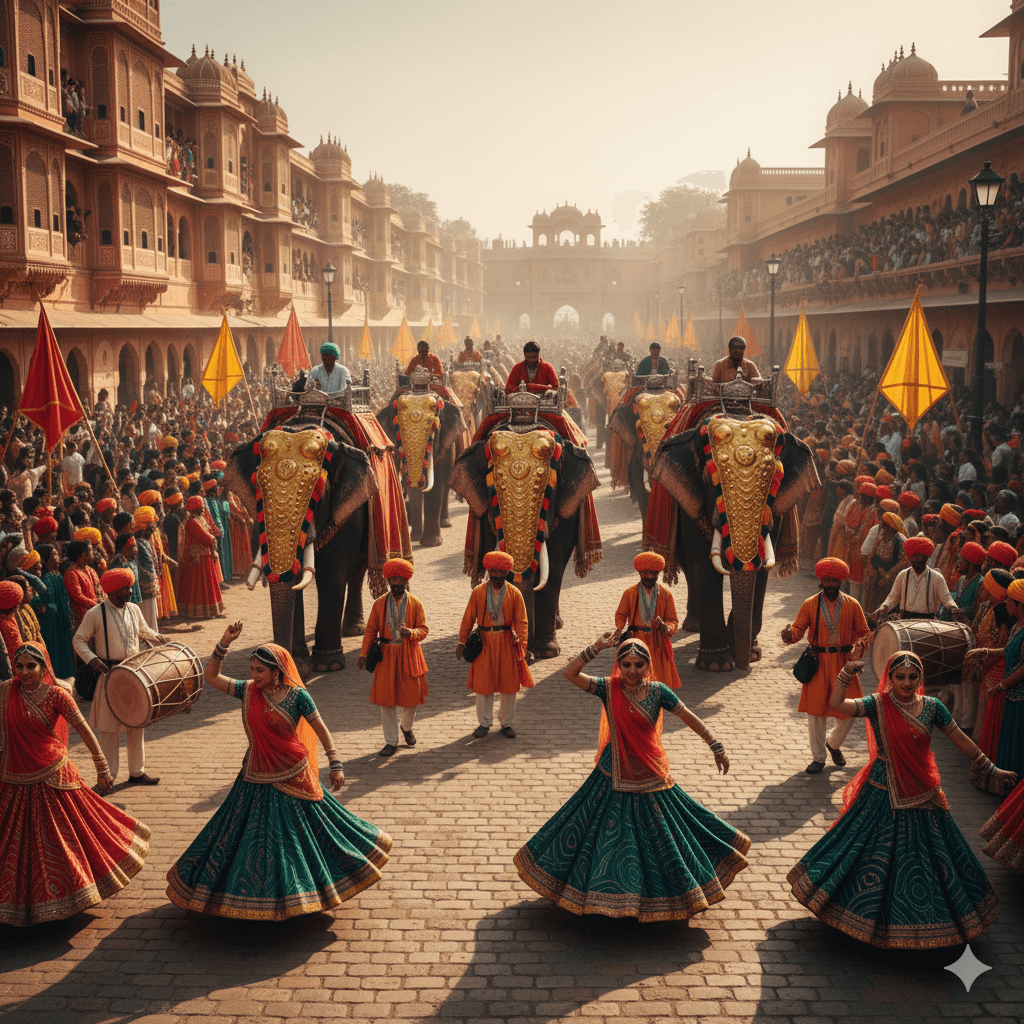
In the world of high-value investments, “timing” is everything. While many consider Rajasthan off-season travel to be a quiet period, July 2026 hosts one of the state’s most vibrant “market events”—the Teej Festival. As your business strategist, I view Teej as a massive “Cultural Dividend.” It is the moment when the Pink City of Jaipur pivots from a heritage monument to a living, breathing celebration of the monsoon.
Dedicated to Goddess Parvati and her union with Lord Shiva, Teej is effectively the state’s “Monsoon Launch Party.” For you, the traveler, it represents a peak “Visual ROI” that most winter visitors completely miss.
2026 Teej Festival Event Audit
| Festival Variant | 2026 Strategic Date | Best Geographic Hub | Primary “Asset” to Witness |
| Hariyali Teej | August 15, 2026 | Jaipur | The Royal Palanquin Procession. |
| Kajari Teej | August 31, 2026 | Bundi | Local fairs (Mela) and folk music. |
| Hartalika Teej | September 14, 2026 | Statewide | Devotional singing and night vigils. |
Note: While Hariyali Teej falls in mid-August this year, the “pre-festival momentum” begins in late July, making it the perfect closing act for a July tour.
Tactical Directives for the Teej Experience
- The Royal Procession Monopoly: In Jaipur, the Teej Mata idol is brought out of the City Palace once a year in a grand golden palanquin. During Rajasthan off-season travel, you can secure a “Prime Vantage Point” on the rooftops of Tripolia Bazaar for a fraction of what a festival seat would cost in the peak winter months.
- Swinging into “Alpha”: You’ll see large, flower-bedecked swings (jhoolas) hanging from ancient banyan trees. Joining the local women in this tradition isn’t just a “Cultural Acquisition”; it’s the best way to feel the monsoon breeze as the locals have for centuries.
- The “Leheriya” Dress Code: To blend in with the local “Market Sentiment,” wear green. Green represents the lushness of the monsoon. Buying a Leheriya (wave-patterned) scarf from a local artisan is a low-cost way to show respect for the local “Brand Identity.”
- Henna (Mehendi) Artisans: In July, the best henna artists are highly available. Getting intricate designs on your palms is a traditional ritual for Teej. Strategist’s Tip: Negotiate your “Henna Contract” near the Hawa Mahal—the competition among artists in the off-season works in your favor.
Technical Specs: The Teej Procession Route
The parade typically starts at Tripolia Gate, moves through Chhoti Chaupar, and concludes at Talkatora Lake. To avoid “Logistical Bottlenecks,” arrive at your chosen viewing spot at least 2 hours before the scheduled 5:30 PM start.
Watching the Teej procession is like watching a royal IPO launch—there’s music, elephants, dancers, and a lot of gold. The only difference? You don’t need a broker to get in, just a good pair of sunglasses and a steady hand for your camera!
14. Operational Risk Management: The Strategist’s Survival Tips
In business, we never enter a market without a “Risk Mitigation” plan. While Rajasthan off-season travel in July 2026 offers massive rewards, the operational environment is unique. You are moving from a “Dry Market” to a “High-Humidity Environment.”
To ensure your travel ROI remains high and your “Health Assets” remain protected, I’ve audited the most common monsoon hurdles. Think of these as your standard operating procedures (SOPs) for a seamless 2026 journey.
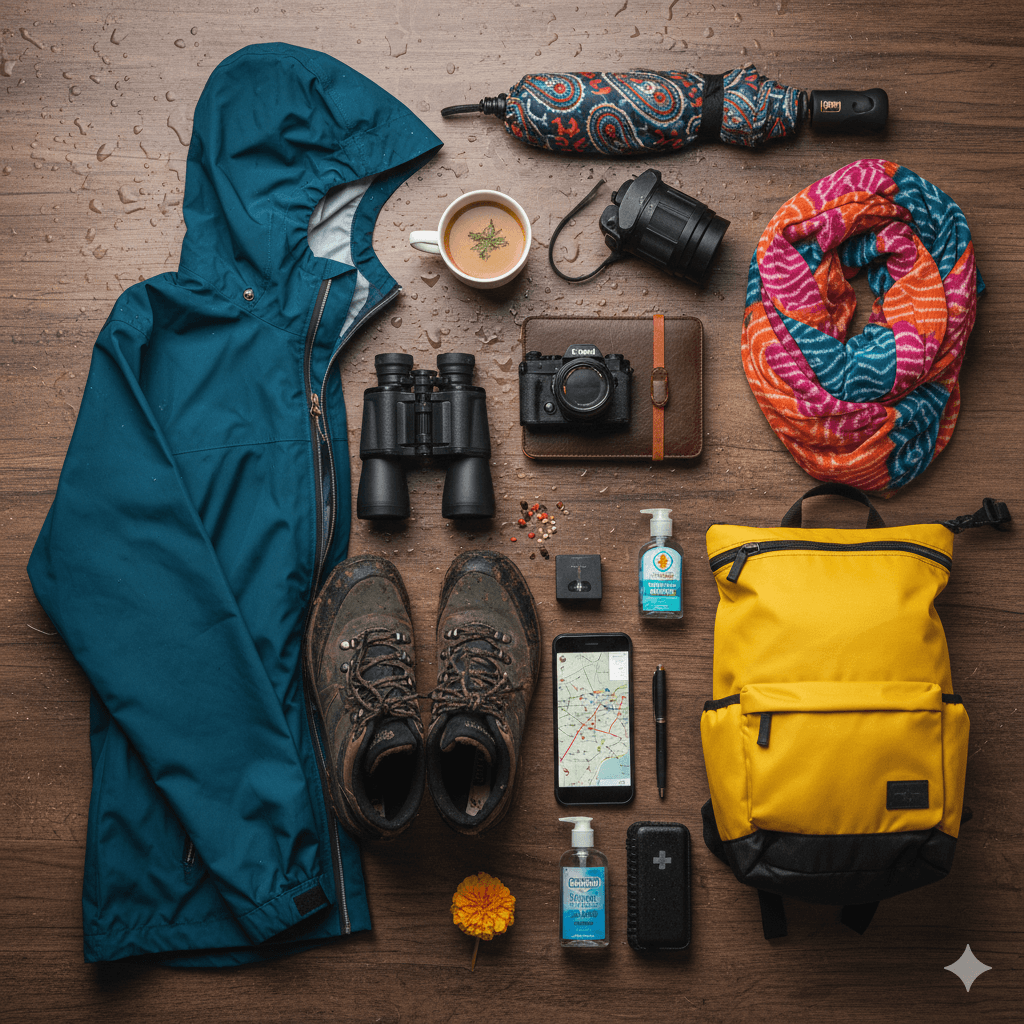
Monsoon Operational Integrity: Equipment & Logistics Audit
| Category | Tactical Risk | Recommended “Hedge” | Business ROI |
| Footwear | Slippery marble & mossy stone. | High-traction, waterproof sandals (floaters). | Prevents “Physical Downtime.” |
| Electronics | Humidity & sudden downpours. | Silica gel packets & dry bags. | Protects “Digital Capital.” |
| Health | Water-borne “Variables.” | Drink only bottled/sealed water. | Ensures “Operational Continuity.” |
| Commute | Flash flooding & waterlogging. | Use the “Railway Pivot” for intercity. | Guarantees “On-Time Delivery.” |
| Apparel | 80% Humidity levels. | Linen or quick-dry synthetics. | Maximizes “Personal Comfort.” |
Strategist’s Directives for “In-Field” Success
- The Humidity Hedge: By mid-July, the humidity in Eastern Rajasthan (Jaipur/Udaipur) can surge to $75\%$. Your primary “Asset Protection” is breathable clothing. Avoid heavy denim—it’s a “Non-Performing Asset” that stays wet for days. Go for linen or synthetic blends that offer a high “Evaporation Rate.”
- Logistics & Road Safety: Monsoon road travel requires a “Safety Buffer.” While highways are generally excellent, city streets in Jaipur can experience “Temporary Liquidity Issues” (waterlogging) after a heavy burst. Avoid traveling by road at night; visibility can drop during a downpour. Always check the “Weather Dashboard” before booking a long-distance taxi.
- The “Bug” Protocol: Increased greenery means a surge in the insect population. This is a “Known Variable.” Pack a DEET-based repellent to protect your “Skin Equity,” especially if you’re staying at heritage properties with open courtyards or lush gardens.
- Document Security: Your passport and visas are your “Primary Licenses.” In July, a simple paper folder is a “Security Leak.” Invest in a $100\%$ waterproof dry pouch. If you get caught in a sudden Rajasthani cloudburst, you’ll thank me for this “Data Protection” tip.
Expert Insight: The “Flexible Itinerary” Clause
In Rajasthan off-season travel, the weather is your “Majority Shareholder.” If it starts pouring, don’t force a trek. Pivot to an indoor “Cultural Asset” like a museum or a luxury spa session. In 2026, the most successful travelers are those who can “Agile-Shift” their plans based on real-time climate data.
Wearing a plastic poncho in a 5-star palace hotel might make you look like a human-sized sandwich bag, but it’s better than looking like a drowned cat at the dinner table. Plus, in July, “Function” is the new “Fashion”—everyone else will be too busy envying your dry clothes to judge your style!
15. Trip Essentials: The Operational Kit for Rajasthan Off-Season Travel
In any high-stakes merger or acquisition, you don’t just show up with a handshake; you bring a briefcase of essential tools. Planning your Rajasthan off-season travel for July 2026 is no different. You are moving into a “High-Humidity, High-Reward” market, and your “Physical Assets” (your gear) must be as agile as your itinerary.
Think of your suitcase as your mobile headquarters. If you pack like it’s a dry December, your “Operational Efficiency” will tank the moment the first monsoon cloud bursts over the Aravallis. Here is the vetted list of “Technical Specs” for your 2026 July kit.
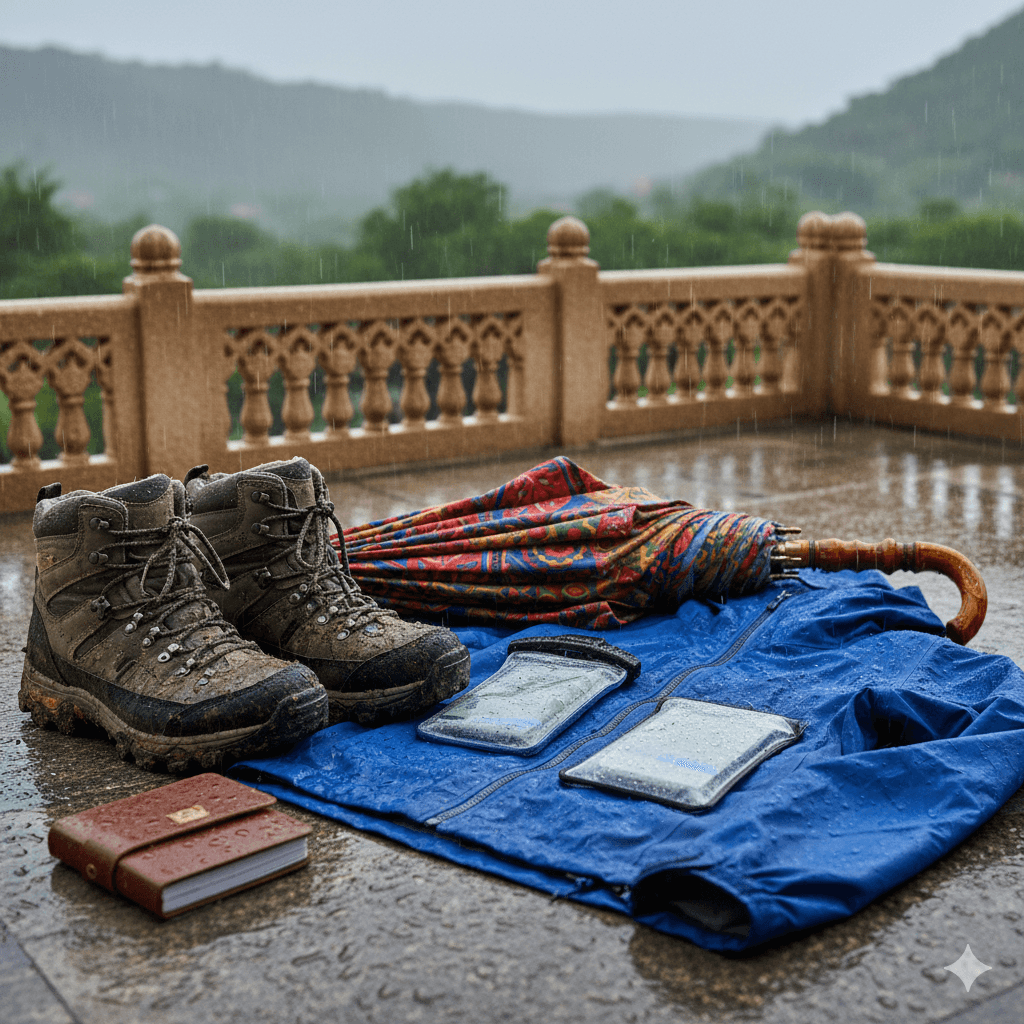
2026 Monsoon Gear Inventory: The Strategic Checklist
| Asset Category | Essential Item | Strategic Purpose | Priority Level |
| Apparel | Quick-Dry Synthetics / Rayon | Dries in 2 hours vs. 2 days for denim. | Critical |
| Footwear | Non-Slip Rubber Sandals | Navigation of “Wet Marble” risks. | High |
| Tech Protection | Silicone Dry Bags / Zip-locks | Guards “Digital Capital” from humidity. | High |
| Climate Control | Sturdy Foldable Umbrella | Portable shelter for “Market Strolls.” | Medium |
| Health Guard | DEET-based Bug Spray | Defensive play against monsoon “Competitors” (bugs). | High |
Tactical Packing Directives
- The “Linen vs. Synthetics” Debate: While I usually advocate for linen, in the peak of Rajasthan off-season travel, humidity can make linen feel like a damp towel. In 2026, I recommend a 70/30 split: 70% quick-dry polyester/rayon blends (for active sightseeing) and 30% fine cotton/linen (for those air-conditioned palace dinners).
- The “Traction” Protocol: Rajasthan’s forts are made of stone that becomes incredibly slick when wet. Forget your leather-soled luxury loafers; they have zero “Market Grip.” Bring high-quality rubber-soled sandals or “floaters” that can be easily washed when you inevitably step into a festive puddle.
- Digital Asset Security: Monsoon rain in India doesn’t just “fall”; it “deploys.” Within seconds, a sunny afternoon can turn into a torrential downpour. Keep a few heavy-duty Ziploc bags in your daypack for your phone and power bank. This is your “Business Continuity Plan” for your electronics.
- The “Scent” Strategy: Higher humidity means higher perspiration. In 2026, don’t rely on your standard cologne. Pack a high-performance, long-wear deodorant and a small pack of cooling wet wipes to keep your “Professional Persona” fresh during long transit days.
Technical Note: Power & Connectivity
July storms can occasionally lead to “Grid Volatility” (minor power cuts). A 20,000mAh power bank is a mandatory “Backup Generator” for your mobile office.
Packing for Rajasthan in July is like preparing for a board meeting in a sauna. You want to look like royalty, but you need to sweat like an athlete. If you find yourself choosing between a third pair of jeans and a lightweight poncho, take the poncho—your “Style Equity” is much higher when you’re dry than when you’re wearing soggy Levi’s!
16. Conclusion: Executing Your Luxury Launch in 2026
As we reach the “Closing Argument” of this strategy session, it’s clear that Rajasthan off-season travel is not just a budget play—it’s a high-level executive move for the discerning traveler. By choosing to visit in July 2026, you are essentially buying into a “Bull Market” of natural beauty while the “Price Index” remains at an all-time low.
You’ve seen how the forts become emerald-crowned citadels, how the lakes reach peak liquidity, and how the luxury palace hotels offer the kind of ROI that would make a CFO weep with joy. This is your moment to experience the “Land of Kings” without the common “Crowd Liability.”
The Final Success Checklist: 2026 Edition
| Strategic Milestone | Goal | Action Item |
| Booking Window | Secure “Early-Bird” Discounts. | Book at least 30 days out for 60% off. |
| Weather Watch | Maintain “Operational Flexibility.” | Download a reliable 2026 radar app. |
| Cultural Capital | Maximize the “Teej Dividend.” | Plan to be in Jaipur/Bundi late July. |
| Health Asset | Protect “System Integrity.” | Pack the “Survival Kit” (Repellent/Water). |
| Final Exit | Post-Trip “Reporting.” | Backup your high-saturation monsoon photos. |
Expert Sign-off: Why Your “Launch” Will Succeed
In 2026, travel is about depth over volume. While the winter crowds are fighting for a square inch of space at the Amber Fort, you will be standing on its ramparts with a cool breeze and a panoramic view of a green, rain-washed valley. You’ve leveraged Rajasthan off-season travel to turn a standard holiday into a boutique, private experience.
The strategy is simple:
- Capitalize on the lower costs of heritage stays.
- Diversify your itinerary with hidden gems like the Hadoti Belt.
- Enjoy the sensory overload of spicy Mirchi Badas and sweet Ghevar.
If your friends ask why you went to the desert during the monsoon, just smile and tell them you were performing a “Market Audit of Emerging Green Assets.” They don’t need to know you were actually just living like a Maharaja for the price of a mid-range accountant!
17. Frequently Asked Questions & Critical Information
Before we “sign off” on this 2026 deployment, every good business plan needs a Due Diligence phase. You have the itinerary and the gear, but you likely still have a few “Pending Queries” sitting in your inbox.
Navigating Rajasthan off-season travel requires a bit of insider knowledge to separate the myths from the market realities. Here is the final “Q&A Audit” to ensure your 2026 monsoon campaign is executed with total clarity and zero surprises.
The “Need-to-Know” Liquidity Table: Quick Facts
| Query Variable | Fact / Data Point | Strategic Impact |
| Visa Policy (2026) | E-Visa remains standard for most. | Apply 15 days prior to arrival. |
| Connectivity | 5G coverage is 95% in major cities. | Easy “Work from Palace” setup. |
| Transport | Vande Bharat trains link the Triangle. | Fast, dry, and high-comfort. |
| Language | Hindi & English widely used. | Low “Communication Friction.” |
| Currency | INR (Digital payments preferred). | UPI is king; keep small cash for tips. |
Frequently Asked Questions: The Executive Briefing
- Is it actually safe to travel during the monsoon? Absolutely. While the news might show “High-Volatility” flooding in other parts of India, Rajasthan’s arid geography means rain is usually a welcome “Asset.” Roads are well-maintained in 2026, though you should expect minor delays during heavy downpours.
- Will the heat still be a “Liability”? It’s a different kind of heat. You’re trading the $45°C$ “Dry Heat” for $32°C$ with “High Humidity.” It’s manageable if you stay hydrated and use your hotel’s pool as a “Cooling Hedge” during the peak afternoon hours.
- Are all the monuments open during Rajasthan off-season travel? Yes! Unlike some national parks that close their core zones, the historical forts, palaces, and museums stay $100\%$ operational. In fact, they are often open longer to accommodate the “Teej” festival crowds in July.
- What about the “Insect Variable”? Greenery attracts life—both the beautiful (peacocks) and the annoying (mosquitoes). Heritage hotels in 2026 are very aggressive with their “Pest Control Protocols,” but carrying a personal repellent is a non-negotiable “Insurance Policy.”
Expert Tip: The “Digital Payment” Pivot
In 2026, Rajasthan has gone almost entirely cashless in urban centers. Whether you’re buying a $₹20$ Kulhad Chai or a $₹20,000$ carpet, UPI and digital wallets are the preferred “Transaction Method.” Keep your physical cash as a “Reserve Asset” for remote rural areas.
If you’re worried about getting stuck in the rain, remember: in Rajasthan, “stuck” usually means being forced to drink another round of free tea in a beautiful 400-year-old haveli. If that’s a “Project Risk,” it’s one I’m willing to take!