Ranthambore vs Sariska Tiger Safari: Best 2026 Adventure Guide
1. Introduction: The Wild Rajasthan Choice
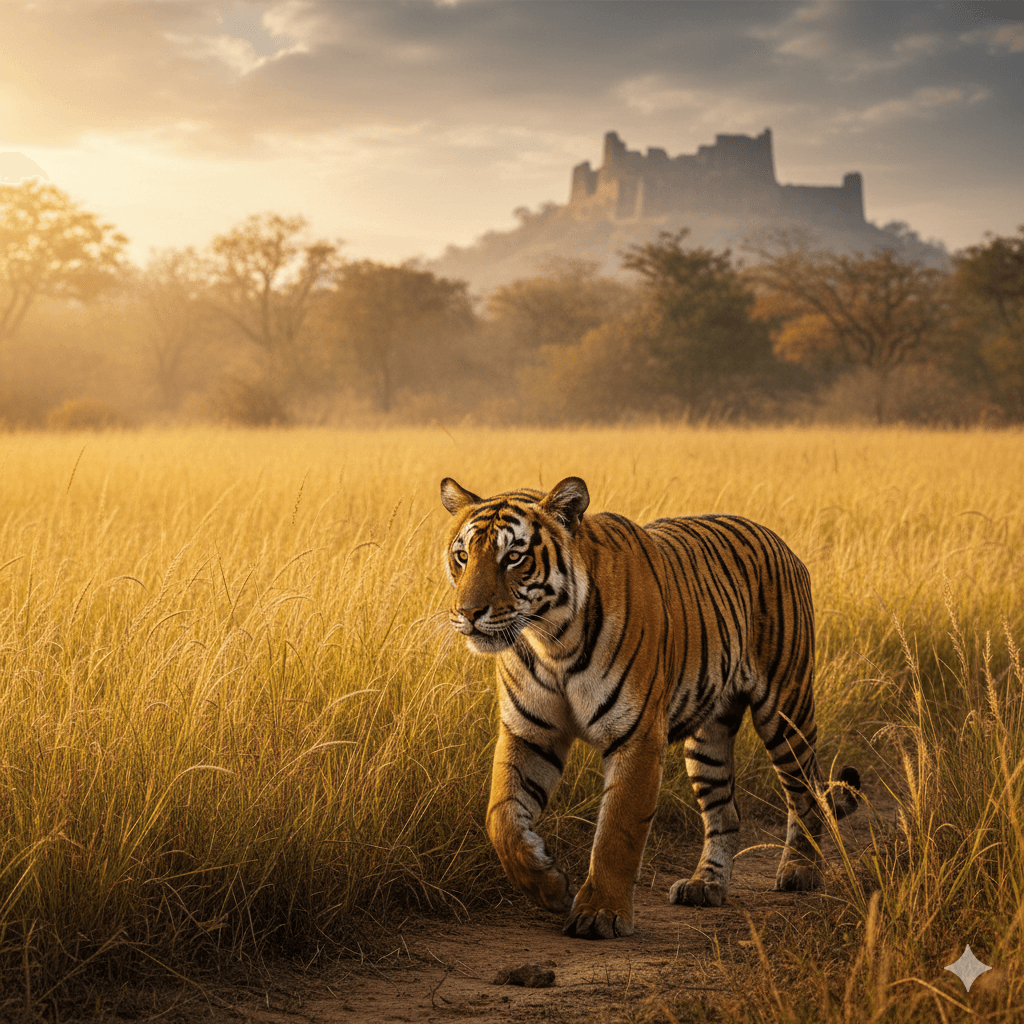
Ranthambore vs Sariska Tiger Safari: choosing between Ranthambore and Sariska for a tiger safari in 2026 is like choosing between a high-octane Bollywood blockbuster and a soulful, indie documentary. Both feature the same lead actor (the Royal Bengal Tiger), but the experience on set is worlds apart.
As someone who spends more time in a 4×4 than in my own living room, I’ve seen the landscape of Rajasthan’s wildlife tourism shift dramatically this year. If you’ve been scrolling through social media, you might have heard the “silent” news: as of January 2026, the Supreme Court has officially banned mobile phones during safaris in Ranthambore’s core zones. Yes, you heard that right! The era of “live-streaming” a tiger kill is over, replaced by a much-needed return to raw, unplugged nature.
So, where does that leave your adventure? Whether you’re a die-hard photographer or a family looking for that first magical stripe-spotting moment, the Ranthambore vs Sariska tiger safari debate has never been more relevant.
Quick Glance: The 2026 Tale of the Tape
| Feature | Ranthambore National Park | Sariska Tiger Reserve |
| Tiger Population | ~75+ (High Density) | ~30+ (Growing/Reintroduced) |
| Sighting Probability | 🏆 High (Expect crowds) | Moderate (The “Hard-Earned” thrill) |
| Terrain | Cinematic lakes, forts, & ruins | Rugged Aravalli hills & narrow passes |
| 2026 “Mobile” Rule | Strict Ban (Digital Detox) | Implementation in progress (Strict) |
| Vibe | High-energy, iconic, bustling | Serene, secluded, “Slow-Travel” |
Why This Choice Matters in 2026
- The Purist’s Dream: With the mobile phone ban, a Ranthambore vs Sariska tiger safari is now a true test of your patience and your DSLR skills. No more distracting ringtones; just the alarm calls of the Sambar deer and the heavy breath of the jungle.
- The Crowd Factor: Ranthambore remains the “Tiger Capital,” but Sariska is the 2026 underdog winning over travelers who want the forest to themselves.
- Historical Echoes: While Ranthambore has the massive UNESCO fort, Sariska offers the hauntingly beautiful Kankwari Fort, where history feels a bit more “untouched.”
In this guide, I’m going to break down which park deserves your limited vacation days, how to navigate the new rules, and—most importantly—how to ensure you actually see the big cat without losing your mind (or your phone) in the process.
2. Ranthambore vs. Sariska: The Great Wildlife Comparison
Alright, let’s get into the nitty-gritty. If the introduction was the movie trailer, this is the scene where the two heavyweights finally face off in the middle of the jungle. When we talk about a Ranthambore vs Sariska tiger safari, we aren’t just comparing two spots on a map; we are comparing two entirely different philosophies of adventure.
The Vibe Check: Sighting Probabilities & Soul
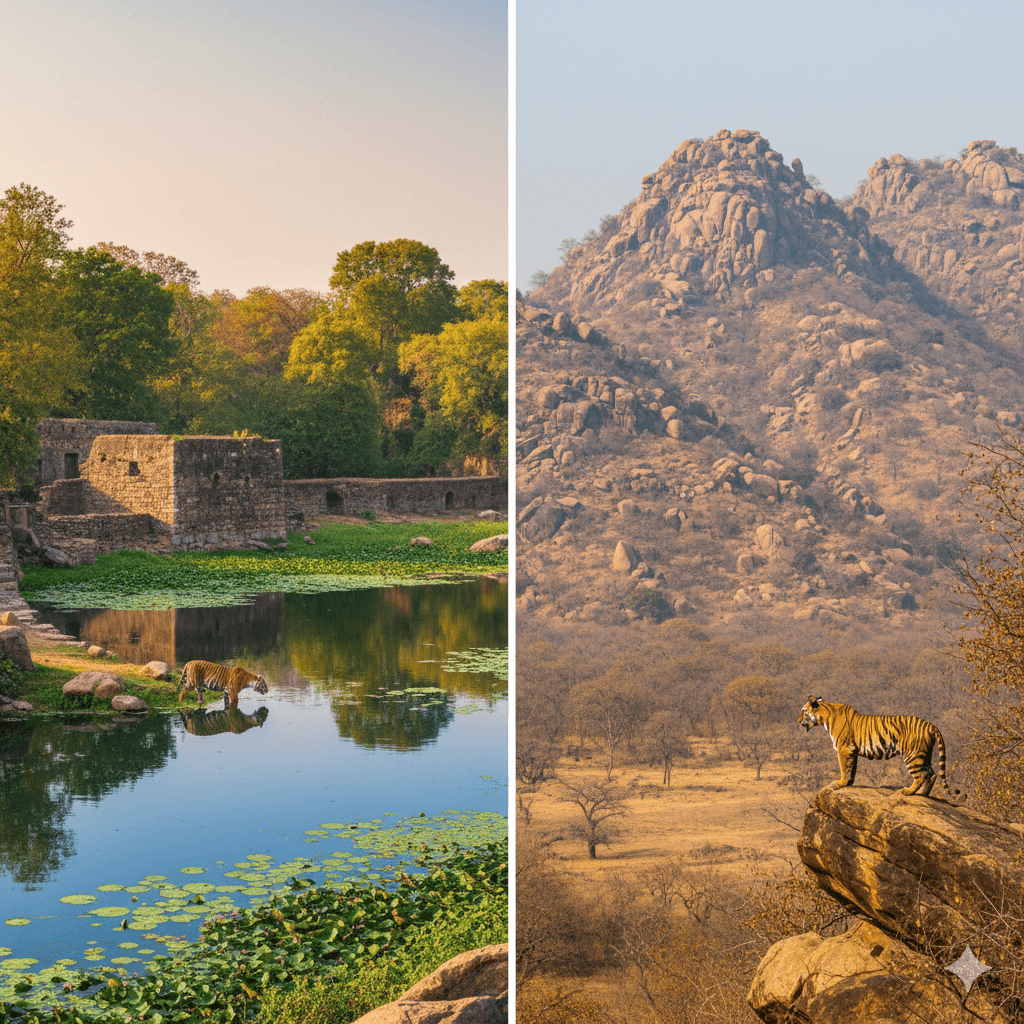
In Ranthambore, the tigers are basically the celebrities of the animal kingdom. They are habituated to the sound of engines and the sight of khaki-clad humans. If a tiger is in Zone 3, it’s not “hiding”—it’s posing. In 2026, with over 75 tigers prowling the park, your sighting odds are high, but you’ll be sharing that moment with a few other vehicles (and since phones are banned, a lot of silent, focused stares).
Sariska, on the other hand, is for the patient soul. With about 30+ tigers spread across a rugged landscape, spotting one feels like winning the lottery. You aren’t just “seeing” a tiger; you are tracking one. The adrenaline spike when you finally see a stripe through the Dhok trees? Unmatched.
| Feature | Ranthambore (The Showstopper) | Sariska (The Rugged Underdog) |
| Tiger Density | Very High (~75 tigers) | Moderate (~30 tigers) |
| Terrain Style | Alluring, lakes, cliffs, and ruin-scapes | Steep Aravalli hills & rocky valleys |
| Best Sighting Odds | 70% – 90% (In peak zones) | 30% – 50% (The true “trackers” park) |
| Crowd Levels | High (Expect “tiger traffic jams”) | Low (Peaceful, private, raw) |
| Photo Ops | Legendary (Tigers vs. Forts/Lakes) | Dramatic (Rugged cliffs & ruins) |
The Battle of the Wheels: Jeep vs. Canter
Now, let’s talk about your chariot. In 2026, the vehicle you choose defines your comfort and your “shot.”
- The Jeep (6-seater Jeep): This is the scalpel. It’s quiet, agile, and can zip through narrow tracks where tigers like to lounge. If you’re a photographer or a couple wanting a “don’t look at me, look at the tiger” vibe, the Jeep is your only real choice. It’s more expensive, but worth every rupee for the maneuverability.
- The Canter (20-seater Bus): This is the sledgehammer. It’s loud, high-capacity, and honestly, a bit of a party on wheels. Because you’re sitting higher up, you actually get a better “birds-eye” view over the tall grass—great for spotting leopards or herds of Chital. It’s the budget-friendly way to go, though your chances of a “sneaky” close encounter are lower because, well, the tiger hears you coming from a mile away.
My Personal Take:
“I remember my last morning in Sariska. We spent three hours following a single pugmark. The silence was so heavy you could hear the heartbeat of the forest. In Ranthambore, I saw three tigers before breakfast, but I also saw 15 other Jeeps. If you want the ‘gram (or the memory) of a lifetime, go to Ranthambore. But if you want to feel the jungle, Sariska is where your heart will beat the loudest.”
Whether you choose a Ranthambore vs Sariska tiger safari, remember that the jungle doesn’t owe you anything—and that’s exactly what makes the hunt so addictive.
3. Beyond the Stripes: Top Sightseeing & Things to Do
Let’s be real: as much as we all want to be the “Tiger Whisperer,” there are moments when the big cats decide to play hard to get. But don’t pack your bags just yet! Whether you’re on a Ranthambore vs Sariska tiger safari, the adventure doesn’t stop at the park gates. In fact, some of my favorite memories from 2026 haven’t been through a lens, but rather standing atop a thousand-year-old battlement or sharing a chai in a local village.
Ranthambore: The Royal Circuit
If you aren’t chasing pugmarks, you’re likely chasing history. The sightseeing here is “grand” in every sense of the word.
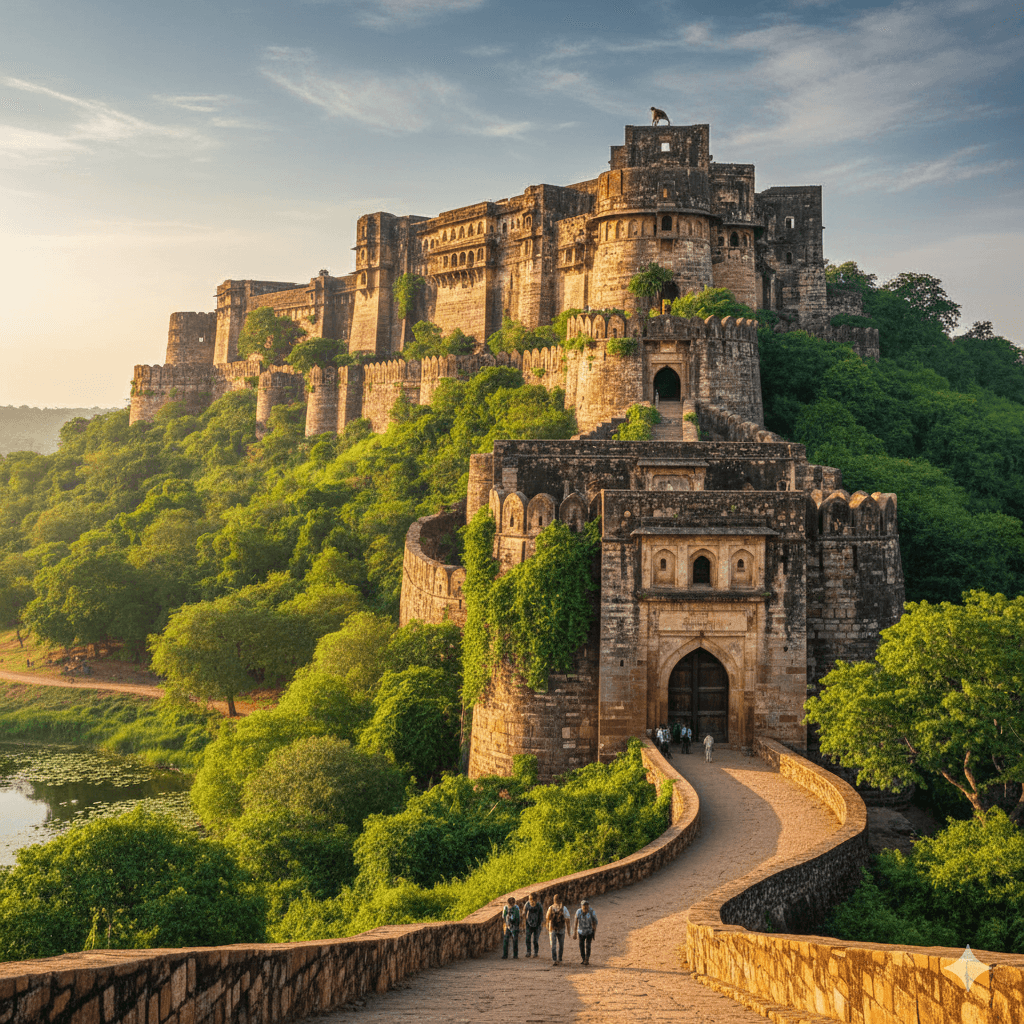
- Ranthambore Fort (UNESCO Heritage): You cannot visit without climbing this beast. It’s a steep walk, but the view of the jungle from the top is cinematic. Pro Tip: Look for the resident langurs; they act like they own the place (and honestly, they do).
- Trinetra Ganesh Temple: Located inside the fort, this is the only temple in the world where Lord Ganesha has three eyes. In 2026, the tradition of “inviting” Ganesha to weddings via post is still thriving—check out the piles of wedding invites sent by devotees!
- Surwal Lake: If you’re into birdwatching, skip the morning sleep-in. In winter, this place is a pink-and-white mosaic of flamingos and painted storks.
Sariska: The Haunted & The Holy
Sariska’s “off-safari” game is arguably stronger if you love a good ghost story or a quiet boat ride.
- Bhangarh Fort: Notoriously known as the most haunted place in India. You must leave before sunset (seriously, the guards won’t let you stay). It’s a mix of stunning Mughal architecture and a vibe that says, “Maybe I shouldn’t be here.”
- Siliserh Lake Palace: Built in 1845, this is where you go to feel like a Maharaja. I highly recommend the boat ride; the Aravalli hills reflecting in the water is the ultimate 2026 zen moment.
- Pandupol Hanuman Temple: Legend says Bhima (from the Mahabharata) created a path through the mountains here with a single blow of his mace. It’s hidden deep in the forest and feels incredibly sacred.
Sightseeing Showdown: 2026 Edition
| Activity | Ranthambore (The Icon) | Sariska (The Escape) |
| Best History Hit | Ranthambore Fort (Massive/UNESCO) | Kankwari Fort (Isolated/Rugged) |
| Spiritual Spot | Trinetra Ganesh (Unique/Bustling) | Neelkanth Mahadev (Ancient/Serene) |
| Water Views | Padam Talao (Inside the park) | Siliserh Lake (Boating & Tea) |
| Adrenaline | Crocodile Safari at Chambal River | Exploring “Haunted” Bhangarh |
My Personal Recommendation:
“Last month, I spent an afternoon at the Ranthambore School of Art. While everyone else was stressing about whether they’d see ‘T-121’ in Zone 4, I was watching local artists create stunning tiger portraits with charcoal. It reminded me that a Ranthambore vs Sariska tiger safari is about the spirit of the wild, not just a tally of sightings. If you want a break from the dust, go there or head to Shilpgram for some authentic pottery. Your soul (and your DSLR) will thank you.”
4. Famous Historical Places: Where History Meets the Wild
If you think a Ranthambore vs Sariska tiger safari is only about checking animals off a list, you’re missing half the magic. In 2026, the intersection of ancient stone and wild jungle is where the real stories live. I’ve stood in ruins where Mughal emperors once stood, only to be interrupted by the alarm call of a Langur monkey—it’s a surreal mashup of Indiana Jones and Planet Earth.
Ranthambore Fort: The UNESCO Giant
This isn’t just a fort; it’s a sky-high citadel that has watched over the jungle since the 10th century.
- The Vibe: Intimidatingly grand. You enter through massive gates like Navlakha Pol and Hathi Pol, realizing that while we come to see tigers, the tigers here grew up watching kings.
- The 2026 Snapshot: It’s a UNESCO World Heritage site for a reason. Don’t miss the Badal Mahal (Cloud Palace) for views that make you feel like the ruler of the Aravallis.
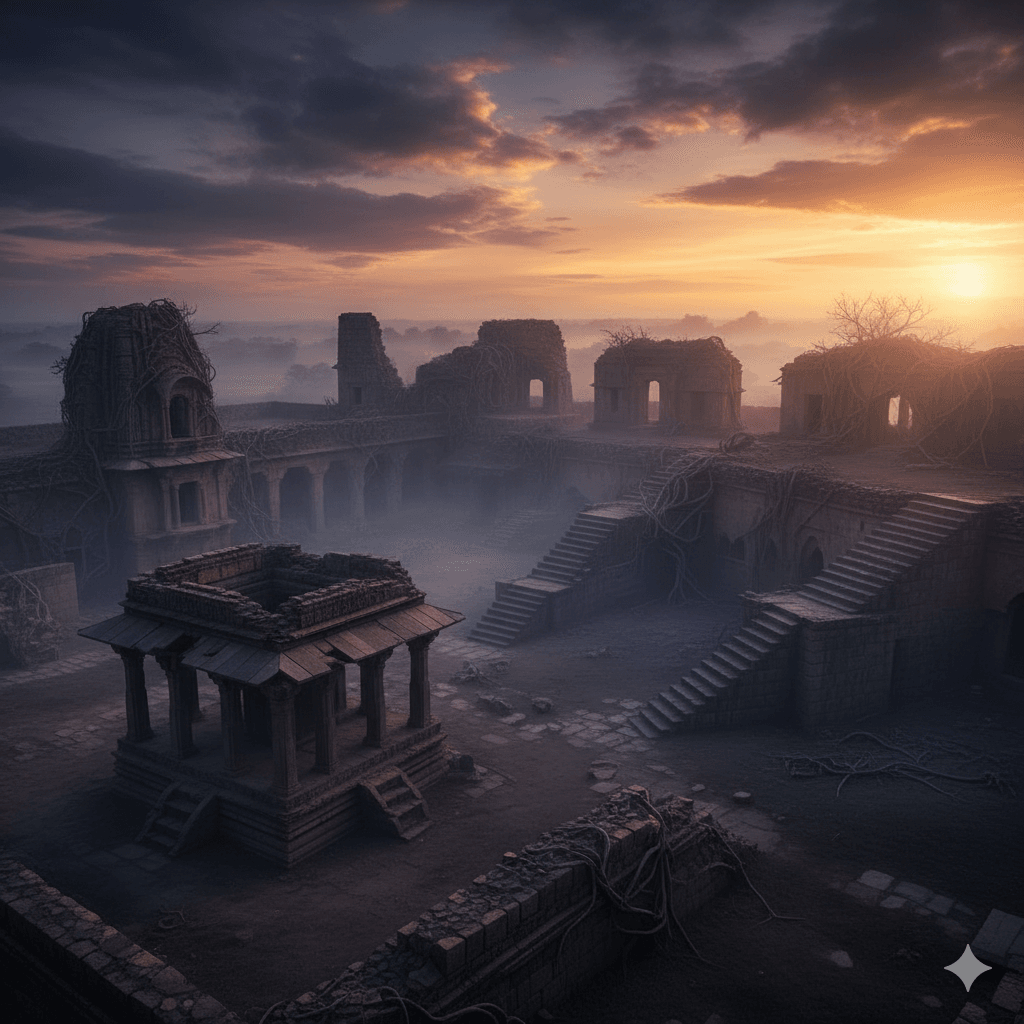
- The “Secret” Spot: Check out the Raj Bagh Ruins. Located between the lakes, these crumbling stone arches look like a movie set. Tigers often lounge under the stone domes, giving you that perfect “King of the Ruins” photo.
Sariska: The Exile & The Ghostly
Sariska’s history feels more intimate, rugged, and—honestly—a bit more mysterious.
- Kankwari Fort: This is the ultimate “hidden gem.” Located deep in the core zone, it’s where the Mughal Emperor Aurangzeb imprisoned his own brother, Dara Shikoh. In 2026, it remains one of the few places where you can stand in a 17th-century prison while hearing a leopard saw in the distance.
- Neelkanth Mahadev Temple: A cluster of 6th-to-9th-century temples that look like a mini-Khajuraho. The intricate carvings are mind-blowing, especially when you realize they’ve survived in the middle of a tiger reserve for over a millennium.
- Pandupol: A natural rock archway with deep mythological roots. Legend says Bhima cracked the mountain open here. Today, it’s a spot where spirituality meets the sheer force of nature.
Historical Heavyweights: At a Glance
| Historical Landmark | Best For… | Reachability |
| Ranthambore Fort | Grandeur & Panoramic Views | 🚶 Steep hike (Accessible to all) |
| Kankwari Fort (Sariska) | Isolation & Mughal Intrigue | 🚜 Safari Jeep only |
| Raj Bagh Ruins (Ranth) | Iconic “Tiger in Ruins” Photos | 🐅 Inside Safari Zones 3 & 4 |
| Neelkanth Temple (Sariska) | Ancient Architecture & Serenity | 🛣️ Bumpy forest road |
My Expert Take:
“I once sat at the edge of the Ranthambore Fort battlements during sunset. Below me, the jungle was turning a deep purple, and for a second, I forgot I was in 2026. These forts weren’t built for tourists; they were built for survival. Whether you’re comparing the Ranthambore vs Sariska tiger safari, these stones remind you that we are just temporary guests in a landscape that the wild reclaimed long ago.
Pro Tip: If you’re at Ranthambore, carry a physical map of the fort. Since your phone is banned in the core areas, you’ll actually have to (gasp!) navigate the old-fashioned way. It adds to the adventure, trust me.”
5. Tailored Adventures: Best Places for Every Interest Group
Alright, let’s get personal. As a business strategist, I know that “one size fits all” is a lie—especially in the wild. Depending on whether you’re carrying a $10,000 lens, a screaming toddler, or just a backpack and a dream, your choice in the Ranthambore vs Sariska tiger safari battle will change completely.
In 2026, these parks have leaned into their strengths. Ranthambore is the high-gloss “Celebrity Circuit,” while Sariska has rebranded as the “Serene Sanctuary.” Here is how to find your calling.
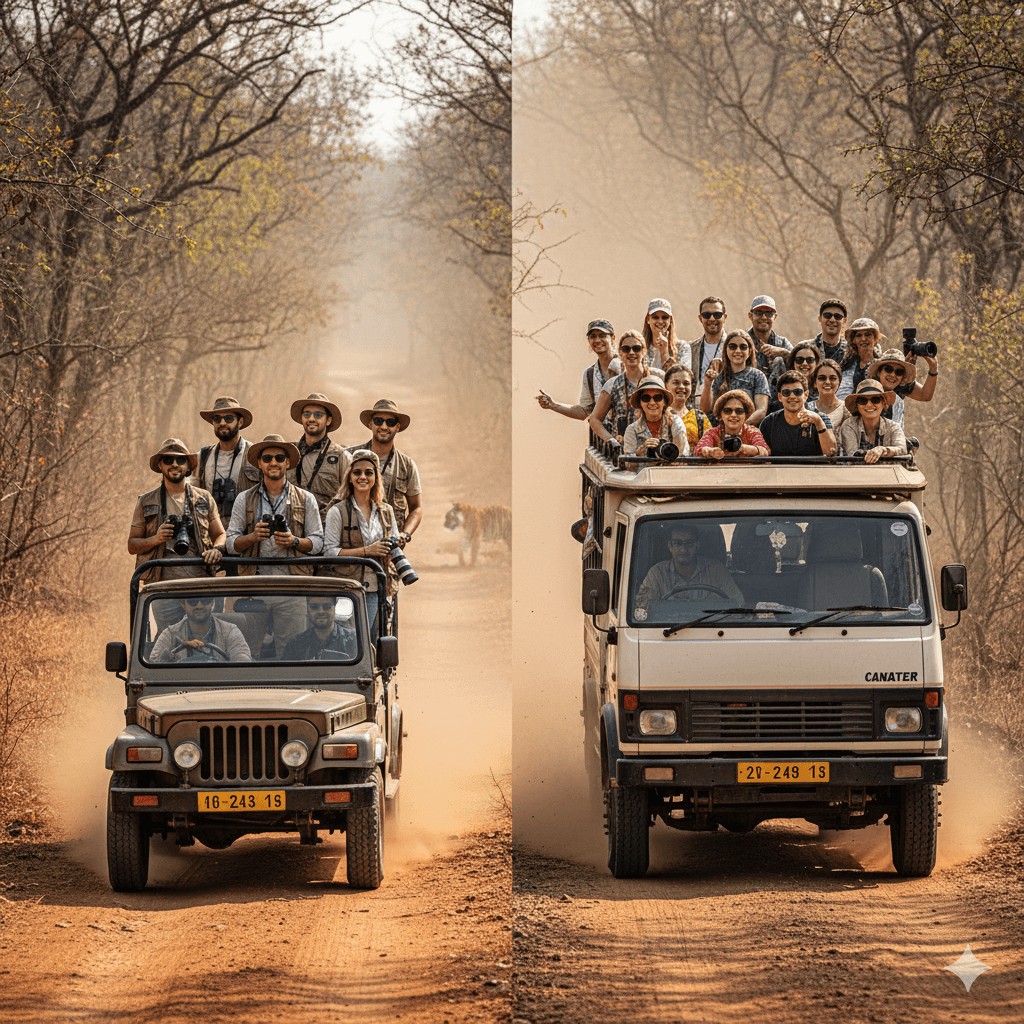
1. The Professional Photographers (The “Shutter-Bugs”)
- The Pick: Ranthambore (Zones 1-5).
- Why: You need the lakes. Tigers walking past the Raj Bagh ruins with the Aravallis in the background? That’s the money shot.
- 2026 Strategy: Since mobile phones are banned in the core, you finally have a “silent” set. No more tourists in your ear asking if you “got the pic.” Book a Jeep Safari—the maneuverability is essential for getting those low-angle shots of a tiger drinking from Padam Talao.
2. Families & First-Timers (The “Memory Makers”)
- The Pick: Ranthambore.
- Why: Let’s be real: if you bring kids to the jungle and don’t see a tiger, you’re the villain of the vacation. Ranthambore’s higher density makes it the safer bet for a sighting.
- The Fun Factor: The Canter Safari is actually great for families. It’s higher up (better views for small kids) and feels like a big, adventurous school bus. Plus, the Trinetra Ganesh Temple is a hit with kids who love a bit of mythology with their monkeys.
3. Solo Travelers & Peace-Seekers (The “Zen Hunters”)
- The Pick: Sariska Tiger Reserve.
- Why: Ranthambore can feel like a “Tiger Theme Park” during peak season. Sariska is where you go to actually hear the wind in the Dhok trees.
- The Vibe: It’s rugged, it’s quiet, and it feels like your discovery. In 2026, Sariska is the “slow-travel” capital of Rajasthan. You can spend an entire afternoon at Siliserh Lake with a book and zero interruptions.
4. History & Culture Buffs (The “Time Travelers”)
- The Pick: It’s a Tie (but Sariska has the edge for mystery).
- Why: Ranthambore has the UNESCO fort, which is massive and iconic. But Sariska has Bhangarh (the haunted fort) and Neelkanth Temple. If you want a day trip that feels like a supernatural mystery, Sariska wins.
Interest Group Matchmaker: 2026 Edition
| Interest Group | Recommended Park | Key Activity | Best Vehicle |
| Photographers | Ranthambore | Lake-side Tracking | Jeep (6-Seater) |
| Families | Ranthambore | Fort & Ganesh Temple | Canter (20-Seater) |
| Solo Travelers | Sariska | Silence & Stargazing | Jeep (Private) |
| Adventurers | Sariska | Night Safari (Buffer) | Jeep |
| Budget Travelers | Both | Group Tours | Canter |
My Personal Take:
“Last year, I sent a friend who is a solo hiker to Ranthambore, and she hated the crowds. I sent her to Sariska this year, and she sent me a photo of a leopard tracks she found herself—no other Jeeps in sight. When you weigh the Ranthambore vs Sariska tiger safari, ask yourself: Do I want to see a tiger, or do I want to find one? If you’re like me and enjoy a bit of ‘earned’ adventure, Sariska is your 2026 winner.”
6. After Dark & High Altitudes: Nightlife & Adventure Activities
You might think that once the safari gates clank shut at sunset, the adventure is over. In reality, that’s just when the “Other Rajasthan” wakes up. If you’re caught in the Ranthambore vs Sariska tiger safari dilemma, your decision might actually boil down to what you want to do when you aren’t looking for tigers.
In 2026, both parks have leveled up. Therefore, Ranthambore has gone “High-Tech and High-Altitude,” while Sariska has leaned into its status as India’s premier “Dark Sky” destination.
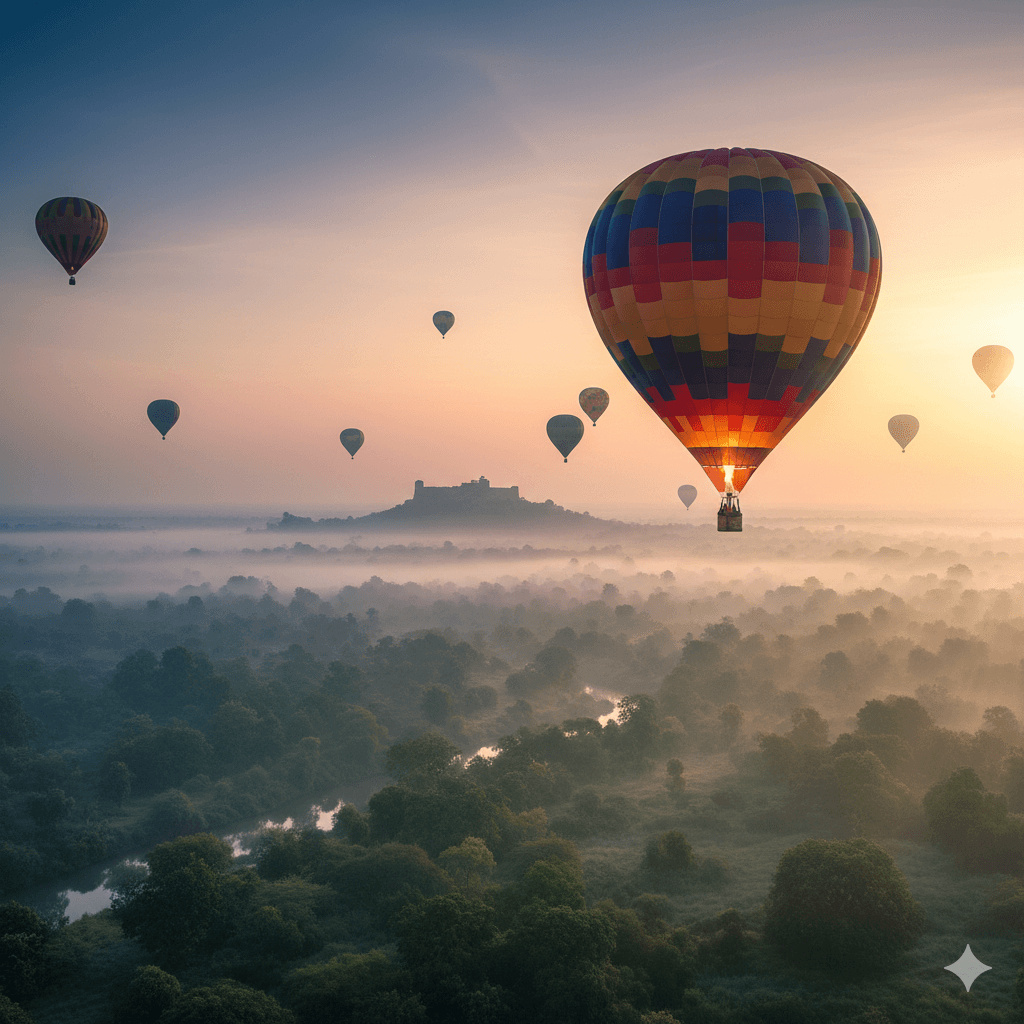
Ranthambore: The Sky-High Thrill
The Ranthambore isn’t just about ground-level prowling anymore. It’s become a hub for aerial adventure.
- Hot Air Ballooning: Ever wanted to see a tiger from 200 feet up? In 2026, ballooning over the Aravallis is the ultimate flex. It’s a 10-minute sunrise or sunset flight that gives you a “Bird’s Eye” view of the fort and the core zones.
- Powered Paragliding: For the real adrenaline junkies, you can soar over the buffer zones with a motor on your back. It’s loud, it’s fast, and the views are unbeatable.
- Croc-Spotting at Chambal: About an hour away, the National Chambal Sanctuary offers boat safaris to see Gharials (crocodiles) and the rare Gangetic Dolphin. It’s the “water version” of your tiger hunt.
Sariska: The Celestial Escape
Sariska owns the night. Because it’s nestled deep in the Aravallis with zero light pollution, it’s a paradise for stargazers.
- Astroport Sariska: This is India’s first astronomy-themed resort. We’re talking research-grade telescopes, astronomers on speed-dial, and views of the Milky Way so clear you’ll feel like you’re in a sci-fi movie.
- Night Safaris (Buffer Zone): While core zones are off-limits at night, Sariska’s buffer zones (like Baraliwari) offer nocturnal tracking. This is where you find the shy ones: Striped Hyenas, Porcupines, and the elusive Indian Leopard.
- Starlit Jungle Dinners: Many luxury camps here now offer private “Jungle Dinners” under the stars. No music, no Wi-Fi—just the sound of the forest and a very expensive bottle of wine.
Adventure Comparison: 2026 Edition
| Activity | Ranthambore (The Adrenaline) | Sariska (The Zen) |
| Aerial View | 🎈 Hot Air Ballooning / Paragliding | 🔭 Professional Stargazing |
| Night Activity | Luxury Bonfires & Folk Music | 🌌 Astro-Photography & Night Safaris |
| Water Sport | Chambal River Boat Safaris | Siliserh Lake Boating |
| Trekking | Ranthambore Fort Hike | Guided Nature Trails & Kankwari Fort |
| Unique Hook | Aerial Tiger Tracking | Sleeping under the Milky Way |
My Expert Take:
“I’ll be honest: after four hours of dust on a Ranthambore vs Sariska tiger safari, my favorite ‘adventure’ is often a cold drink and a view. But last week in Sariska, I spent an hour looking through a telescope at Saturn’s rings while a jackal howled somewhere nearby. It blew any nightclub I’ve ever been to out of the water. Ranthambore is where you go to scream on a zipline; Sariska is where you go to whisper to the stars.”
Advice for Readers: If you’re doing the night safari in Sariska’s buffer, wear layers! The desert chill is real, and the open Jeep at 10 PM feels a lot faster than it did at noon.
7. The Neighborhood Watch: Nearby & Surrounding Attractions
One of the biggest mistakes travelers make when planning a Ranthambore vs Sariska tiger safari is thinking the adventure ends at the park boundary. As your business strategist, let me tell you: the “ROI” of your trip actually doubles when you look at the surrounding loop.
In 2026, Rajasthan has pivoted toward “Slow Tourism,” and the areas around these reserves are now packed with hidden gems that range from the world’s deepest stepwells to towns that feel like an Afghan time capsule.
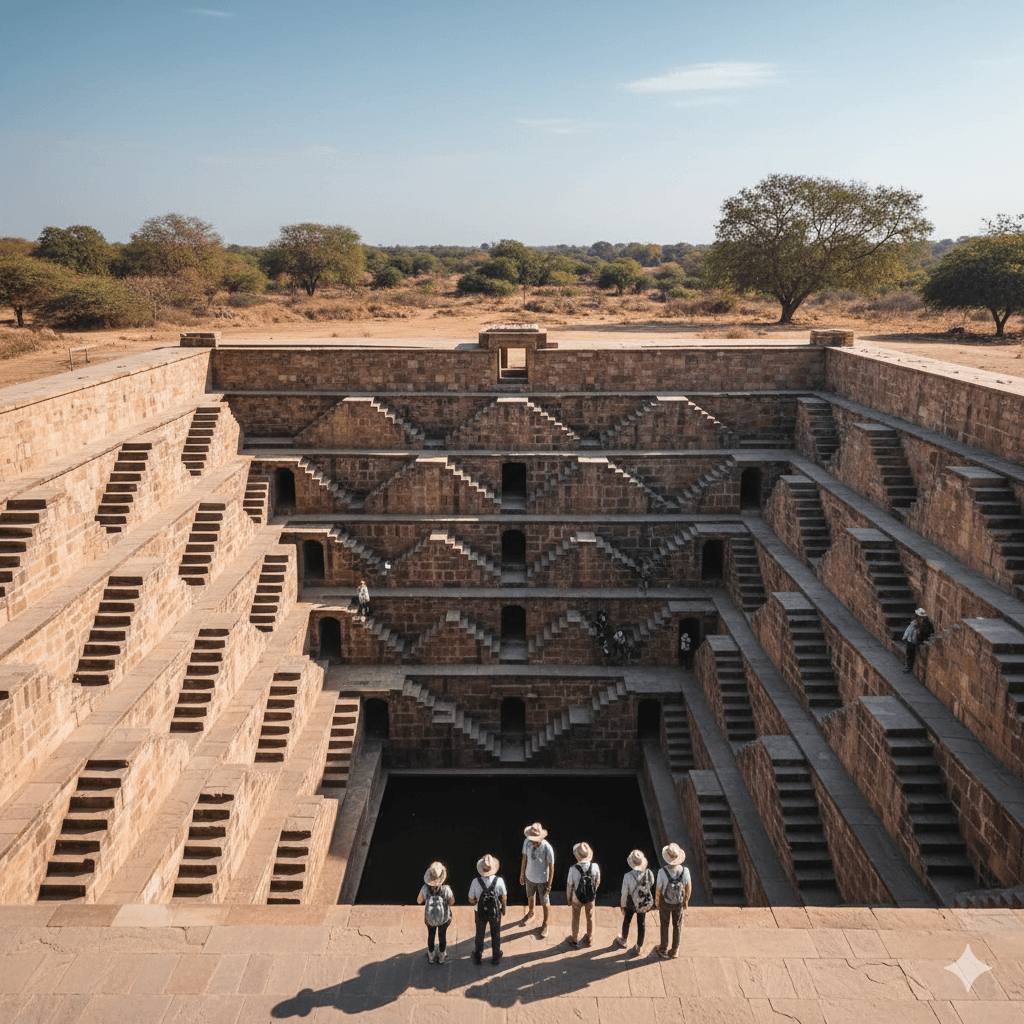
Hidden Gems Near Ranthambore
- Tonk (The “Lucknow of Rajasthan”): Just 90km away, this is a total vibe shift. It was a stronghold of Afghan Pathans, and the Sunheri Kothi (Mansion of Gold) is jaw-dropping. From the outside, it looks like a dusty old haveli; inside, it’s a mosaic of gold, emeralds, and mirrors.
- National Chambal Sanctuary: About an hour’s drive, and you’re swapping tigers for prehistoric-looking Gharials (narrow-snouted crocodiles) and rare Gangetic Dolphins. It’s the perfect “water-coolant” for your dusty safari soul.
- Khandar Fort: If Ranthambore Fort feels too crowded, head 45km to Khandar. It’s an imposing, vertically-carved fortification that supposedly was never lost in battle. The views? Absolute fire.
Scenic Stops Near Sariska
- Chand Baori (Abhaneri): Located en route to Sariska, this is the most photogenic stepwell in India. It has 3,500 symmetrical steps that descend into the earth. Even in 2026, it remains the ultimate “geometry-porn” for your camera.
- Bala Quila (Alwar Fort): Perched above Alwar city, this fort has 15 large and 51 small towers. It’s less touristy than the Jaipur forts and offers a panoramic view of the Aravallis that’ll make you want to buy a telescope.
- Moosi Maharani ki Chhatri: A stunning red sandstone and marble cenotaph. It’s the perfect spot for a quiet sunset walk after a day of tracking leopards.
The “Day Trip” Duel: 2026 Edition
| Destination | Distance from Park | Why Visit? | Best For… |
| Tonk (Near Ranth) | 95 km | Persian architecture & Gold Mansion | History Buffs |
| Chambal (Near Ranth) | 60 km | Crocodile & Dolphin Boat Safaris | Wildlife Diversification |
| Bhangarh (Near Sariska) | 45 km | India’s “Most Haunted” ruins | Adrenaline Seekers |
| Abhaneri (Near Sariska) | 85 km | Deepest, most symmetrical stepwell | Photography & Architecture |
My Personal Take:
“I once met a couple who spent seven days only doing a Ranthambore vs Sariska tiger safari comparison. By day five, they were ‘tiger-tired.’ I told them to drive out to Hathi Bhata near Tonk—a life-sized elephant carved out of a single stone from the year 1200. It changed their whole perspective. Don’t be a park-prisoner! The surrounding Aravallis are hiding secrets that are just as majestic as the tigers themselves.”
Pro-Tip: If you’re heading to Abhaneri from Sariska, stop at a local roadside dhaba for Mishri Mawa (a local sweet). It’s the sugar rush you’ll need for all those steps!
8. The “Wild List”: Best of 2026 for Ranthambore & Sariska
As your business strategist, I’ve crunched the numbers and the 2026 guest reviews. If you’re putting your hard-earned money into a Ranthambore vs Sariska tiger safari, you need to know where to sleep, which zone to book, and who to trust with your binoculars.
In 2026, the luxury scene in Ranthambore is all about “Plunge Pools & Privacy,” while Sariska is winning the game with “Eco-conscious Tents & Stargazing.” Here is my curated “Best of” list to save you from a research rabbit hole.
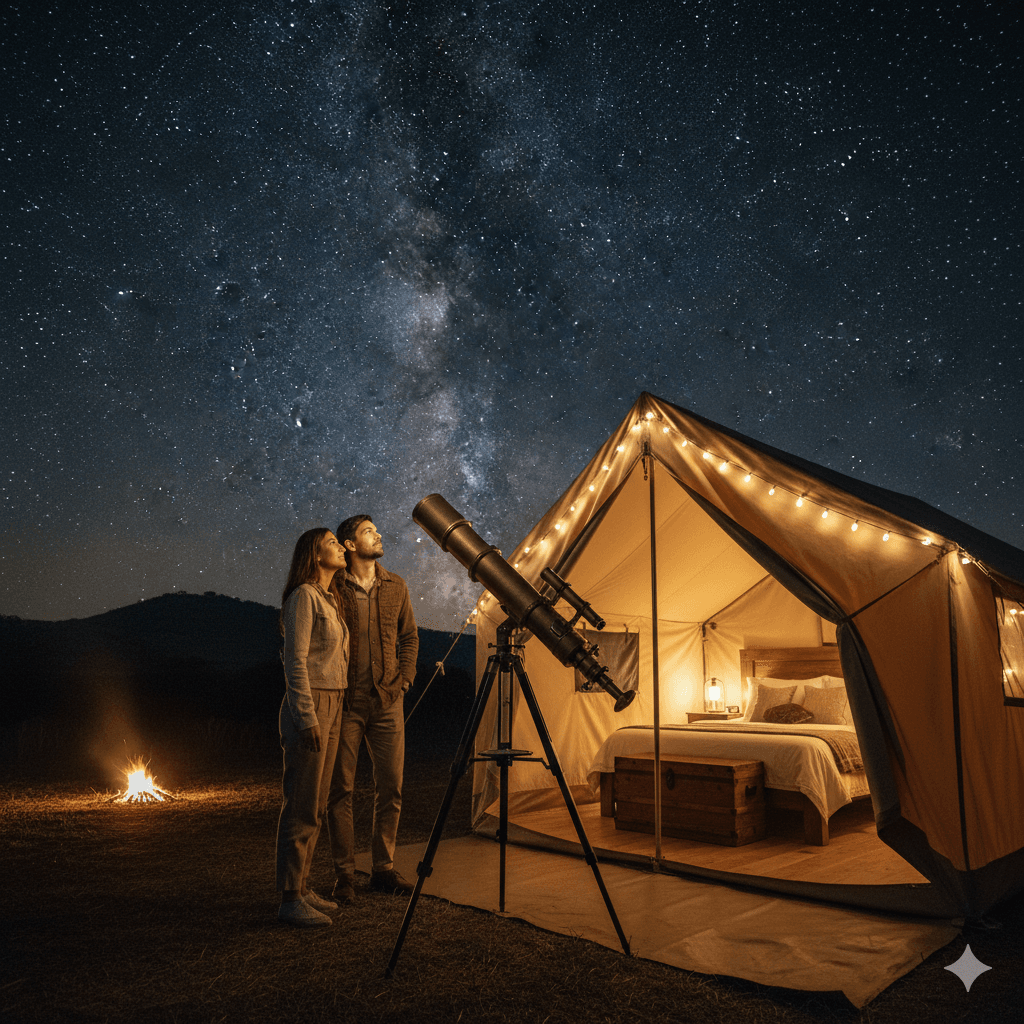
Top Accommodation: Where to Crash
- Ranthambore (Luxury): The Oberoi Vanyavilas. Still the gold standard. In 2026, their “unplugged” garden dinners are the perfect antidote to the mobile phone ban.
- Ranthambore (Value): Maa Ashapura Resort. Great reviews for its organic food and proximity to the core zones.
- Sariska (Luxury): Astroport Sariska Treetop. Not just a room, but an experience. You’ll have a research-grade telescope and a personal astronomer.
- Sariska (Nature-First): Utsav Camp Sariska. If you want to feel like you’re actually living in the jungle without sacrificing a hot shower, this is it.
The “Gold” Zones: Where the Tigers Are
- Ranthambore: Zone 3 (The Iconic). This is where you find the lakes and the ruins. If you can’t get Zone 3, aim for Zone 2 or 4. These are the “VIP” lanes of the forest.
- Sariska: Zone 1 (Sariska Gate). Generally has the highest movement of habituated tigers. However, Tehla Gate is the 2026 insider pick for a quieter, more exclusive experience.
2026 Power Rankings: Ranthambore vs. Sariska
| Award Category | Ranthambore Winner | Sariska Winner |
| Best Safari Zone | Zone 3 (The “Movie Star” Zone) | Zone 1 (High Tracking Odds) |
| Best Luxury Stay | Taj Sawai or Oberoi Vanyavilas | Sariska Manor or Utsav Camp |
| Best Budget Stay | Hotel Green Valley | Sterling ReWild Sariska |
| Top Wildlife Guide | Ask for “Umed” (Legendary) | Request a “Tehla Local” tracker |
| Hidden Highlight | Jogi Mahal (Lakeside Ruins) | Neelkanth Mahadev (Ancient Temple) |
Things to Shop: The Take-Home Wild
- In Ranthambore: Visit Dastkar Ranthambore. Their hand-block prints and tiger-themed rugs support the local communities displaced by the park. It’s “shopping with a soul.”
- In Sariska/Alwar: You have to buy the Alwar Kalakand (Milk Cake). It’s so famous that people literally stop their cars mid-journey just to get a box. Also, look for the silver filigree jewelry in the Alwar markets.
Things to Eat: The Jungle Fuel
- The “Wild” Thali: Most resorts now offer a “Hunter’s Thali” featuring Lal Maas (spicy mutton) or Gatte ki Sabzi.
- My Personal Hack: If you’re in Sariska, ask for Jungli Maas. It’s cooked with minimal spices (just salt, ghee, and red chilies) and tastes like an adventure in itself.
My Recommendation:
“I’ve stayed at the $1,000-a-night places and the $30-a-night guest houses. My 2026 tip? Don’t overspend on the room if it means you can’t afford a private Jeep safari. In the Ranthambore vs Sariska tiger safari battle, the ‘Best of’ isn’t the thread count of your sheets—it’s the quality of your guide. A guide who knows how to read an alarm call is worth more than a gold-plated bathroom.”
9. Retail Therapy in the Wild: Things to Buy or Shop
Let’s be honest: your 2026 trip isn’t complete until you’ve successfully haggled for something you didn’t know you needed. Whether you’ve chosen Ranthambore or Sariska, the “safari high” usually leads directly to a shopping spree. In the Ranthambore vs Sariska tiger safari battle, the shopping experiences are as different as a silk scarf and a rough-hewn stone statue.
So Ranthambore, the shopping is purposeful and community-driven. In Sariska (and nearby Alwar), it’s a chaotic, colorful dive into traditional Rajasthani markets. Here’s what you should be stuffing into your suitcase.
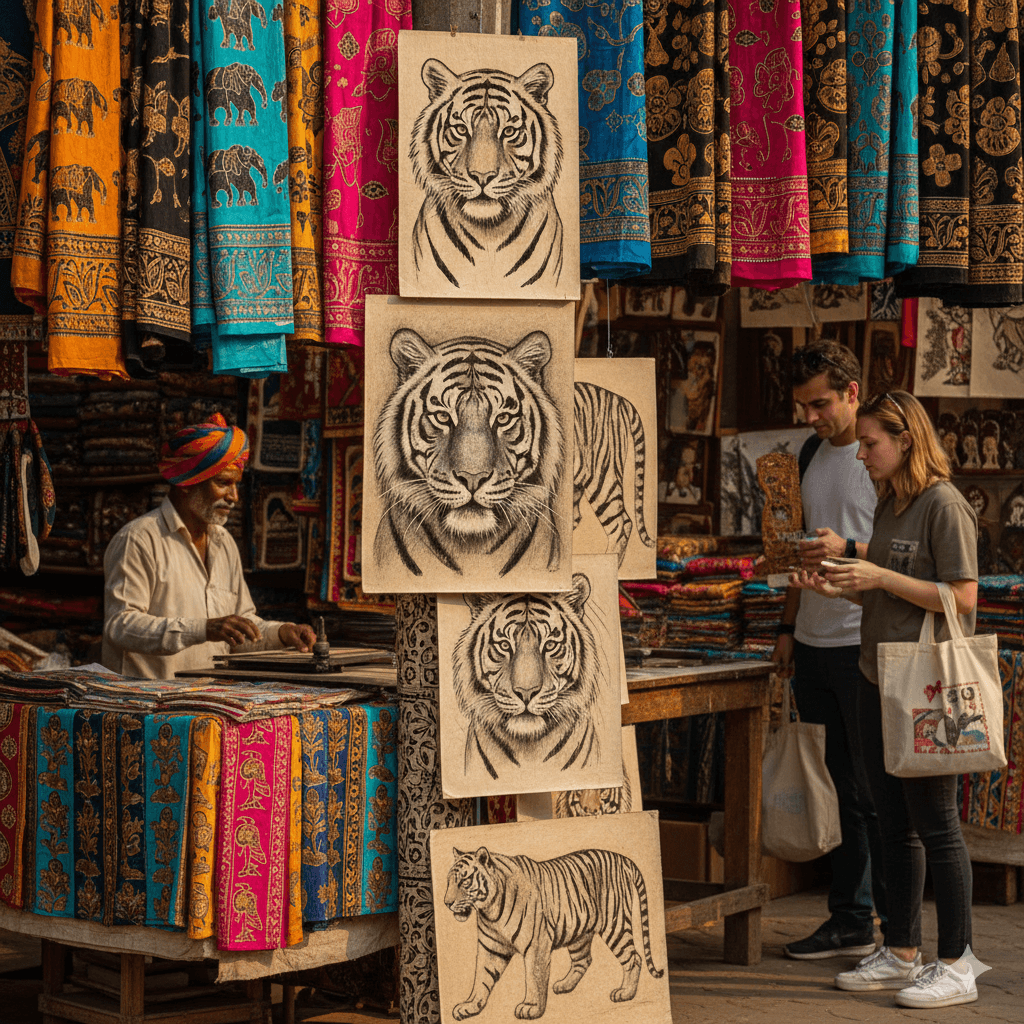
Ranthambore: Shopping with a Soul
- Dastkar Ranthambore: This is my absolute favorite stop. Run by women from the villages surrounding the park, they sell stunning block-printed fabrics, patchwork quilts, and hand-woven rugs. In 2026, their “Tiger-Print” collection is still the hottest ticket in town.
- The Tiger Shop: Located near the park entrance, this is the place for high-quality safari gear—think rugged hats, multi-pocket vests, and “I saw the tiger” t-shirts.
- Ranthambore School of Art: Even if you aren’t an art critic, the charcoal paintings of tigers here are legendary. They are incredibly lifelike and support local conservation-minded artists.
Sariska & Alwar: The Traditional Treasure Hunt
- Alwar Kalakand (Milk Cake): You cannot leave without this. Head to Baba Thakur Das & Sons near Hope Circus. It’s a dense, sweet, fudge-like delicacy that has been Alwar’s claim to fame for decades.
- Kagzi Pottery: This is Alwar’s secret weapon. It’s paper-thin pottery that is so delicate it feels like it might float away. It’s beautiful, traditional, and a nightmare to pack—but worth every bit of bubble wrap.
- Silver & Lac Bangles: The Churi Bazaar in Alwar is a neon-colored dream. Whether you want heavy silver “Rajputana” style jewelry or clinking lac bangles, you’ll find it here.
The Souvenir Showdown: 2026 Edition
| Category | Ranthambore Best-Buy | Sariska/Alwar Best-Buy |
| Traditional Craft | Hand-Block Prints (Dastkar) | Kagzi Pottery (Paper-thin) |
| Edible Souvenir | Guava Jelly (Local Orchards) | Kalakand (Milk Cake) |
| Art & Decor | Tiger Charcoal Paintings | Miniature Paintings (Rajput Style) |
| Jewelry | Ethnic Tribal Beads | Silver Filigree & Lac Bangles |
| Apparel | Safari Jackets & Hats | Leheriya & Bandhani Sarees |
My Personal Experience:
“I once bought a hand-stitched tiger quilt from Dastkar Ranthambore thinking it was just a souvenir. Five years later, it’s still the centerpiece of my guest room and a constant reminder of that morning in Zone 3. When you’re deciding on a Ranthambore vs Sariska tiger safari, remember that Ranthambore’s crafts often tell a story of conservation and empowerment. Sariska’s shopping, meanwhile, is about the ‘Sweet Life’ (literally, buy the Kalakand!).”
Pro-Tip: In Alwar’s markets, bargaining is a sport. Start at 60% of the quoted price, smile, and be prepared to walk away—usually, they’ll call you back before you hit the corner!
10. Taste of the Wild: Authentic Flavors of the Aravallis
If you think a Ranthambore vs Sariska tiger safari is only about tracking big cats, your stomach is about to stage a protest. As your business strategist, I can tell you that “destination branding” is nothing without a signature taste—and both these regions have menus that are as bold as a tiger’s roar.
In 2026, the food scene has moved toward “Hyper-Local.” We’re talking about berries harvested from the jungle buffer zones and milk cakes that have their own cult following. Whether you’re refueling after a dusty morning drive or sitting by a crackling bonfire, here is how to eat like a local.
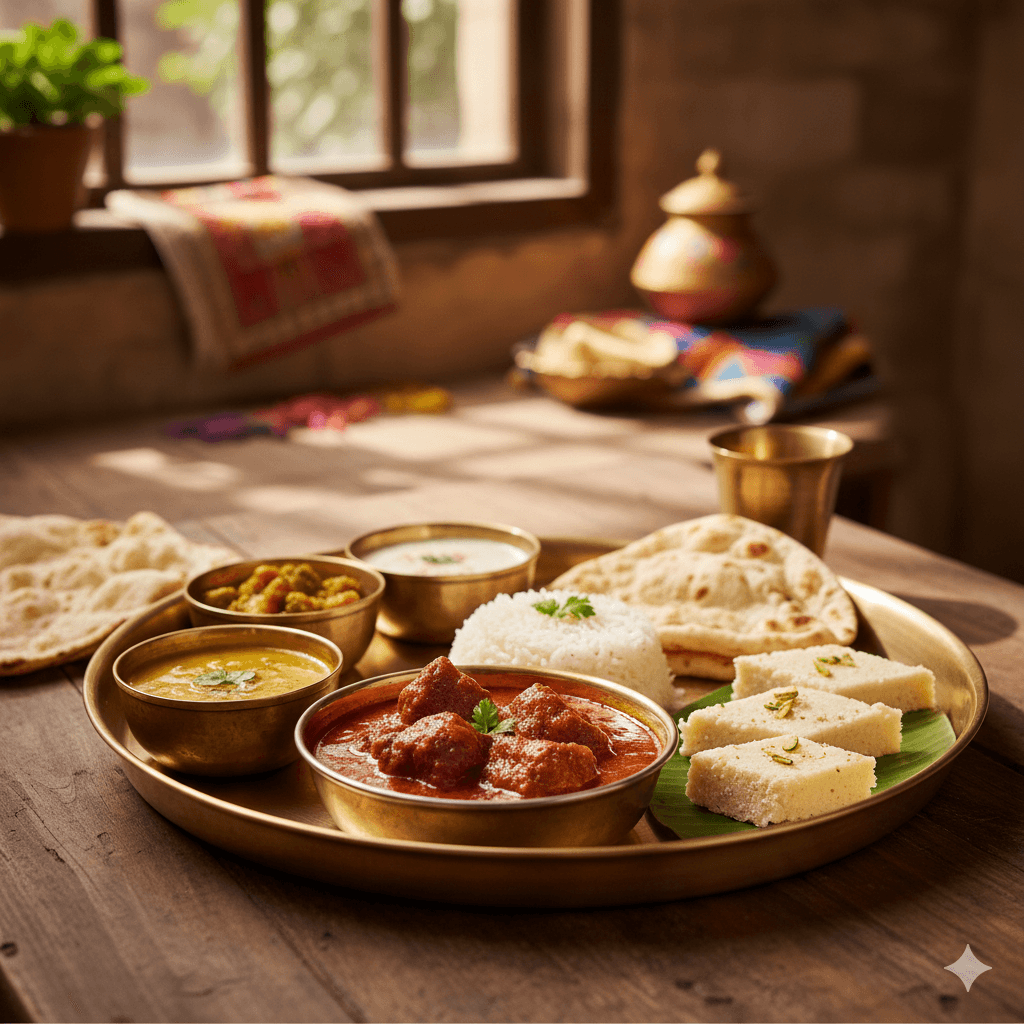
The Ranthambore Palate: Royal & Spicy
Ranthambore (Sawai Madhopur) is famous for its “Hunter’s Kitchen” legacy.
- Laal Maas: The legendary fiery mutton curry. In 2026, many local dhabas still use the sun-dried Mathania chillies that give it that iconic crimson glow without melting your tongue (mostly).
- Dal Baati Churma: The ultimate Rajasthani comfort trio. The Baatis here are often slow-baked over cow-dung cakes (upla) to give them a smoky, authentic flavor you won’t find in a five-star oven.
- Kharbuje ka Laddoo: A unique sweet made from melon seeds. It’s light, nutty, and a great energy booster for your next safari.
The Sariska Palate: The Land of Milk & Honey
Because Sariska is located in the Alwar district, the cuisine is heavily influenced by the region’s massive dairy production.
- Alwar Kalakand (Milk Cake): This is non-negotiable. It’s grainy, rich, and naturally sweet. In 2026, Baba Thakur Das & Sons remains the “Holy Grail” for this dessert.
- Jungli Maas: Originally a dish for hunters who had limited ingredients, it’s mutton cooked only with ghee, salt, and dry red chillies. It’s simple, primal, and incredibly delicious.
- Ker Sangri: A desert delicacy made from wild berries and beans. It’s tangy, spicy, and the perfect vegetarian counter-balance to the heavy meat dishes.
The Safari Snack-Down: 2026 Edition
| Dish Type | Ranthambore Must-Try | Sariska/Alwar Must-Try |
| Non-Veg Star | Laal Maas (Fiery & Bold) | Jungli Maas (Simple & Rustic) |
| Veg Staple | Gatte ki Sabzi | Ker Sangri (Wild Berries) |
| Sweet Tooth | Churma Laddoo | Alwar Kalakand (Milk Cake) |
| Street Food | Dal Vada & Mirchi Bada | Mawa Kachori |
| Local Drink | Masala Chaas (Buttermilk) | Fresh Buffalo Milk (Kadhai Doodh) |
My Expert Recommendation:
“I’ll let you in on a secret: the best meal I’ve ever had on a Ranthambore vs Sariska tiger safari wasn’t at a fancy resort. It was at a small roadside dhaba near the Sariska Tehla gate. I had Bajra Roti (millet bread) with a side of Lehsun ki Chutney (garlic paste) and a bowl of fresh curd. It cost me less than a cup of coffee in the city, but it tasted like the soul of Rajasthan.
Pro-Tip: If you’re heading out for a 6:00 AM safari, ask your hotel to pack a ‘Safari Box.’ In 2026, the trend is ‘Local Savories’—skip the cold sandwiches and ask for Poha or Kachoris. Trust me, it tastes better when you’re watching the sun rise over the Aravallis.”
11. The 4-Day “Stripes & Stones” Loop: Your Perfect 2026 Itinerary
Listen, I’ve been a business strategist for a long time, and the biggest “efficiency killer” in a Rajasthan trip is trying to see everything and ending up seeing nothing but the back of your driver’s head. If you’re torn between a Ranthambore vs Sariska tiger safari, why not just do both?
In 2026, the road connectivity between Sawai Madhopur and Alwar has made the “Golden Loop” a breeze. Here is my tried-and-tested 4-day blueprint to maximize your tiger odds while keeping your sanity (and your sense of humor) intact.
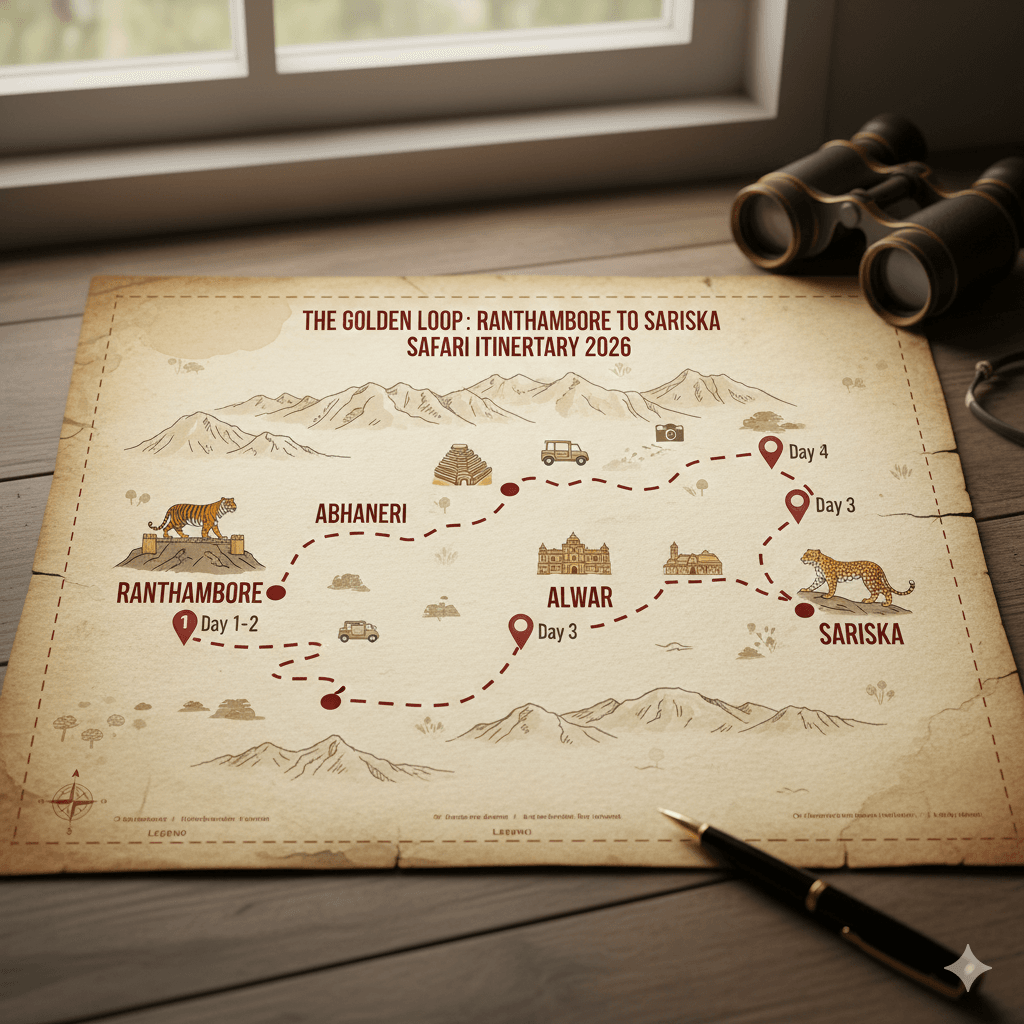
1 Day: The Ranthambore Warm-Up
- Morning: Arrive at Sawai Madhopur. Check into your lodge and have a Lal Maas lunch to jumpstart your adrenaline.
- Afternoon: Your first Ranthambore tiger safari (aim for Zones 1–5). Since phones are banned, bring a notebook or just—you know—look with your eyes.
- Evening: Visit the Dastkar Ranthambore craft center. Buy that tiger-print scarf you’ll wear for the rest of the trip.
2 Day: High Forts & Deep Jungle
- Morning: Early morning safari. This is your best shot at seeing the “Lakeside Queens” (the tigresses of Zone 3).
- Mid-Day: Hike up to the Ranthambore Fort. Pay your respects at the Trinetra Ganesh Temple. If you see a monkey stealing someone’s prasad, don’t laugh—you’re next.
- Evening: Relax by the bonfire. Swap “near-miss” tiger stories with other travelers.
3 Day: The Scenic Pivot (Ranthambore to Sariska)
- Morning: A 4-hour drive toward Sariska.
- The “Strategist” Stop: Halfway through, stop at Abhaneri (Chand Baori). It’s the deepest stepwell in India and will satisfy your 2026 craving for “geometry porn.”
- Afternoon: Arrive at Sariska. Check into an eco-camp and head out for a sunset boat ride at Siliserh Lake. Keep an eye out for crocodiles—they don’t care about your “No Phone” rule.
4 Day: The Sariska Finale & The “Ghost” Exit
- Morning: Your final Sariska tiger safari. This is the “tracker’s safari”—listen for the alarm calls and watch for pugmarks in the dust.
- Afternoon: Visit the “Haunted” Bhangarh Fort. It’s a 45-minute drive from the park. Explore the ruins, but leave before sunset unless you want to become a permanent resident.
- Evening: Head to Alwar city for a final box of Kalakand before catching your train or flight home.
The Itinerary Breakdown: Ranthambore vs. Sariska Edition
| Day | Focus | Highlight | Vibe |
| Day 1 | Arrival & Dust | First Safari (Ranthambore) | High Energy |
| Day 2 | History & Stripes | Ranthambore Fort Hike | Royal & Rugged |
| Day 3 | The Road Trip | Chand Baori Stepwell | Scenic & Cultural |
| Day 4 | The Underdog Hunt | Sariska Safari & Bhangarh | Mysterious & Serene |
My Personal Take:
“I’ve run this loop three times this year, and my favorite part is the transition. You go from the high-stakes, celebrity-chasing energy of a Ranthambore vs Sariska tiger safari in the morning to the quiet, ghostly ruins of Bhangarh in the afternoon. It’s a 48-hour emotional rollercoaster that only Rajasthan can provide.
Strategy Tip: Book your Ranthambore safaris at least 90 days in advance. Sariska is a bit more forgiving for last-minute planners, but if you want Zone 1, don’t test your luck!”
12. The 2026 Jungle Calendar: Must-Attend Events & Festivals
If you think a Ranthambore vs Sariska tiger safari is the only thing happening in the wild, you’re about to get a serious dose of Rajasthani culture. As a business strategist, I always say: “If you’re already in the neighborhood, don’t miss the grand opening.”
In 2026, the festival calendar for these two regions is packed with everything from spiritual mass gatherings at a thousand-year-old fort to “Lathmar” Holi celebrations where the colors (and the sticks) fly. Here are the dates you need to circle in your planner.
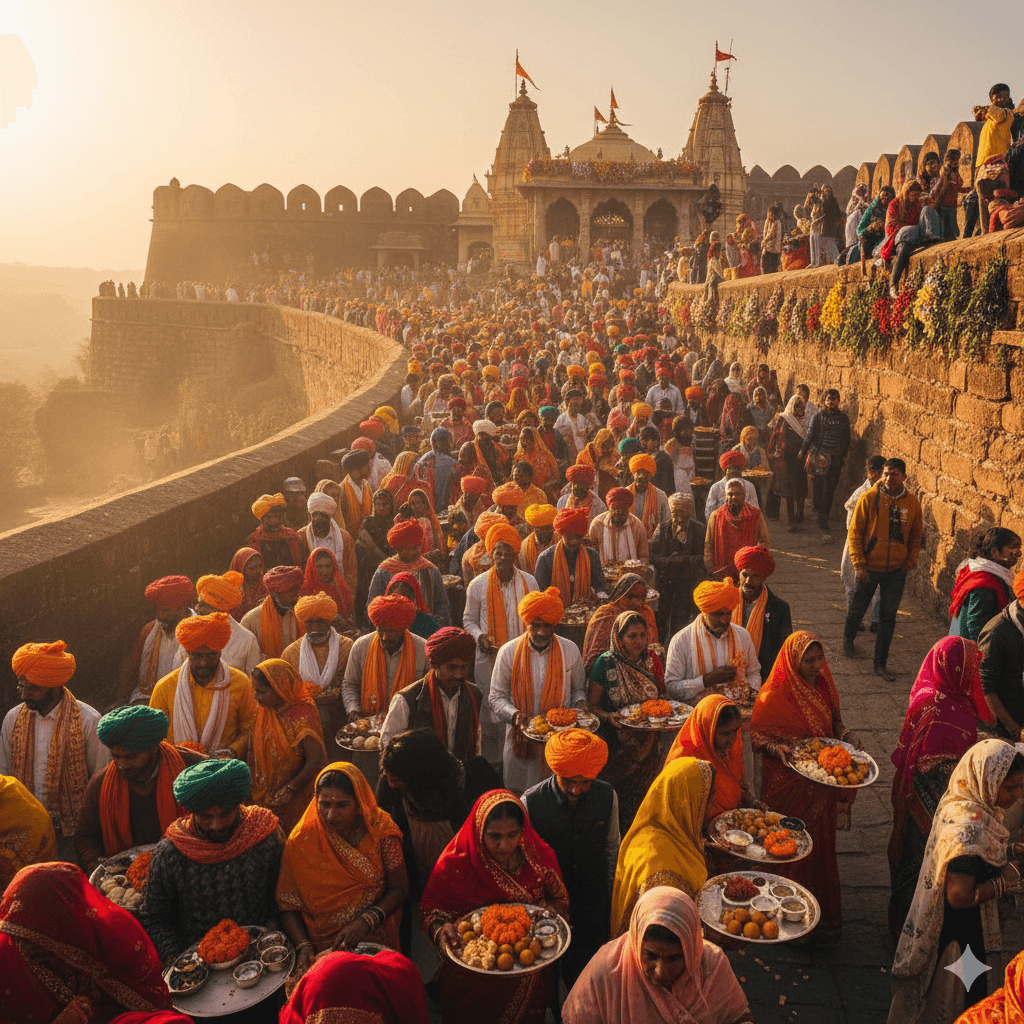
Ranthambore’s Big Ticket: Trinetra Ganesh Mela
- When: August 25 – 27, 2026 (Main Fair on Ganesh Chaturthi).
- The Vibe: This is huge. Hundreds of thousands of pilgrims trek up to the Ranthambore Fort to visit the three-eyed Ganesha.
- The Strategist’s Warning: If you are booking a Ranthambore vs Sariska tiger safari during these three days, expect massive crowds and zero silence. The park remains open, but the “safari” experience feels more like a religious pilgrimage. On the plus side, the energy is electric and the local market is a feast for the eyes.
Sariska & Alwar’s Cultural Crowns
- The Alwar Festival: February 13 – 15, 2026. Organized by the district administration, this is three days of folk music, traditional sports (like Rumal Jhapatta), and a grand procession. It’s the best time to see Alwar’s heritage in full bloom.
- Braj Holi Mahotsav (Bharatpur/Alwar area): February 26 – 28, 2026. Just a short drive from Sariska, the “Braj” region hosts one of the most vibrant Holi celebrations in India. Think “Phoolon ki Holi” (Holi with flowers) and “Lathmar Holi” where women playfully beat men with sticks—it’s high-energy, colorful, and a photographer’s dream.
- Matsya Utsav: November 25 – 27, 2026. A celebration of the ancient “Matsya” kingdom. This is the time to visit if you want to see local art, crafts, and night-long musical performances against the backdrop of Alwar’s palaces.
2026 Festival Cheat Sheet: Ranthambore vs. Sariska
| Month | Festival | Location | Why You Should Go |
| Jan 14 | Kite Festival | Both | Watch the sky turn into a mosaic of colors. |
| Feb 13-15 | Alwar Festival | Alwar (Sariska) | Cultural performances & elephant parades. |
| Feb 26-28 | Braj Holi | Near Sariska | The most authentic (and wild) Holi experience. |
| Aug 25-27 | Trinetra Ganesh Mela | Ranthambore | A massive, soulful religious gathering. |
| Nov 25-27 | Matsya Utsav | Alwar (Sariska) | Celebration of ancient history & folk art. |
My Personal Experience:
“I once accidentally booked a safari during the Trinetra Ganesh Mela in Ranthambore. I didn’t see a tiger that day because of the noise, but I did see something equally magical: a sea of thousands of people in vibrant turbans and saris, climbing the fort ruins with offerings of laddoos. If you want a ‘Pure Nature’ trip, avoid these dates. But if you want a ‘Soul of India’ trip, these festivals are the heartbeat of your Ranthambore vs Sariska tiger safari adventure.”
Advice for Readers: During these festivals, hotel prices can double and “last minute” doesn’t exist. Book your stay at least 4 months ahead if your dates overlap with Ganesh Chaturthi or Braj Holi!
13. Insider Secrets: Pro Tips & Advice for Your 2026 Safari
Alright, let’s get down to brass tacks. As your business strategist, I’m here to make sure your “investment” in this trip pays off in sightings, not just sun damage. Whether you are leaning toward the “blockbuster” vibes of a Ranthambore vs Sariska tiger safari, there are a few unwritten rules you need to know before you set foot in a Jeep.
In 2026, the game has changed. With the mobile ban in Ranthambore and the increasing “slow-travel” trend in Sariska, being an informed traveler is the difference between a “Meh” trip and a “Holy Cow!” moment.
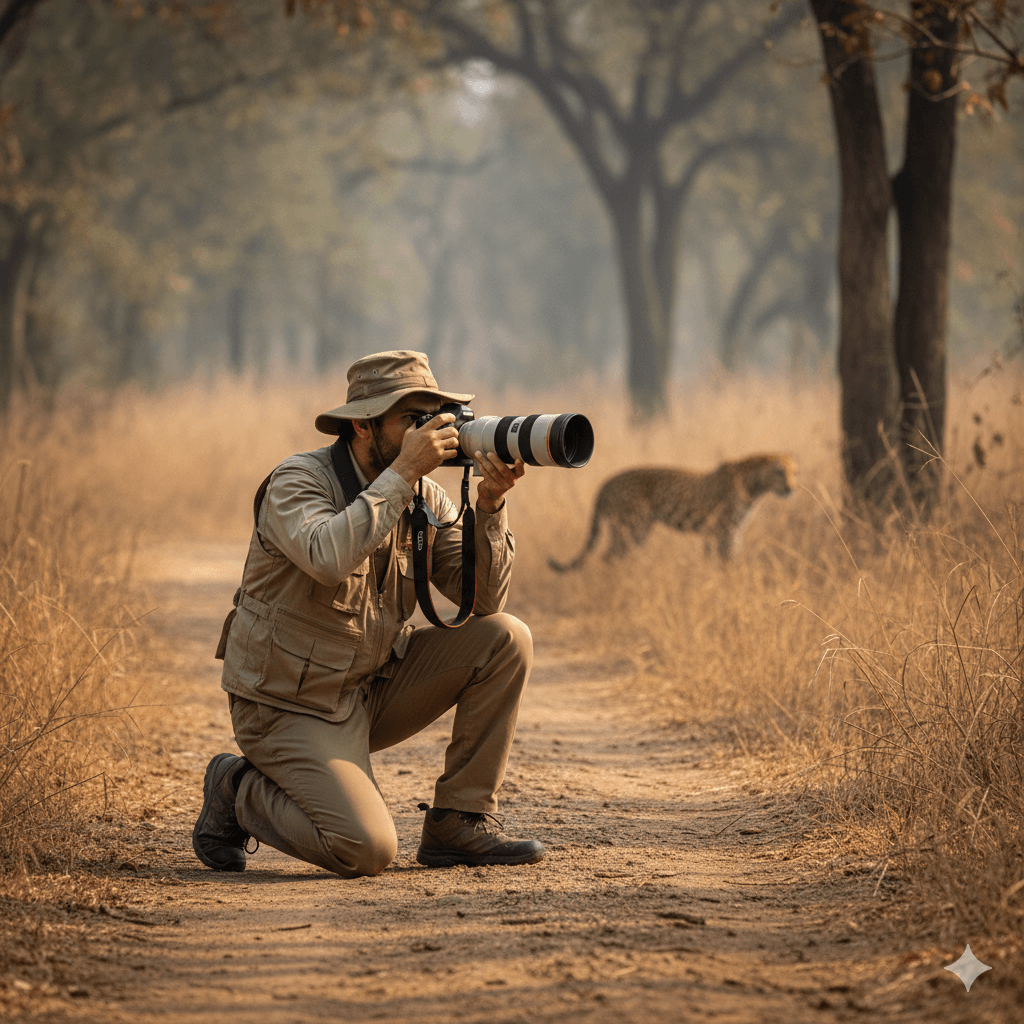
The “Mobile Ban” Survival Kit
This is the big one for 2026. Ranthambore is officially a Digital Detox Zone.
- Dust Off the DSLR: If you haven’t touched your “real” camera in years, now is the time to learn what that ‘Aperture’ dial does. Since your phone is stay-at-home in the locker, a camera with a decent zoom (300mm+) is your only way to capture the stripes.
- The “Stealth” Watch: Wear a traditional wristwatch. You’ll be surprised how often you check your non-existent phone for the time.
- Mental Photography: Sounds cheesy, but without the screen in front of your face, you’ll actually see more. Trust the process.
Strategizing Your Sightings
- The “Zone” Lottery: In Ranthambore, Zones 3, 4, and 5 are the “Premium Real Estate.” If they are full, don’t panic—Zone 1 and 6 have been producing some incredible “underdog” sightings in early 2026.
- Listen to the Jungle: If your guide stops the engine and stares at a tree, don’t ask “Where is the tiger?” Listen for the T-chuk T-chuk of a Spotted Deer or the frantic barking of a Langur. That’s the forest’s GPS.
- The “Full Day” Hack: If you have the budget, book a “Half-Day” or “Full-Day” safari. It allows you to move between zones and stay out longer than the standard three-hour slots.
Quick Comparison: Expert Strategy Table
| The Dilemma | Ranthambore Strategy | Sariska Strategy |
| Best Booking Window | 120 Days in Advance (Strict!) | 30-60 Days (More flexible) |
| Crowd Management | Book morning slots (cooler/quieter) | Go for the afternoon “track” |
| Must-Bring Gear | High-end Binoculars & Dust Mask | Polarized Sunglasses & Layers |
| The “Tiger” Odds | High (Habituated Cats) | Moderate (Wilder, Elusive Cats) |
| 2026 Focus Keyword | Ranthambore vs Sariska tiger safari | Best Tiger Safari Rajasthan 2026 |
My Personal Experience:
“I once saw a guy try to bribe a forest guard in Ranthambore to let him take a ‘quick selfie’ with his phone in 2026. Not only did it not work, but he spent the rest of the safari being lectured on Supreme Court guidelines. Don’t be that guy. Embrace the silence. Whether you choose a Ranthambore vs Sariska tiger safari, the best ‘pro-tip’ I can give you is this: The jungle rewards the patient, not the pushy.“
Advice for the Wise:
- Tip your guides: They are the reason you’re seeing that tiger. A little extra goes a long way in ensuring they work that much harder to find the next pugmark.
- Stay hydrated: The dry heat of the Aravallis in 2026 is no joke. Drink more water than you think you need.
14. Jungle Armor: Trip Essentials & Packing List for 2026
As your business strategist, I look at packing through the lens of risk management. If you forget your sunscreen, you risk a burn; if you forget your binoculars in a year where phones are banned, you risk missing the entire point of the trip.
In 2026, the “Ranthambore vs Sariska tiger safari” packing list has a new MVP: Non-Digital Entertainment. Since you can’t scroll through TikTok while waiting for a tiger to wake up from a nap, you need to be prepared for “The Great Unplugged.” Here is your 2026 survival kit.
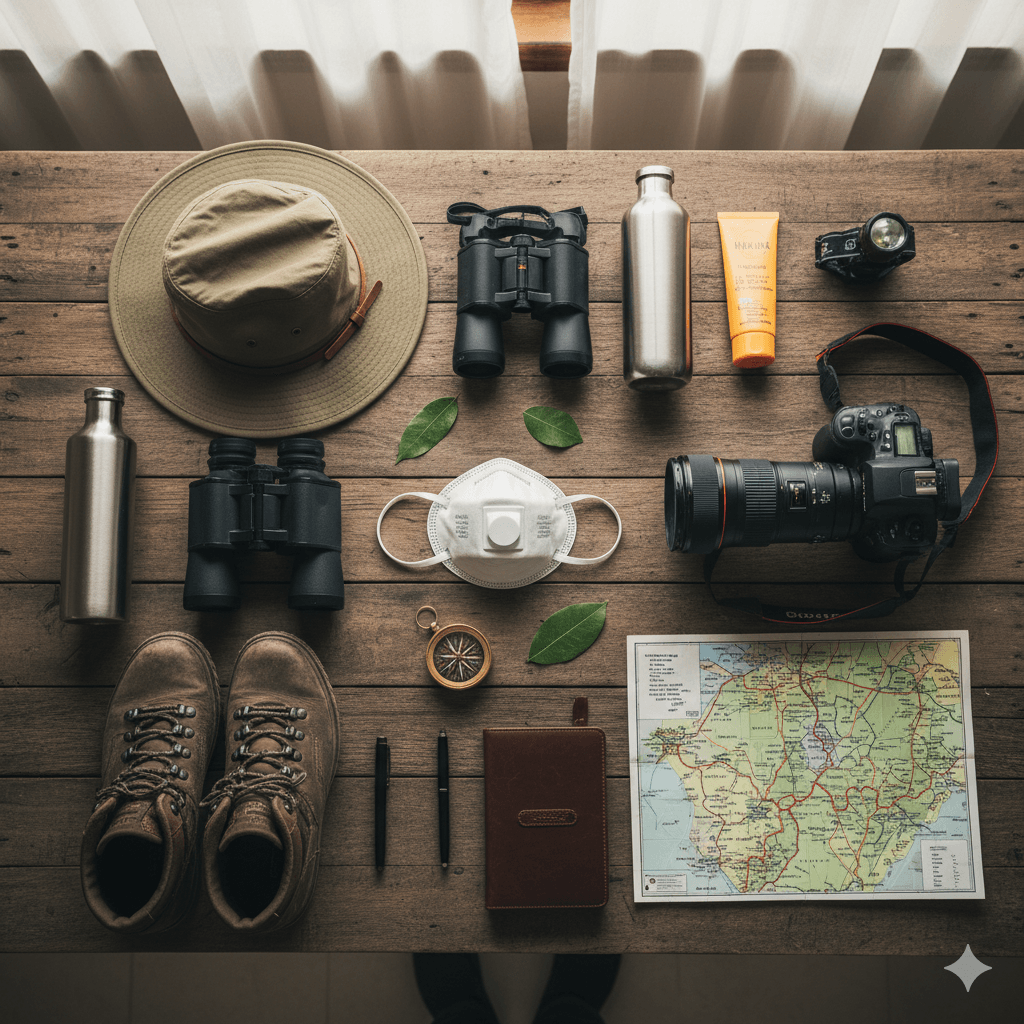
The “Must-Haves” (Non-Negotiable)
- Standalone Camera (DSLR/Mirrorless): With the 2026 mobile ban in Ranthambore core zones, your phone is officially just a paperweight. If you want a photo, you need a real camera. A 70-300mm lens is the bare minimum for decent tiger shots.
- High-Quality Binoculars: In Sariska, where tigers are more elusive, binoculars turn a “Is that a rock?” moment into a “That’s a leopard!” moment. Look for 8×42 or 10×42 specs.
- Dust Protection: Rajasthan is 50% history and 50% dust. Bring a buff or a lightweight scarf to cover your face, and a dust-proof bag for your camera gear.
- Physical ID: You cannot enter the park without the original ID you used for booking. In 2026, digital copies on your phone are often rejected at the gate due to the strict “no-phone” environment.
The Seasonal Wardrobe
The Aravallis are moody. They go from “freezing” to “frying” in about three hours. Neutral earth tones (khaki, olive, brown) are essential—not because they make you invisible to tigers, but because they don’t attract insects and they hide the dust better than your favorite white linen shirt.
| Item | Winter (Nov – Feb) | Summer (Mar – June) |
| Upper Layer | Heavy fleece + Windbreaker | Light cotton/linen shirts |
| Lower Layer | Thermals + Thick cargos | Breathable cotton trousers |
| Accessories | Woolen cap & Gloves | Wide-brimmed sun hat |
| Footwear | Closed-toe boots + Warm socks | Sturdy sneakers (No flip-flops!) |
| Protection | Lip balm (It’s dry!) | High-SPF Sunscreen (It’s brutal!) |
The “Expert’s” Secret Pocket
- A Pocket Field Guide: Since you can’t Google “What bird is that?”, a small physical bird/mammal book makes you the smartest person in the Jeep.
- Cash (Small Denominations): For tipping your guide and driver. In 2026, UPI is great, but in the middle of a forest with no phones, “Cash is King.”
- Eye Drops & Nasal Spray: Trust me, after three hours in an open-top Jeep, your mucous membranes will thank you.
My Experience:
“I once saw a guy show up for a Ranthambore vs Sariska tiger safari in a neon yellow tracksuit. Not only did the monkeys mock him, but he stood out like a sore thumb against the dry deciduous forest. In 2026, your best ‘accessory’ is a pair of polarized sunglasses. They cut the glare off the water holes in Ranthambore and let you see deep into the shadows of the Aravallis.
Pro-Tip: Pack a reusable water bottle. Both parks have gone ‘Plastic-Lite’ in 2026, and many luxury lodges provide filtered water stations. Save the planet, one safari at a time.”
15. Ranthambore vs. Sariska: The Final Verdict for Your 2026 Safari
So, we’ve reached the end of the dusty trail. By now, you’ve realized that choosing between a Ranthambore vs Sariska tiger safari isn’t just about picking a location—it’s about choosing the flavor of your adventure.
As your business strategist, I look at this through a “Value vs. Experience” lens. In 2026, Ranthambore is your high-dividend blue-chip stock; it’s reliable, famous, and almost guaranteed to deliver. Sariska is the “disruptive startup”—it requires more patience and a higher risk tolerance, but the payoff feels incredibly personal and raw.
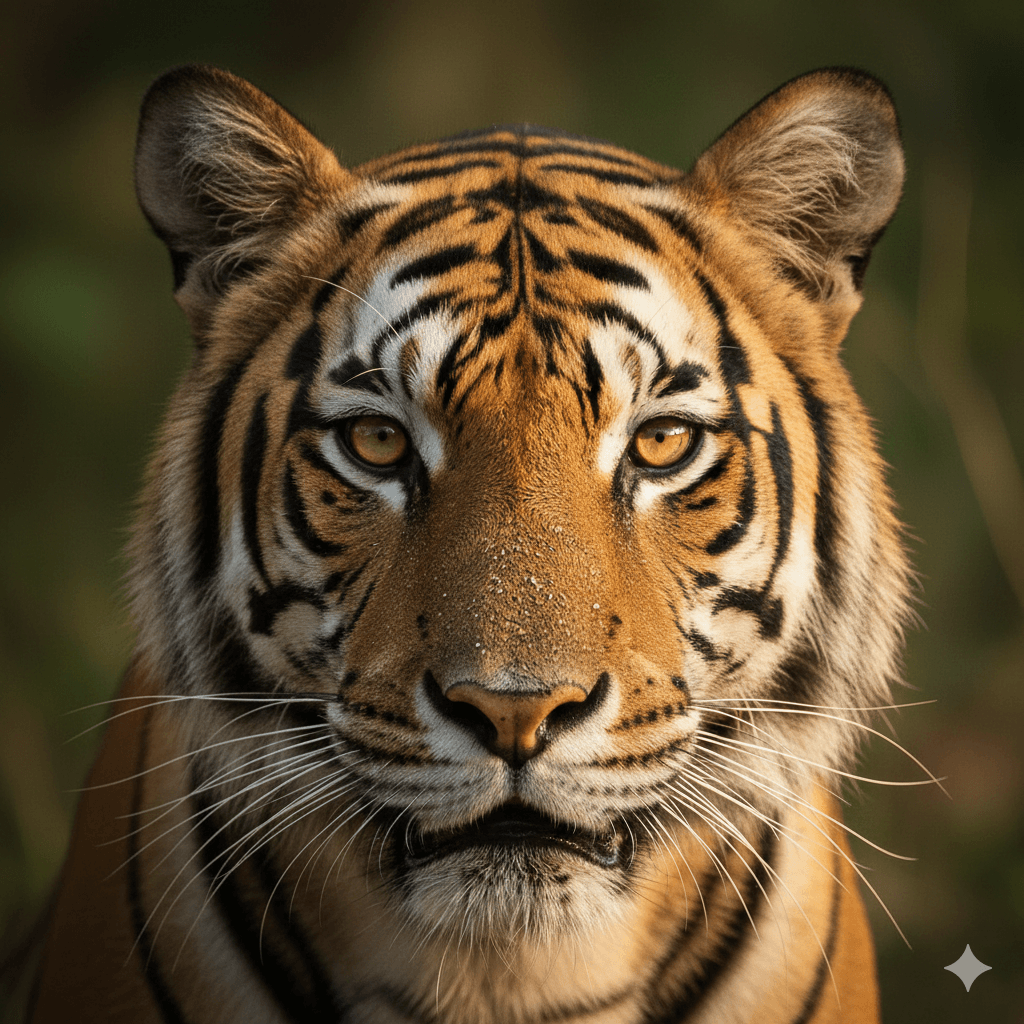
The “Bottom Line” Summary
- Choose Ranthambore if: You have a “Tiger or Bust” mentality. If you’re traveling from across the world and this is your one shot to see a wild cat against a UNESCO backdrop, don’t overthink it. Ranthambore is the King for a reason. Just be prepared to embrace the 2026 “Digital Detox” and leave your phone in the locker.
- Choose Sariska if: You’ve already “been there, done that” with the crowds. If you value the sound of the wind over the sound of shutters, and if you find the mystery of the track more exciting than the sighting itself, Sariska will steal your heart. Plus, the stargazing is a world-class bonus.
The 2026 “Winner” by Category
| Your Travel Style | The Champion | Why? |
| The “I Need a Photo” Pro | Ranthambore | Higher density and iconic lake-side backdrops. |
| The “Quiet Soul” Solo Traveler | Sariska | Vastly fewer crowds and a deeper sense of isolation. |
| The History Junkie | It’s a Draw! | Forts vs. Haunted Ruins—you win either way. |
| The Budget Backpacker | Sariska | Lower permit costs and more “walk-in” availability. |
| The 2026 Pure Adventure | Sariska | Tracking elusive cats in the rugged Aravallis. |
Personal Experience:
“If you forced me to choose just one for my own trip this weekend? In 2026, I’m actually leaning toward Sariska. There’s something about the way the light hits the Kankwari Fort at sunset, knowing there are only thirty-some tigers in that vast landscape, that makes every rustle of the leaves feel like a secret meant just for me.
However, if I were taking my parents or a first-time visitor, we’d be heading straight for a Ranthambore vs Sariska tiger safari showdown in Ranthambore Zone 3. Seeing a tiger walk past the Jogi Mahal ruins is a core memory that no amount of ‘slow travel’ can replace.”
Final Advice for the Road:
The wild doesn’t have a reset button. Whether you’re in a Jeep or a Canter, remember that you are a guest in their home. Respect the silence, tip your guides generously, and for heaven’s sake, keep your hands inside the vehicle!
16. Important Information & FAQ: Solving the Safari Puzzle
You’ve got the itinerary, the packing list, and the palate for spicy mutton. But as a business strategist, I know that the “devil is in the details”—or in this case, the forest department’s rulebook. In 2026, navigating a Ranthambore vs Sariska tiger safari requires knowing the latest Supreme Court-mandated shifts and the nitty-gritty of booking before the “Sold Out” sign hits the screen.
Here is the essential “Cheat Sheet” for your 2026 adventure, along with the questions I get asked most often at 2:00 AM by panicked travelers.
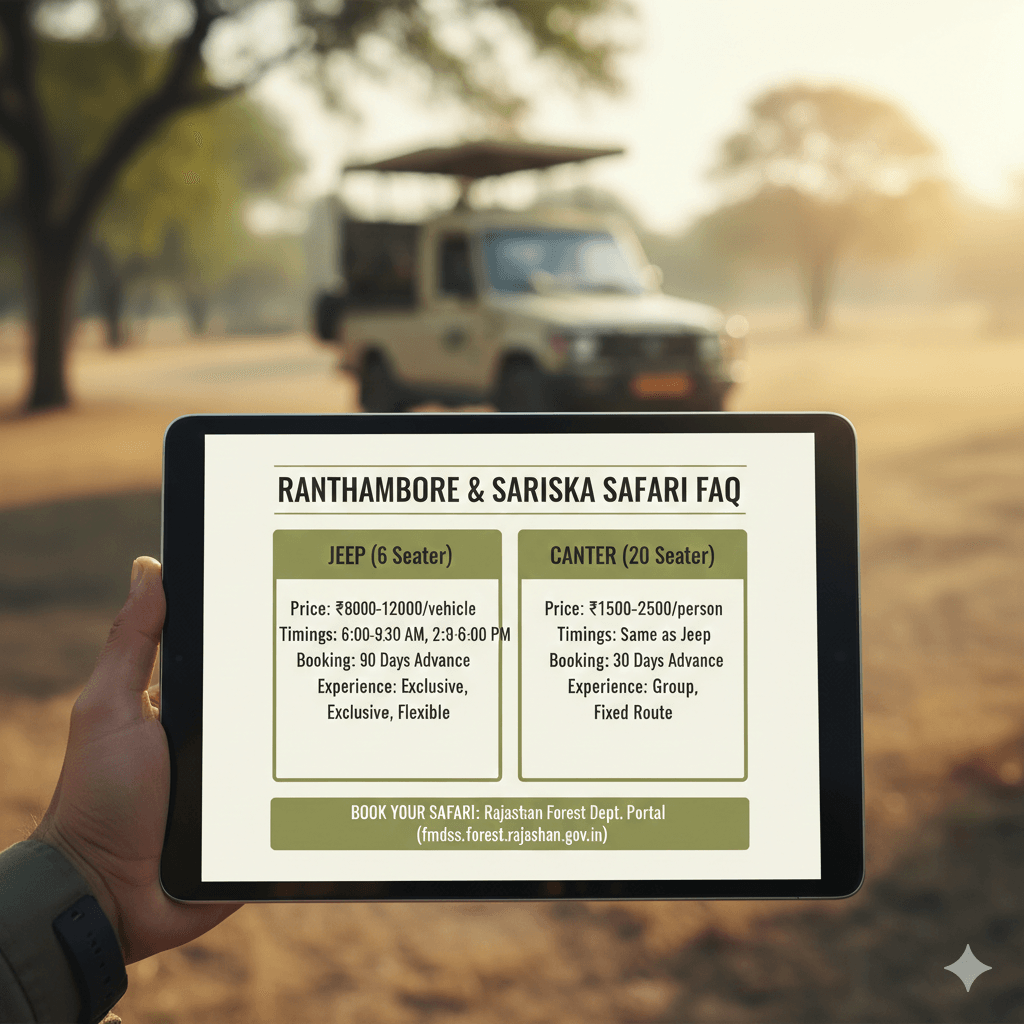
Safari Timings & Booking Rules (2026 Update)
- The Advance Window: For Ranthambore, you can book up to 90 days in advance. In 2026, the popular zones (1-5) often sell out within minutes of the window opening. Sariska is slightly more relaxed, but weekend slots are gold—book at least 30 days ahead.
- The Mobile Ban Protocol: As of February 2026, Ranthambore is strictly Mobile-Free in the core zones. You will be asked to deposit your phone or keep it strictly tucked away in a bag. Sariska is following suit with similar enforcement in Zones 1 and 2.
- Zone Closures:
- Ranthambore: Zones 1-5 are closed every Wednesday; Zones 6-10 are closed every Tuesday.
- Sariska: Generally open all week, but keep an eye on the Tuesday/Saturday crowds due to the Pandupol Temple pilgrims.
Quick Comparison: The 2026 Logistics Table
| Feature | Ranthambore National Park | Sariska Tiger Reserve |
| Best Booking Time | 90 Days Advance (Mandatory) | 30-45 Days Advance (Recommended) |
| Typical Jeep Cost (Indian) | ~₹2,000 – ₹2,100 per seat | ~₹1,600 – ₹1,700 per seat |
| Typical Canter Cost (Indian) | ~₹1,300 – ₹1,600 per seat | ~₹1,150 – ₹1,300 per seat |
| Mobile Phone Policy | Strict Ban (Core Zones) | Implementation in Progress |
| Best Sightings Zone | Zone 2, 3, and 4 | Zone 1 and 2 (Sariska Gate) |
Frequently Asked Questions (FAQ)
- Q: Can I take my own car inside?
- A: In Ranthambore, absolutely not. In Sariska, private cars are allowed only on Tuesdays and Saturdays for pilgrims heading to the Pandupol Temple, but you won’t be allowed to deviate into safari tracks.
- Q: Is the mobile ban strictly enforced?
- A: Yes! In 2026, forest guards are authorized to fine travelers or even remove guides if a phone is seen being used for “reels” or calls in core areas.
- Q: Which park is better for seeing leopards?
- A: While both have them, Sariska’s rugged Aravalli cliffs make for incredible leopard sightings. However, for sheer “big cat” density, Ranthambore remains the heavyweight champion.
- Q: Can I do a Ranthambore vs Sariska tiger safari in a single weekend?
- A: You could, but you’d be spending more time on the highway than in the woods. I recommend at least 4 days for the “Golden Loop” to actually enjoy the experience.
Personal Take:
“I recently saw a traveler lose their mind because they forgot their original Aadhar card and only had a photo of it on their phone—which, of course, they weren’t allowed to use at the gate. Don’t let a 2026 ‘digital hiccup’ ruin your trip. Print your permits, carry your physical IDs, and remember: the Ranthambore vs Sariska tiger safari experience is about disconnecting from the signal to reconnect with the wild.”