
Shekhawati Travel Guide: Rajasthan’s Open-Air Art Gallery
1. Why This Shekhawati Travel Guide is Your Ticket to Rajasthan’s Best-Kept Secret
Shekhawati Travel Guide: They say if you want to see the “real” India, you have to get a little dusty. Well, I recently found myself in Shekhawati, and let me tell you—my camera lens has never been happier, and my shoes have never been browner.
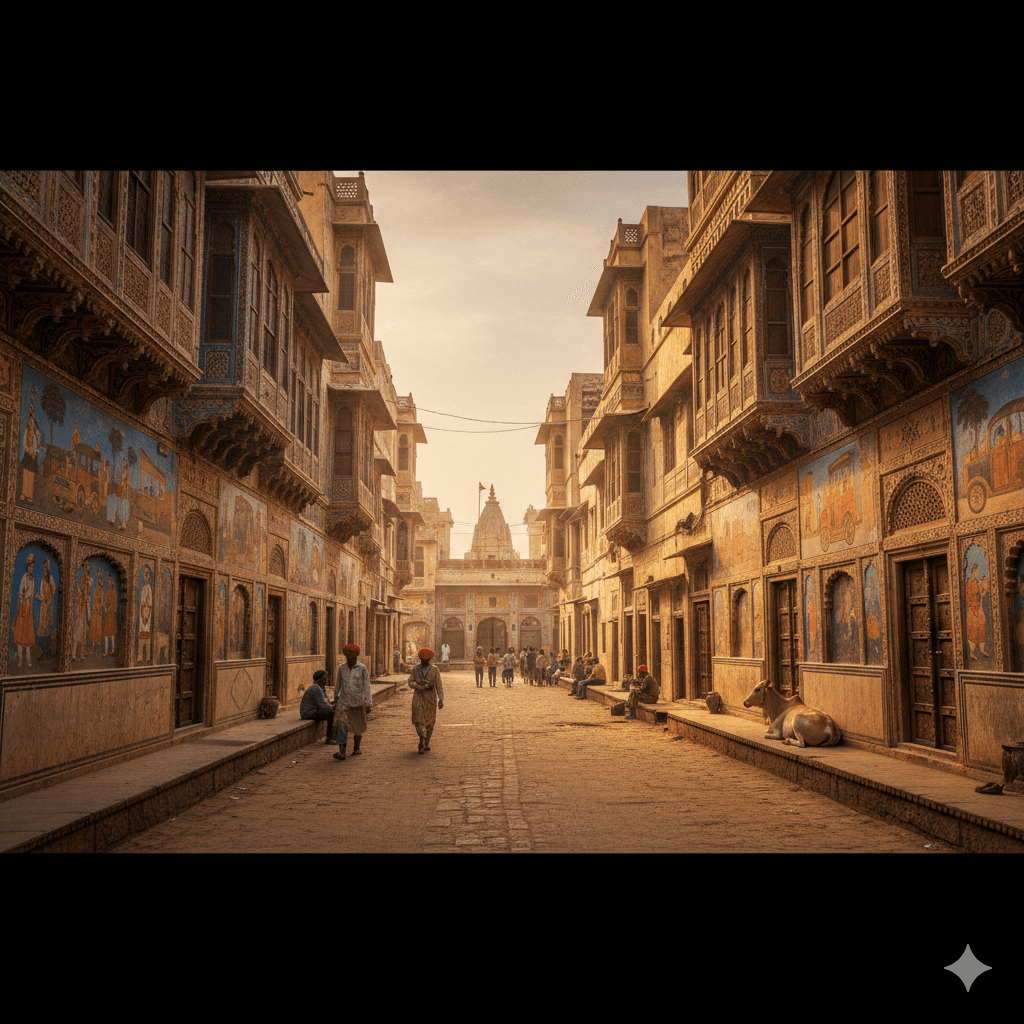
For years, I’ve done the usual Rajasthan circuit. I’ve braved the crowds at the Taj and played “dodge the rickshaw” in Jaipur. But nothing prepared me for the quiet, technicolor dreamscape of the Shekhawati region. Walking into towns like Mandawa or Nawalgarh isn’t just a stroll down a street; it’s like someone accidentally left the doors open to the world’s largest, most intricate outdoor museum.
Why I Fell for the “Open-Air Art Gallery”
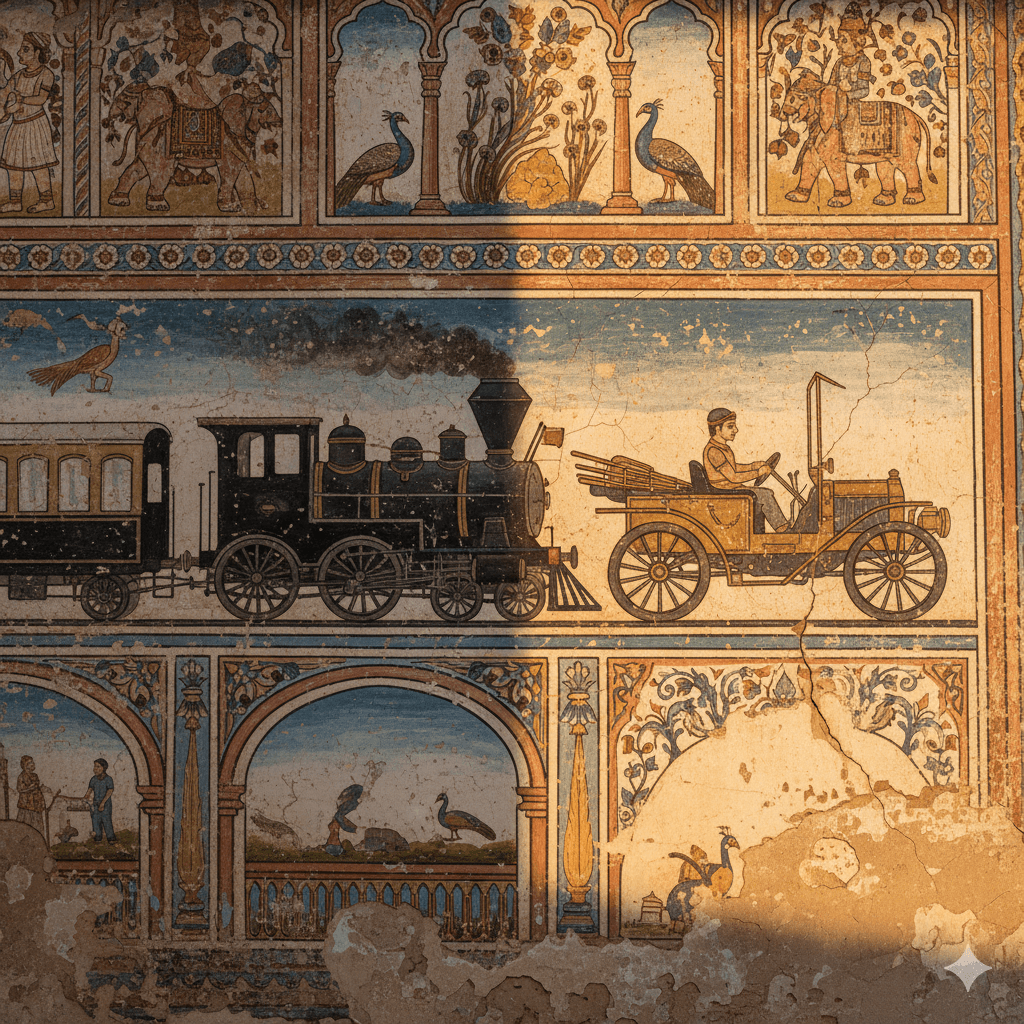
I call it the “Painted Desert,” but the locals know it as the mercantile heart of old India. In the 18th and 19th centuries, wealthy merchants (Marwaris) competed to see who could build the most “extra” mansion. If your neighbor painted a tiger on his wall, you painted a British train, a telephone, and maybe a flying deity for good measure.
The result? A Shekhawati travel guide dreamland where every square inch of lime plaster is covered in vivid, hand-painted frescoes.
Shekhawati at a Glance: The “Vibe” Check
Before we dive into the dusty details, here is the quick breakdown of what makes this place tick:
| Feature | The Shekhawati Experience |
| Crowd Level | “Wait, am I the only tourist here?” (Very low) |
| Art Style | Intricate frescoes featuring everything from mythology to Queen Victoria. |
| Landscape | Semi-arid dunes meeting crumbling, majestic architecture. |
| Transport | Best explored via a slow walk or a vintage Royal Enfield. |
| Key Vibe | A Midnight in Paris… but in the Rajasthan desert. |
What to Expect (And a Little Reality Check)
Let’s be real for a second—Shekhawati isn’t the polished, marble-tiled luxury of Udaipur. It’s raw, it’s authentic, and it’s a bit faded. But that’s exactly why you’ll love it:
- The Labyrinth Factor: You will get lost in the narrow lanes. Embrace it. That’s how you find the best hidden courtyards.
- The “Time Travel” Feeling: Seeing a fresco of a 1920s motorcar next to a painting of Lord Krishna is the kind of historical mashup you won’t find anywhere else.
- The Peace: Unlike the rest of the state, the only “horns” you’ll likely hear are from a distant peacock or a passing goat.
This Shekhawati travel guide is born from my own wandering through these frescoed alleyways, and I’m here to make sure you don’t miss the “Gold Rooms” or the best kachoris in the district. So, grab your sun hat and a spare memory card—we’re going mural hunting.
2. The Great Mural Hunt: Top Things to Do and Sightseeing Destinations in Shekhawati
If you thought you were coming here just to “look at some old houses,” think again. Exploring this region is essentially a high-stakes scavenger hunt where the prize is a 150-year-old painting of a British bicycle or a gold-leafed ceiling that makes your local museum look like a DIY project.
When planning your Shekhawati travel guide itinerary, the “Big Three” towns you cannot miss are Mandawa, Nawalgarh, and Fatehpur. Each has a totally different vibe, ranging from “well-preserved museum” to “atmospheric, crumbling masterpiece.”
The “Haveli Hop”: My Must-Visit Selection
You can’t see all 2,000+ havelis (unless you have a decade and a very sturdy pair of sandals), so here are the ones that actually stopped me in my tracks:
| Town | Must-See Spot | Why It’s Special |
| Mandawa | Murmuria Haveli | Features “modern” 1920s frescoes like trains, cars, and even George V. |
| Nawalgarh | Podar Haveli Museum | The “Gold Standard.” Meticulously restored and organized into a museum. |
| Fatehpur | Nadine Le Prince Haveli | A French artist bought and restored this. It’s art-inception at its finest. |
| Mahansar | Sone Chandi ki Dukan | Literal “Gold and Silver Shop.” The ceiling is dripping in real gold leaf. |
Top Things to Do (Besides Staring at Walls)
While the frescoes are the main event, your Shekhawati travel guide wouldn’t be complete without these quintessential local experiences:
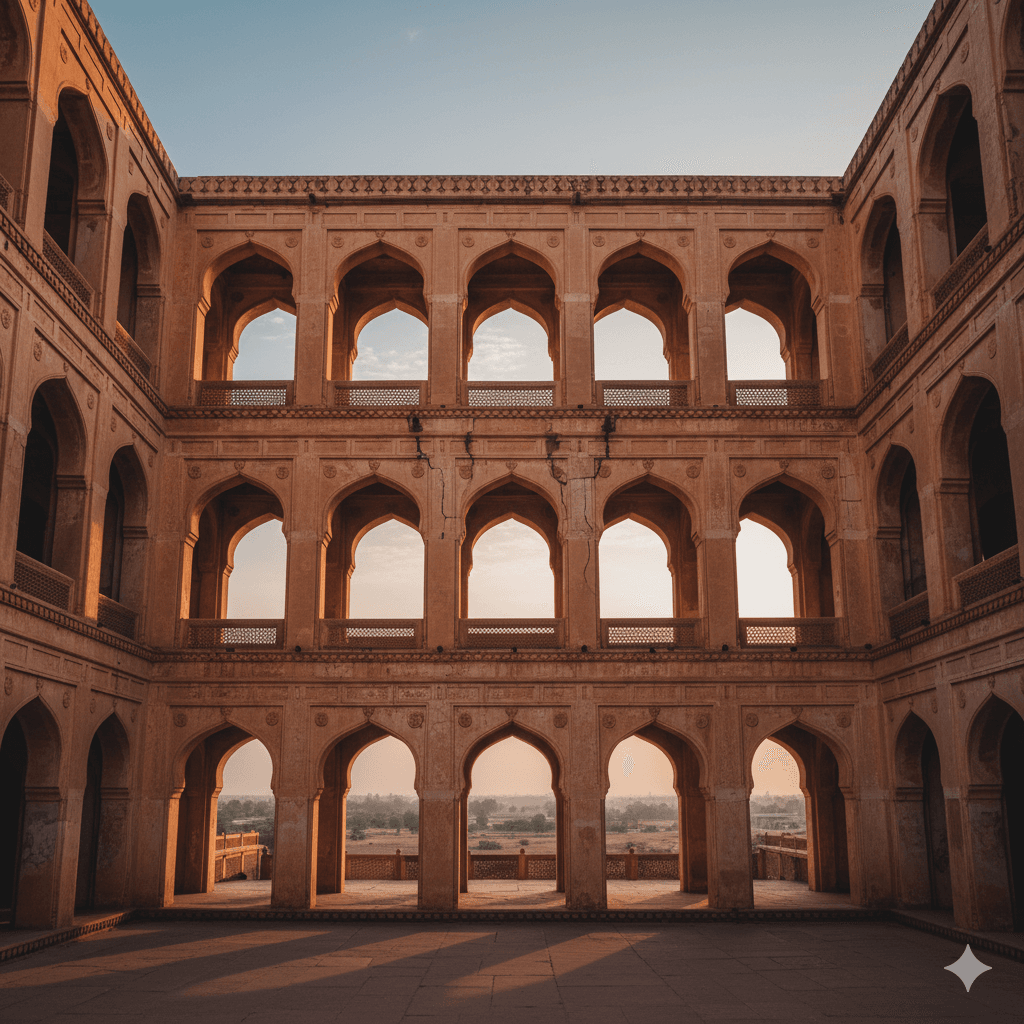
- Step into a “Wind Palace”: In Jhunjhunu, visit the Khetri Mahal. It has no windows or doors—just a series of open arches designed to catch every desert breeze. It’s like an 18th-century air conditioner.
- The Sunset Stepwell Session: Head to the Mertani Ji Ki Baori in Jhunjhunu. These stepwells were the social hubs of the past. Nowadays, they are the perfect place to sit, reflect, and wonder how they moved all that water without a pump.
- Go on a Marwari Horse Safari: In Dundlod, the heritage is all about the horses. Riding an indigenous Marwari horse through the semi-arid dunes is the ultimate “I’m in the desert” flex.
- The “Gold” Room Pilgrimage: If you only do one “side quest,” make it the Sone Chandi ki Dukan in Mahansar. You have to find the caretaker to unlock it, but once inside, the Krishna Leela paintings in real gold will leave you speechless.
A Pro-Tip for the Sightseer
Don’t just stick to the main roads. Some of my favorite discoveries happened when I took a “wrong” turn in Ramgarh and found a cenotaph (chhatri) that looked like a miniature Taj Mahal. Many of the best havelis are tucked away in narrow alleys where Google Maps essentially gives up.
Expert Humour Note: If a local kid offers to show you a “special hidden haveli” for 50 rupees, say yes. They usually know exactly which caretaker is home and which courtyard has the best lighting for your Instagram feed.
3. Step Back in Time: The Most Famous Historical Places in Shekhawati
If the havelis are the “art galleries” of the region, then the forts and cenotaphs are the heavy-duty time capsules. When I first started putting together this Shekhawati travel guide, I realized that the history here isn’t just in books; it’s etched into the sandstone and fortified by massive wooden gates that look like they’ve seen a few elephant charges in their day.
In Shekhawati, “history” isn’t a dusty concept—it’s where you have your morning masala chai. Many of these famous historical places have been converted into heritage hotels, meaning you can literally sleep in a room where a Thakur (nobleman) once plotted his next big move.
The Forts and Palaces: Where Power Met Paint
Unlike the massive hill forts of Jodhpur or Chittorgarh, the forts here are more intimate, tucked into the centers of bustling merchant towns. Here are the “Heavy Hitters” that made it into my personal hall of fame:
| Historical Landmark | Location | The “Big Deal” Feature |
| Mandawa Fort | Mandawa | A 1755 stronghold with a stunning archway and medieval outhouses (yes, really). |
| Laxmangarh Fort | Laxmangarh | Built on a massive rocky hill; it’s modeled after the city layout of Jaipur. |
| Dundlod Fort | Dundlod | A blend of Rajput and European architecture with a library that smells like old secrets. |
| Alsisar Mahal | Alsisar | A battle-hardened fort that now looks like a luxury desert oasis. |
My Favorite “Hidden” Historical Spots
Beyond the big forts, there are a few places that truly capture the soul of the region. If you follow this Shekhawati travel guide off the beaten path, make sure to check these out:
- The Chhatris of Ramgarh: Think of these as royal umbrellas made of stone. These cenotaphs (memorials) are covered in paintings from the Ramayana. Pro tip: The symmetry here is a photographer’s dream, but watch out for the resident monkeys—they don’t understand the concept of a “silent shutter.”
- Khetri Mahal (The Wind Palace): Located in Jhunjhunu, this is arguably the most sophisticated piece of architecture in the region. It’s an airy, multi-storied palace with no doors or windows, just elegant pillars. It’s basically 18th-century “open-plan living” at its finest.
- The Wells of Jhunjhunu: Some of the old wells (like the Mertani Baori) are deep, architectural marvels. Walking down the steps feels like descending into an Indiana Jones set—minus the rolling boulders and snakes (hopefully).
A Note on the “Crumbling Charm”
One thing you’ll notice as an expert traveler (and I say this with love) is that some of these historical sites are in a state of “noble decay.” You might see a beautiful 19th-century fresco with a modern electric wire running right through it, or a medieval turret sharing a wall with a grocery store.
Personally, I find this hilarious and wonderful. It reminds you that these aren’t dead museums; they are living, breathing parts of a town. History in Shekhawati isn’t behind a velvet rope—it’s right there, leaning against a vegetable cart.
4. Something for Everyone: The Best Places in Shekhawati for Every Type of Traveler
One of the biggest mistakes people make when reading a Shekhawati travel guide is thinking the region is only for “history nerds.” While it certainly helps if you like looking at old walls, I’ve found that this corner of Rajasthan is surprisingly versatile.
Whether you’re a spiritual seeker, an Instagram influencer looking for that perfect “shabby-chic” backdrop, or a wildlife enthusiast who got lost on the way to the desert, Shekhawati has a pocket for you. Here is my breakdown of where to head based on what makes you tick.
The “Interest Group” Cheat Sheet
To save you from wandering aimlessly (unless that’s your thing, no judgment here), I’ve categorized the top spots by “vibe”:
| Interest Group | Go-To Destination | The “X-Factor” |
| The Art Lover | Fatehpur | The sheer density of well-restored frescoes at the Nadine Le Prince Haveli. |
| The Spiritual Soul | Khatu Shyamji | One of India’s most revered shrines; the energy here is electric. |
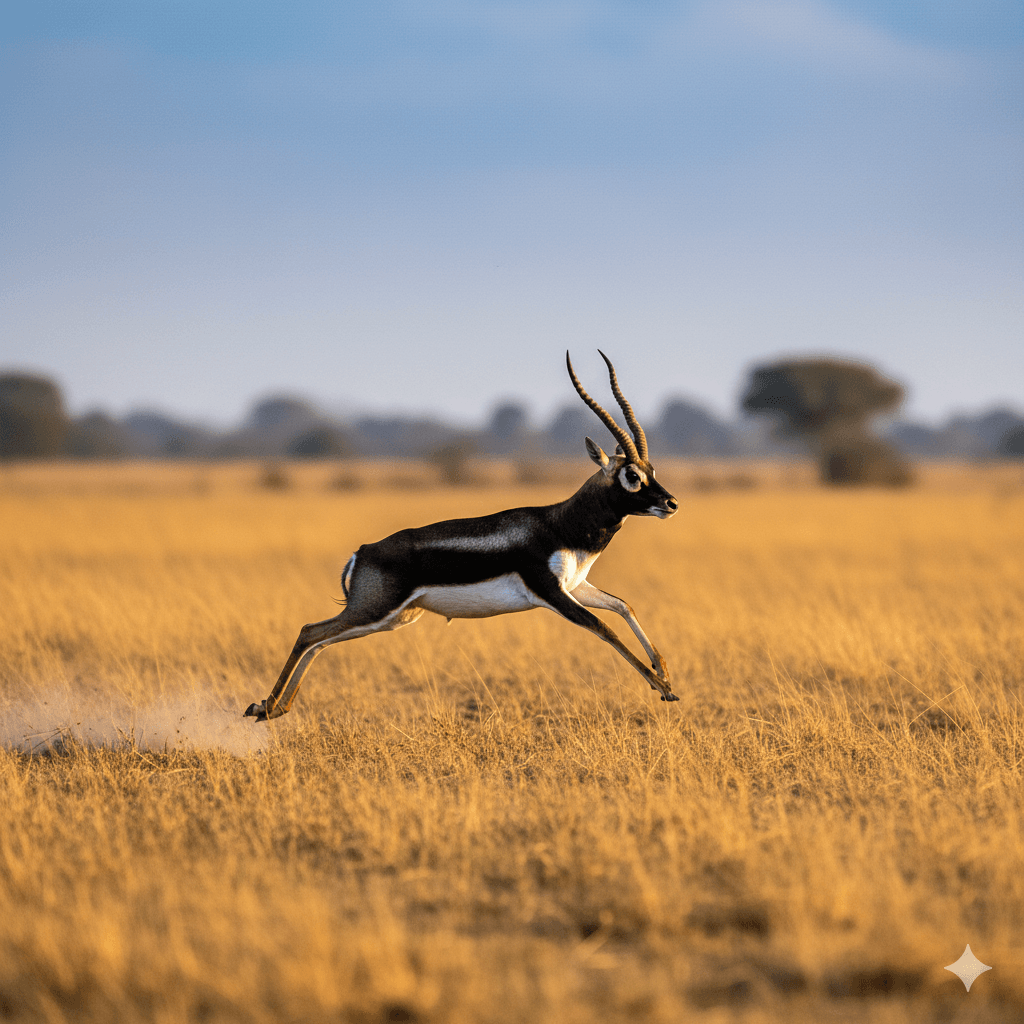
| The Nature Lover | Tal Chhapar | A blackbuck sanctuary that feels like a slice of the African savanna. |
| The Luxury Seeker | Alsisar | Sleeping in a palace (Alsisar Mahal) that feels like a movie set. |
| The Architect | Nawalgarh | The town layout and the intricate vaulting of the Podar Haveli. |
My Personal Recommendations for Your
- For the Spiritual Seekers: You cannot miss Khatu Shyamji and the Salasar Balaji Temple. Even if you aren’t religious, the sheer scale of devotion and the vibrant markets surrounding these temples are a cultural masterclass. Just be prepared for crowds—this is the one place in my Shekhawati travel guide where the “quiet desert” vibe takes a backseat to bells and chants!
- For the Photographer / Instagrammer: Head straight to the Ramgarh Cenotaphs. The symmetry, the weathered textures of the stone, and the golden hour light create a mood that no filter can replicate. Plus, the “noble decay” of the local havelis provides that perfect “authentic explorer” aesthetic for your feed.
- For the Wildlife Enthusiast: If you’re tired of looking at painted tigers and want to see some actual animals, drive out to Tal Chhapar Sanctuary. It’s famous for its Blackbucks. It’s a flat, grassy plain that looks nothing like the rest of the rocky Aravallis. I once sat there for an hour just watching the antelope leap—it’s the best “nature break” you can take.
- For the Slow Traveler: Just pick a guest house in Mandawa. Spend your afternoons sitting on a charpai (traditional cot), drinking chai, and watching the camels go by. Sometimes the “best thing to do” is absolutely nothing.
Why Diversity Matters
As your unofficial travel strategist, I recommend mixing at least two of these groups. Spend your morning being an Art Lover in a haveli and your afternoon being a Nature Lover at the sanctuary. It keeps the “haveli fatigue” at bay and ensures you see the full spectrum of what this region offers.
A Little Humor: If you’re a “Foodie” (like me), your interest group is basically “everywhere there is a frying pan.” Don’t worry, we’ll get to the Pyaaz Kachoris soon—they deserve their own chapter.
5. After Dark in the Desert: The Unique Nightlife and Evening Experiences in Shekhawati
If your idea of “nightlife” involves neon lights, thumping bass, and 2 AM pizza slices, let me stop you right there. In this Shekhawati travel guide, we trade the disco balls for starlit courtyards and the DJ for the haunting sound of a Sarangi.
When the sun dips behind the painted havelis, the region doesn’t “party”—it glows. Nightlife here is about Heritage Immersion. It’s about sitting on a rooftop that’s 200 years old, feeling the desert breeze cool the sandstone, and realizing that the only thing louder than your thoughts is the sound of a distant folk singer, It is soulful, it’s quiet, and honestly? It’s exactly the “recharge” my city-dwelling soul needed.
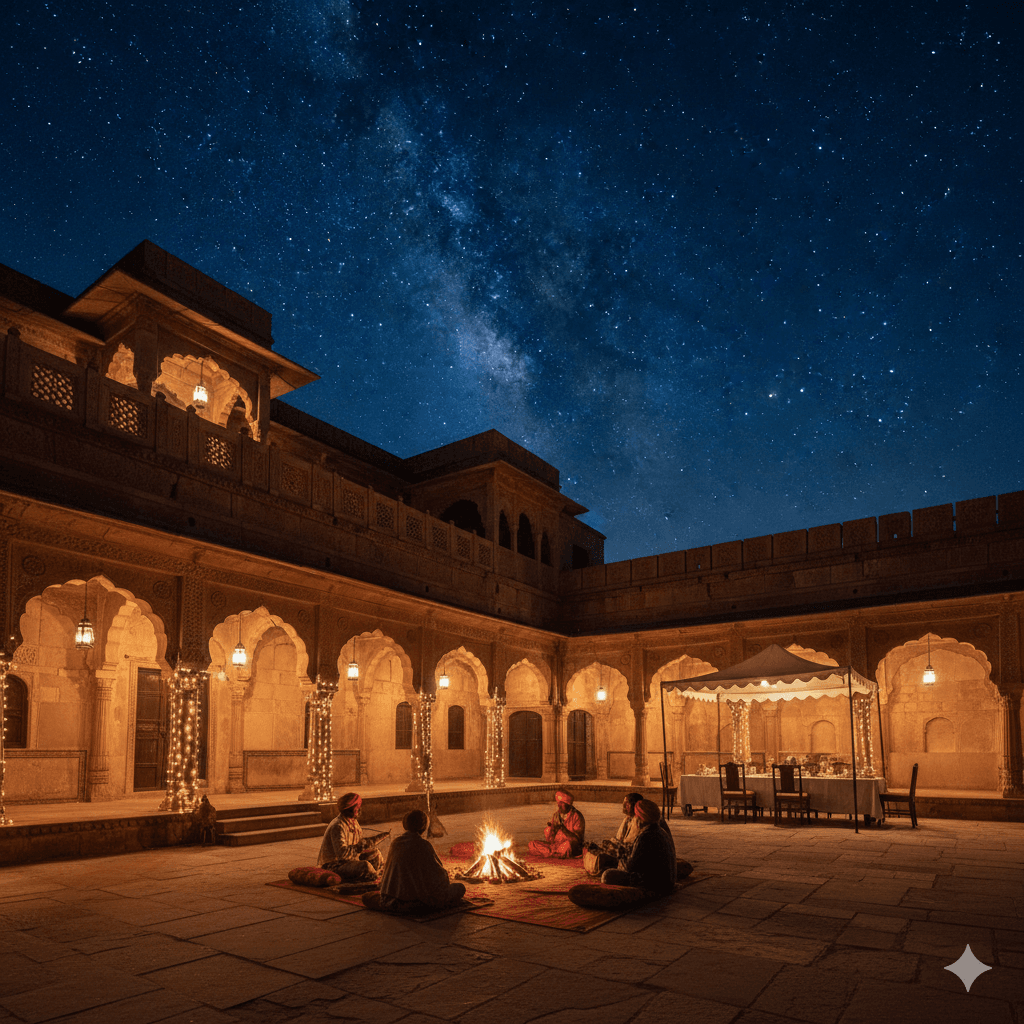
The Shekhawati “Nightlife” Spectrum
Since we aren’t hitting the clubs, here is how you actually spend an epic evening in the region:
| Experience | Best Location | The Vibe |
| Rooftop Dining | Castle Mandawa | Romantic, panoramic views of the illuminated town. |
| Folk Performances | Vivaana Heritage | Raw, emotional Rajasthani music by a crackling bonfire. |
| Night Walking | Churu Lanes | Mysterious and atmospheric (best with a local guide). |
| Star Gazing | Alsisar Mahal | Crystal clear desert skies with zero light pollution. |
My Favorite Way to Spend a Shekhawati Evening
- The “Royal” Bonfire: Most heritage hotels (the ones that used to be forts) host evening folk dances. There is something incredibly hypnotic about watching a Kalbelia dancer move in the firelight while someone beats a traditional Dhol. It’s not a “show”—it feels like a ritual.
- Puppet Shows (Kathputli): Don’t roll your eyes! These aren’t just for kids. The storytelling is witty, often poking fun at local history or the British Raj. It’s the original “stand-up comedy” of Rajasthan.
- Chasing the Stars in Churu: Because Shekhawati isn’t industrialized, the sky at night is a velvet blanket of stars. I spent one night at a desert camp near Alsisar just staring up. If you’re an astrophotography fan, this Shekhawati travel guide is your golden ticket.
- The “Liquid” History: If you can find a heritage hotel that serves Mahansar Heritage Liquor, try a small sip. It’s a traditional brew made with spices and herbs. Warning: It’s got a kick that could jumpstart a vintage Jeep.
A Strategist’s Guide to Not Getting Bored
Let’s be honest: by 10 PM, most of Shekhawati is fast asleep. If you’re a night owl, here is my business-class advice: Bring a book or a good playlist. The nightlife here is meant to be slow. Use this time to journal about the frescoes you saw during the day or to have a long, rambling conversation with your travel partner over a second round of Laal Maas. In a world that’s always “on,” the silence of a Shekhawati night is the ultimate luxury.
Expert Humour: The only “wild” party you might find at 11 PM is a group of local peacocks having a shouting match on your rooftop. They are loud, they are colorful, and they definitely didn’t get the memo about “quiet hours.”
6. Desert Thrills: The Best Adventure Activities in Shekhawati for Adrenaline Junkies
If you think a Shekhawati travel guide is only about peering at old murals through a pair of reading glasses, prepare to have your socks knocked off (and replaced with riding boots). While the art is the soul of the region, the rugged desert landscape is its playground.
As someone who loves a good “main character moment,” I wasn’t satisfied just walking through havelis. I wanted to feel the grit of the desert and the power of a Marwari stallion. Trust me, there is nothing quite like trading a quiet courtyard for a dusty trail to remind you that Rajasthan was built by warriors, not just merchants.
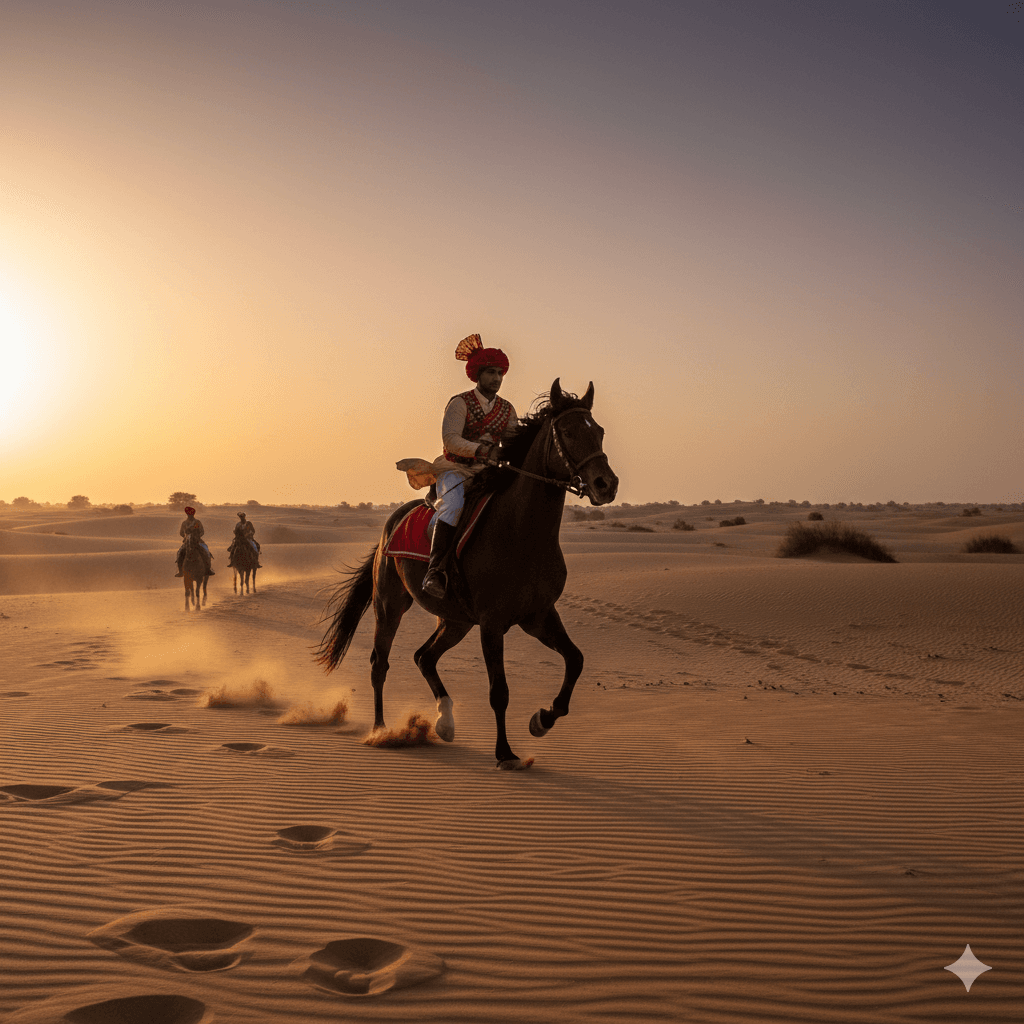
The “Adrenaline Menu”: Adventure Activities Ranked
Not all adventures are created equal. Depending on whether you want to break a sweat or just look cool in a Jeep, here is how you should spend your energy:
| Activity | Thrill Level | Best For |
| Marwari Horse Riding | High | Experienced riders and “wannabe” royalty. |
| Dune Bashing (Jeep) | Medium | Those who like speed without the leg workout. |
| Rural Cycling | Medium | Eco-conscious explorers who want to see every alley. |
| Camel Trekking | Low | The classic, slow-motion desert experience. |
My Top Adventure Picks (Tested and Approved)
- Riding the Legendary Marwari Horses: In Dundlod, the horse is king. These aren’t your average trail ponies; they have unique inward-curving ears and a temperamental elegance. Galloping through the semi-arid scrubland on a Marwari horse made me feel like I was in a historical epic. Tip: If you’re a beginner, maybe start with a trot before you try to win a desert race.
- Open-Top Jeep Safaris: This is the best way to explore the “off-road” parts of this Shekhawati travel guide. We headed out into the dunes surrounding Alsisar at dawn. Seeing the sun rise over the sandy horizon while bouncing around in a 4×4 is a core memory. Plus, you get to spot local wildlife like Nilgai (Blue Bulls) and desert foxes.
- The “Havelis on Wheels” Cycling Tour: Some towns like Nawalgarh offer cycling tours. It sounds gentle, but navigating those narrow, sandy lanes requires some serious balance. It’s the best way to cover five times more ground than walking while getting a peek into rural life that cars just can’t reach.
- The Slow-Motion Safari (Camels): Okay, it’s a cliché, but you haven’t lived until you’ve tried to maintain your dignity while a camel stands up. It’s slow, it’s bumpy, and it’s the most “authentic” way to reach remote desert campsites for a sunset view.
A Strategist’s Advice for the Adventurous
If you’re planning these activities, my business-minded tip is to book them through your heritage hotel. The local “Thakurs” (landowners) often own the best stables and the sturdiest Jeeps.
A Little Humor: When your guide tells you the Jeep “has character,” it usually means the suspension was retired during the British Raj and you should hold onto your hat (and your teeth). But hey, that’s all part of the charm, right?
7. Beyond the Painted Walls: Must-Visit Nearby and Surrounding Attractions Near Shekhawati
So, you’ve filled your camera roll with enough frescoes to start your own museum. What’s next? As a strategist, I always tell people: “Don’t just see the destination; see the neighborhood.” One of the best things about following a Shekhawati travel guide is that the region serves as a perfect launchpad for some of Rajasthan’s most underrated “side quests.”
If you’re willing to drive just an hour or two outside the main “painted circuit,” you’ll find everything from savanna-style wildlife sanctuaries to holy towns that vibrate with a totally different energy. It’s like getting a “Buy One, Get One Free” deal on your vacation.
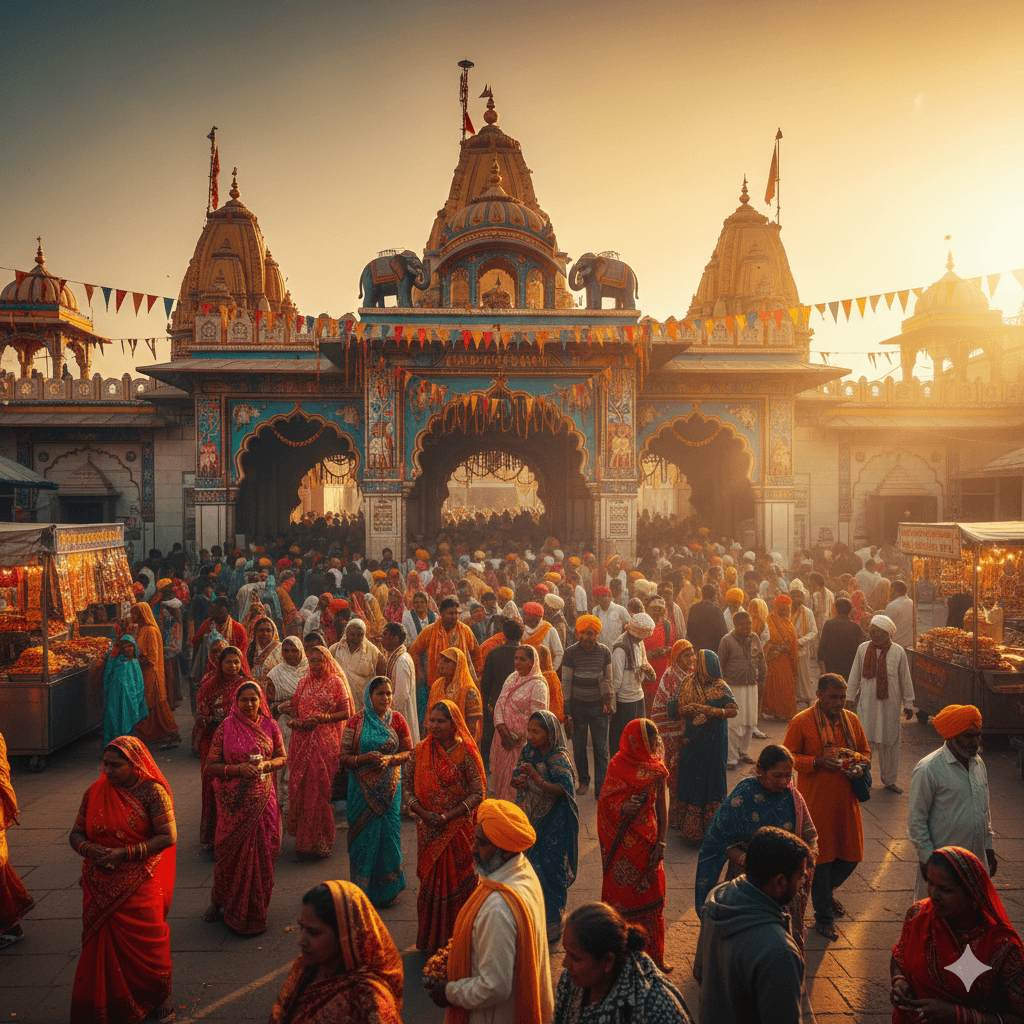
The “Day Trip” Radar: Where to Go Next
If you’ve got a spare day and a full tank of gas, here is where I suggest you point your compass:
| Destination | Distance from Mandawa | Why It’s Worth the Fuel |
| Tal Chhapar | ~80 km | The “Serengeti of India.” Famous for Blackbucks. |
| Khatu Shyamji | ~90 km | A massive pilgrimage hub with a spiritual vibe that’s infectious. |
| Bikaner | ~190 km | The “Red City,” famous for its fort and world-class snacks. |
| Salasar Balaji | ~85 km | A temple dedicated to Hanuman that draws millions. |
My Top “Off-the-Beaten-Path” Excursions
- The Blackbuck Ballet at Tal Chhapar: This was the highlight of my “surrounding” tour. Unlike the dense jungles of Ranthambore, this is a flat, golden grassland. I felt like I had stepped out of India and into a National Geographic documentary on the African plains. Seeing the elegant Blackbucks leap across the horizon is a much-needed visual palate cleanser after days of looking at intricate art.
- The “Snack Capital” Pilgrimage (Bikaner): If you are a foodie following this Shekhawati travel guide, Bikaner is your Mecca. It’s a bit of a longer drive, but the reward is the Junagarh Fort and more Bikaneri Bhujia than you can fit in your suitcase. I spent a morning there and realized that Bikaner is like Shekhawati’s bigger, slightly more chaotic cousin.
- Salasar Balaji & Khatu Shyamji: These two are the spiritual powerhouses of the region. Even if you aren’t a temple person, the sheer logistics and the business of faith here are fascinating to witness. The markets surrounding these temples are also fantastic for picking up local handicrafts that haven’t been “tourist-priced” yet.
A Strategist’s Tip for the Road
When planning these “nearby” trips, remember that “Indian Kilometers” are different from “Regular Kilometers.” A 90 km drive might take you two hours because you’ll likely be sharing the road with a wedding procession, a slow-moving tractor, or a very stubborn cow who refuses to move for your SUV.
A Little Humor: I once tried to take a “shortcut” to Tal Chhapar and ended up in a village where I’m pretty sure they hadn’t seen a tourist since 1994. I didn’t get to the sanctuary on time, but I did get offered about six cups of chai. In Rajasthan, a “wrong turn” is just an unscheduled social event.
8. The Ultimate “Fresco Bucket List”: A Comprehensive Top List of Shekhawati’s Wonders
As your travel strategist, I know the “Haveli Fatigue” is real. If you try to see all 2,000+ painted mansions in the region, they eventually start to look like one big, blurry watercolor painting. To keep your sanity (and your camera battery) intact, I’ve curated the absolute “Cream of the Crop.”
This Shekhawati travel guide wouldn’t be complete without a definitive ranking. I’ve personally vetted these based on three criteria: historical significance, “wow” factor of the art, and—let’s be honest—how cool they look on your feed.
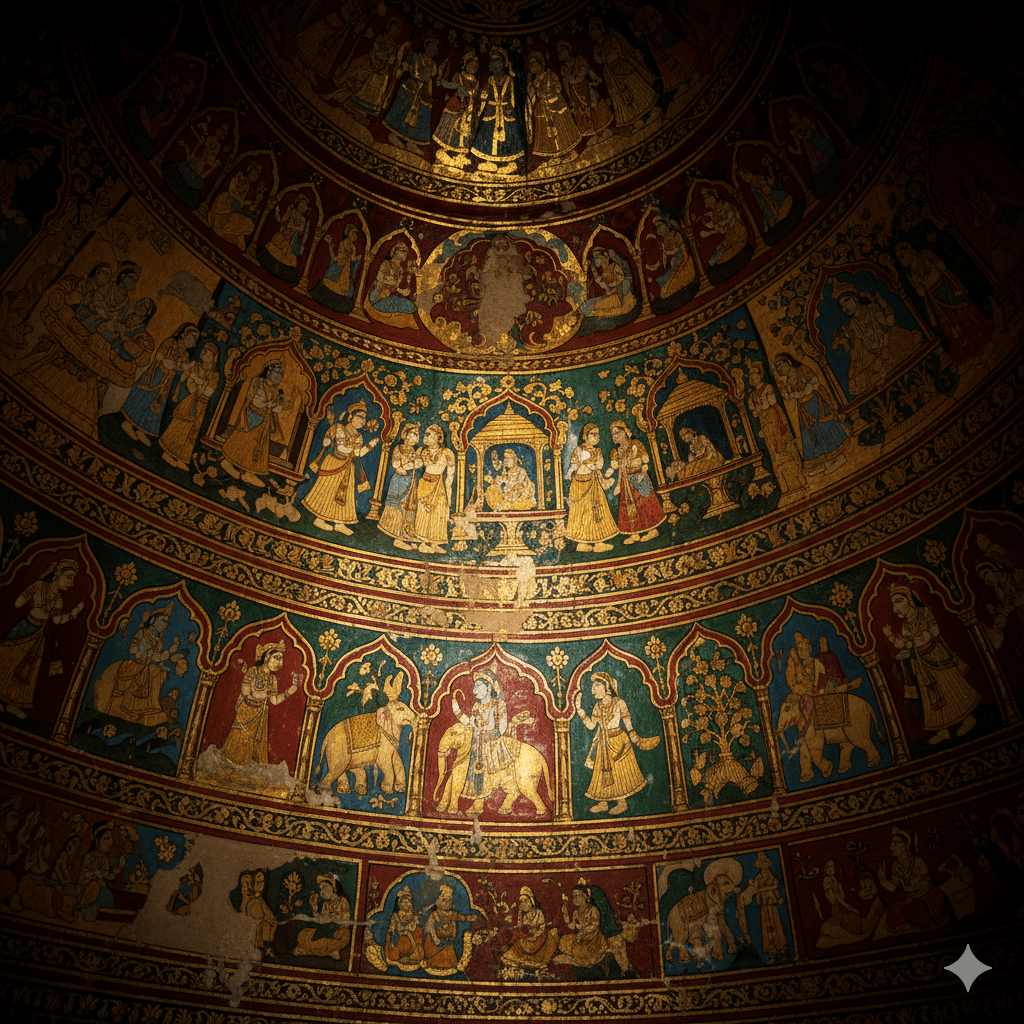
The “Big Three” Towns & Their Crown Jewels
If you only have 48 hours, focus your energy on these specific spots. They represent the peak of the “Open-Air Art Gallery” era.
| Town | The “Must-Visit” Site | Why It’s Famous |
| Nawalgarh | Podar Haveli Museum | The most organized. It’s been perfectly restored and acts as an “Introduction to Shekhawati” course. |
| Mandawa | Murmuria Haveli | For the “Modern” frescoes. You’ll see 1920s trains, cars, and even portraits of George V next to Hindu gods. |
| Mahansar | Sone Chandi ki Dukan | The “Golden Shop.” It’s a tiny room, but every inch is covered in real gold leaf and crimson pigments. |
My Top 10 “Don’t You Dare Miss These” Rankings
- Sone Chandi ki Dukan (Mahansar): It’s the closest thing India has to a Sistine Chapel in the desert. The Krishna Leela scenes are breathtaking.
- Podar Haveli Museum (Nawalgarh): Great for beginners. They have galleries explaining the Arayish (fresco) technique.
- Nadine Le Prince Haveli (Fatehpur): A French artist’s labor of love. It’s one of the few places where you see a successful blend of European restoration and Indian heritage.
- Khetri Mahal (Jhunjhunu): The “Wind Palace” that inspired Jaipur’s Hawa Mahal. It has no doors, just beautiful, breezy arches.
- Murmuria Haveli (Mandawa): Look for the painting of a British train—it was the “High Tech” of the 19th century!
- Mertani Ji Ki Baori (Jhunjhunu): A stunning 18th-century stepwell that looks like a geometric maze.
- Ramgopal Podar Chhatri (Ramgarh): The most beautifully painted cenotaph in the region. The dome is a masterpiece.
- Sethani Ka Johara (Churu): A picturesque reservoir built during a famine; it’s a tranquil spot for birdwatching and photography.
- Dundlod Fort: A blend of a defensive fort and a luxury palace. The library here is like stepping into a Sherlock Holmes novel.
- Aath Haveli Complex (Nawalgarh): A group of eight havelis side-by-side. It’s the ultimate “Keeping up with the Joneses” of the 1900s.
Strategy Corner: How to Tackle This List
Don’t try to check all ten in one day! My Shekhawati travel guide tip for maximum enjoyment is the “Two and Two Rule”:
- Morning: 2 major havelis when the light is crisp.
- Lunch: A long, slow Rajasthani meal.
- Afternoon: 2 architectural sites (like a fort or a stepwell).
A Little Humor: If you visit more than five havelis in a row, you’ll start seeing frescoes in your sleep. If you find yourself trying to “zoom in” on a real-life wall with your fingers, it’s time to put the camera down and go find some Lassi.
9. Shekhawati Shopping Guide: The Best Souvenirs and Traditional Crafts to Buy
If you thought your wallet was safe just because we’re in a “quiet” desert region, I have some expensive news for you. Shopping in this part of Rajasthan isn’t about high-end malls; it’s about navigating narrow, cow-filled lanes to find treasures that have been made the same way for centuries.
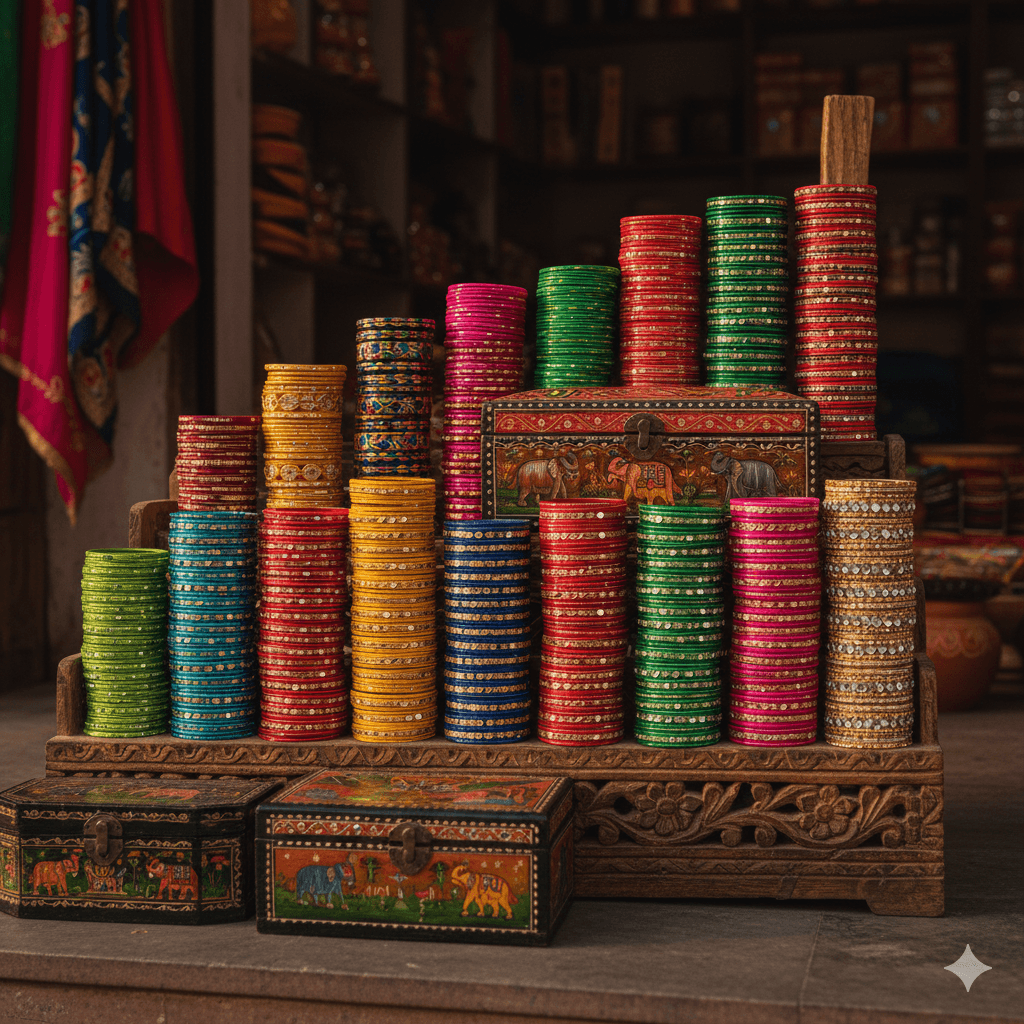
As a strategist, I look at shopping as an investment in local heritage. Every time you buy a hand-painted box or a pair of bangles, you’re helping keep the “Open-Air Art Gallery” alive. My Shekhawati travel guide to retail therapy is all about finding items that actually fit in your suitcase—because as much as I wanted to buy a 200-year-old carved wooden door, the airline had “opinions” about my baggage weight.
The Shekhawati “Haul”: What’s Worth Your Rupees
The local markets (or Bazaars) in Mandawa and Nawalgarh are sensory overloads. Here is the breakdown of what you should be hunting for:
| The Item | Why You Need It | Best Place to Find It |
| Lac Bangles | Handcrafted from natural resin; they are vibrant and iconic. | Nawalgarh Bazaar |
| Tie-Dye (Bandhani) | Exquisite textiles with intricate dot patterns. | Churu or Sikar |
| Fresco Souvenirs | Small wooden chests or trays painted in the “Shekhawati Style.” | Mandawa Main Street |
| Wood Carvings | Miniature versions of those massive, intricate haveli doors. | Ramgarh |
My Top Picks for a “Pro” Shopper
- Lacquerware and Bangles: Watching the artisans melt the resin over a small fire to create Lac bangles is a performance in itself. They can customize the size and colors right in front of you. It’s the ultimate “guilt-free” souvenir because they weigh almost nothing.
- Hand-Painted Woodwork: Since you can’t take the walls of the havelis home, do the next best thing. Many local artists in Mandawa sell small wooden stools (moorahs), boxes, and frames painted with the same mineral pigments used in the frescoes. This is a core part of any Shekhawati travel guide shopping list.
- Bandhani Textiles: The Shekhawati region is famous for its “Tie and Dye” work. Look for Odhnis (scarves) or dress materials. The finer the dots, the higher the quality (and the price).
- Antique Hunting (With Caution): You will see shops overflowing with “antiques”—brass pots, old locks, and even vintage cameras. Expert Tip: Unless you’re a pro, assume it’s a high-quality “new-antique.” Buy it because it looks cool, not because you think it’s a 17th-century relic!
A Strategist’s Guide to Bargaining
In the local bazaars, the first price mentioned is usually a “conversation starter,” not a final offer.
- The “Walk Away” Move: It’s a classic for a reason. If the price feels too high, thank them and start walking. The price usually drops by 20% by the time you reach the next shop.
- Bulk Buy: Want five scarves for your friends back home? That’s your leverage for a better deal.
- Smile and Small Talk: Asking about the craft or the artist goes a long way. In Rajasthan, a little bit of respect earns you a much better price than an aggressive attitude.
A Little Humor: I once spent forty minutes haggling over a brass camel, only to realize the shopkeeper and I were arguing over a difference of about 50 cents. We both eventually laughed, had a cup of chai, and I paid the higher price anyway. That’s “Desert Logic” for you.
10. A Taste of the Desert: The Ultimate Foodie’s Guide to Shekhawati Cuisine
If you think your palate is prepared for Rajasthan, let me tell you—eating your way through a Shekhawati travel guide is a whole different ballgame. In a land where water was historically scarcer than gold, the locals mastered the art of cooking with milk, buttermilk, and wild berries. The result? A cuisine so rich and flavorful that your gym membership will start senting you “I miss you” texts the moment you sit down for lunch.
As a strategist, I view food as the ultimate “cultural data point.” To understand how these merchants built such empires, you have to taste the high-energy, spicy, and buttery fuel that kept them going. Forget the bland hotel pasta; we are here for the real deal.
The Shekhawati “Power Lunch” Menu
The food here is hearty, spicy, and unapologetically rustic. Here is a breakdown of what you need to order to eat like a local:
| The Dish | What’s in It? | My “Flavor” Review |
| Ker Sangri | Wild desert berries and beans cooked with dried mango. | Tangy, spicy, and incredibly amazing. A desert classic. |
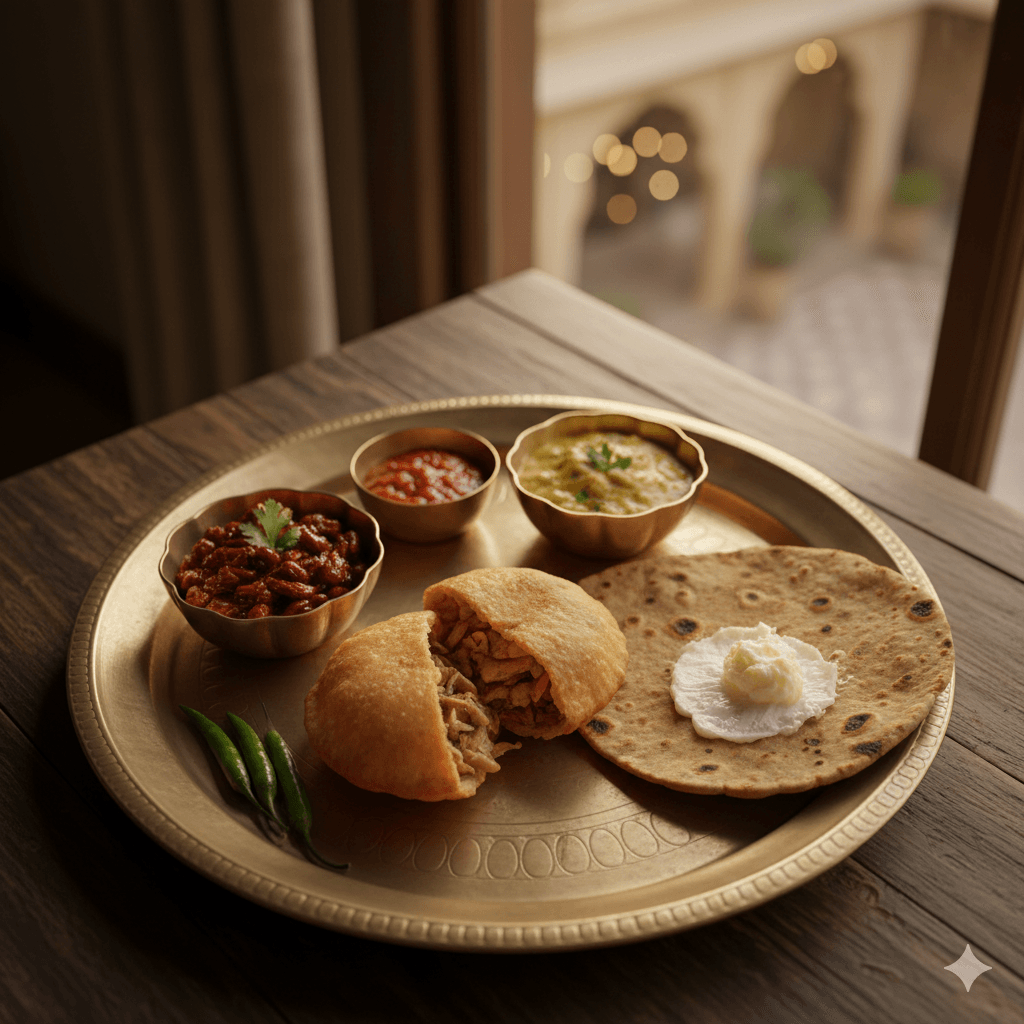
| Pyaaz Kachori | Flaky pastry stuffed with a spicy onion filling. | The “Breakfast of Champions.” Best eaten piping hot at a street stall. |
| Gatte Ki Sabzi | Gram flour dumplings in a spicy yogurt gravy. | Smooth, tangy, and perfect with a bajra rotlo. |
| Laal Maas | Mutton slow-cooked in a fiery red chili sauce. | Not for the faint of heart (or stomach). It’s “Desert Fire” in a bowl. |
| Rabri | Thickened, sweetened milk with layers of malai. | The only way to cool down after a spicy Shekhawati meal. |
My “Must-Eat” Personal Highlights
- The Pyaaz Kachori Ritual: My morning in Mandawa usually starts with a search for the deepest frying vat in the bazaar. A fresh Pyaaz Kachori served on a piece of newspaper with a side of tamarind chutney is the only way to kick off a day of haveli-hopping.
- The “Heritage” Sip (Mahansar Liquor): This is a total outlier in any Shekhawati travel guide. This traditional herbal liquor is brewed using ancient recipes involving spices, dry fruits, and even saffron. It’s powerful, aromatic, and carries a punch that will have you seeing frescoes in 4K.
- Bajra Rotlo with Garlic Chutney: This is the soul of rural Rajasthan. A thick, hand-patted pearl millet flatbread slathered in white butter (makkhan) and served with a fiery red garlic paste. It’s simple, humble, and arguably the best thing I ate during my entire trip.
- Malpua and Rabri: If you have a sweet tooth, the sweets in the Sikar and Jhunjhunu markets will be your undoing. The Malpuas (syrup-soaked pancakes) here are legendary.
A Strategist’s Advice for Your Stomach
- Follow the Crowd: See a long line of locals at a small sweet shop? Get in it. They know exactly where the freshest Mawa is.
- Butter is a Vegetable: In Shekhawati, “fat is flavor.” Don’t try to fight it. Just accept that everything will be served with a dollop of ghee.
- Hydration is Key: The spices here don’t mess around. Always keep a bottle of water (and maybe some digestive tablets) in your bag.
A Little Humor: I once asked a local cook if he could make my Laal Maas “medium spicy.” He looked at me with genuine confusion, then pity, and then proceeded to serve me a bowl of chili-infused liquid that made me sweat from my eyelashes. 10/10 would recommend.
11. The Ultimate 3-Day Shekhawati Itinerary: How to See the Best Painted Havelis Without Losing Your Mind
As your business strategist and travel mentor, I know that time is your most valuable asset. You don’t want to spend your entire trip staring at a map or arguing with a GPS that thinks a cow path is a highway.
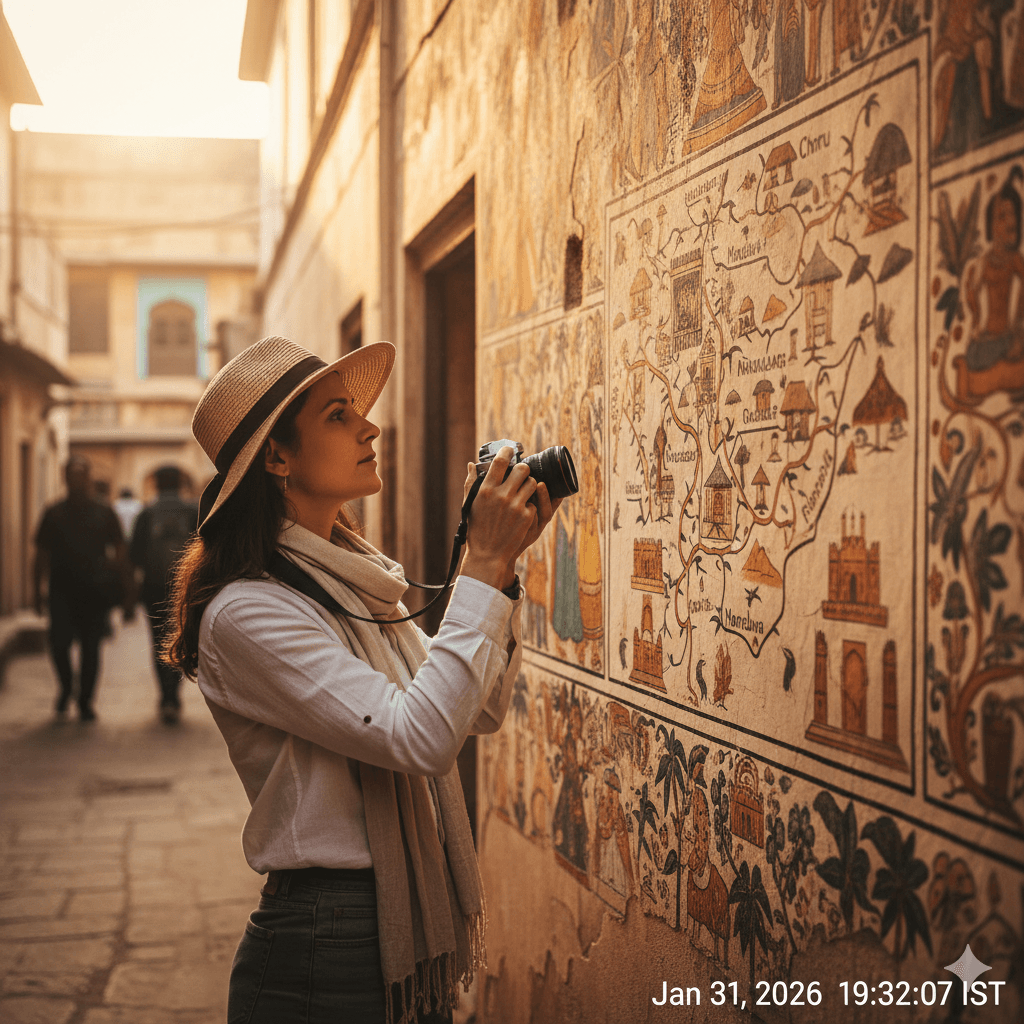
When I sat down to draft this Shekhawati travel guide, I wanted to create a “Goldilocks” itinerary—not too rushed, not too slow, but just right. This 3-day plan hits the heavy hitters of the “Open-Air Art Gallery” while leaving enough time for you to actually enjoy a sunset without checking your watch.
The “At-A-Glance” Game Plan
| Day | Focus Area | The Big Highlight |
| Day 1 | The Gateway (Mandawa) | Sunset at Mandawa Fort & Night Mural Walking. |
| Day 2 | The Art Deep-Dive (Nawalgarh & Dundlod) | The Podar Museum & Marwari Horse Stables. |
| Day 3 | The Gold & The Grasslands (Mahansar & Tal Chhapar) | The Sone Chandi ki Dukan & Blackbuck Sightings. |
1 Day: The Mandawa Magic
- Morning: Arrive in Mandawa and check into a heritage haveli. Trust me, staying in a room with 100-year-old frescoes is half the fun.
- Afternoon: Wander through the Murmuria and Hanuman Prasad Goenka havelis. Keep an eye out for the “modern” paintings of trains and telephones—it’s the 19th-century version of a tech unboxing video.
- Evening: Head to the rooftop of Castle Mandawa for a drink. As the sun sets, the desert sky turns the same dusty pink as the buildings. It’s pure magic.
2 Day: The Heart of the Heritage
- Morning: Drive to Nawalgarh (about 45 mins). This is the “Harvard” of this Shekhawati travel guide. Spend your morning at the Podar Haveli Museum. It’s clean, well-curated, and will explain why there is a painting of a British soldier on a balcony.
- Afternoon: Pop over to Dundlod. Visit the fort and, if you’re feeling brave, book a short horse ride. Even if you don’t ride, the stables are beautiful.
- Evening: Return to your base. Find a local spot for Pyaaz Kachoris and tea. If there’s a puppet show at your hotel, watch it—the sarcasm of the puppeteers is world-class.
3 Day: Gold Leaf and Gazelles
- Morning: This is the “Expert Level” day. Head to Mahansar to see the Sone Chandi ki Dukan. It’s a tiny room, but it’s dripping in real gold. It’ll make your smartphone look dull.
- Afternoon: Drive toward Tal Chhapar Wildlife Sanctuary. It’s a total shift in vibe—from dusty art lanes to wide-open golden grasslands. Watching the Blackbucks leap is the perfect “mental reset.”
- Evening: Start your journey back to Jaipur or Delhi, or better yet, stay one more night in Churu to see the stunning Sethani Ka Johara reservoir.
My “Strategist” Pro-Tip for the Road
Don’t try to do this in a hatchback if you can avoid it. The roads between these towns are… let’s call them “adventurous.” A sturdy SUV or a hired driver who knows the potholes by name is the best investment you’ll make.
A Little Humor: If you follow this plan and still feel like you haven’t seen enough murals, you might actually be an art historian. Please seek professional help—or just buy a coffee table book in the gift shop!
12. Desert Beats and Cultural Feasts: The Shekhawati Events & Festival Calendar for 2026
If you think Shekhawati is just a collection of quiet, painted ghosts, you haven’t seen it during festival season. As a strategist, I always tell my clients: “Timing is everything.” Visiting during a festival is like switching from a black-and-white photo to a 4K IMAX 3D experience. The streets explode with color, the air smells like fried sugar, and suddenly, those stoic havelis are filled with the sound of drums and laughter.
In this Shekhawati travel guide, I’ve mapped out the key dates for 2026. Whether you want to see rural sports or dance to electronic music in a 17th-century castle, here is when you should be packing your bags.
The 2026 Shekhawati “Don’t Miss” List
Plan your trip around these dates to see the “Open-Air Art Gallery” truly come to life:
| Festival | Date (2026 Estimate) | What Happens? | The “Cool” Factor |
| Shekhawati Festival | March 21 – 23 | Rural games, organic food stalls, and folk arts in Nawalgarh. | The ultimate “local” experience. |
| Gangaur | March 21 – 22 | Colorful processions of women carrying idols of Gauri. | Incredible for photography. |
| Teej | August 16 – 17 | Welcoming the monsoon with swings and sweets. | Best for seeing traditional fashion. |
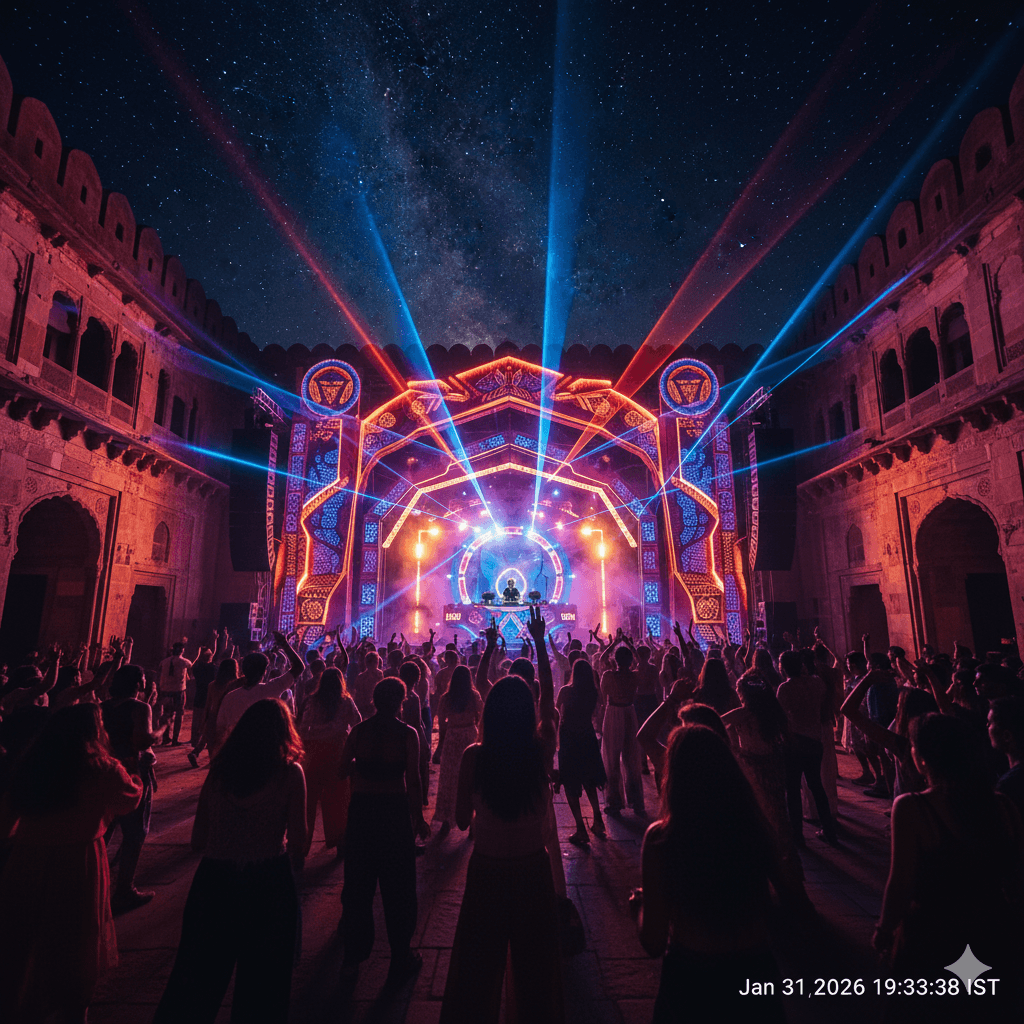
| Magnetic Fields | December 11 – 13 | A world-famous electronic music festival in Alsisar. | Modern beats meet ancient walls. |
My Personal Festival Favorites
- The Shekhawati Festival (Nawalgarh): This is the “Main Event” for anyone following a Shekhawati travel guide. It’s organized to promote the region’s heritage. You’ll see camel races, turban-tying competitions (it’s harder than it looks, trust me), and more folk dancing than you can shake a stick at.
- Magnetic Fields (Alsisar Mahal): This is the wild card. Imagine one of the world’s most sophisticated electronic music festivals held inside a stunning heritage fort. It’s where the “Brooklyn crowd” meets the “Rajasthan Royals.” If you like your history with a side of heavy bass and stardust, this is your pilgrimage.
- Holi in Shekhawati: Forget the “tourist Holi” of Jaipur. In towns like Mandawa, the celebrations are raw and incredibly spirited. The traditional Dhamal songs and the use of natural colors make it a soulful experience—just wear clothes you are 100% prepared to throw in the trash afterward.
- Gangaur: This is deeply personal and beautiful. Watching the local women in their finest Bandhani sarees carrying clay idols through the frescoed gates is like watching a painting come to life.
A Strategist’s Guide to Festival Travel
- Book 6 Months Early: Especially for Magnetic Fields or the Shekhawati Festival. The best heritage hotels vanish faster than a kachori at a breakfast stall.
- Transport Logistics: During festivals, some roads in the bazaars are closed to vehicles. Be prepared to walk, or better yet, hire a local rickshaw and enjoy the chaos.
- Respect the Rituals: These festivals are living traditions. Always ask before shoving a camera in someone’s face during a religious procession.
A Little Humor: I once tried to enter the turban-tying competition at the Shekhawati Festival. I ended up looking less like a noble Rajput and more like someone who had been attacked by a very long, very colorful snake. Stick to watching the pros!
13. Insider Secrets: Essential Travel Tips and Advice for Your Shekhawati Adventure
Listen, I’ve made the mistakes so you don’t have to. I’ve stepped in “mysterious” desert puddles, tipped the wrong caretaker, and definitely overpaid for a “vintage” brass lock that probably came from a factory in 2024. As your business strategist and mentor, I want your Shekhawati travel guide experience to be high-yield and low-stress.
Shekhawati isn’t like the rest of Rajasthan. It doesn’t scream for your attention; it whispers. To hear those whispers, you need to know the “rules of the road” that aren’t printed on the back of a tourist map.
The “Pro-Traveler” Strategy Table
| The Challenge | The “Expert” Solution | Why It Matters |
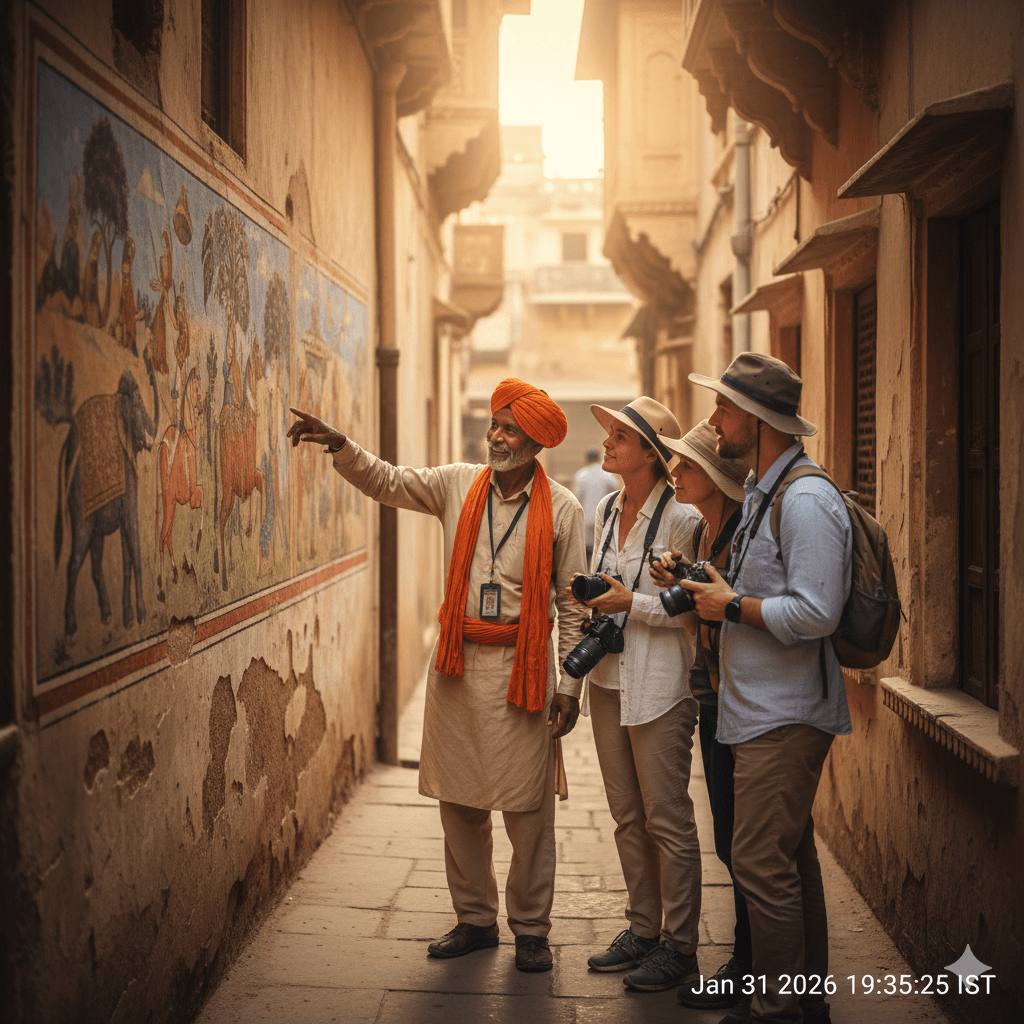
| Finding Open Havelis | Hire a local guide for at least half a day. | Many havelis are locked; guides have the “magic keys.” |
| Tipping | Keep small change (₹50-₹100) handy. | Caretakers of private havelis expect a small “honorarium.” |
| Navigating Alleys | Use an e-rickshaw or walk. | Google Maps is a liar in these narrow 19th-century lanes. |
| Photography | Shoot during the “Golden Hour” (7 AM or 5 PM). | The frescoes literally glow when the sun is at a low angle. |
My Top Tips for a Flawless Trip
- The “Guide” Investment: I usually advocate for solo wandering, but in this Shekhawati travel guide, I’m telling you: Get a guide. Many of the best paintings are hidden in private courtyards or “Gold Rooms” that stay locked. A local guide doesn’t just show you art; they open doors that are literally shut to the public.
- Cash is King (and Queen): While your fancy heritage hotel will take a card, the guy selling the best Malpuas in the Churu bazaar definitely won’t. ATMs can be as rare as a snowstorm in the Thar, so stock up on cash before you leave Jaipur or Delhi.
- Respect the “Private” in Private Property: Remember, many of these “Open-Air Art Gallery” masterpieces are still people’s homes. Always ask for permission before wandering into a courtyard. A simple “Namaste” and a smile go a lot further than a DSLR lens.
- The Layering Strategy: The desert is a moody beast. It’ll be freezing at 6 AM, a furnace at 2 PM, and chilly again by dinner. Wear layers. If you look like an onion, you’re doing it right.
A Strategist’s Advice on “Haveli Fatigue”
It’s a real thing. By the tenth haveli, you might find yourself saying, “Oh look, another elephant painting.” To avoid this, don’t do more than three havelis in a row. Break it up with a visit to a stepwell, a local market, or just a long, leisurely lunch.
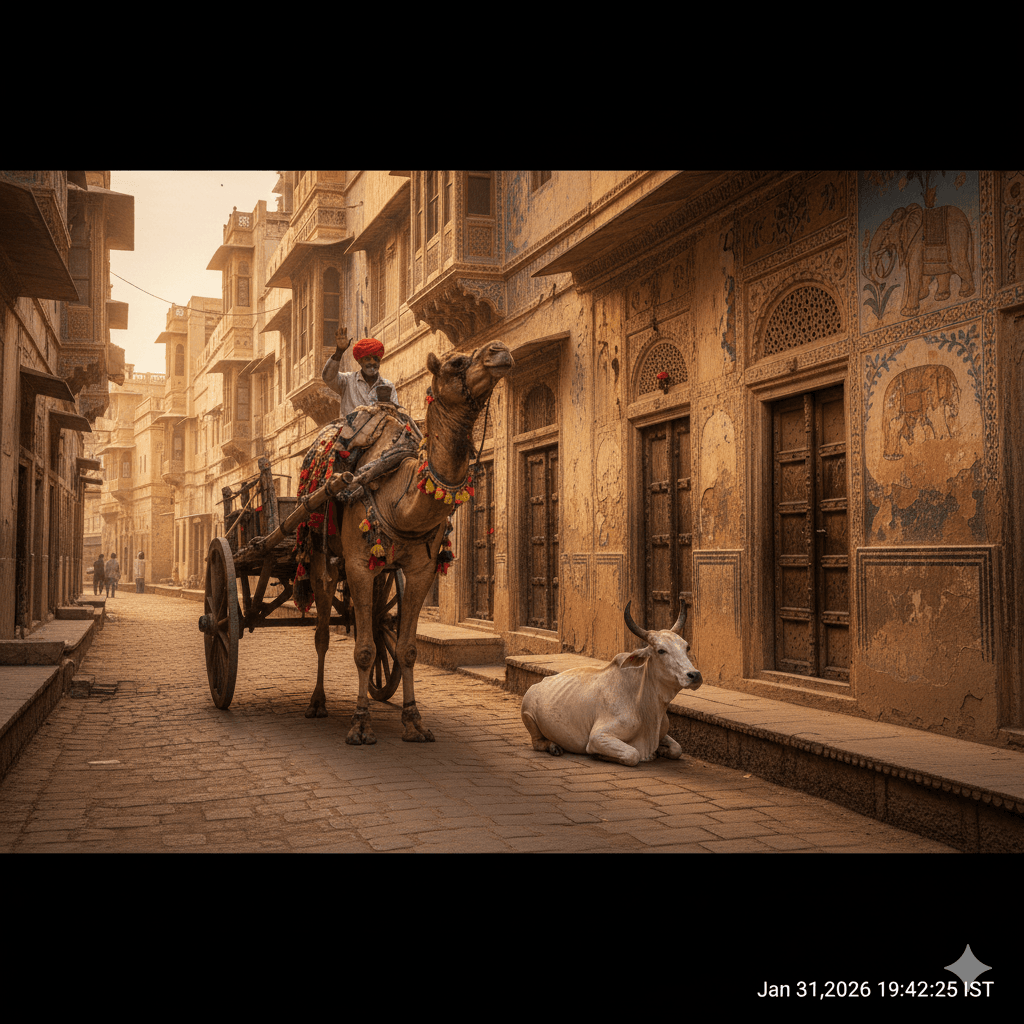
A Little Humor: If a cow decides to take a nap in the middle of a narrow street, do not try to negotiate with it. You will lose. In Shekhawati, the cow has the ultimate “Right of Way.” Take it as a sign from the universe to stop and grab another cup of masala chai.
14. Pack Like a Pro: The Ultimate Packing List and Trip Essentials for Shekhawati
As your business strategist, I know that “logistics” is just a fancy word for not having your day ruined because you forgot something basic. When I was prepping this Shekhawati travel guide, I realized that the “Open-Air Art Gallery” is essentially a giant, dusty, beautiful obstacle course.
If you pack like you’re going to a posh resort in Udaipur, you’re going to have a bad time. You need to pack for a mix of “19th-century archaeology student” and “desert explorer.” My bag is always a carefully curated ecosystem of gear designed to survive the heat, the dust, and the 400 photos I’m inevitably going to take before lunch.
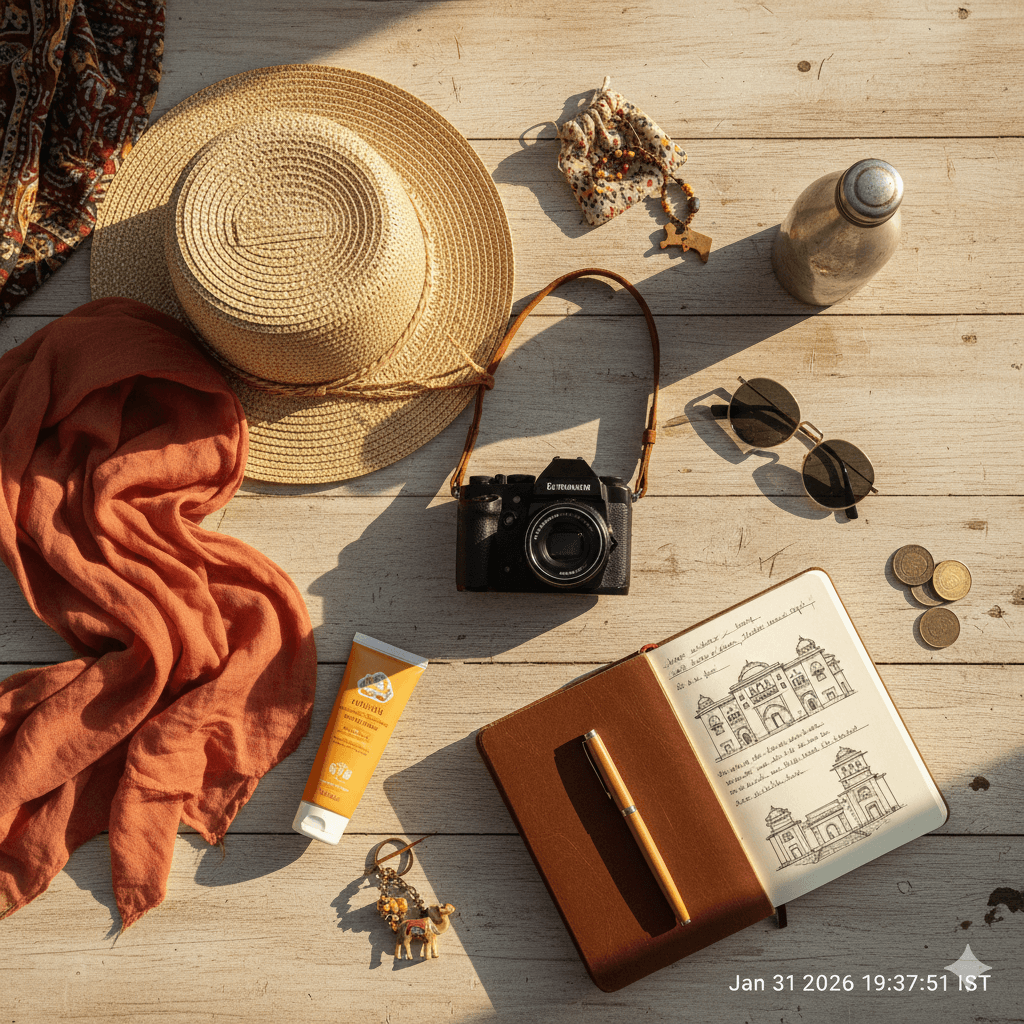
The “Survival & Style” Essentials
Here is the high-level audit of what should be taking up residence in your suitcase:
| Category | The Essential Item | Why It’s Non-Negotiable |
| Footwear | Broken-in walking shoes/sneakers | You’ll be walking on sand, cobblestones, and… cow-related obstacles. |
| Tech | High-capacity Power Bank | Using GPS and 4K video in the desert drains batteries faster than a camel drinks water. |
| Skin Care | SPF 50+ & Lip Balm | The dry desert air will turn your skin into parchment paper in 20 minutes. |
| Health | Basic First Aid & Digestion kit | Because sometimes the “Desert Fire” curry wins the first round. |
My “Personal Bag” Deep Dive
- The “Fresco-Friendly” Camera Gear: You don’t need a $10,000 setup, but a phone with a good Wide-Angle Lens is crucial. Some of the courtyards are tight, and if you want to capture the full scale of the murals, you need that extra field of view.
- The Scarf (The Swiss Army Knife of Travel): A lightweight cotton scarf is my secret weapon. It protects your neck from the sun, acts as a dust mask when a Jeep zooms past, and lets you enter temples respectfully without a wardrobe change.
- Hand Sanitizer & Wet Wipes: Let’s be real—you’re going to be touching old walls, shaking hands, and eating street food. A little hygiene goes a long way in ensuring your Shekhawati travel guide experience doesn’t end with a “day of rest” in the hotel bathroom.
- Portable Flashlight: No, your phone light isn’t enough. To see the details in the dark corners of the Sone Chandi ki Dukan or the deep vaults of a fort, a small, powerful LED torch is a game-changer.
A Strategist’s Advice on Clothing
Think Natural Fibers. Linen and cotton are your best friends. Synthetics will make you feel like you’re being slow-cooked in a plastic bag. Also, stick to “Earth Tones”—not just because they look great in photos against the blue and ochre walls, but because they hide the inevitable layer of desert dust much better than black or white.
A Little Humor: I once brought a pair of pristine white sneakers to Mandawa. By the end of Day 1, they were a shade of “authentic terracotta” that no laundry detergent could ever fix. I now call them my “Shekhawati Limited Editions.” Don’t be like me. Wear brown.
15. The Final Word: Why This “Open-Air Art Gallery” Belongs on Your Bucket List
We’ve dodged cows in narrow lanes, peered at gold-leafed ceilings until our necks ached, and probably ate enough Pyaaz Kachori to power a small village. So, why does it matter? As a strategist, I look at the “Value Proposition” of a destination. Most of Rajasthan offers you a seat in a restored palace; Shekhawati offers you a front-row ticket to a vanishing world.
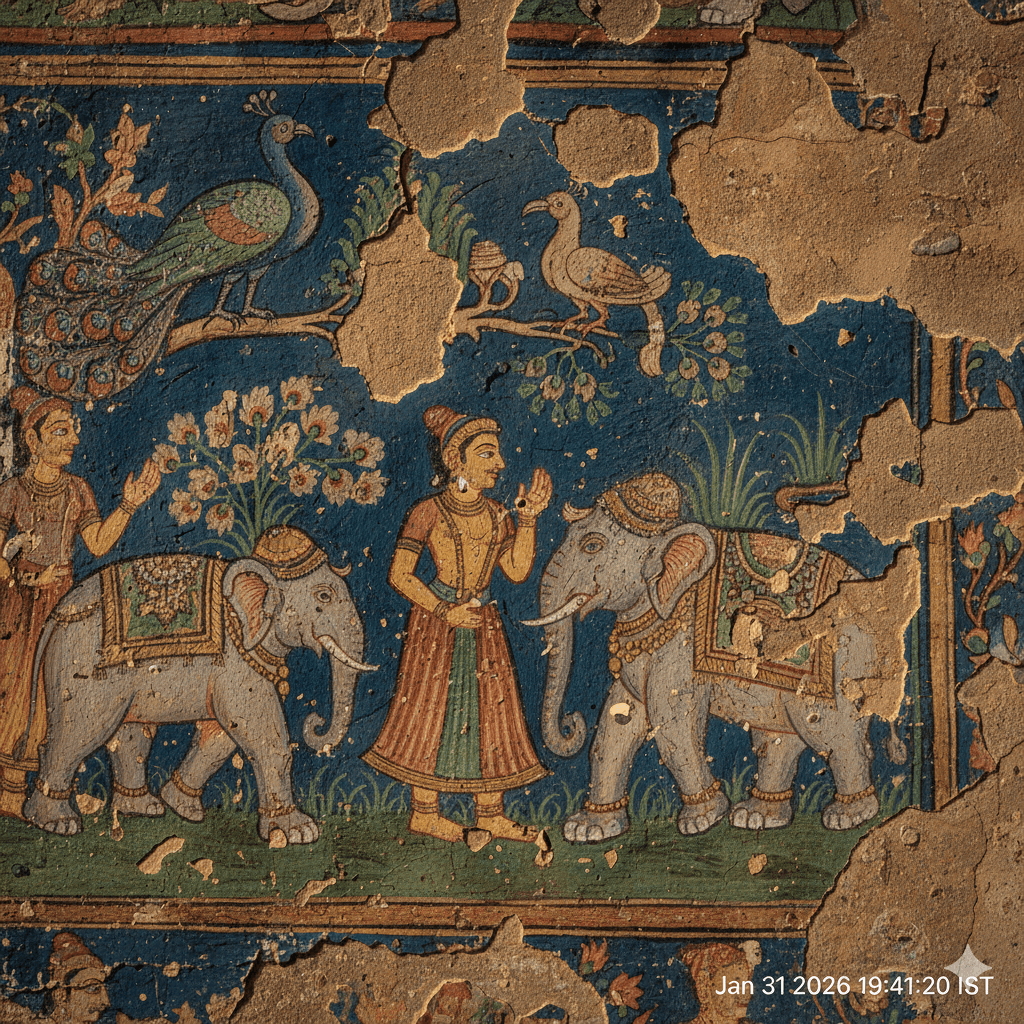
Every time I leave this region, I’m struck by the same thought: Shekhawati is the soul of Rajasthan without the filter. It’s raw, it’s authentic, and unlike the “Big Three” (Jaipur, Jodhpur, Udaipur), it hasn’t been polished into a tourist theme park yet. Using this Shekhawati travel guide isn’t just about sightseeing; it’s about participating in the preservation of the world’s largest “Open-Air Art Gallery.”
Why Shekhawati is a “Must-Visit” Right Now
If you’re still on the fence, here’s my business-case for why you should book that ticket today:
| The Benefit | What You Get |
| Authenticity | Zero crowds and real interactions with locals who aren’t tired of tourists. |
| Value for Money | High-end heritage luxury at a fraction of the cost of major cities. |
| Artistic Depth | A visual history of India’s transition from mythology to the Industrial Age. |
| Bragging Rights | Being the person who discovered “The Hidden Side” of Rajasthan. |
A Parting Thought for the Modern Traveler
The frescoes are fading. It’s the sad reality of an “Open-Air Art Gallery” exposed to the desert sun and monsoon rains. By visiting, staying in heritage havelis, and supporting local guides, you are providing the economic incentive needed to keep these walls standing. You aren’t just a tourist here; you’re a micro-patron of the arts.
- Don’t wait for the “perfect” time: The best time is now, while the murals still have their color and the towns still feel like secrets.
- Travel with curiosity: Ask the questions, peek into the courtyards, and let the history sink in.
- Share the story: Tell people about the “Painted Desert.” The more the world knows about this Shekhawati travel guide, the better the chances these masterpieces have for survival.
My Final “Strategic” Tip
If you only take one thing away from our time together, let it be this: Slow down. Shekhawati is not a “check-box” destination. It’s a place meant for long walks, second cups of tea, and staring at a wall until you notice the tiny, hand-painted bird hidden in the corner of a 200-year-old arch.
A Little Humor: If you get home and your walls look boring, don’t blame me. I warned you that this place ruins your expectations of interior design! You might find yourself wanting to paint a life-sized elephant in your living room. (Go for it, I won’t tell.)
16. The “Know Before You Go” Handbook: Important Info & Shekhawati FAQ
You’ve got the itinerary, the packing list, and the appetite—now let’s get down to the “boring but essential” business of actually making this trip happen. As your strategist, I know that even the most romantic Shekhawati travel guide can be derailed by a lack of logistics.
Consider this section the “fine print” of your desert expedition. I’ve rounded up the questions I get asked most often (and the ones I wish I’d asked before I ended up stranded at a rural train station with nothing but a bag of spicy peanuts).
Shekhawati Quick-Reference Logistics
| Question | The Quick Answer |
| Nearest Airport | Jaipur (JAI) – approx. 150 km / 3 hours away. |
| Best Way to Move | Private AC Cab (for speed) or Heritage Trains (for vibes). |
| Connectivity | 4G is decent in towns, but “Edge” is common in haveli courtyards. |
| Budget Level | Mid-range. Luxury is affordable; street food is nearly free. |
Frequently Asked Questions (The Real Talk)
- When is the absolute best time to visit the “Open-Air Art Gallery”?
- Go between October and March. If you go in June, you won’t be looking at frescoes; you’ll be looking for a way to climb inside a refrigerator. The desert heat is no joke.
- Is it safe for solo travelers (especially women)?
- Generally, yes! I’ve found the people here to be incredibly hospitable. However, because the towns are quiet and the lanes are narrow, I recommend being back in your heritage hotel by 8 or 9 PM. It’s not about danger; it’s just that the towns effectively “shut down.”
- How much should I tip the haveli caretakers?
- If a private haveli is opened specifically for you, ₹50 to ₹100 is a polite “thank you.” Think of it as a tiny admission fee that goes directly to the person keeping the dust off the history.
- Can I see Shekhawati as a day trip from Jaipur?
- You could, but you shouldn’t. As your strategist, I’m telling you: the “Return on Investment” for a day trip is terrible. You’ll spend 6 hours in a car to see two houses. Stay at least two nights to actually feel the rhythm of the place.
- Do I need to book a Shekhawati travel guide or can I DIY?
- You can DIY the walking, but a guide is your “All-Access Pass.” They know which families are home and which hidden rooms have the best-preserved paintings.
Important “Reality Check” Information
- The Roads: I mentioned it before, but it bears repeating: the “roads” in the bazaars are shared with cows, goats, camels, and the occasional adventurous pig. Wear closed-toe shoes.
- Photography Fees: Some of the more famous museum-havelis charge a camera fee (usually ₹100-₹250). It’s annoying, but it’s how they pay for the restoration. Just pay it—the photos are worth more than the price of a latte.
- Alcohol: Most heritage hotels serve it, but outside of those, it’s a “dry-ish” region. Don’t expect a craft beer bar on every corner.
A Strategist’s Final Advice
Keep a digital copy of your hotel address and the phone number of your driver. In the labyrinth of Mandawa or Churu, even the best travelers can get turned around.
A Little Humor: If you do get lost, just look for the nearest camel cart and follow it. It might not take you to your hotel, but it’ll definitely take you somewhere more interesting than where you were headed!

4 thoughts on “Shekhawati Travel Guide: Rajasthan’s Open-Air Art Gallery”
Comments are closed.