Trekking Kumbhalgarh to Ranakpur: 5 Secret Trails of Aravallis
1. Introduction: Finding My Footing in the Aravallis
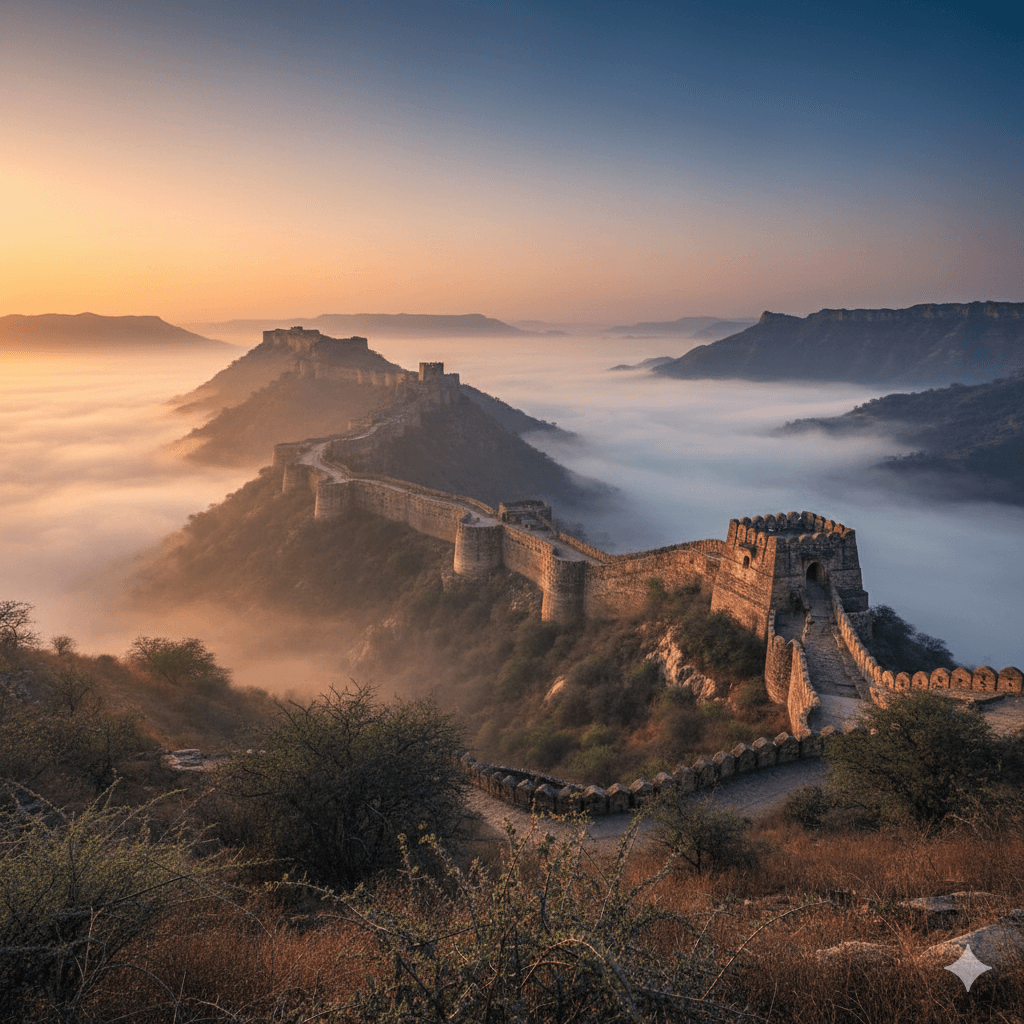
Trekking Kumbhalgarh to Ranakpur: I’ll be honest with you: at 3:00 AM, staring up at the moonlit ramparts of Kumbhalgarh Fort, my inner “business strategist” was questioning my life choices. Why swap a perfectly good ergonomic chair for a 1,100-meter vertical climb? But as the first light of dawn hit the “Great Wall of India,” I realized that Trekking Kumbhalgarh to Ranakpur isn’t just a workout—it’s a masterclass in endurance.
The air up here is different. It’s thin, crisp, and carries the faint scent of dried mahua flowers. This isn’t the Rajasthan you see on postcards—there are no sand dunes here. Instead, you’re met with rugged granite peaks and the dense, secretive canopy of the Kumbhalgarh Wildlife Sanctuary trek.
As I tightened my laces, I wasn’t just preparing for a walk; I was preparing to navigate 525 million years of geological history. Whether you’re a CEO looking for a “digital detox” or a backpacker chasing adrenaline, these trails offer a brand of silence you can’t buy.
Why This Trek Hits Different
If you’re wondering what you’re signing up for, here’s the “Executive Summary” of the trail vibes:
- The Physicality: You’re tackling a significant elevation change. Your glutes will remind you of this for three days.
- The Wildlife: This is leopard country. You aren’t just hiking; you’re a guest in someone else’s (very large, very furry) living room.
- The Reward: Ending a grueling hike at the marble-carved serenity of Ranakpur is the ultimate “ROI.”
The Trek at a Glance: Kumbhalgarh to Ranakpur
| Feature | Details |
| Total Distance | Approx. 14km to 16km (depending on the “secret” turnoffs) |
| Elevation Gain | ~1,100 meters (The “Leg Day” of Champions) |
| Difficulty Level | Moderate to Strenuous (Bring your grit) |
| Trail Terrain | Granite rocks, thorny scrub, and ancient forest floors |
| Best Time to Start | 06:00 AM (Unless you enjoy melting under the Rajasthani sun) |
I learned very quickly that Trekking Kumbhalgarh to Ranakpur requires more than just fancy boots; it requires a sense of humor—especially when a Gray Langur decides to critique your climbing form from a nearby Banyan tree.
Trust me, when you finally look down from the ridge and see the Aravalli range rolling out like a green velvet carpet, you’ll realize that the 1,100-meter climb was the best investment you made all year.
2. The “Big Five”: Secret Trails Revealed
If the Aravallis had a “board of directors,” these five trails would be the majority shareholders. Most tourists stick to the main fort road, but as a strategist, I know the real value is found in the “blue ocean” territories—those hidden paths where the only footsteps you see might belong to a four-legged local.
While Trekking Kumbhalgarh to Ranakpur, I discovered that these routes aren’t just paths; they are historical corridors. One moment you’re on a trail used by Maharana Pratap’s scouts, and the next, you’re navigating a technical descent that makes a HIIT workout look like a nap.
Here is my personal breakdown of the “Big Five” trails that turn a standard hike into an epic Kumbhalgarh Wildlife Sanctuary trek.
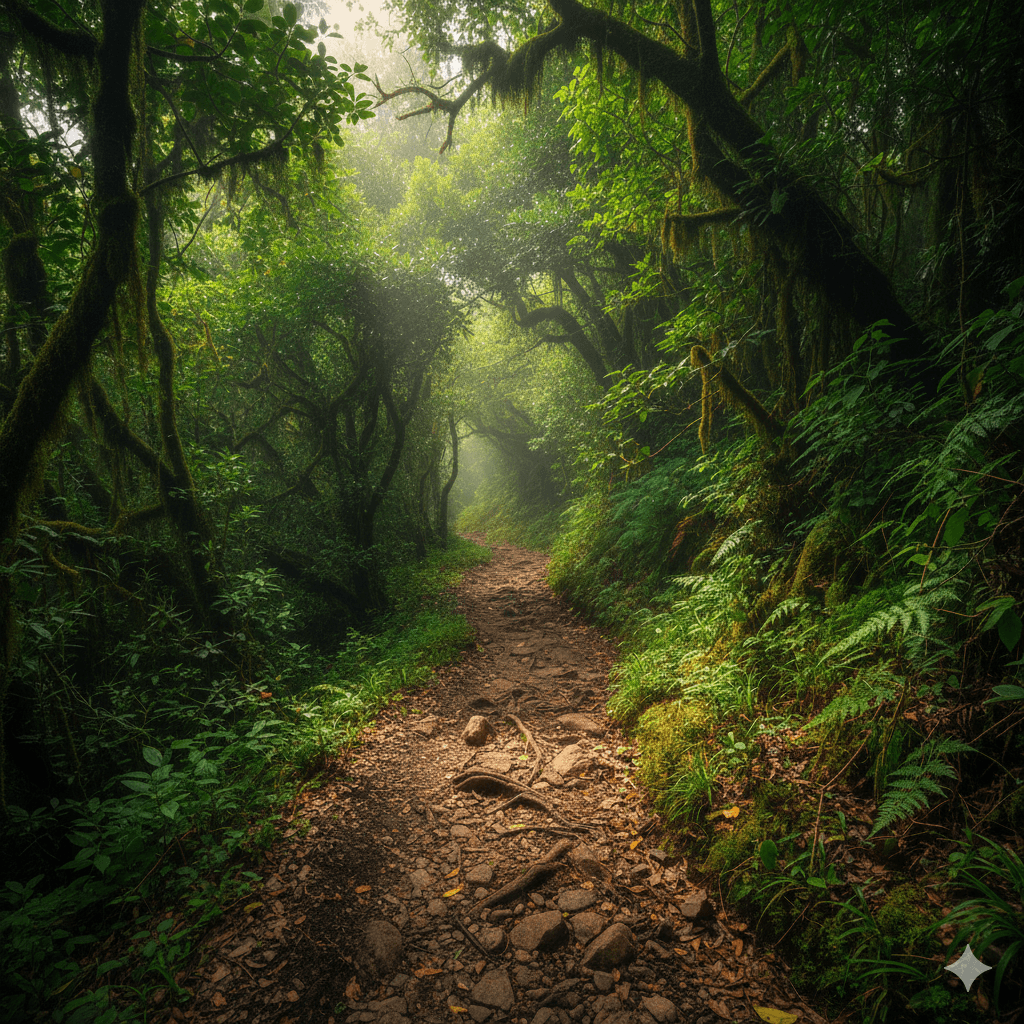
The Trail Comparison Matrix
| Trail Name | The “Vibe” | Technicality | Secret Sauce |
| The Royal Rampart Run | Grandiose & Windy | Low | Walking the world’s 2nd longest wall. |
| The Sanctuary Deep-Dive | Raw & Wild | High | High chance of spotting antelope or owls. |
| Foota Deval Path | Historical & Rugged | Medium | The original “Secret Path” to Ranakpur. |
| Parshuram Cave Ascent | Spiritual & Vertical | Strenuous | 500+ steps followed by a ridge walk. |
| The Tribal Thirst Trail | Cultural & Arid | Low | Interaction with the local Bhil shepherds. |
1. The Royal Rampart Run (The “Great Wall” Warm-up)
Before diving into the forest, I spent an hour on the fort walls. It’s 36 kilometers of solid masonry.
- Pro Tip: Don’t try to walk the whole 36km unless you’ve retired and have nothing but time.
- The View: You can see the desert of Marwar on one side and the lush Aravallis on the other. It’s the ultimate geographic “pivot.”
2. The Sanctuary Deep-Dive (The Predator’s Playground)
This is the heart of the Kumbhalgarh Wildlife Sanctuary trek. This trail drops off the backside of the fort into dense Dhok forest.
- The Experience: It’s quiet. Too quiet. You’ll hear the “alarm call” of a Deer—that’s your cue that a Leopard might be nearby.
- Humor Note: My guide told me not to worry because I’m “too fast to catch.” I didn’t tell him I was actually just shivering.
3. The Foota Deval to Ranakpur (The 1,100-Meter Descent)
This is the “Investor’s Choice.” It’s a 15km technical descent that drops you from the high-altitude fortress down to the valley floor.
- Why it’s secret: The trailhead is hidden behind an ancient temple ruin.
- The Challenge: Your knees will negotiate with you. I recommend trekking poles—or what I call “emergency leg extensions.”
4. The Parshuram Cave Ascent (The Lung-Buster)
This trail is actually a pilgrimage. You climb up to a cave temple where a sage supposedly meditated.
- The Stat: 500 stone steps. It’s like the StairMaster from hell, but with a better view.
- The Reward: Cold spring water at the top that tastes better than any premium bottled brand.
5. The Tribal Thirst Trail (The Human Element)
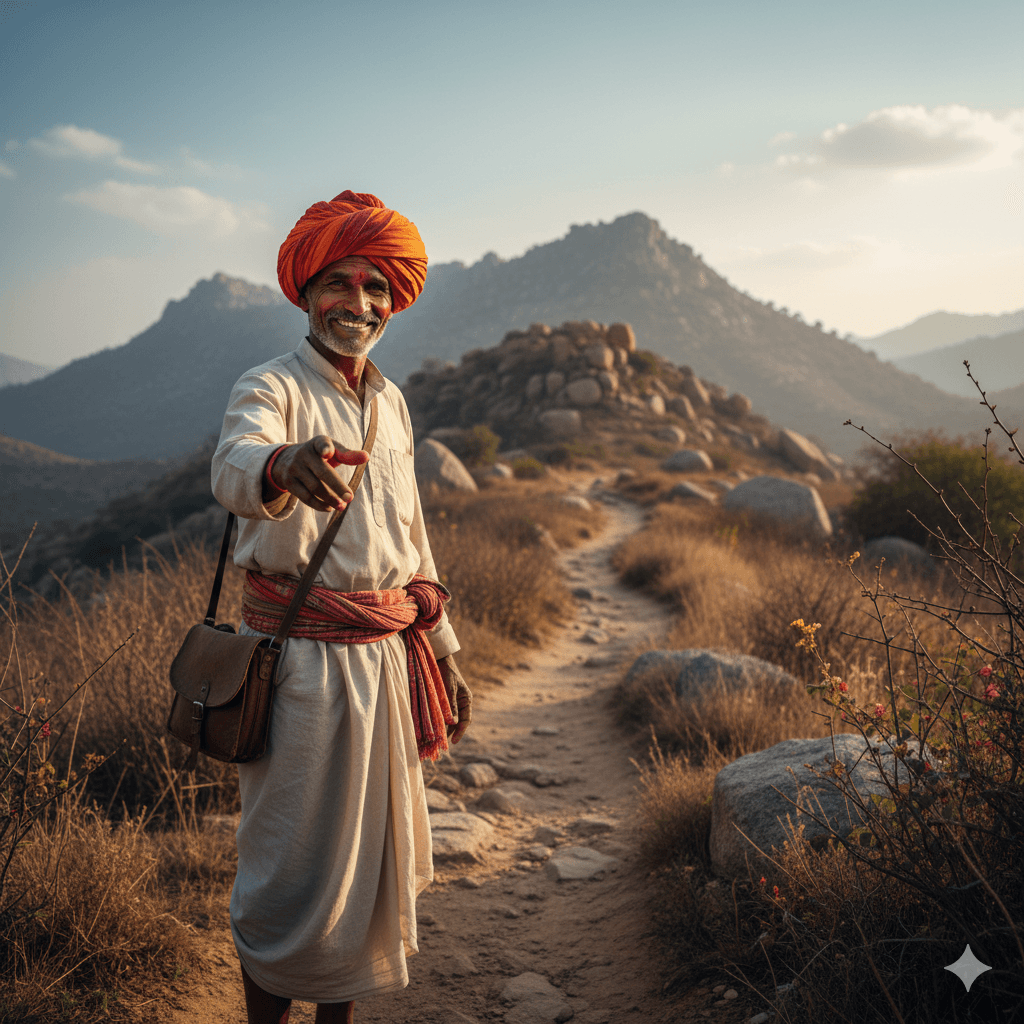
This path follows the seasonal riverbeds used by the Bhil tribal.
- Key Takeaway: You’ll see how they manage water in the mountains. It’s a lesson in resource management that no MBA can teach you.
- Visuals: Bright red turbans against the golden-brown scrubland.
Trekking the Aravallis taught me that the best “ROI” comes when you leave the paved road. These trails are challenging, sure, but the stories you gather at 1,100 meters up are the ones that actually stick.
3. Sightseeing: Beyond the Trekking Boots
Let’s be real: as much as I love the “crunch-crunch” of gravel under my boots, even a business strategist knows you need a solid “Product Display” to make the effort worth it. If you spend your whole time Trekking Kumbhalgarh to Ranakpur with your eyes glued to your shoelaces, you’re missing the architectural dividends of the Aravallis.
After surviving the 1,100-meter descent, my legs felt like overcooked noodles, but the sight of these landmarks acted like an immediate shot of espresso. We aren’t just looking at old rocks here; we’re looking at the ultimate “Moat Strategy” and some of the most intricate craftsmanship on the planet.
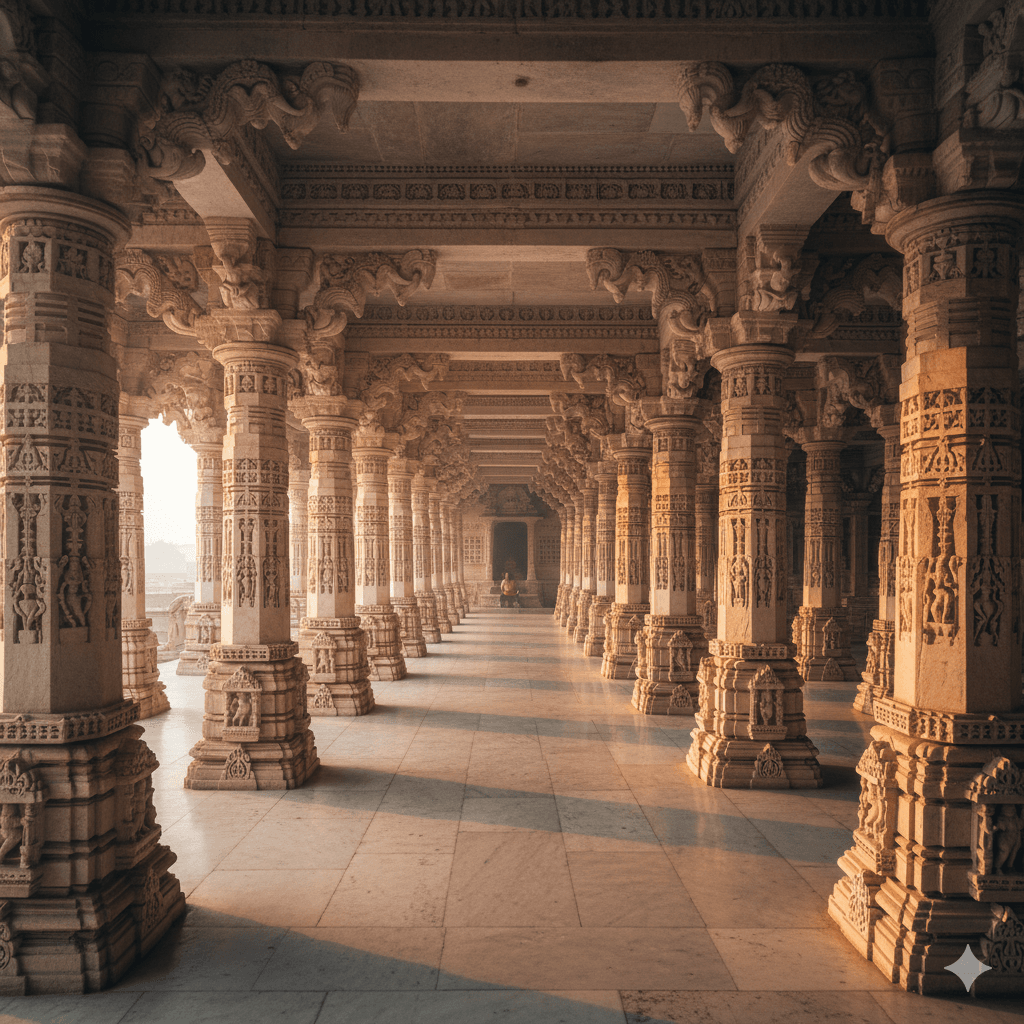
The Sightseeing “Equity” Table
| Destination | Why It’s a “Blue Chip” Asset | Best Time for Photos |
| Kumbhalgarh Fort | The “Great Wall of India”—impenetrable. | Sunrise (Golden hour hits the stone perfectly) |
| Ranakpur Jain Temple | 1,444 unique pillars. Pure marble magic. | 12:00 PM – 2:00 PM (Light play is wild) |
| Badal Mahal | The “Palace of Clouds” at the very peak. | Late Afternoon (Best 360-degree views) |
| Neelkanth Mahadev | Massive 5-foot high stone Shiva Lingam. | Early Morning (Very peaceful) |
The Crown Jewels of the Trail
- Kumbhalgarh Fort (The Powerhouse): This is where your journey begins. Built by Rana Kumbha in the 15th century, it has a wall that stretches 36 kilometers. To put that in perspective, that’s enough distance for a full marathon plus a cool-down walk. It’s so massive it’s visible from space. I felt tiny standing on the ramparts—a great ego-check for any high-flyer.
- The 1,444 Pillars of Ranakpur: When you finish Trekking Kumbhalgarh to Ranakpur, this is your “finish line.” The Jain Temple is carved entirely out of light-colored marble. Here’s the kicker: out of the 1,444 pillars, no two are carved alike. It’s the ultimate lesson in attention to detail. I tried to find two the same just to prove the guide wrong—I failed miserably.
- Badal Mahal (The “Penthouse” Suite): Located at the highest point of the fort, this palace was designed for the royal family to stay cool. It’s split into two sections: the Zenana (for ladies) and Mardana (for men). The pastel-colored murals here are still surprisingly vivid. Standing here, you realize why they called it the “Palace of Clouds”—you’re literally looking down on the weather.
- The Sun Temple (Lohargal):Often overlooked by the crowds heading to the main Jain temple, this 13th-century structure is dedicated to the Sun God. It features a polygonal plan and is incredibly “Instagrammable” without the 2-hour wait for a clear shot.
A Strategist’s Tip for Sightseeing:
Don’t just “tour”—observe. Notice how the fort’s architecture uses the natural curves of the Aravalli hills to its advantage. In business terms, that’s called “Leveraging your Environment.”
Humor Note: If you’re like me and your “camera” is just your phone, make sure your battery is charged. I took so many photos of the marble carvings at Ranakpur that my phone gave me a “Low Storage” warning—the digital equivalent of a white flag.
4. Tailored Experiences: Something for Everyone
As a business strategist, I know that “one size fits all” is a recipe for a marketing disaster. The same applies to Trekking Kumbhalgarh to Ranakpur. While I might enjoy the masochistic thrill of an 1,100-meter vertical climb, I realize my partner might prefer a quiet afternoon sketching marble pillars, and my tech-obsessed friends are just looking for the best drone spot.
The beauty of the Aravallis is that it’s a multi-segment market. Whether you are here to burn calories, find your soul, or just take the perfect “out-of-office” selfie, there is a “vertical” designed specifically for you.
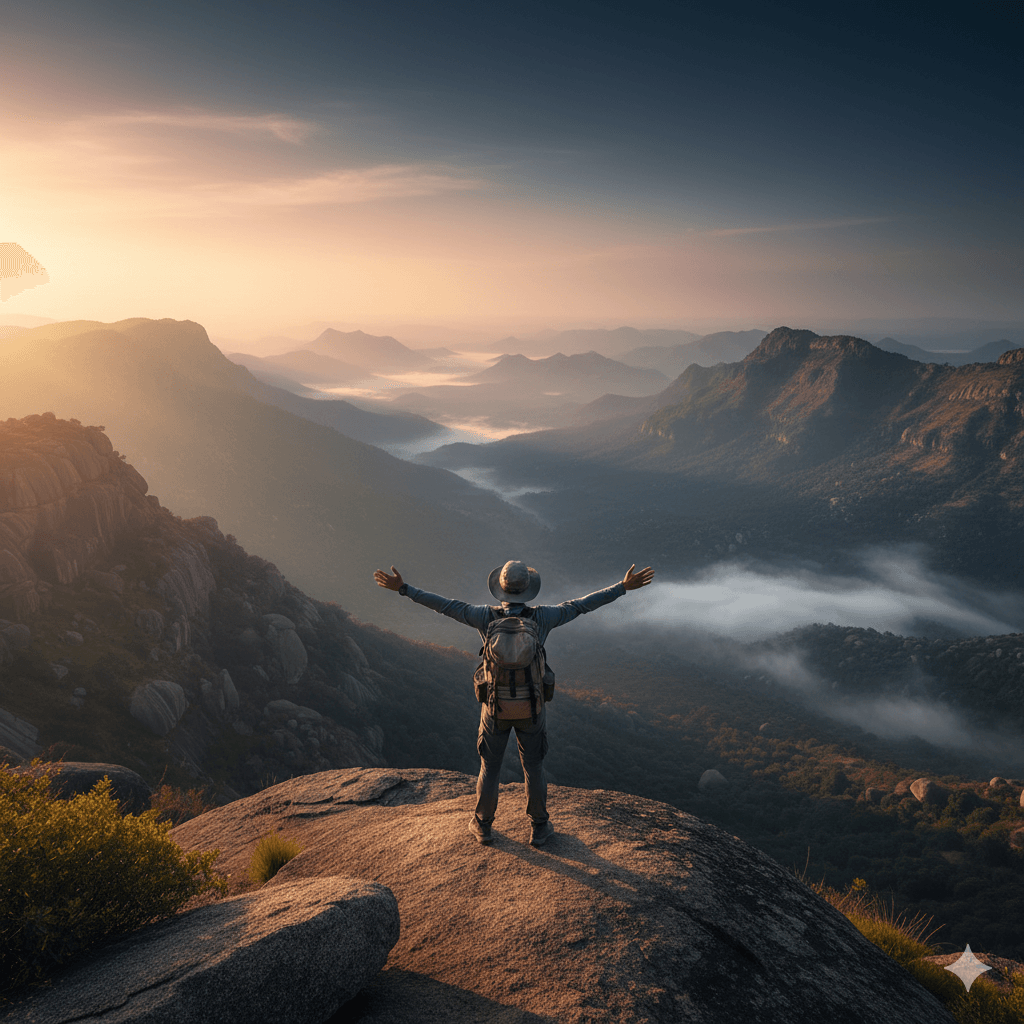
Segmenting the Aravalli Experience
| Interest Group | The “Must-Do” Activity | Success Metric |
| The Adrenaline Junkie | Night Safari in the Wildlife Sanctuary | Heart rate over 140 BPM |
| The History Buff | Private Guided Tour of Badal Mahal | Fact-checking the guide |
| The Peace Seeker | Meditation at Ranakpur Sun Temple | Zero unread notifications |
| The Foodie | Traditional Chulha meal in a Bhil village | At least two servings of Churma |
Finding Your Niche in the Hills
- The Adrenaline Junkie (The “Growth Hacker”):If the 6-hour trek isn’t enough, try the Zipline at Kumbhalgarh. It’s a series of lines that let you fly over the valley with the fort as your backdrop. It’s the closest you’ll get to feeling like a royal messenger on a deadline. Also, the night safaris offer a chance to spot leopards—nothing sharpens the senses like a pair of glowing eyes in the dark!
- The Spiritual Soul (The “Internal Auditor”):After Trekking Kumbhalgarh to Ranakpur, your legs will be tired, but your mind will be wide open. Head to the Ranakpur Jain Temple early in the morning before the tour buses arrive. The silence inside the marble halls is heavy and healing. It’s the perfect place for some “Quarterly Self-Reflection.”
- The Photography Pro (The “Creative Director”):Your “KPI” here is lighting. The Mammadev Cenotaphs just below the fort are a hidden gem. These carved stone structures are rarely visited, meaning you can set up your tripod without a tourist “photobombing” your long exposure.
- Families & Multi-Gen Travelers:Not everyone can handle a 1,100-meter climb. For the kids and older people, I recommend the Horse Safari. The Mewari horses are legendary for their stamina and “closed-ear” tips. It’s a royal way to see the sanctuary without the blisters.
A Strategist’s Note on “Experience ROI”:
Don’t try to do it all. Pick the trail that matches your current energy levels. If your “human capital” is low after a long work week, opt for the sunset jeep safari first, then tackle the trek the next morning.
Humor Note: My “Interest Group” fluctuated wildly during the trip. I started as an “Adrenaline Junkie” at the trailhead and ended as a “Peace Seeker”—mostly because I was too tired to speak and just wanted to sit on a marble floor forever.
5. Nightlife & Adventure: Aravallis After Dark
If your idea of “nightlife” involves neon lights and a thumping bassline, the Aravallis might give you a bit of a culture shock. As a business strategist, I call this a “market pivot.” Out here, the strobe lights are replaced by the Milky Way, and the only “VIP list” you want to be on is the one the local leopards aren’t checking for snacks.
After a day spent Trekking Kumbhalgarh to Ranakpur, the transition from golden hour to deep indigo is where the real magic happens. The energy shifts from the physical grind of the 1,100-meter climb to a primal, sensory experience. It’s quiet, it’s dark, and it’s incredibly adventurous if you know where to look.
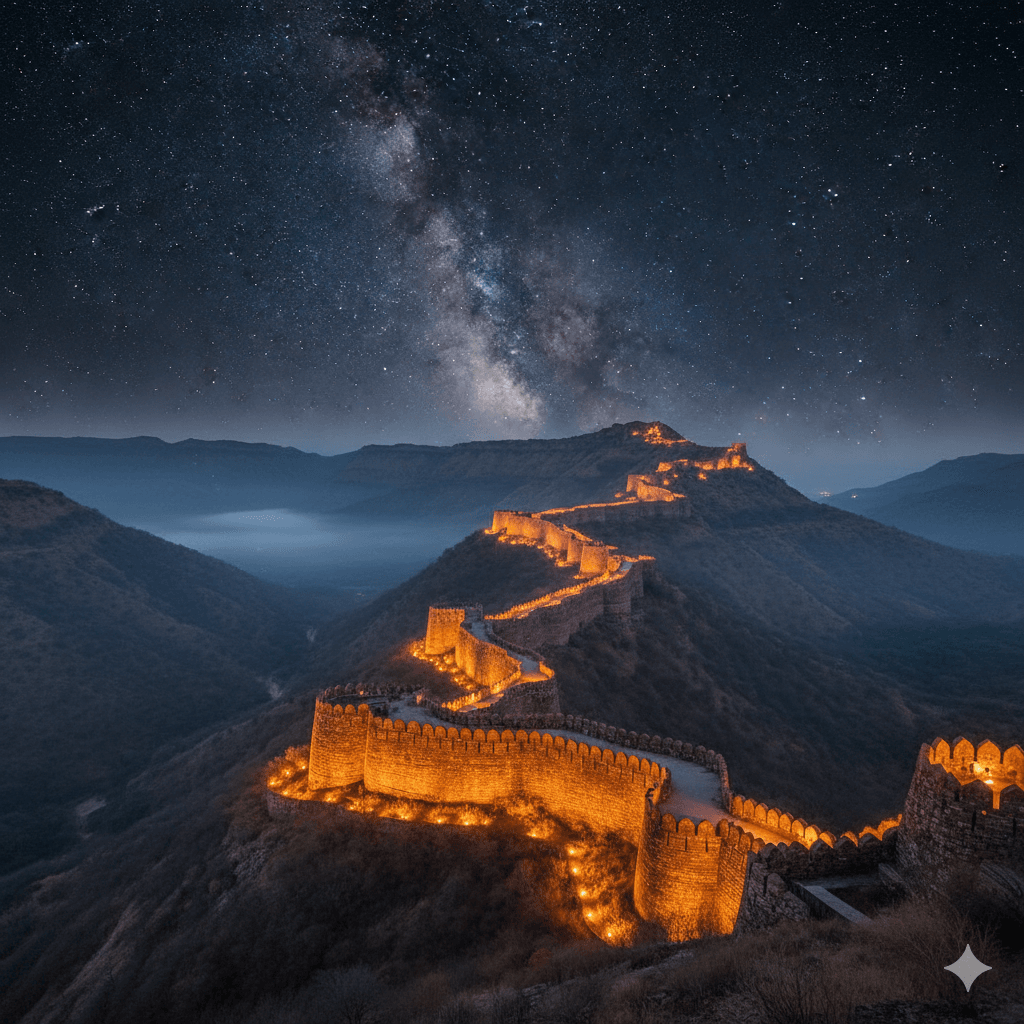
The “After Hours” Adventure Menu
| Activity | Adrenaline Level | Strategy Tip |
|---|---|---|
| Leopard Tracking Safari | High | Use a red-light filter for better spotting. |
| Fort Light & Sound Show | Low | Arrive 20 mins early for the best “executive” seating. |
| Aravalli Stargazing | Low (Mental High) | Download an offline star map app beforehand. |
| Night Ridge Walking | Extreme | Only attempt with a certified local Bhil guide. |
Where the Wild Things Are (And What to Do)
- The Leopard “Boardroom” (Night Safaris):
The Kumbhalgarh Wildlife Sanctuary doesn’t sleep. Taking a 4×4 into the scrubland at night is a lesson in patience. We sat in silence for forty minutes before a pair of amber eyes reflected our torchlight. It’s a humbling reminder that no matter how big your “corporate title” is, you’re definitely not at the top of the food chain out here. - The “Great Wall” in Lights:
Every evening, the Kumbhalgarh Fort is illuminated by thousands of floodlights. Standing on a nearby ridge after Trekking Kumbhalgarh to Ranakpur and seeing that golden snake of light slithering across the mountains is the ultimate visual ROI. It’s the kind of “office view” that makes you forget your inbox exists. - Astro-Tourism (The Ultimate Ceiling):
Because there is zero light pollution, the Aravallis offer a “Bortle Class 2” sky. I spent an hour lying on a flat granite rock just identifying constellations. It’s the best “meditation app” I’ve ever used, and it’s completely free. - The Sound of History:
The Light and Sound show at the fort (usually starts around 7:30 PM) narrates the history of the Mewar dynasty. It’s a bit dramatic—think Bollywood meets History Channel—but it provides the essential context for the trails you just conquered.
A Strategist’s Advice on Night Adventure:
“Risk Management” is key. The Aravallis are rugged. If you’re heading out after sunset, even for a short walk near your camp, always carry a high-lumen headlamp and a whistle.
Humor Note: I tried to be “one with nature” by sitting in total darkness for five minutes. Then a cricket jumped on my neck, and I performed a choreographed dance move that hasn’t been seen since 1997. Nature: 1, Strategist: 0.
6. Nearby Gems: Expanding the Horizon
In the world of business, we call this “Horizontal Integration”—expanding your reach into adjacent markets to maximize your returns. Once you’ve conquered the grueling 1,100-meter climb and finished Trekking Kumbhalgarh to Ranakpur, don’t just pack up and head home. The area surrounding these two anchors is packed with “undervalued assets” that most tourists drive right past.
I decided to stay an extra two days to scout the perimeter, and let me tell you, the Aravallis have a lot more than just one fort and one temple up their sleeve. If you have the “resource capacity,” these nearby spots are the perfect way to round out your itinerary.
The “Extended Portfolio” of Nearby Attractions
| Location | Distance from Base | Best For | Time Required |
| Haldighati | ~45 km | History buffs & Patriotism | 2-3 Hours |
| Rajsamand Lake | ~50 km | Sunset & Relaxation | 1.5 Hours |
| Muchhal Mahavir | ~5 km from Ranakpur | Quirky Architecture | 30 Minutes |
| Hammeripal Lake | ~2 km from Kelwara | Crocodile Spotting | 1 Hour |
Where to Pivot Your Journey Next
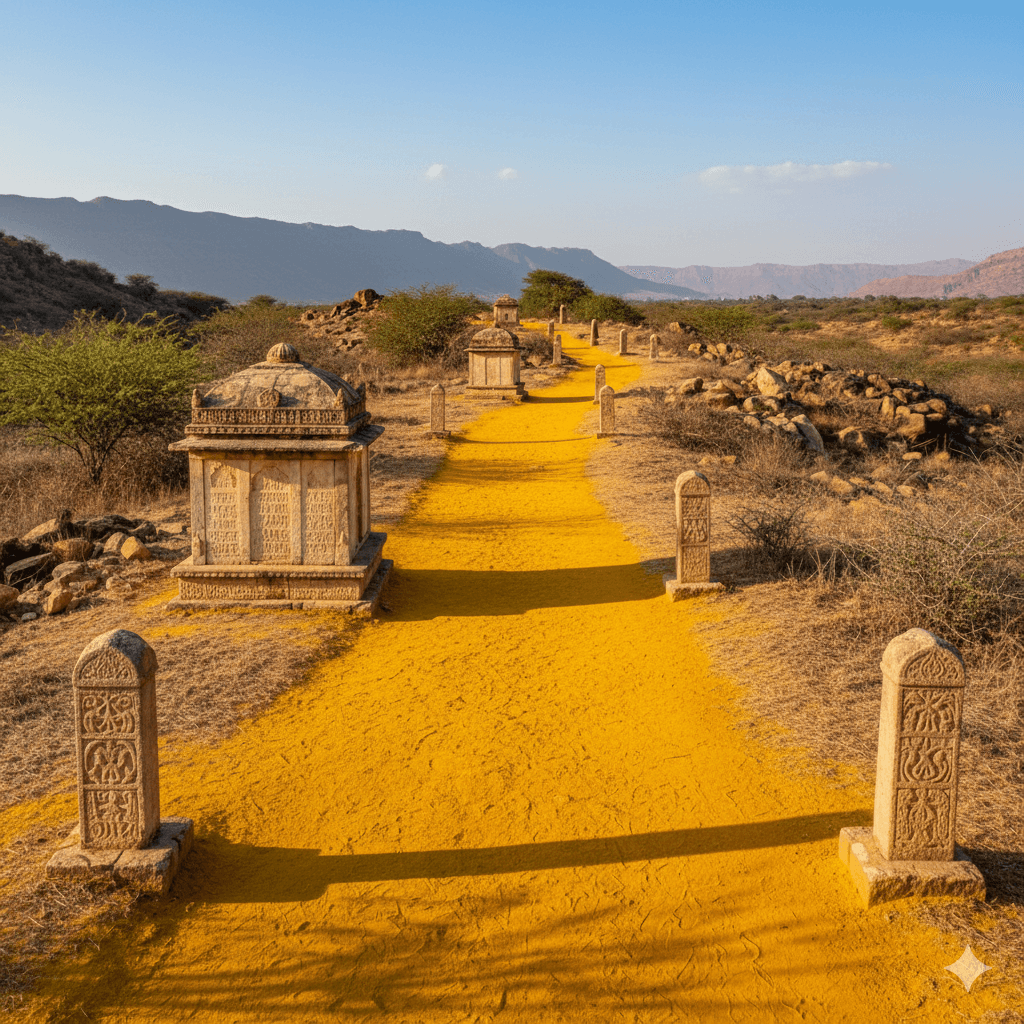
- Haldighati (The Golden Pass):This is the site of the legendary battle between Maharana Pratap and the Mughal Empire. The soil here is literally turmeric-yellow (hence the name Haldi). It’s a somber, powerful place. I visited the museum here, and while the animatronics are a bit “vintage,” the storytelling is top-tier. It’s a lesson in “Resilience Strategy” if I’ve ever seen one.
- Muchhal Mahavir (The Temple with a Mustache):Yes, you read that right. Located inside the sanctuary near the Ranakpur end of the trail, this temple features a statue of Lord Mahavir with a mustache. The legend involves a king, a joke, and a miracle. It’s a great “low-stakes” stop after the high-stakes intensity of Trekking Kumbhalgarh to Ranakpur.
- Rajsamand Lake (The Post-Trek Cool Down):If your knees are still filing a formal complaint about the 1,100-meter descent, head to this massive 17th-century lake. The Nau Chowki (nine pavilions) are carved with intricate images of gods, birds, and chariots. Watching the sunset here is the ultimate “de-stressing” protocol.
- The Crocodiles of Hammeripal:Near the town of Kelwara (the gateway to Kumbhalgarh), there’s a lake famous for its “friendly” crocodiles. Locals often feed them, and you can see these prehistoric “senior managers” sunbathing on the banks.
- Strategist’s Tip: Observe from a distance. Crocodiles don’t care about your LinkedIn profile.
A Strategist’s Advice on Itinerary Expansion:
Don’t suffer from “Scope Creep.” If you only have one extra afternoon, choose Haldighati. It provides the historical “backstory” that makes the walls of Kumbhalgarh feel even more significant.
Humor Note: I told my guide I wanted to see the crocodiles. He pointed to a log. I stared at the log for ten minutes, convinced it was a masterpiece of camouflage. Turns out… it was actually just a log. The real crocodile was three feet to the left, judging my observation skills.
7. The Shopping Haul: What to Take Home
In the corporate world, we talk about “tangible assets.” When you’re Trekking Kumbhalgarh to Ranakpur, your tangible assets aren’t just the photos on your cloud drive; they’re the handcrafted marvels you find in the small hamlets and temple bazaars along the way.
Let’s be honest: after conquering a 1,100-meter climb, you’ve earned the right to engage in some “retail therapy.” But as your strategist, I’m advising you to avoid the plastic “Made in China” trinkets. We’re looking for high-equity, locally-sourced goods that support the village economy and look great in your living room (or your home office).
The Souvenir “Investment Portfolio”
| Item | Quality Rating | Portability | Why Buy It? |
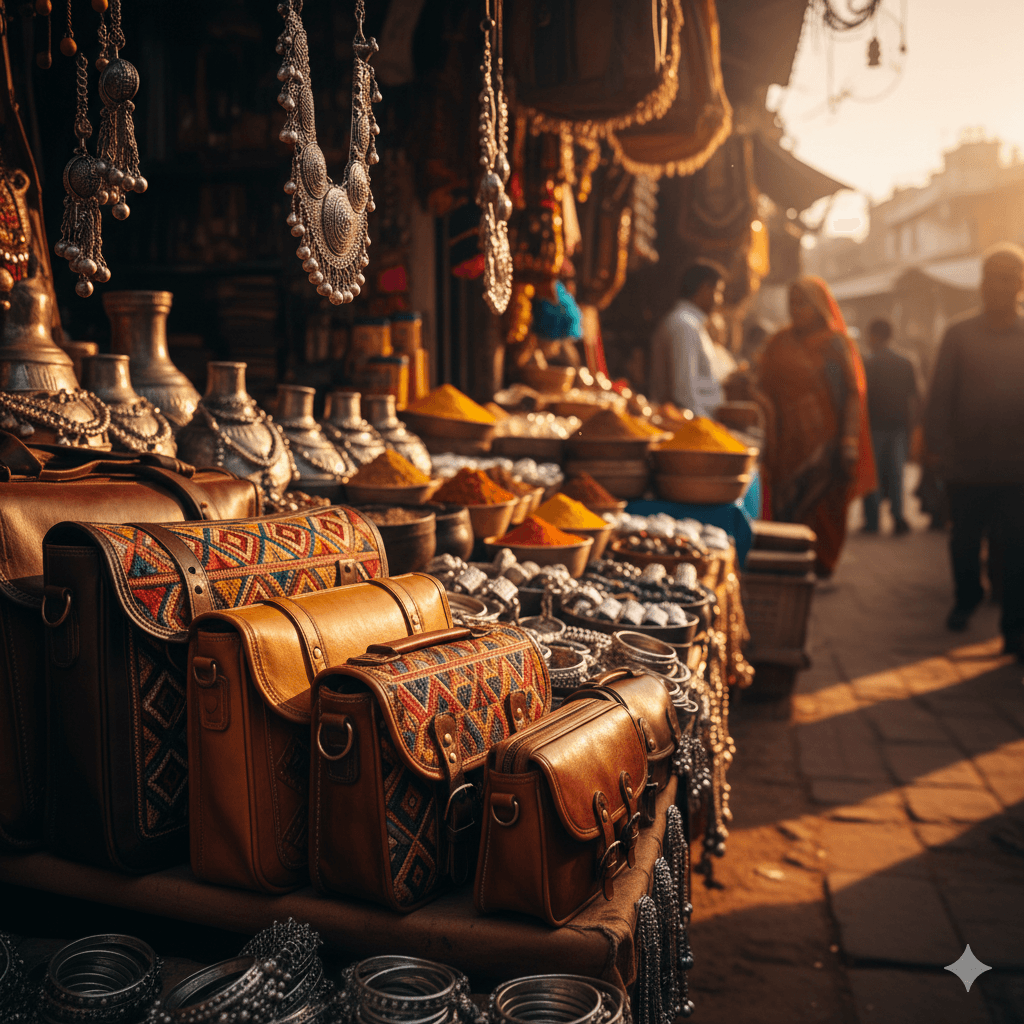
| Camel Leather Bags | A+ (Durable) | Medium | Hand-stitched and gets better with age. |
| Pichwai Paintings | High (Collectable) | High (Can be rolled) | Intricate religious art from nearby Nathdwara. |
| Terracotta Pottery | Delicate | Low | Authentic Molela craft from the riverbanks. |
| Silver Tribal Jewelry | High | Very High | Raw, chunky designs worn by the Bhil tribal people. |
Where to Allocate Your Budget
- The Camel Leather Goods of Kelwara: Right at the base of the fort, you’ll find shops selling leather that has been cured using traditional desert methods. I picked up a pair of Jutis (traditional shoes) that are surprisingly comfortable once you break them in.
- Strategist’s Tip: Real camel leather has a specific scent. If it smells like chemicals, walk away—that’s a “bad merger.”
- Molela Terracotta (Vibrant Wall Art):If you have room in your luggage (or a very patient courier), look for the clay plaques from Molela. These depict local folk deities and scenes from village life. It’s a “limited edition” craft that’s only found in this specific geographic cluster.
- Pichwai Art (The Masterpiece):While Trekking Kumbhalgarh to Ranakpur, you’re only a short drive from Nathdwara, the global hub for Pichwai. These are large-scale paintings on cloth depicting Lord Krishna. They are basically the “Blue Chip stocks” of the Rajasthani art world.
- Tribal Silver & Beads:In the local weekly markets (haats), you can find the raw silver jewelry worn by the mountain tribal people. It’s heavy, unpolished, and has a “brutalest” aesthetic that beats anything you’d find in a luxury mall.
A Strategist’s Advice on Bargaining:
In the Aravallis, bargaining is a “consultative sales process.” Don’t be aggressive. Start at 60% of the quoted price, smile, and find a middle ground. If you buy more than one item, you’ve gained “bulk-buying leverage”—use it!
Humor Note: I tried to bargain for a hand-woven rug. I used my best “negotiation face,” only to realize I was accidentally arguing over a difference of about 50 cents. The weaver looked at me, I looked at my expensive trekking boots, and I just paid the full price. Market research completed.
8. The “Aravalli Thali”: Things to Eat
After Trekking Kumbhalgarh to Ranakpur and burning enough calories to power a small village for a week, your body is going to demand a “capital injection” of nutrients. In this part of Rajasthan, we don’t do “salads” or “light bites.” We do food that is built for warriors, kings, and people who just climbed 1,100 meters.
As a strategist, I view food as “operational fuel.” In the Aravallis, the local cuisine is a masterclass in supply chain management—using ingredients that survive the arid mountains but taste like a five-star feast. Forget your macros for a minute; we’re looking for high-energy ROI.
The “Mountain Fuel” Menu
| Dish | Key Ingredients | Energy Rating | Why Your Body Needs It |
| Ker Sangri | Desert beans & berries | High | Packed with minerals for recovery. |
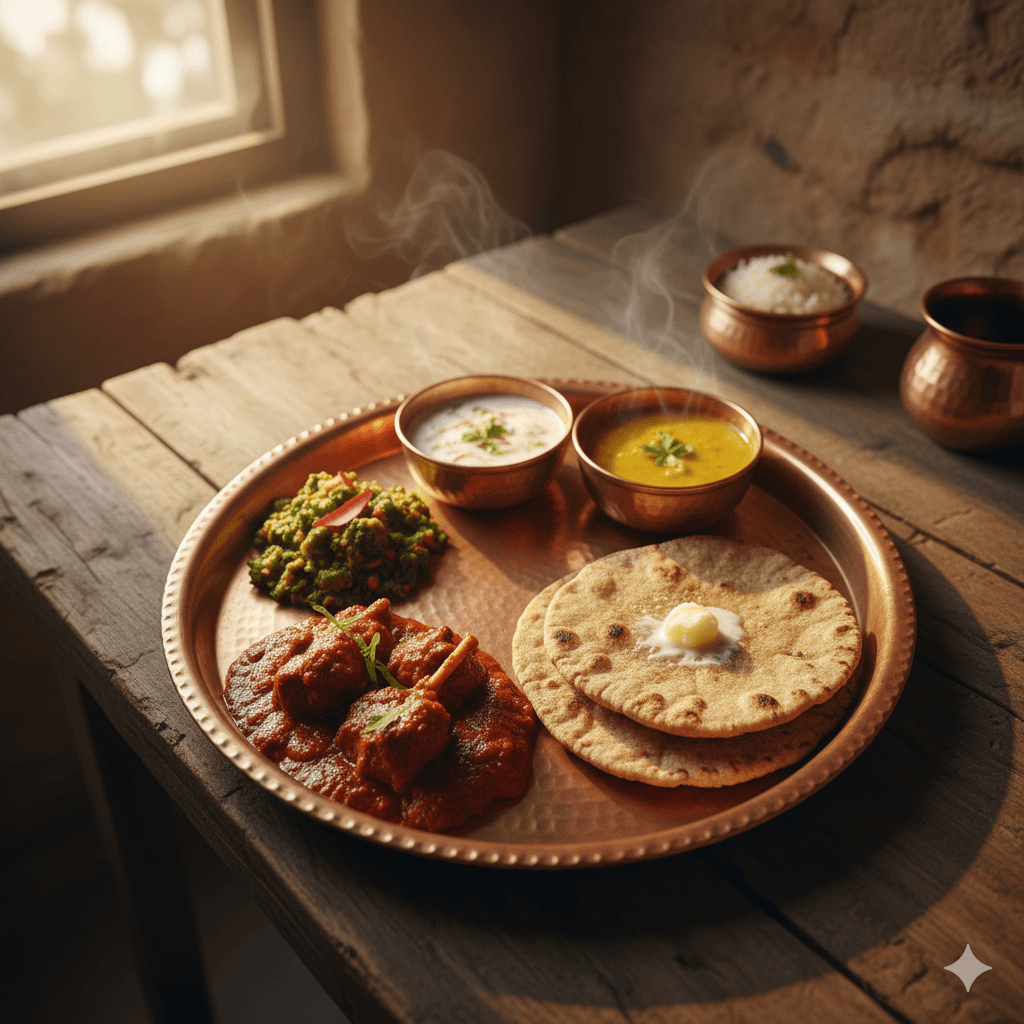
| Laal Maas | Mutton & Mathania chillies | Extreme | The “protein spike” for muscle repair. |
| Bajra Roti | Pearl Millet | Slow Release | Complex carbs for the long haul. |
| Gatte ki Sabzi | Gram flour dumplings | Medium | Comfort food for the post-trek “slump.” |
The Must-Eat List for Every Trekker
- Ker Sangri (The Desert’s Gold):These are essentially wild beans and berries that grow in the harshest conditions. They are tangy, spicy, and slightly nutty. It’s the ultimate “resilience food.” I ate this by the bowlful after finishing my Trekking Kumbhalgarh to Ranakpur journey—it’s the perfect salty counter-balance to a day of sweating in the sun.
- Laal Maas (The CEO of Curries):Originally a game meat dish for Rajputs, this fiery red mutton curry is slow-cooked with a specific type of chilli that gives it color without necessarily melting your internal organs (though your mileage may vary).
- Strategist’s Tip: Always ask for a side of cold yogurt (Dahi). It’s your “risk mitigation” strategy for the spice.
- Bajra Roti with White Butter:Forget your refined flour. These thick, handmade flatbreads are made from millet. They are dense, earthy, and topped with a dollop of fresh white butter that hasn’t seen a factory in its life. One of these will keep you full from Kumbhalgarh all the way to Ranakpur.
- The Sweet Exit (Churma):You can’t leave without trying Churma—crushed wheat cooked with ghee and jaggery. It’s the “bonus dividend” at the end of a hard day’s work.
A Strategist’s Advice on Dining:
Avoid the “Tourist Cafes” with 50-page menus featuring pizza and pasta. Seek out the small Bhojanalayas or your heritage hotel’s traditional kitchen. The simpler the setup, the better the spice blend.
Humor Note: I told the waiter I could handle “local spice levels.” Three bites into the Laal Maas, I was drinking water like a camel at an oasis and contemplating calling the local fire department. I’ve since downgraded my “Spice Risk Profile” to “Mildly Adventurous.”
9. 48-Hour Trekking Itinerary
In the business world, we call this a “Sprint.” You have a limited window of time, a high-stakes objective, and a need for maximum “Experience Yield.” When I planned my trip for Trekking Kumbhalgarh to Ranakpur, I knew I couldn’t just wing it. To conquer a 1,100-meter climb and still have time to appreciate the marble symmetry of Ranakpur, you need a roadmap that balances “Execution” with “Recovery.”
Think of this 48-hour plan as your operational manual. We’re front-loading the heavy lifting so you can enjoy the “dividends” of a sunset safari and a royal feast later.
The “High-Performance” Schedule
| Phase | Time | Activity | Key Objective |
| Day 1: Onboarding | 2:00 PM | Arrive in Kumbhalgarh & Check-in | Basecamp Setup |
| Day 1: Market Research | 4:30 PM | Explore the Fort Ramparts | Acclimatization |
| Day 1: Networking | 7:30 PM | Light & Sound Show | Cultural Context |
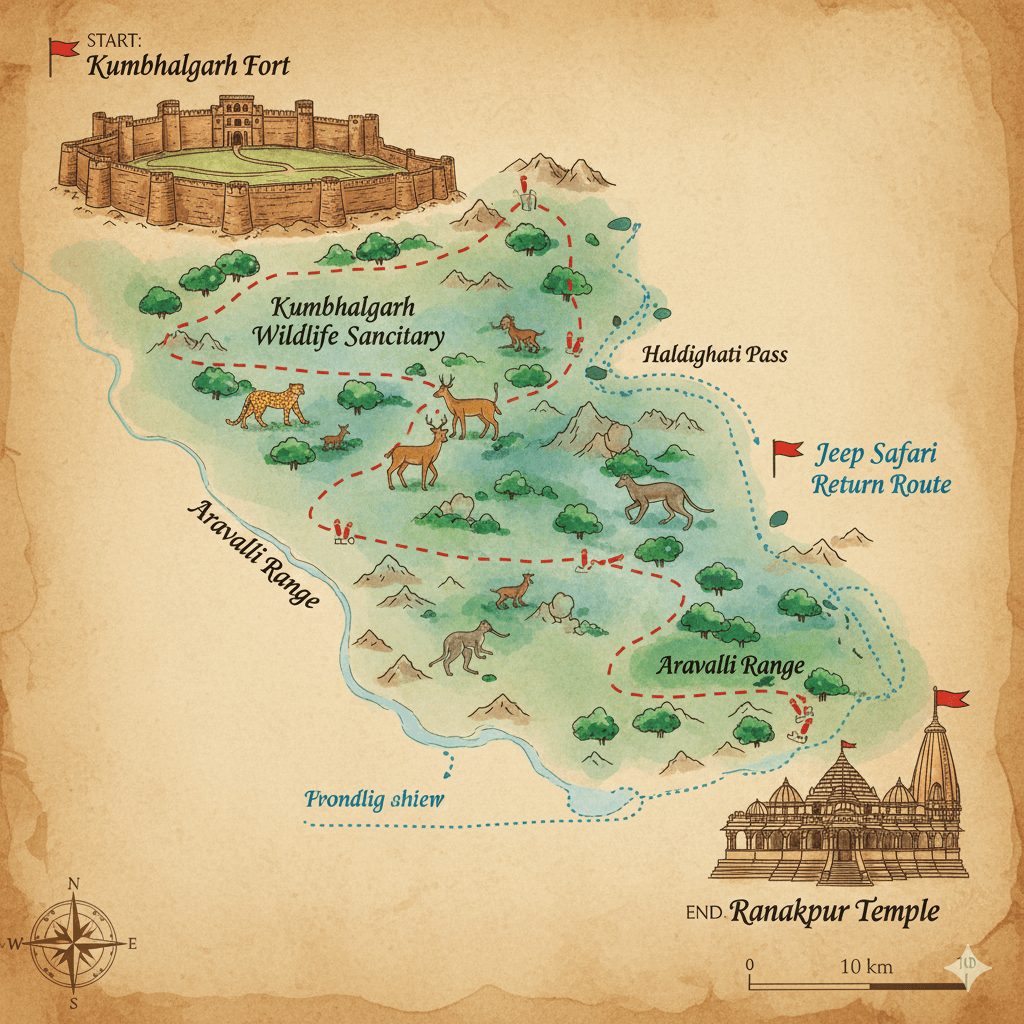
| Day 2: Execution | 6:00 AM | Trekking Kumbhalgarh to Ranakpur | The Main Event |
| Day 2: Audit | 1:00 PM | Ranakpur Jain Temple Tour | Architectural ROI |
| Day 2: Closing | 4:00 PM | Jeep Safari back to Base | Wildlife Scouting |
Day 1: Establishing the Perimeter
- Afternoon (The Arrival): Arrive at your heritage stay in Kelwara or near the Fort. Don’t go straight to sleep! Spend the afternoon walking the first few kilometers of the fort wall. It’s the perfect way to test your “hardware” (your boots) before the big day.
- Evening (The Strategy Session): Head to the Fort for the Light & Sound show. It’s the best way to understand the Mewar history without reading a 500-page textbook. Grab an early dinner of Gatte ki Sabzi—you’ll need those carbs tomorrow.
Day 2: The 1,100-Meter Climb & Beyond
- Early Morning (The Launch): Start Trekking Kumbhalgarh to Ranakpur no later than 6:30 AM. Trust me, the Rajasthani sun is a tough negotiator, and you want to be under the forest canopy before it hits peak intensity.
- The Route: You’ll descend through the Kumbhalgarh Wildlife Sanctuary. Keep your ears open for the “alarm calls” of langurs—they’re better than any motion sensor at detecting predators.
- Midday (The Dividend): After about 5–6 hours of rugged trail, you’ll emerge at the Ranakpur Jain Temple. Take your shoes off (literally and figuratively) and spend two hours getting lost in the 1,444 marble pillars. It’s the most peaceful “boardroom” you’ll ever step into.
- Late Afternoon (The Pivot): Most people are too tired to walk back. I recommend pre-booking a 4×4 Jeep to take you back to Kumbhalgarh. It’s a 90-minute bumpy ride that doubles as a sunset safari.
A Strategist’s Advice on Time Management:
Don’t over-schedule your morning. The trail has a way of throwing “unforeseen variables” at you—like a herd of Nilgai crossing your path or a particularly steep section of granite that requires an extra water break. Build in a 20% “buffer time.”
Humor Note: My “48-hour plan” almost fell apart when I spent 30 minutes trying to take a selfie with a very unimpressed goat near the trailhead. The goat clearly valued its time more than I did. Lesson learned: Stick to the schedule, ignore the livestock.
10. 2026 Calendar: Events & Festivals
In business, timing is everything. You wouldn’t launch a winter coat line in July, and you shouldn’t plan your journey for trekking Kumbhalgarh to Ranakpur without checking the local “IPO” (Important Public Occurrences) calendar.
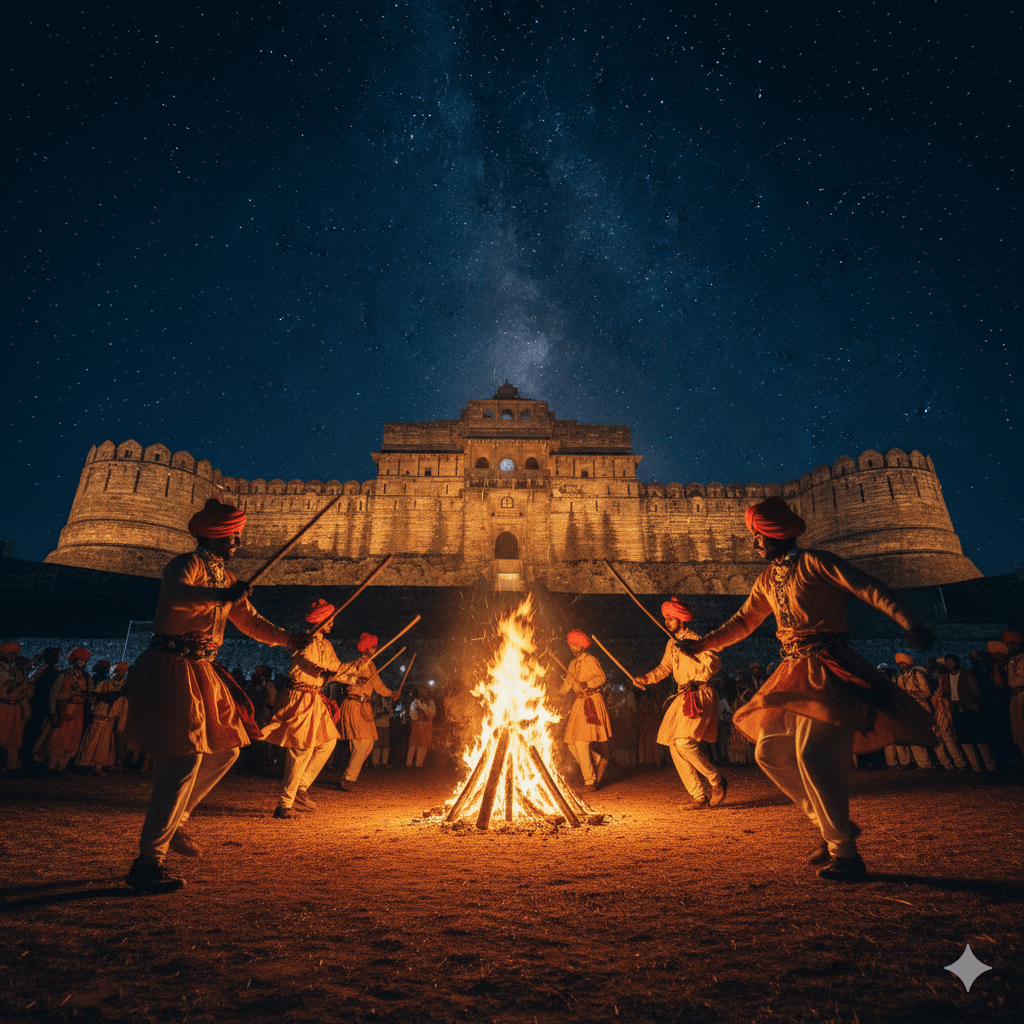
As your strategist, I’ve mapped out the 2026 fiscal—err, festival—year. Aligning your trek with a local festival is like adding a “value-multiplier” to your trip. You get the same 1,100-meter climb, but with a side of folk music, vibrant turbans, and fire dancers. However, fair warning: “Market volatility” (crowd sizes) increases during these dates, so book your “assets” (hotels) early.
The 2026 “High-Value” Event Tracker
| Month | Event | Why It’s Worth the Trip | Crowd Level |
| January | Winter Festival | Folk performances on the fort ramparts. | High |
| March | Holi (Festival of Colors) | Tribal Gair dance in the Aravalli villages. | Extreme |
| September | World Tourism Day | Special guided heritage walks & discounts. | Medium |
| December | Kumbhalgarh Festival | Classical music under the stars. | Very High |
The “Don’t Miss” Cultural Benchmarks
- The Kumbhalgarh Festival (December):This is the “Annual General Meeting” of Rajasthani culture. For three days, the fort becomes a stage. Imagine finishing your trek and walking back into a fortress illuminated by thousands of lamps while world-class artists perform Kalbelia dance. It’s the ultimate reward after the physical exertion of trekking Kumbhalgarh to Ranakpur.
- Holi in the Hills (March):Forget the “water balloon” Holi of the cities. In the Aravallis, the local Bhil tribal celebrate with the Gair dance. It’s raw, rhythmic, and incredibly powerful. If you’re trekking during this time, you might find the trails a bit “color-coded,” but the energy is infectious.
- Maharana Pratap Jayanti (June):Celebrating the birth of the local legend. If you enjoy “Leadership Keynotes,” this is the time to hear stories of grit and resilience. Be warned, though: June temperatures are the ultimate “Stress Test” for any trekker.
A Strategist’s Advice on Seasonal Planning:
If your goal is solitude, aim for the “shoulder seasons”—late February or early October. You get the pleasant weather without the “Market Saturation” of the December tourist rush.
Humor Note: I once tried to attend the Turban Tying competition during the festival. I walked in thinking I looked like a local chieftain and walked out looking like I’d been in a minor accident with a bolt of orange silk. Some “Skill Sets” are better left to the professionals.
11. Pro Tips & Trip Essentials
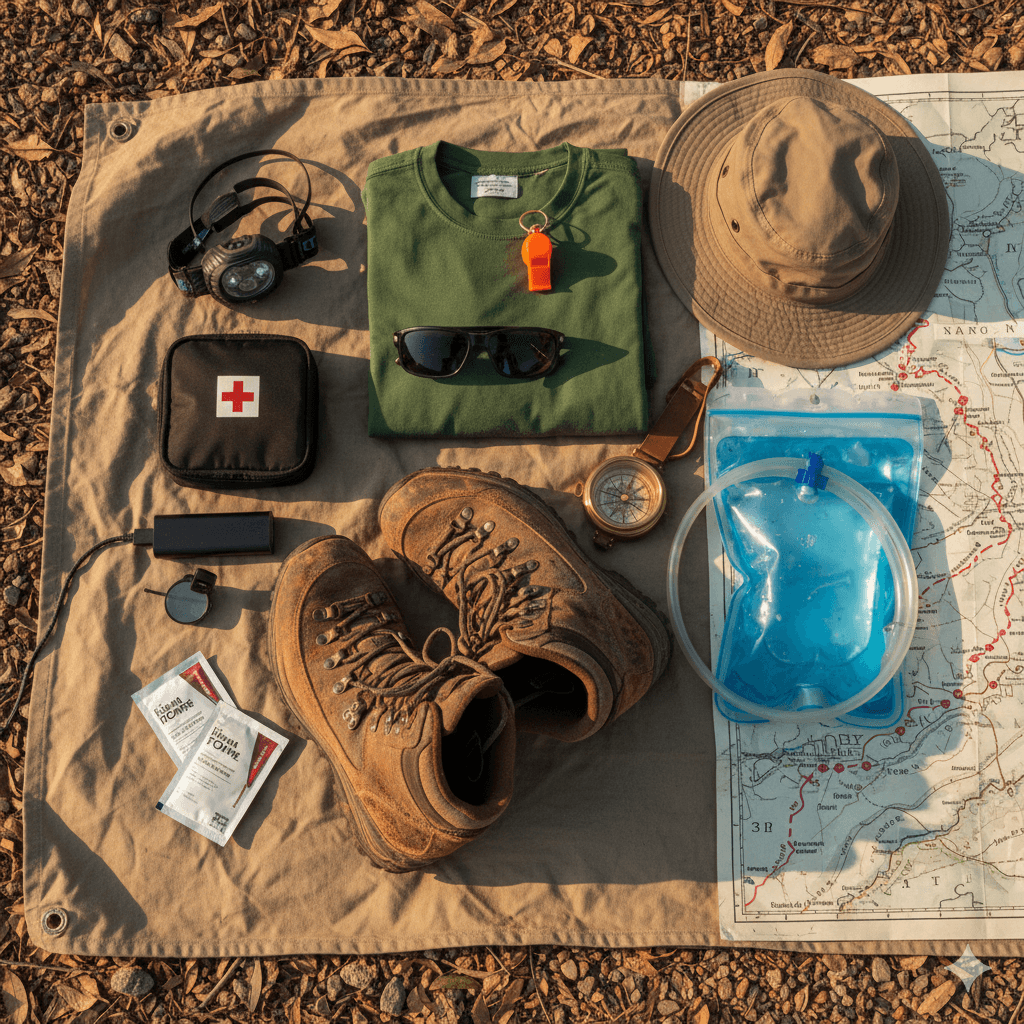
Every good strategist knows that a mission is won or lost in the preparation phase. You can’t just “disrupt” a 1,100-meter mountain range with a pair of flip-flops and a positive attitude. When I was preparing for Trekking Kumbhalgarh to Ranakpur, I treated my packing list like a high-stakes balance sheet—every gram had to earn its place.
In the Aravallis, the environment is your “competitor.” It’s dry, it’s thorny, and it doesn’t care about your OOO status. To ensure your “Operational Continuity” (i.e., not getting a blister the size of a golf ball), you need the right kit. Here is my “due diligence” report on what to carry and how to survive the trail.
The “Essentials” Audit: Gear Checklist
| Category | Item | Priority | Strategist’s Reasoning |
| Footwear | Rugged Hiking Boots | Critical | Ankle support is your best insurance policy. |
| Hydration | 3L Water + Electrolytes | Critical | Dehydration is a “bad debt” you can’t afford. |
| Tech | Power Bank & Offline Maps | High | No signal in the deep forest “boardroom.” |
| Apparel | Moisture-wicking layers | High | The 1,100-meter climb is a sweat equity game. |
| Safety | Whistle & Basic First Aid | Medium | Risk mitigation for the “unforeseen.” |
My “Insider” Pro Tips for Success
- The “Early Bird” Acquisition: Start at the crack of dawn. If you’re still Trekking Kumbhalgarh to Ranakpur at 1:00 PM, you’ll be negotiating with a 35°C sun. That is a negotiation you will lose. Aim to be under the shade of the Ranakpur marble by noon.
- Hire a Local “Consultant” (Guide): Look, I’m all for self-reliance, but the Kumbhalgarh Wildlife Sanctuary has more “unmarked exits” than a corporate tax haven. A local Bhil guide isn’t just a navigator; they are your leopard-spotting early warning system.
- The “Double-Sock” Strategy: To prevent friction blisters during the steep 1,100-meter descent, wear a thin liner sock under a thick wool hiking sock. It’s a “Layered Defense” for your feet.
- Snack for Sustained Growth: Skip the sugary candy bars. Pack nuts, dates, and local bananas. You want slow-release energy to power through the final 5 kilometers when your “Human Capital” feels depleted.
A Strategist’s Advice on Gear Investment:
Don’t skimp on boots. Buying cheap footwear for a technical Aravalli trek is like using “legacy software” to run a modern AI startup—it’s going to crash, and it’s going to hurt. Invest in a pair with a solid Vibram sole to handle the slippery granite.
Humor Note: I thought I was being “efficient” by carrying a massive professional DSLR camera. By kilometer ten, that camera felt like I was carrying a small, angry toddler around my neck. Next time? I’m sticking to my phone and a “Leasing Agreement” with a local photographer!
12. Conclusion: Why the Aravallis Changed Me
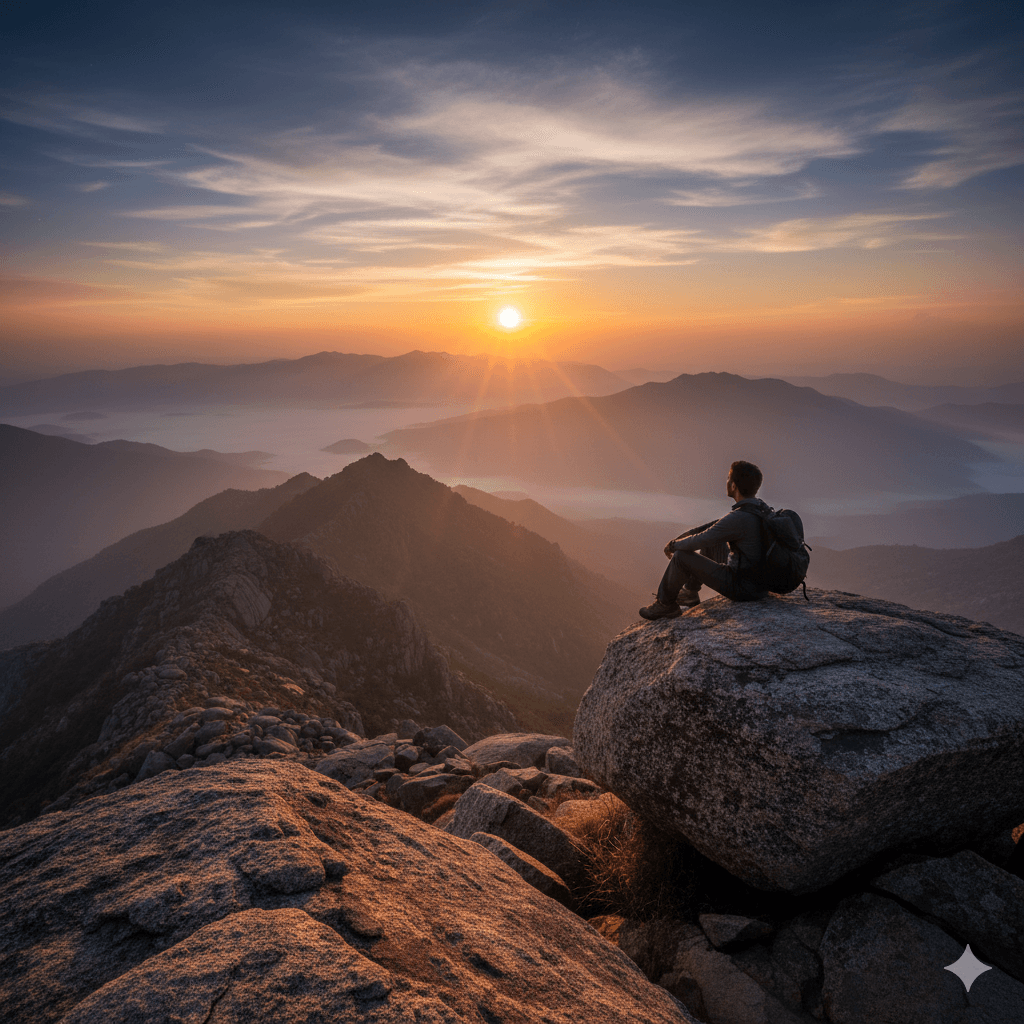
If you had asked me at the midpoint of that 1,100-meter climb—somewhere between a thorny acacia bush and a very steep granite slab—I would have told you that my “business strategy” for the day was simply “survival.” But standing at the finish line, looking back at the sun dipping behind the ancient peaks, I realized that Trekking Kumbhalgarh to Ranakpur is more than just a line item on a bucket list. It’s a complete systems reboot.
In our world of endless Zoom calls and “urgent” emails, we often lose sight of what real progress feels like. This trek forced me to trade my digital KPIs for physical ones. It taught me that sometimes, the best way to move forward is to take a steep, rocky path that doesn’t have a shortcut.
The “Executive Summary” of My Transformation
| Before the Trek | After the Trek |
| Stressed by “In-Box Zero” | Impressed by “Effort Level 100” |
| Focused on 15-minute intervals | Focused on the next 15 steps |
| Over-reliant on 5G signal | Reconnected with my internal compass |
| Knee joints: “Factory Settings” | Knee joints: “In Need of a Warranty Claim” |
Final Takeaways from the Trail
- Resilience is a Muscle: Completing the Trekking Kumbhalgarh to Ranakpur journey reminded me that we are capable of much more than our comfort zones suggest. The 1,100-meter climb isn’t just about leg strength; it’s about mental grit.
- Perspective is Everything: From the top of the “Palace of Clouds,” my daily problems looked like tiny ants. Sometimes you need to change your altitude to change your attitude.
- Respect the Environment: The Aravallis don’t care about your job title. Out here, you’re just another traveler. It’s a humbling, grounding experience that every “high-achiever” needs once in a while.
A Strategist’s Final Word:
If you’re waiting for the “perfect time” to do this, you’re waiting for a market peak that doesn’t exist. The trail is there, the leopards are waiting (at a safe distance, hopefully), and the marble of Ranakpur is just as cool as ever. Pack your boots, hire that guide, and commit to the climb.
Humor Note: I returned to my office with a tan, a few scratches, and a newfound respect for mountain goats. My colleagues asked if I felt “refreshed.” I told them I felt like I’d been through a corporate merger with a mountain—and the mountain definitely won. But honestly? I’d sign that contract again in a heartbeat.
13. FAQ Section
As your strategist, I know that every great plan has its “Known Unknowns.” You’ve read the itinerary, you’ve seen the gear list, but you’ve still got that one burning question—probably about leopards or bathroom breaks.
Think of this section as our “Risk Assessment” session. I’ve compiled the most common queries I get from fellow travelers about Trekking Kumbhalgarh to Ranakpur. I’ll give you the straight talk (with a little bit of trail-humor) so you can head into the 1,100-meter climb with total confidence.
The “Quick-Reference” Trail Guide
| Question | The Short Answer | The “Strategist” Tip |
| Do I need a permit? | Yes, for the Wildlife Sanctuary. | Get it via your hotel or at the gate. |
| Is a guide mandatory? | Highly recommended. | Don’t be “that guy” who gets lost. |
| Cell signal? | Practically zero on the trail. | Download offline maps or go “Old School.” |
| How do I get back? | Pre-booked Jeep or local taxi. | The drive back is a scenic 90-minute ride. |
Your Questions, Answered
- “Wait, am I really going to see a leopard?”
- Look, I’m a strategist, not a fortune teller. But the Kumbhalgarh Wildlife Sanctuary trek is one of the best places in India to spot them. Most of the time, they see you way before you see them. Stick with your guide, stay on the trail, and don’t try to “pet the kitty.”
- “How fit do I actually need to be for the 1,100-meter climb?”
- You don’t need to be an Olympic athlete, but you should be able to walk for 4–5 hours on uneven ground. If your only exercise is walking from your desk to the coffee machine, maybe hit the treadmill for a week before you arrive.
- “What happens if I need a bathroom in the middle of the forest?”
- Ah, the classic “Operational Interruption.” There are no Starbucks in the Aravallis. You’ll be practicing the ancient art of “finding a very private bush.” Bring biodegradable tissues and a small bag to pack out what you pack in. Leave no trace!
- “Can I do the trek in the afternoon?”
- I’ll be blunt: That’s a bad business move. The heat in the afternoon can be brutal, and you’ll miss the best wildlife activity. Start early (6:00 AM – 7:30 AM) to ensure you finish Trekking Kumbhalgarh to Ranakpur while you still have some “human capital” left in the tank.
- “Are the trails well-marked?”
- Some are, most aren’t. Many of these are ancient hunting trails or shepherd paths. This is why I emphasize hiring a local guide—they know every granite rock and shortcut that hasn’t made it onto a GPS yet.
A Strategist’s Final Note on Safety:
Always inform your hotel or a friend of your expected “Return to Base” time. In any high-stakes environment, communication is your most valuable asset.
Humor Note: Someone once asked me if they could do the trek in crocs. I looked at their feet, then at the granite cliffs, and politely suggested that unless they had a very good health insurance policy, they might want to reconsider their “footwear strategy.”